
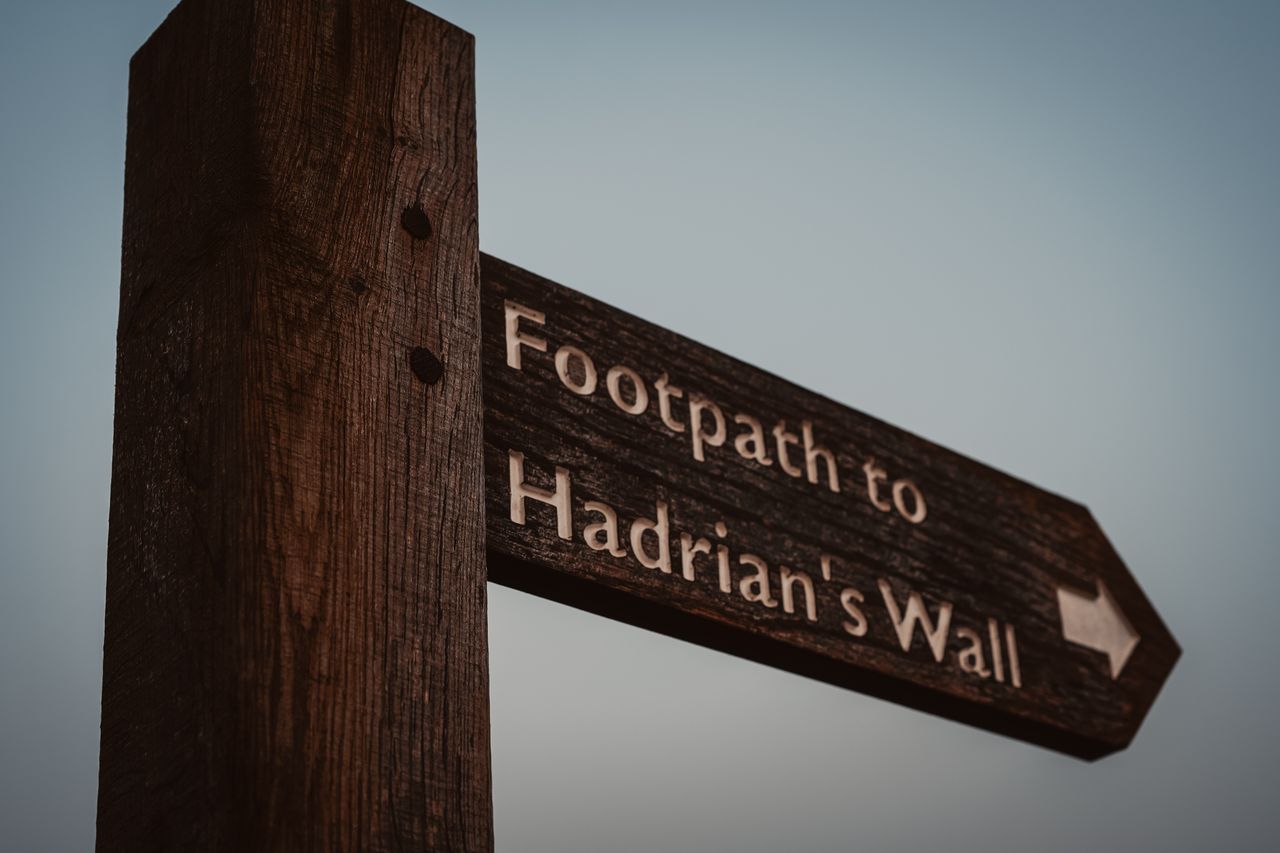
The new investment is part of a broader effort to make the historic frontier easier to explore, understand and connect with surrounding attractions.
According to the Borderlands Partnership, the approved funding totals £5.714 million and comes through the UK Government’s Borderlands Inclusive Growth Deal. It will support two connected projects led by Northumberland County Council and Cumberland Council.
The programme aims to create a more joined-up visitor experience rather than treating individual attractions as isolated destinations.
Its central objectives are to:
- Improve visitor information and wayfinding.
- Connect historic attractions with walking and cycling networks.
- Introduce interactive digital heritage experiences.
- Make lesser-known historical sites easier to discover.
- Encourage visitors to spend more time in surrounding towns and villages.
- Support local businesses through increased tourism spending.
The economic targets are ambitious. By the programme’s tenth year, the partnership hopes to attract an additional 780,000 visitors annually, generate £86.1 million in visitor spending and contribute approximately £50.4 million in gross value added to the regional economy.
These figures are projections, not guaranteed results. Their achievement will depend on visitor demand, the quality of the improvements and the ability of local businesses to convert additional visits into longer stays and meaningful spending.

What Will the £5.7 Million Actually Fund?
The investment is divided between two major projects: Hadrian’s Wall Visitor Exploration in Northumberland and Discover Hadrian’s Wall West in Cumbria.
Together, they are designed to improve the experience across a substantial section of the wider heritage landscape.
1. Hadrian’s Wall Visitor Exploration: Connecting 42 Locations
The Northumberland project will modernise visitor access across a 33-mile stretch of Hadrian’s Wall.
One of its most visible elements will be the introduction of physical and digital information hubs at 42 locations.
These hubs are intended to help visitors understand where they are, what historical features are nearby and how to reach other attractions.
The improvements will also strengthen key visitor gateways and enhance signage, addressing a longstanding challenge for people exploring a large historic landscape.
Hadrian’s Wall is not a single attraction with one entrance and one visitor centre. Its remains extend across countryside, villages, farmland and rugged terrain. Some archaeological features are difficult to identify without historical knowledge or clear interpretation.
Better information could help visitors discover sites they might otherwise pass without understanding their significance.
2. A New Cycle Route Along Military Road
Another important element is a planned 1.94-kilometre (1.2-mile) cycle route alongside the Military Road.
The route is intended to connect Hadrian’s Wall with several wider recreation and transport networks, including:
- The Reivers Trails network.
- Kielder Water and Forest Park.
- National Cycle Network Route 68, the Pennine Cycleway.
- Haltwhistle’s active travel hub.
The route may be relatively short, but its strategic value comes from the connections it creates.
Cyclists visiting Northumberland could have more opportunities to combine Roman heritage with outdoor recreation, forest landscapes and longer cycling journeys.
It also supports a wider shift toward active tourism. Rather than relying exclusively on car journeys between attractions, visitors could combine cycling, walking and other forms of low-impact travel.
However, the effectiveness of this improvement will depend on how safely and conveniently it connects with existing paths, roads and visitor facilities.
3. Discover Hadrian’s Wall West: Bringing Hidden History to Life
The second project, Discover Hadrian’s Wall West, will focus on the Cumbrian heritage landscape.
It is expected to introduce 68 heritage-themed interpretation points across 10 trail locations, supported by physical and digital wayfinding.
One particularly interesting feature is the planned use of virtual and augmented reality through a digital application.
An interactive map and digital animations could help visitors understand what ancient structures looked like before they became ruins or disappeared beneath the modern landscape.
This matters because not every Roman site is immediately recognizable. Some archaeological remains are barely visible above ground, while others have been incorporated into later buildings, landscapes or settlements.
Digital interpretation could reveal the historical significance of these places without requiring extensive physical reconstruction.
The project is expected to begin in late 2026 and finish around January 2028. The Northumberland project is already under way and is scheduled to continue until December 2027.
Why Hadrian’s Wall Deserves International Attention
To understand the significance of this investment, it helps to look beyond the tourism industry and revisit the history of the monument itself.
Hadrian’s Wall was ordered by Roman Emperor Hadrian following his visit to Britain in AD 122. Construction began that year and took at least six years to complete.
The wall stretched approximately 73 miles (118 kilometres) across northern England, from Wallsend near Newcastle upon Tyne in the east to Bowness-on-Solway in Cumbria in the west.
It marked the north-western frontier of the Roman Empire and remained an important military and administrative boundary for nearly 300 years.
The structure was not simply a long stone barrier. It formed part of a complex frontier system that included:
- Forts housing Roman military units.
- Milecastles positioned at approximately one-Roman-mile intervals.
- Turrets used as observation posts.
- Defensive ditches and earthworks.
- Roads supporting military communication and movement.
- Civilian settlements and trading communities.
English Heritage records 16 forts, 80 milecastles and 156 turrets associated with the Wall’s original system.
The scale of the project demonstrated Roman engineering and organizational capabilities. Soldiers from the Roman legions were responsible for much of the construction, while people from different parts of the Empire served and lived along the frontier.
The Wall was also a meeting point between cultures. Soldiers and civilians came from regions that today include Syria, Romania, Belgium and North Africa. Their presence created a diverse frontier society where different languages, customs and religious traditions interacted.
That multicultural history is an important part of the site’s modern appeal.
Hadrian’s Wall was inscribed on the UNESCO World Heritage List in 1987. It subsequently became part of the transnational Frontiers of the Roman Empire World Heritage Site, which includes other important Roman frontier remains.
Beyond the Wall: The Attractions That Make a Longer Visit Worthwhile
One of the opportunities created by the investment is the potential to encourage visitors to explore the wider region instead of treating Hadrian’s Wall as a short sightseeing stop.
The surrounding landscape contains Roman forts, museums, historic settlements, walking routes and natural attractions.
Housesteads Roman Fort
Housesteads is among the best-known Roman military sites along Hadrian’s Wall.
Its remains provide an opportunity to understand how soldiers lived and worked at the frontier. Visitors can explore the layout of the fort, including the remains of buildings and defensive structures.
The location also offers dramatic views across the surrounding countryside.
Birdoswald Roman Fort
Birdoswald is another major attraction, with substantial remains of a Roman fort and sections of the Wall.
Its archaeological importance makes it particularly valuable for visitors interested in the development and operation of the frontier.
Chesters Roman Fort
Chesters provides insight into the lives of Roman cavalry soldiers.
The site includes remains of the fort and its associated bathhouse, helping visitors understand that Roman military installations were also places where soldiers worked, rested and carried out everyday activities.
Vindolanda
Although Vindolanda is a separate archaeological site close to Hadrian’s Wall, it is one of the most important places for understanding life in Roman Britain.
Excavations have uncovered buildings, personal objects and written records, including the famous Vindolanda writing tablets.
These fragile documents offer glimpses into everyday life, including military administration, personal correspondence, shopping and social relationships.
They remind visitors that Roman Britain was not simply a story of emperors and armies. It was also a society of ordinary people.
Kielder Water and Forest Park
Kielder offers a different experience from the Roman heritage sites.
Its forests, reservoir, cycling routes and outdoor activities create opportunities to extend a heritage visit into a nature-based holiday.
The planned cycling connection is particularly relevant because it could help visitors combine cultural tourism with outdoor recreation.
Haltwhistle and the Surrounding Villages
Small towns and villages along the route could benefit from increased visitor movement.
Accommodation providers, pubs, restaurants, cafés, independent shops and local activity businesses may gain from tourists who stay overnight rather than simply passing through.
This is important because the economic benefits of heritage tourism are often distributed across a wider area than the monument itself.
Why the Project Matters to Northumberland and Cumbria
Tourism can play an important role in rural economic development.
Communities around major attractions often face challenges such as limited employment opportunities, seasonal business activity and the concentration of economic investment in larger cities.
A well-managed heritage destination can help address some of these problems.
More Visitors Could Mean More Business
Additional tourists may create demand for:
- Hotels, guesthouses and bed-and-breakfast accommodation.
- Restaurants, pubs and cafés.
- Local transport and guided tours.
- Outdoor equipment and bicycle rentals.
- Museums and cultural attractions.
- Independent retailers and local food producers.
However, visitor numbers alone do not determine economic success.
A tourist who spends two hours at a monument and then drives away contributes less to the local accommodation and hospitality economy than someone who stays for several nights.
That is why the programme’s emphasis on connectivity, information and longer stays is important.
Supporting Employment in Rural Communities
Tourism growth can create employment in hospitality, retail, transport, guiding, maintenance and visitor management.
Some opportunities may be seasonal, while others could support more stable year-round jobs if businesses develop activities beyond the traditional summer visitor period.
The investment could also encourage local entrepreneurs to develop new experiences, including:
- Guided Roman history tours.
- Heritage-themed cycling holidays.
- Local food and agricultural experiences.
- Educational visits for schools and universities.
- Outdoor activity packages.
- Cultural events and community festivals.
The strongest economic outcomes are likely to occur when local businesses participate in planning and benefit directly from the visitor economy.
Encouraging Longer Stays
Hadrian’s Wall Path National Trail is approximately 84 miles (135 kilometres) long, making it longer than the Wall itself because of its route and deviations.
Experienced walkers may complete the journey in around six days, although many visitors take longer to explore attractions along the way.
The route creates an opportunity for multi-day tourism, especially among international visitors and walking enthusiasts.
Improved wayfinding and connections to other attractions could encourage tourists to spend additional nights in the region.
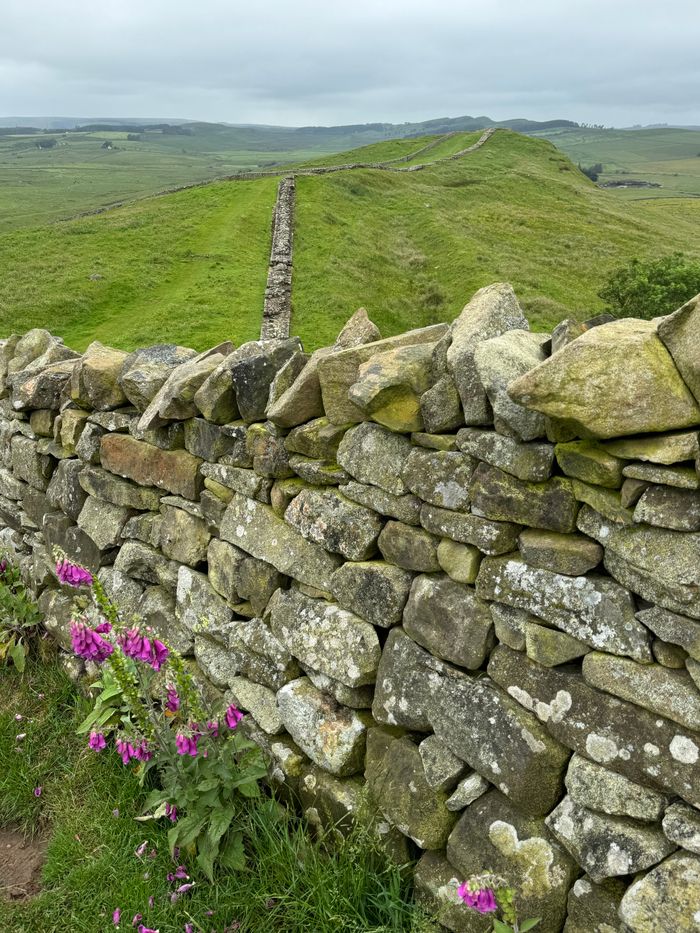
Digital Technology Could Change How Visitors Experience Roman History
One of the most interesting aspects of the investment is the use of digital interpretation.
Traditional heritage interpretation relies on information boards, museum displays, guided tours and printed materials.
These remain valuable, but digital technology offers new ways to explain archaeological sites.
Augmented Reality and Virtual Reconstruction
Imagine standing beside a section of Hadrian’s Wall and using a smartphone to see a reconstruction of the original structure.
A digital experience could illustrate:
- The Wall’s original height and appearance.
- The location of nearby Roman buildings.
- The position of watchtowers and defensive structures.
- How soldiers moved through the frontier.
- How the surrounding landscape changed over time.
Such tools could make historical information more engaging, particularly for younger visitors and people unfamiliar with Roman history.
They can also help explain archaeological features that are difficult to see with the naked eye.
Interactive Maps and Better Wayfinding
Digital mapping could help visitors navigate between historic sites, walking trails, cycling routes and local facilities.
A useful visitor application might include:
- Walking and cycling directions.
- Information about nearby attractions.
- Historical explanations.
- Accessibility information.
- Estimated journey times.
- Public transport connections.
- Food, accommodation and visitor facilities.
However, digital tools should complement rather than replace physical information.
Some visitors may not have reliable mobile data, suitable smartphones or the confidence to use digital applications. Others may prefer traditional maps and printed information.
A successful project should offer both options.
Sustainable Tourism: Protecting the Landscape While Attracting Visitors
The growth of tourism at Hadrian’s Wall creates an important conservation challenge.
The Wall is an archaeological monument within a living rural landscape. Its historic remains, surrounding farmland, natural habitats and walking routes all require careful management.
Increasing visitor numbers can create pressure through:
- Erosion caused by repeated foot traffic.
- Damage to archaeological remains.
- Litter and waste.
- Traffic congestion and parking demand.
- Disturbance to wildlife.
- Pressure on local roads and public facilities.
These risks are particularly relevant in environmentally sensitive areas where the landscape is part of the heritage experience.
Why Conservation Must Come Before Visitor Numbers
Hadrian’s Wall is a protected historic monument. Physical interventions near its remains require appropriate archaeological and heritage approvals.
English Heritage explains that conservation work must distinguish modern repair materials from original Roman stone and carefully document changes.
The new visitor programme should therefore focus on improving access and interpretation without encouraging unnecessary construction around sensitive archaeological features.
Digital interpretation may offer one solution. Visitors can learn about historical structures without requiring extensive physical reconstruction.
Managing Walking and Cycling Pressure
Cycling and walking can support lower-impact tourism, but they still need proper planning.
New routes should be designed to minimize conflict between cyclists, pedestrians, agricultural vehicles and local traffic.
Clear signs, suitable surfaces, safe road crossings and maintenance arrangements will be important.
The objective should be to encourage responsible access rather than simply increase the number of people using the landscape.
Climate and Weather Considerations
Northern England’s weather can be unpredictable.
Rain, wind, muddy paths and seasonal daylight conditions affect the visitor experience, particularly for people walking long distances.
Improved information systems could help visitors understand route conditions, facilities and safety considerations before setting out.
This is especially important for international visitors who may underestimate the difficulty of rural walking routes.
The Challenge of Turning Tourism Targets Into Reality
The projected increase of 780,000 annual visitors is an ambitious objective.
Achieving it will require more than new signs and digital applications.
Several factors will determine whether the investment produces lasting benefits.
1. Transport and Accessibility
Visitors need practical ways to reach the Wall and travel between attractions.
Improved cycling routes are useful, but not every visitor is a cyclist. Older tourists, families with young children and people with mobility limitations may require alternative transport and accessible facilities.
Better connections with rail services, local buses, parking facilities and shuttle options could help make the destination more inclusive.
2. Accommodation and Hospitality Capacity
An increase in visitor numbers may create additional demand for accommodation.
Rural areas, however, do not always have sufficient hotel capacity or public transport to accommodate large increases in tourism.
Local authorities and businesses will need to consider whether new demand can be supported without creating pressure on housing, roads and community services.
3. Marketing to International Visitors
Hadrian’s Wall has international historical significance, but it competes with numerous other heritage destinations.
The region needs clear marketing that explains why visitors should spend several days exploring Roman Britain rather than treating the Wall as a brief stop during a wider UK holiday.
Potential audiences include:
- Roman history enthusiasts.
- International cultural tourists.
- Long-distance walkers.
- Cycling holidaymakers.
- Families interested in educational travel.
- School and university groups.
- Visitors exploring northern England and Scotland.
Marketing should highlight the combination of history, landscapes, local culture and outdoor experiences.
4. Measuring Genuine Economic Benefits
The programme’s targets should be evaluated carefully.
A higher visitor count does not automatically mean local communities are better off.
Authorities should monitor accommodation bookings, average visitor spending, length of stay, seasonal demand, local employment and the proportion of tourism spending retained by independent businesses.
These measures would provide a more complete picture of the project’s impact.
How Hadrian’s Wall Could Become a Model for Heritage Tourism
The project reflects a wider shift in how historic destinations approach tourism.
In the past, many heritage sites concentrated on preserving monuments and attracting visitors to individual attractions.
Increasingly, destination planners recognize that visitors want complete experiences.
They want to understand the history, explore the landscape, enjoy local food, discover nearby communities and have convenient ways to move between attractions.
Hadrian’s Wall has the ingredients to support this model.
Its Roman history offers international appeal. Its landscape provides opportunities for walking and cycling. Its nearby towns and villages offer accommodation, food and local culture.
The key is to connect these elements without damaging the historic environment.
Other heritage destinations could learn from this approach, particularly those in rural areas where major attractions are spread across large geographical regions.
The combination of physical infrastructure, digital interpretation and local business participation could provide a practical model for developing tourism around historic landscapes.
What Visitors Can Expect in the Coming Years
The programme is being delivered in stages rather than as a single completed redevelopment.
The Northumberland project is already under way, with work expected to continue until December 2027. Discover Hadrian’s Wall West is expected to begin in late 2026 and finish around January 2028.
Visitors should therefore expect improvements to appear progressively.
The funding announcement does not mean that the entire Wall is being rebuilt or that all existing attractions will be replaced. The focus is on visitor infrastructure, interpretation, connectivity and access.
People planning a visit should continue checking individual attraction websites for opening times, ticket requirements, path conditions and transport information.
The wider Hadrian’s Wall landscape remains a destination that rewards careful planning. Visitors interested in Roman history may want to allow additional time for forts, museums and archaeological sites rather than attempting to explore everything in a single day.
Conclusion: A New Chapter for One of Britain’s Greatest Historic Landmarks
The £5.714 million investment in Hadrian’s Wall represents an important opportunity to strengthen heritage tourism in northern England.
Through 42 information hubs in Northumberland, a new cycling connection, 68 interpretation points in Cumbria and improved digital wayfinding, the programme aims to make a complex historic landscape easier to explore.
Its economic ambition is equally significant: attract 780,000 additional visitors annually and generate £86.1 million in visitor spending by the programme’s tenth year.
But the real measure of success will not simply be the number of tourists who arrive.
It will be whether visitors gain a deeper understanding of Roman Britain, whether rural businesses benefit from longer and more valuable stays, and whether the Wall’s archaeological and natural environment remains protected.
Hadrian’s Wall was built to mark the edge of an empire. Nearly two millennia later, it has the potential to become a bridge between history, tourism and local economic development.
The challenge is to make it more accessible without losing the authenticity that makes it extraordinary.
Frequently Asked Questions (FAQs)
1. How much money is being invested in Hadrian’s Wall tourism improvements?
The Borderlands Partnership has approved £5.714 million in UK Government funding through the Borderlands Inclusive Growth Deal. The money will support two connected projects in Northumberland and Cumbria, improving visitor information, cycling connections, signage, digital interpretation and access.
2. What improvements are planned for Hadrian’s Wall?
The programme includes physical and digital information hubs at 42 locations across a 33-mile stretch in Northumberland, a new 1.94-kilometre cycling route alongside Military Road and 68 heritage-themed interpretation points across 10 trail locations in Cumbria. Digital wayfinding and augmented or virtual reality experiences are also planned.
3. How many additional tourists is the Hadrian’s Wall project expected to attract?
The Borderlands Partnership aims to attract an additional 780,000 visitors annually by the programme’s tenth year. It also projects £86.1 million in additional visitor spending and approximately £50.4 million in gross value added. These are long-term targets rather than guaranteed results.
4. Why is Hadrian’s Wall historically important?
Hadrian’s Wall was built by the Roman army from AD 122 under Emperor Hadrian’s orders. Stretching approximately 73 miles across northern England, it marked the north-western frontier of the Roman Empire for nearly 300 years. Its forts, milecastles, turrets and archaeological remains provide important evidence of Roman military organization, engineering and everyday life. It became a UNESCO World Heritage Site in 1987.
5. When will the Hadrian’s Wall tourism improvements be completed?
The Northumberland Hadrian’s Wall Visitor Exploration project is already under way and is expected to continue until December 2027. The Discover Hadrian’s Wall West project in Cumbria is expected to begin in late 2026 and finish around January 2028. Improvements will therefore be introduced in stages rather than becoming available all at once.
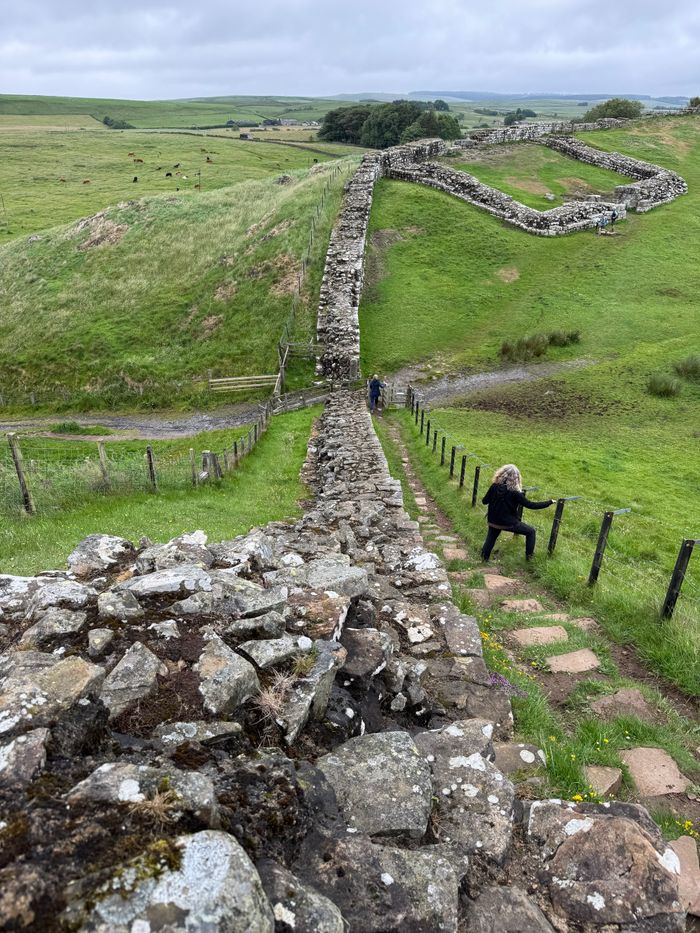
Sources BBC