
Moab, Utah, long famous for its dramatic red-rock landscapes and proximity to Arches and Canyonlands National Parks, is feeling an economic pinch as international tourism dips. Local restaurateurs are voicing concern that declining visits from Canada, Europe, and Asia are hitting revenues hard.
The Numbers Tell the Story
- Hotel tax revenue is lagging: In April 2025, Moab collected approximately $664,000 in resort taxes—about $83,000 less than April 2024. While May shows some recovery, room tax revenue remains inconsistent.
- International spending down sharply: Moab has lost nearly $555,000 in foreign visitor spending compared to the same period last year.
- Broader trend in Utah: Foreign arrivals into Salt Lake City have declined slightly, reflecting national challenges in attracting international tourists.
Business Owners Sound the Alarm
- Restaurants feel the slowdown: Ryan Bird of Moab Garage Co. noted fewer international diners, an unpredictable customer base, and a growing concern about the winter months ahead.
- Decline in tour bus bookings: Moab Brewery manager Autem Hirschfeld said bus group visits fell from 72 scheduled stops to just 52—an alarming signal for business traffic.
- Different impacts per business: Cactus Jacks, for example, reported significantly fewer European patrons—once a summer staple.
Contributing Factors Behind the Tourism Dip
- Global visitation decline: The World Travel and Tourism Council forecasts a 9.4% drop in international visitors across the U.S. this year.
- Policy-related deterrents: Earlier visa fee hikes and reduced tourism promotion under recent federal policies have triggered uncertainty among foreign travelers—including key markets like Canada, the UK, and Germany.
- Park access regulations: Arches National Park’s new timed-entry system during high season has led to fewer unplanned visits and reduced footfall at adjacent businesses.
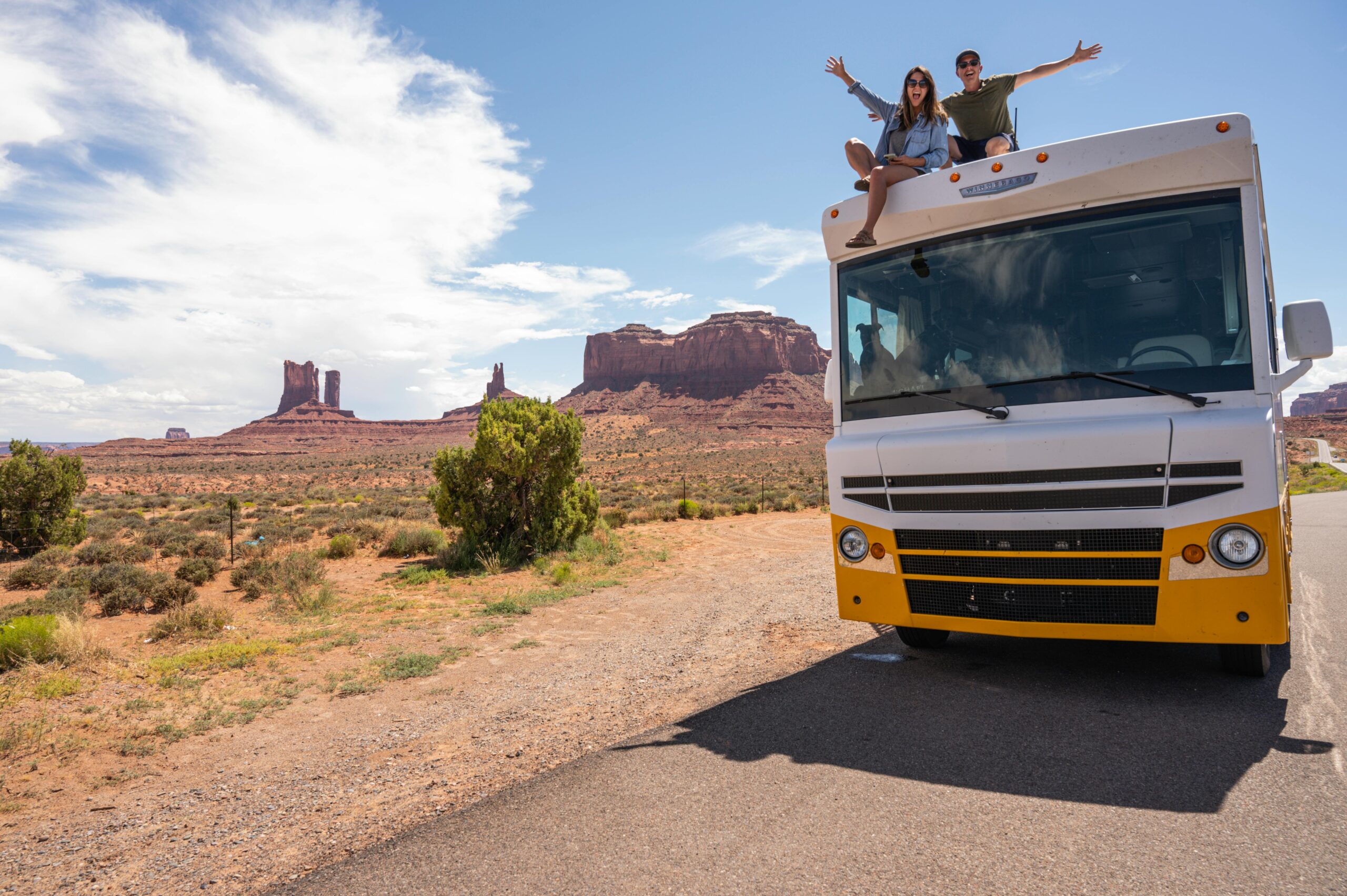
- Shifting spending patterns: An uptick in RV or camping visits—rather than hotel stays—could explain why certain tax revenues appear lower even if visitor numbers aren’t drastically reduced.
Resident Sentiment and Resilience
According to a 2023 community survey, Moab residents remain cautiously optimistic:
- 92% recognize tourism’s importance, and 45% say their household income depends on it.
- However, concerns persist—41% note negative impacts outweigh benefits, particularly regarding environmental stress and overcrowding.
Summary: Moab’s Tourism Landscape
| Factor | Impact on Local Economy |
|---|---|
| International tourism decline | Lower spending and fewer tourist group visits |
| Policy barriers | Visa fees, reduced U.S. tourism marketing |
| Arches timed-entry system | Greater control but reduced park-driven traffic |
| Accommodation shifts | More campers, fewer hotel-based tax revenues |
| Local sentiment | Balanced reliance on tourism amid environmental concerns |
Frequently Asked Questions (FAQs)
Q: Are fewer tourists causing a long-term economic crisis?
Possibly. Businesses are concerned about winter; lower tax revenues and unstable customer flows are putting pressure on livelihoods.
Q: What tourists are pulling back?
Data shows declines in arrivals from Europe (UK, Germany, South Korea) and Canada—key sources for Moab’s out-of-season tourism.
Q: Are domestic tourists still coming?
Some are, especially in RVs or via camping rather than hotels—this shift alters spending patterns and tax intake.
Q: Is the timed-entry system in parks discouraging visits?
Yes—while it improves crowd management, it also reduces spontaneous trips, which affect local businesses reliant on park overflow.
Q: Are local policies adapting?
City leaders brace for budget gaps and are monitoring tourism trends. Meanwhile, long-term strategies to balance economic gain with sustainability are being discussed.
Final Thoughts
Moab’s tourism downturn reveals vulnerabilities in a tourism-reliant economy—especially one facing international headwinds and changing travel behaviors. As the town navigates declining foreign visits, its resilience will hinge on balanced policies, adaptable businesses, and sustainable tourism strategies.
Sources The Salt Lake Tribune

