
A New Direction for European Tourism
Europe’s tourism industry is entering a period of change. Destinations are increasingly being judged not simply by how many visitors they attract, but by how effectively they protect their natural resources, preserve local culture and ensure tourism benefits the people who live there.
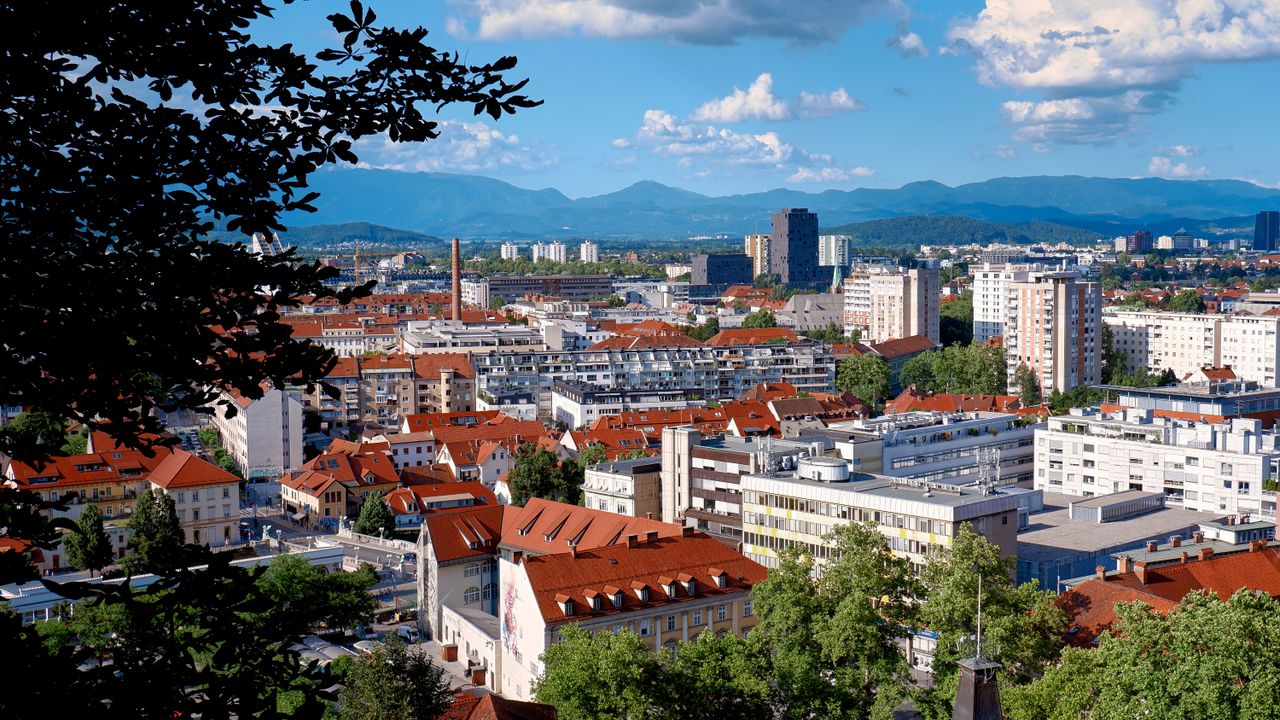
That shift is reflected in the European Commission’s announcement on 20 November 2026 that Ljubljana, the capital of Slovenia, and Calvià, a municipality on the Spanish island of Mallorca, have been selected as the 2027 European Capitals of Tourism.
The two destinations won in separate population categories. Ljubljana received the award for cities with more than 100,000 inhabitants, while Calvià was recognised in the category for destinations with between 25,000 and 100,000 inhabitants.
Their selection highlights two different approaches to a shared challenge: how to develop tourism without allowing it to undermine the places, communities and environments that make destinations attractive in the first place.
Ljubljana impressed the jury with its resident-focused policies, digital visitor management and commitment to accessibility, culture and year-round tourism. Calvià stood out for its ambition to move beyond a traditional high-volume sun-and-beach tourism model towards a more diversified and sustainable destination.
The awards are particularly significant because the 2027 competition attracted applications from 83 destinations across 24 countries, with 16 destinations eventually shortlisted. The winners were selected after presentations to a European jury in Brussels on 18 and 19 November.
The announcement is more than a recognition of two successful destinations. It offers a glimpse of the direction European tourism policy is taking as cities and holiday regions face increasing pressure to balance economic growth with environmental and social responsibilities.
What Are the European Capitals of Tourism Awards?
The European Capitals of Tourism initiative is a European Commission programme designed to recognise destinations that demonstrate innovative approaches to smart and sustainable tourism.
The competition encourages cities and municipalities to develop tourism strategies that improve visitor experiences while strengthening local economies, protecting cultural and natural heritage and supporting residents.
The 2027 edition brought together two earlier European initiatives: the European Capital of Smart Tourism competition and the European Green Pioneer of Smart Tourism competition. The new combined format retains separate categories for larger cities and smaller destinations.
The competition recognises different strengths according to the size and characteristics of each destination.
For cities with more than 100,000 inhabitants, the assessment covers four major areas:
- Sustainability: Reducing environmental impacts, improving resource management and supporting responsible tourism development.
- Accessibility: Making tourism experiences, public spaces and services more inclusive for people with different needs.
- Digitalisation: Using technology, reliable data and innovation to improve destination management and visitor experiences.
- Cultural heritage and creativity: Protecting local identity while supporting cultural activities, creative industries and community participation.
For destinations with populations between 25,000 and 100,000, the competition places particular emphasis on sustainable tourism and green transition practices.
This distinction matters. A large capital city faces different challenges from a coastal resort municipality. The former may need to manage transport, visitor concentrations, cultural attractions and urban infrastructure. The latter may need to address seasonal employment, pressure on beaches and natural resources, accommodation development and dependence on a narrow tourism season.
By recognising both types of destinations, the programme encourages a broader understanding of what successful tourism development looks like.
Why Ljubljana Won: A Capital City Putting Residents at the Centre
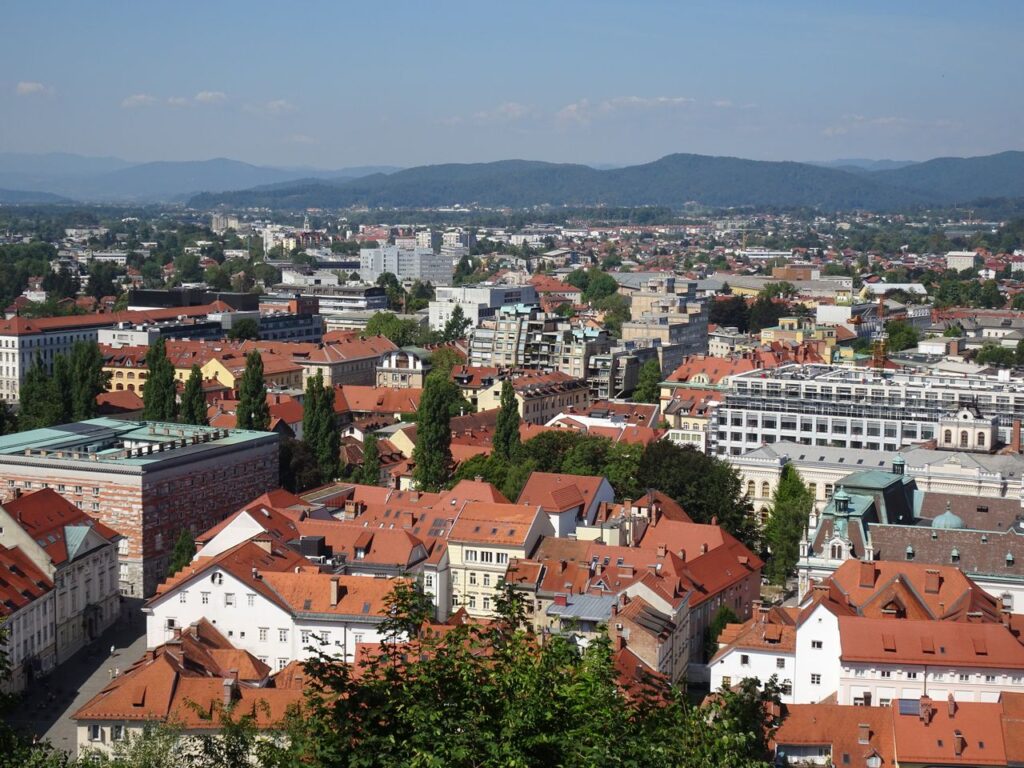
Ljubljana has spent years building an international reputation around sustainability, green spaces, walkability and quality of life.
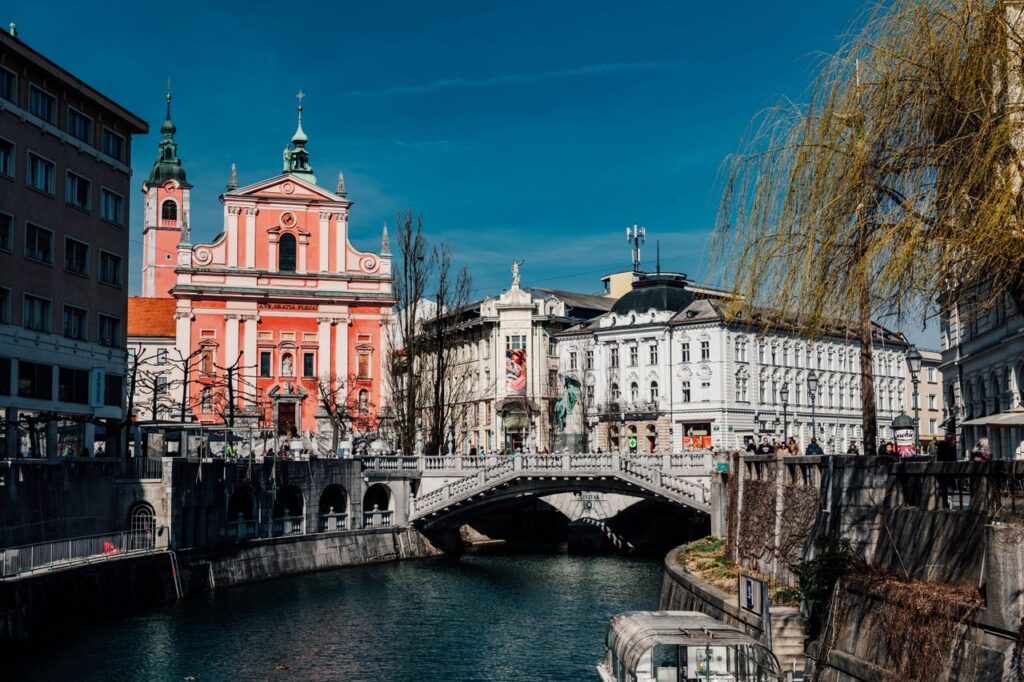
As Slovenia’s political, economic and cultural centre, the city offers visitors historic architecture, museums, restaurants, riverside attractions and access to the country’s wider natural landscape. Yet its tourism appeal is closely connected to an urban development strategy that aims to make the city pleasant for residents as well as visitors.
The European jury recognised Ljubljana for its commitment to knowledge sharing, continuous learning and resident-focused initiatives. It also praised the city’s performance in accessibility, digitalisation, sustainability and cultural tourism.
A long-standing commitment to green urban development
Ljubljana’s sustainability credentials did not begin with the 2027 award. The city was named European Green Capital in 2016, following years of investment in environmental improvements and urban transformation.
One of its most visible changes has been the redesign of the city centre to reduce motorised traffic and give more space to pedestrians and cyclists.
The historic centre is now known for its pedestrian-friendly streets, public spaces, riverside promenades and outdoor cafés. Cycling routes and public transport also provide alternatives to travelling around the city by private car.
The European Commission’s earlier assessment of Ljubljana’s environmental transformation highlighted improvements in local transport, pedestrianisation, green spaces, waste management and the regeneration of former industrial areas.
For visitors, these changes make it easier to explore the centre on foot and enjoy the city at a slower pace. For residents, they can improve everyday mobility and the quality of public spaces.
Ljubljana’s green identity is also reflected in its parks, wooded areas and natural surroundings. Its tourism authorities promote responsible travel practices, including cycling, walking and the use of public transport.
Using digital technology to manage visitors
One of the most important reasons for Ljubljana’s latest recognition is its approach to visitor data.
Tourism can create problems when local authorities do not have enough information about where visitors go, when they arrive or how their movements affect infrastructure and public spaces.
Ljubljana has developed a digital destination-management platform known as Ljubljana FLOWS. It brings together information such as tourism statistics, accommodation occupancy, visitor numbers, events and short-term rental data.
The platform helps tourism managers understand how demand changes over time and where pressure may be developing. Since 2026, it has also incorporated predictive models to help anticipate visitor flows and support planning.
This is an important development because modern tourism management increasingly depends on reliable information rather than assumptions.
For example, data can help a destination identify periods of heavy visitor demand, assess whether public transport capacity is sufficient, plan events more effectively and encourage visitors to explore areas beyond the busiest locations.
The platform also illustrates how tourism technology can be used for more than marketing. Digital tools can help authorities make better decisions about the long-term management of a destination.
Making tourism more accessible and culturally meaningful
The jury also recognised Ljubljana’s work in accessibility and cultural tourism.
Accessibility is an increasingly important part of the tourism experience. It includes more than ramps and lifts: clear information, accessible transport, suitable accommodation, inclusive attractions and services that accommodate different visitor needs all contribute to a welcoming destination.
Cultural tourism is another major part of Ljubljana’s appeal. Its historic centre, museums, galleries, architecture, festivals and creative communities provide opportunities for visitors to understand the city beyond its most photographed landmarks.
The challenge is to ensure that cultural tourism supports local institutions, artists, businesses and communities rather than turning the city into a place designed exclusively for visitors.
Ljubljana’s resident-focused approach reflects the idea that a successful tourism destination should remain a good place to live.
Why Calvià Won: Mallorca’s Effort to Move Beyond Mass Tourism
Calvià presents a very different tourism story.
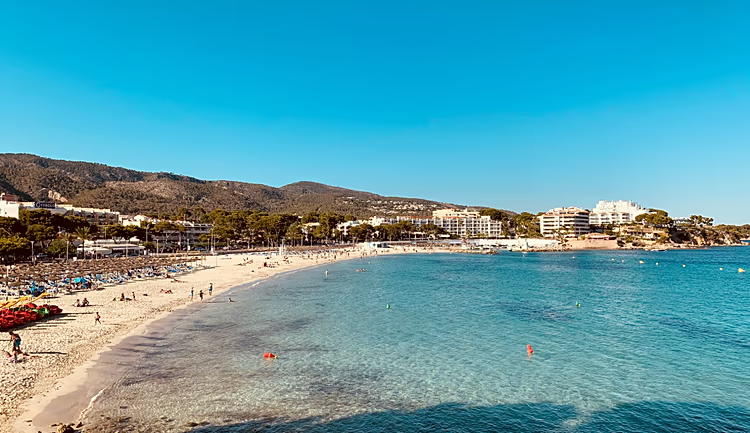
Located on the southwest coast of Mallorca in Spain’s Balearic Islands, the municipality includes well-known holiday areas such as Magaluf, Palmanova, Santa Ponça and Peguera.
Its tourism industry has historically benefited from Mallorca’s international popularity as a Mediterranean beach destination. Visitors come for warm weather, beaches, hotels, restaurants, nightlife and coastal activities.
However, destinations built around high-volume summer tourism can face significant challenges.
Demand is concentrated in a relatively short period, creating pressure on infrastructure, beaches, roads, water supplies and public services. Businesses may experience intense seasonal demand followed by quieter months, while workers face uncertainty about employment outside the main holiday season.
The European jury recognised Calvià for its ambition to move away from this traditional high-volume model and develop a more sustainable, year-round approach.
A tourism model designed for all seasons
Calvià is seeking to broaden its appeal beyond the familiar summer beach holiday.
Its objective is to develop a destination that offers more varied experiences throughout the year, including outdoor activities, sports, culture, nature, gastronomy and other forms of tourism.
This approach could help reduce the municipality’s dependence on a limited summer season.
A more balanced calendar can also create opportunities for hotels, restaurants, transport operators, guides and other tourism businesses to operate for longer periods. More consistent demand may support more stable employment and make better use of existing infrastructure.
However, extending the tourism season is not simply a matter of encouraging more visitors to arrive in spring, autumn or winter. Destinations also need suitable transport connections, open attractions, trained staff, reliable services and activities that appeal to different types of travellers.
Calvià’s challenge is to build a tourism offer that remains attractive beyond the traditional peak months while respecting the limits of its local environment.
A strategic tourism plan for 2026–2030
Calvià’s award comes as the municipality develops a broader programme of tourism reform.
In September 2026, the local government announced its first Strategic Tourism Plan, covering the period from 2026 to 2030.
The roadmap was developed with input from the local socio-economic sector and sets out 48 key actions intended to organise and advance the municipality’s tourism transformation.
Its central ambition is to move from a traditional sun-and-beach model towards a multi-experience, smart, sustainable and active destination throughout the year.
The plan was still in the approval phase when it was announced, although some measures were already under way. This distinction is important: the strategy establishes a direction and a programme of work, but it does not mean every proposed action has already been completed.
The European recognition gives additional international visibility to this transformation and provides an opportunity for Calvià to exchange ideas with other destinations facing similar challenges.
Rethinking the relationship between tourism and local communities
Calvià’s award also reflects a wider debate about the relationship between tourism and residents in popular holiday regions.
Tourism generates jobs, supports local businesses and contributes to public revenue. But its benefits can be undermined if growth places excessive pressure on housing, infrastructure, water resources, natural areas and the everyday lives of residents.
A more sustainable tourism model needs to consider who benefits from visitor spending and who carries the costs.
That means involving local communities in planning, protecting natural and cultural assets, improving employment conditions and ensuring that tourism development supports the wider local economy.
For Calvià, the transition is particularly important because its reputation as a major holiday destination is closely connected to the success of its coastal areas.
The long-term objective is not necessarily to abandon beach tourism, but to make it more balanced, diversified and environmentally responsible.
Ljubljana and Calvià: Two Different Models of Sustainable Tourism
The two winners demonstrate why there is no single formula for sustainable tourism.
Ljubljana is a capital city with a strong focus on urban planning, digital visitor management, accessibility and cultural experiences. Calvià is a coastal holiday municipality seeking to diversify its tourism economy and reduce its dependence on high-volume seasonal travel.
Their approaches can be compared across several areas:
| Tourism priority | Ljubljana, Slovenia | Calvià, Mallorca |
|---|---|---|
| Main challenge | Managing urban tourism while protecting residents’ quality of life | Reducing dependence on high-volume seasonal tourism |
| Main focus | Smart management, accessibility, culture and sustainability | Diversification, green transition and year-round tourism |
| Digital development | Visitor data and predictive destination management | Smart destination development within its wider tourism strategy |
| Environmental direction | Sustainable mobility, green spaces and responsible urban development | More sustainable tourism practices and environmental protection |
| Economic objective | Strengthen a balanced, year-round city tourism offer | Broaden the visitor economy and support more stable activity throughout the year |
Their differences are valuable because tourism pressures vary significantly across Europe.
A historic capital may need to manage short-term rentals, congestion and visitor concentrations around popular attractions. A Mediterranean resort may need to address water consumption, seasonal employment, coastal protection and the environmental consequences of intensive development.
The common principle is that tourism should be managed as part of the wider life of a destination, rather than treated as an isolated economic activity.
The Wider European Challenge: Can Tourism Grow Without Overwhelming Destinations?
The announcement comes at a time when Europe is reassessing how its tourism industry should develop.
Tourism is a major economic force. The European Commission says the sector contributes around 10% of EU gross value added when direct and indirect effects are included, supports more than 20 million jobs and involves approximately five million businesses. Most of those businesses are small and medium-sized enterprises.
The economic benefits are substantial, but the industry faces several connected challenges.
Overtourism and pressure on popular destinations
Some European destinations have experienced growing frustration over congestion, overcrowding, housing affordability and pressure on public infrastructure.
Popular cities and coastal regions must balance the spending and employment generated by visitors against the effects of large visitor numbers on local communities.
Overtourism is not necessarily just a question of how many people arrive. The timing, location and behaviour of visitors also matter.
A destination may be able to accommodate a large number of visitors if demand is spread across different neighbourhoods and seasons. A smaller number can still create serious pressure if everyone arrives at the same time and visits the same limited area.
This is why visitor-flow management, better transport planning and reliable tourism data are becoming increasingly important.
Climate change and environmental pressure
Climate change is creating new risks for European tourism.
Heatwaves, droughts, wildfires, coastal erosion and extreme weather can affect destinations, infrastructure and visitor experiences.
Mediterranean regions are particularly exposed to concerns about water availability, high temperatures and pressure on natural resources during the busiest travel months.
Cities also face environmental challenges associated with transport, energy consumption, waste and concentrated visitor activity.
Sustainable tourism therefore requires practical changes in how destinations operate. These may include improving energy efficiency, encouraging lower-impact transport, managing water consumption, reducing waste and protecting biodiversity.
The need to spread tourism beyond peak seasons
Seasonality remains a major issue for many European destinations.
When most visitors arrive during a few months, businesses can struggle to maintain stable employment and generate income throughout the year. Infrastructure may be overwhelmed during peak periods and underused during quieter months.
Promoting travel outside the traditional holiday season can help distribute demand more evenly.
Ljubljana’s cultural and urban experiences and Calvià’s efforts to expand its range of activities offer two examples of how destinations can pursue this objective.
However, year-round tourism must be planned carefully. Simply increasing visitor numbers in quieter months is not automatically sustainable if it creates additional environmental pressure without delivering meaningful benefits to local communities.
The EU Sustainable Tourism Strategy Adds Momentum
The 2027 awards also fit into a broader policy shift at European level.
On 4 November 2026, the European Commission presented its first EU Sustainable Tourism Strategy, setting out a framework to improve the competitiveness, sustainability and resilience of the tourism sector.
The strategy aims to strengthen Europe’s position as a leading global destination while ensuring tourism contributes to local communities and protects the continent’s cultural and natural assets.
Its priorities include supporting small tourism businesses, improving digitalisation, developing workforce skills, encouraging cleaner business practices, managing visitor flows and making tourism more accessible.
It also places greater emphasis on moving from tourism growth based mainly on visitor volume towards a model that delivers greater value to destinations and their residents.
For Ljubljana and Calvià, the strategy provides a wider European context for the work they are already undertaking.
The European Capitals of Tourism programme can help turn these policy ambitions into practical examples. By showcasing successful projects and sharing experiences, the winning destinations can provide ideas that other cities and regions may adapt to their own circumstances.
What the Award Means for Visitors in 2027
For travellers, the designation is likely to bring additional international attention to both destinations.
Throughout 2027, Ljubljana and Calvià will have opportunities to showcase their achievements, highlight sustainable tourism initiatives and share good practices with other European destinations.
Both winners will receive promotional support from the European Commission, a specially designed award sculpture and membership in a network that encourages cooperation and the exchange of experience.
However, visitors should not assume that the award automatically means lower prices, fewer crowds or new travel discounts.
The designation is primarily a recognition of tourism management and development. It does not, by itself, guarantee changes to accommodation costs, transport fares, opening hours or visitor numbers.
Instead, travellers can use the award as a reason to explore what each destination offers and make more informed choices about how they travel.
Visiting Ljubljana responsibly
Ljubljana is well suited to visitors interested in culture, architecture, food, riverside experiences and walkable urban exploration.
Travellers can support the city’s sustainability ambitions by:
- Exploring the historic centre on foot rather than relying on private cars.
- Using public transport and bicycle-sharing options where practical.
- Supporting locally owned restaurants, shops and cultural venues.
- Respecting residential neighbourhoods and local public spaces.
- Exploring attractions and experiences beyond the busiest central locations.
- Considering rail or coach travel where practical for their wider European itinerary.
The city can also serve as a starting point for exploring Slovenia’s natural landscapes and smaller destinations, helping visitors discover more of the country.
Visiting Calvià responsibly
Calvià offers a different experience, particularly for travellers interested in beaches, outdoor activities, coastal landscapes and Mediterranean culture.
Visitors can contribute to a more sustainable tourism model by:
- Exploring the municipality beyond its best-known resort areas.
- Visiting outside the busiest summer months when suitable services are available.
- Respecting beaches, coastal habitats and protected natural areas.
- Supporting local restaurants, producers and independent businesses.
- Using public transport or shared mobility options where practical.
- Avoiding wasteful water use, particularly during hot and dry periods.
Travellers should also remember that Calvià is a municipality with residential communities, not simply a collection of holiday resorts. Respect for local life is part of responsible tourism.
Will the Awards Change the Future of European Travel?
The selection of Ljubljana and Calvià is an encouraging sign, but awards alone cannot solve the problems facing Europe’s tourism industry.
Sustainability requires long-term investment, consistent policies and cooperation between local authorities, tourism businesses, residents and visitors.
Ljubljana will need to continue ensuring that its digital management systems, accessibility initiatives and urban development policies deliver tangible improvements. Calvià will need to turn its tourism strategy into measurable progress in environmental protection, economic diversification and the quality of life of its residents.
Both destinations will also need to demonstrate that their initiatives can deliver benefits beyond the publicity associated with an international award.
The wider lesson is that successful tourism should not be measured only by hotel occupancy, visitor arrivals or spending. Other indicators matter: the quality of local employment, environmental performance, accessibility, resident satisfaction, cultural preservation and the ability of destinations to withstand economic and climate-related shocks.
For other European destinations, the two winners offer different but complementary examples. Ljubljana shows how urban planning and digital information can support a more balanced visitor economy. Calvià demonstrates the importance of rethinking the traditional seasonal resort model.
Conclusion: A More Balanced Future for European Tourism
Ljubljana and Calvià have been named the 2027 European Capitals of Tourism because they represent two important directions in the future of European travel.
Ljubljana demonstrates how a capital city can combine tourism with pedestrian-friendly urban planning, green spaces, cultural experiences and data-driven visitor management. Calvià highlights the challenge of transforming a mature Mediterranean holiday destination into a more diversified, sustainable and year-round tourism economy.
Neither destination has completed that journey. Their recognition is an invitation to continue improving, measure results and share practical lessons with other places.
For travellers, the award offers a timely reminder that the best destinations are not necessarily those that attract the largest crowds. They are the places that remain welcoming, distinctive and liveable while giving visitors meaningful reasons to return.
In 2027, Ljubljana and Calvià will have an opportunity to show that tourism can be more than an engine of economic growth. Properly managed, it can also help protect local identity, support communities and preserve the natural and cultural qualities that make Europe such an appealing place to explore.
Frequently Asked Questions
1. Which destinations have been named the 2027 European Capitals of Tourism?
Ljubljana in Slovenia and Calvià in Mallorca, Spain, have been selected by the European Commission. Ljubljana won the category for cities with more than 100,000 inhabitants, while Calvià won the category for destinations with populations between 25,000 and 100,000.
2. Why were Ljubljana and Calvià selected?
Ljubljana was recognised for its resident-focused tourism approach, sustainability initiatives, accessibility, digital visitor management and cultural tourism. Calvià was praised for its efforts to move away from high-volume seasonal tourism towards a more sustainable and diversified year-round model.
3. What is the European Capitals of Tourism programme?
It is a European Commission initiative that recognises destinations demonstrating strong performance in smart and sustainable tourism. Depending on their population category, destinations are assessed on areas such as sustainability, accessibility, digitalisation, cultural heritage, creativity and green transition practices.
4. What does the 2027 award mean for tourists visiting Ljubljana and Calvià?
Both destinations will receive European Commission promotional support and opportunities to showcase their tourism initiatives throughout 2027. The award may increase their international visibility, but it does not automatically guarantee cheaper accommodation, travel discounts or fewer crowds.
5. How can travellers support sustainable tourism in Ljubljana and Calvià?
In Ljubljana, visitors can walk, cycle or use public transport, support local businesses and respect residential areas. In Calvià, travellers can explore beyond the busiest resort areas, consider visiting outside peak summer months, conserve water and respect beaches and natural habitats. In both destinations, spending money with local businesses and behaving responsibly can help ensure tourism benefits the wider community.
Sources Euro News