
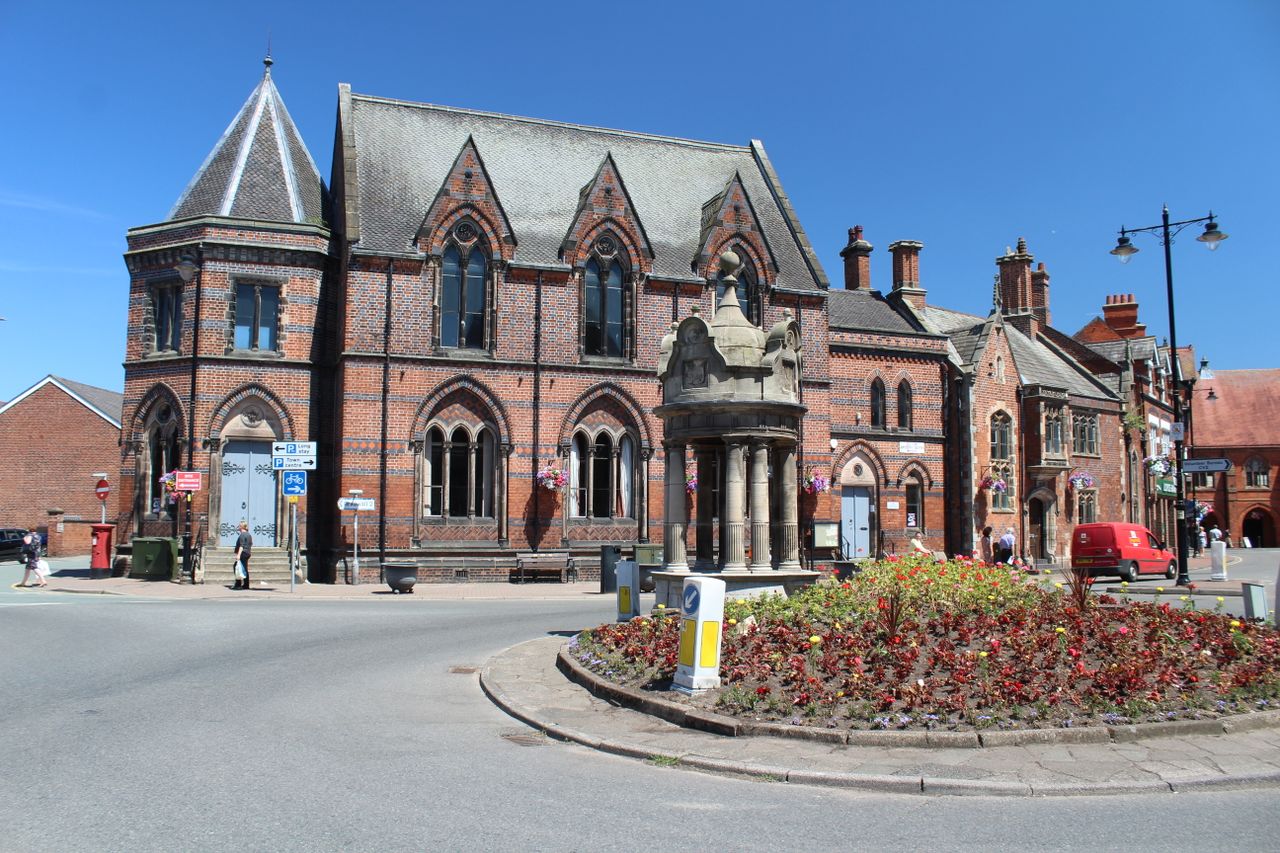
Could Gloucestershire Become a More Attractive Destination by Avoiding a Tourist Tax?
For travellers comparing the cost of a countryside escape, an additional charge on hotel accommodation could influence where they decide to spend their holiday. In England, that possibility is becoming increasingly relevant as the government moves forward with plans to allow regional authorities to introduce an overnight visitor levy.
However, Gloucestershire occupies an unusual position in this developing debate. While neighbouring destinations such as Bristol and Bath are preparing to consider a visitor charge, the county is not currently in a position to introduce the same type of levy under the proposed arrangements.
For some hospitality businesses, this could become a competitive advantage.
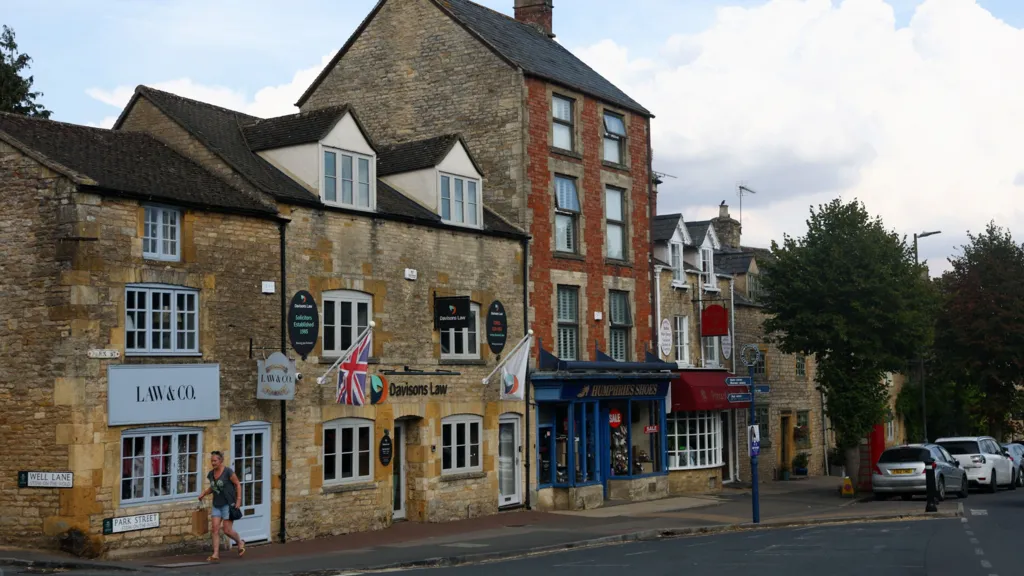
Gloucestershire is home to internationally recognised destinations, including the Cotswolds, the Forest of Dean, Gloucester, Cheltenham, and historic market towns such as Stow-on-the-Wold and Cirencester. These places attract visitors looking for traditional English villages, countryside accommodation, historic attractions, walking routes, festivals, and independent hospitality businesses.
If accommodation in neighbouring destinations becomes more expensive because of an additional visitor levy, some holidaymakers may consider spending their money in Gloucestershire instead.
But the potential advantage comes with a difficult question: if Gloucestershire does not collect a visitor tax, who pays for the public facilities, infrastructure, and services that tourists use?
What Is the UK Government’s Proposed Tourist Tax?
The proposed overnight visitor levy is designed to give eligible regional authorities in England additional funding from commercially let overnight accommodation.
Often described as a tourist tax, visitor levy, or accommodation tax, the charge would apply to people staying in hotels, guesthouses, bed-and-breakfast establishments, hostels, campsites, and other qualifying short-term accommodation.
Unlike an ordinary national tax, the proposed system would allow eligible local and regional authorities to decide whether to introduce a levy in their areas.
The UK Government introduced the Visitor Levy (England) Bill in the House of Commons on 4 November 2026. The legislation is intended to give mayors of strategic authorities and eligible foundation strategic authorities the power to introduce the charge.
The money raised would remain within the relevant local area and could support improvements such as:
- Public transport and visitor infrastructure.
- Public toilets, parks, and public spaces.
- High-street improvements and town-centre regeneration.
- Cultural events, festivals, and attractions.
- Destination marketing and tourism development.
- Improvements to facilities used by residents and visitors.
The government’s stated intention is to help popular destinations manage the costs associated with tourism while giving local leaders more control over investment.
Importantly, the levy is not automatically being imposed across every English town or county. Eligible authorities would have to make local decisions about whether to introduce it.
Why Is Gloucestershire Not Currently Eligible?
Gloucestershire’s position is closely connected to England’s changing system of local government and regional devolution.
Under the proposed arrangements, the power to introduce an overnight visitor levy would be given to particular types of strategic authorities rather than every individual district or county council.
Gloucestershire does not currently have the required strategic authority arrangement that would allow it to introduce the levy under the new framework.
This means the county could initially find itself in a different position from nearby areas that are covered by eligible regional authorities.
Six of Gloucestershire’s seven councils have previously expressed an ambition to establish a strategic authority for the county by May 2027. However, Gloucestershire has not yet secured a devolution deal, and its future governance arrangements remain subject to government decisions.
That distinction matters. The absence of a tourist tax is not necessarily a permanent exemption. If Gloucestershire establishes an eligible strategic authority in the future, the county could eventually have the opportunity to consider introducing a visitor levy.
For now, however, its governance arrangements could leave it outside the first wave of areas able to use the new powers.
Could the Lack of a Tourist Tax Attract More Visitors?
For accommodation businesses, the answer could be yes.
Travellers increasingly compare the total cost of a holiday rather than simply looking at the advertised nightly room rate. Taxes, parking charges, transport costs, meals, and additional accommodation fees can all influence the final decision.
If Bristol or Bath introduces an overnight visitor levy, some travellers may begin comparing those destinations with nearby alternatives.
Gloucestershire could benefit from that comparison.
Consider a visitor planning a three-night break in southwest England. They might initially consider staying in Bath, but after comparing accommodation costs and additional charges, they could choose a hotel or guesthouse in the Cotswolds instead.
The same possibility applies to international visitors who want to explore several destinations during one trip.
The Forest of Dean could also benefit from visitors seeking a quieter countryside experience. Its woodlands, walking trails, outdoor activities, and rural accommodation offer a different holiday experience from the busy streets of major tourist cities.
However, the potential benefit should not be exaggerated. A missing visitor levy is only one factor influencing travel decisions. Accommodation prices, accessibility, attractions, service quality, weather, and the overall holiday experience remain important.
Gloucestershire would need to communicate its value effectively rather than relying entirely on the absence of an additional charge.
Hospitality Businesses Warn of Rising Costs
The tourism industry’s response to the proposed levy has been divided, with many accommodation providers expressing concern about the cumulative financial pressure facing their businesses.
Naomi Hands, director of the Speech House Hotel in the Forest of Dean, has argued that introducing another charge could place further pressure on an industry already struggling with rising operating costs.
Her concern reflects a broader problem facing hotels, pubs, restaurants, and independent accommodation providers.
Businesses have been dealing with higher energy bills, increased employment costs, business rates, wage pressures, food prices, insurance, and maintenance expenses.
For smaller rural businesses, these costs can be particularly difficult to absorb.
Unlike large hotel groups, independent guesthouses and family-run accommodation providers may have limited financial reserves and less negotiating power with suppliers.
Adding a visitor levy could create further complications. Even if guests ultimately pay the charge, accommodation providers may have to explain it, collect it, account for it, and manage the administrative requirements.
Phil Kiernan, who runs the Farmers Boy Inn near the Forest of Dean, has also strongly opposed the proposal, arguing that rural hospitality businesses are already facing substantial financial pressures.
The concern is straightforward: if holidays become more expensive, some customers may shorten their stays, choose cheaper accommodation, or decide not to travel at all.
For a rural business dependent on weekend breaks and seasonal tourism, even a modest reduction in bookings could matter.
The Argument for a Visitor Levy: Tourists Should Help Pay for Tourism
While hospitality businesses are concerned about additional costs, supporters of the visitor levy argue that tourism creates expenses that local communities should not have to carry alone.
Popular destinations must maintain roads, public toilets, parks, public spaces, transport systems, historic attractions, and other facilities that are used by both residents and visitors.
During busy periods, visitor numbers can place additional pressure on waste collection, parking, public transport, and local infrastructure.
Bath provides a useful example of this challenge.
The city attracts millions of visitors each year, many of whom come to experience its Roman heritage, Georgian architecture, thermal spa history, and cultural attractions.
Local leaders have argued that visitors should contribute towards maintaining the public spaces and facilities that make the city attractive.
Helen Godwin, mayor of the West of England, has supported examining a visitor levy as a way to fund local improvements.
The chair of the Local Government Association’s Culture, Tourism and Sport Committee, Julie Jones-Evans, has also argued that a locally designed levy could strengthen tourism businesses and improve the visitor economy.
From this perspective, the tax is not simply a way to collect money from tourists. It is intended to create a funding mechanism that helps destinations maintain the conditions that encourage visitors to return.
The challenge is ensuring that the money is spent effectively and that the benefits are visible to the businesses and visitors contributing to it.
Bristol and Bath Could Take a Different Approach
Gloucestershire’s geographical position makes developments in the neighbouring West of England region particularly important.
The West of England Combined Authority covers Bristol, Bath and North East Somerset, and South Gloucestershire.
Its mayor has indicated support for considering a visitor levy, making it likely that Bristol and Bath will be among the destinations examining the new powers.
For Gloucestershire, this creates the possibility of a different accommodation-cost environment across relatively short distances.
A visitor staying in Bath could eventually face an additional charge, while someone staying in a Gloucestershire village might not.
This could influence the way tourists plan their trips.
Some visitors may choose Gloucestershire as their main accommodation base and travel into neighbouring cities for day trips. Others may divide their holiday between several locations.
However, the effect will depend on the eventual levy rates, the areas covered, exemptions, and how accommodation providers communicate the additional cost.
A visitor tax does not automatically make a destination unattractive. If the money improves transport, public spaces, and visitor facilities, some travellers may consider the additional expense worthwhile.
The real competitive question is whether the quality of the experience justifies the total price.
Why the Cotswolds Could Benefit
The Cotswolds is one of Britain’s best-known rural tourism destinations.
Its honey-coloured stone buildings, traditional villages, rolling countryside, historic churches, independent shops, and country hotels attract domestic and international visitors.
Places such as Bourton-on-the-Water, Bibury, Broadway, Chipping Campden, and Stow-on-the-Wold are particularly popular with people seeking a traditional English countryside experience.
The region’s appeal is not limited to international tourists. It is also an important destination for British residents taking weekend breaks, family holidays, romantic escapes, and walking trips.
Avoiding an additional accommodation charge could help the Cotswolds appeal to price-conscious travellers, particularly families and visitors planning longer stays.
However, the region already faces tourism-related challenges.
Popular villages can experience traffic congestion, limited parking, pressure on public facilities, and overcrowding during peak periods. Housing affordability and the availability of properties for local residents are also important concerns in some rural communities.
If Gloucestershire attracts more visitors because accommodation appears relatively affordable, these pressures could increase.
The county would therefore need to balance its potential competitive advantage with responsible tourism management.
The Forest of Dean: A Rural Alternative to Crowded Tourist Cities
The Forest of Dean offers another opportunity.
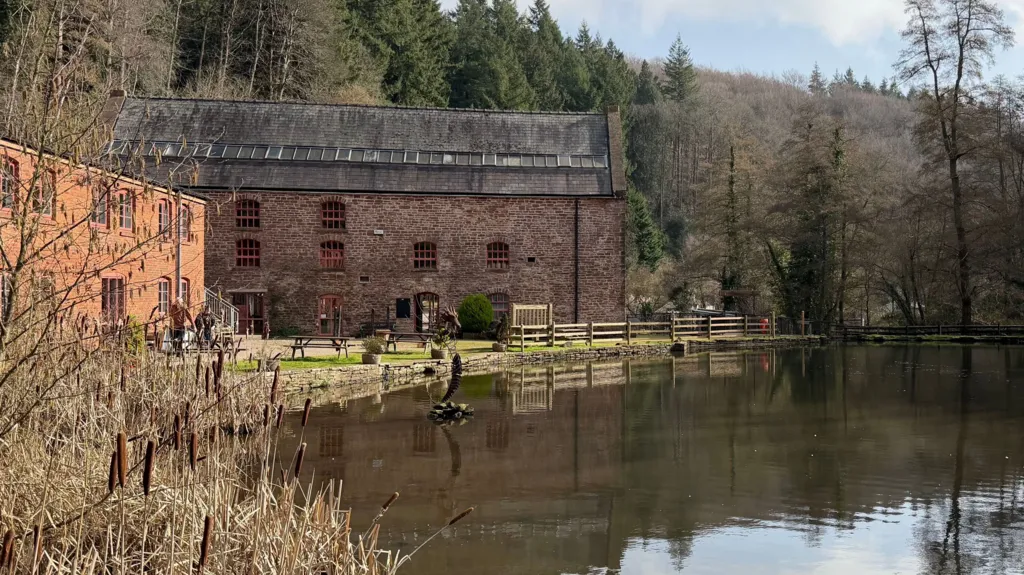
Unlike destinations built around major urban attractions, the Forest of Dean attracts visitors through its natural environment and outdoor experiences.
Its woodland landscapes, walking and cycling routes, wildlife, historic sites, and adventure activities make it attractive to people seeking a slower-paced holiday.
The area also benefits from accommodation ranging from traditional inns and bed-and-breakfast establishments to holiday cottages and rural retreats.
For visitors comparing the cost of a countryside break with a city holiday, the Forest of Dean could become an appealing alternative.
The absence of a visitor levy may strengthen that proposition, particularly for people who want to spend several nights exploring the area.
Nevertheless, rural tourism requires investment too.
Footpaths need maintenance, roads require upkeep, visitor facilities must be managed, and popular outdoor attractions need protection from excessive use.
A growing visitor economy without sufficient reinvestment could eventually undermine the natural environment that makes the destination attractive.
How Much Could a Visitor Levy Cost Holidaymakers?
The government’s proposed system is based on a percentage of the accommodation price rather than a single flat fee.
This is intended to protect people choosing lower-cost accommodation by ensuring they pay proportionately less.
Ten Labour mayors have previously committed to keeping any levy they introduce at no more than 5%, although that political commitment should not be confused with a universal statutory rate for every eligible authority.
The actual amount visitors might pay would depend on the rate selected locally and the cost of their accommodation.
For illustration, consider a hypothetical 5% levy:
| Accommodation cost | Illustrative 5% charge |
|---|---|
| £100 per night | £5 |
| £150 per night | £7.50 |
| £200 per night | £10 |
| £300 per night | £15 |
These figures are examples, not confirmed Gloucestershire or West of England charges.
A family staying for several nights could see the additional cost accumulate, especially if the levy is applied to the full accommodation price.
The government has also proposed limiting the charge to the first 28 consecutive days of a stay. Temporary accommodation, shelters, and refuges are among the categories intended to be protected from the levy.
The final rules and local decisions will determine exactly how the system operates.
What Happens in Other Countries?
Tourist taxes are already common in many international destinations.
Cities such as Paris, Rome, and Brussels charge visitors additional accommodation-related taxes, while other destinations use different systems to manage the costs of tourism.
Venice, for example, has introduced an access fee for certain day visitors on selected dates. This is different from an overnight accommodation levy, but it illustrates how destinations are experimenting with ways to manage visitor numbers and generate revenue.
Amsterdam has also used tourism-related charges as part of a broader approach to managing the impact of visitors.
The international experience shows that tourist taxes are not necessarily incompatible with a successful tourism industry.
However, the effectiveness of these charges depends on how they are designed.
A levy that is proportionate, transparent, and reinvested in destination improvements may be easier for visitors and businesses to accept than one that appears to be an unexplained extra cost.
For Gloucestershire, the lesson is that avoiding a tax could provide a short-term pricing advantage, but sustainable tourism still requires investment.
Could Gloucestershire Lose Out by Not Having a Tourist Tax?
There is another side to the argument.
If neighbouring destinations introduce a visitor levy and use the revenue to improve their public spaces, transport, attractions, and visitor services, they could become more attractive over time.
Gloucestershire might then face a funding disadvantage.
Tourism businesses benefit from well-maintained roads, clean public spaces, accessible attractions, reliable transport, and effective destination marketing. These improvements can increase visitor satisfaction and encourage repeat visits.
Without a dedicated visitor levy, Gloucestershire would need to rely on other funding sources, including existing local government budgets, national grants, private investment, business partnerships, and tourism organisations.
That does not mean a tourist tax is the only solution.
Local authorities could explore voluntary contributions, sponsorship, public-private partnerships, visitor donations, and targeted investment programmes.
The important issue is ensuring that the economic benefits of tourism support the places and communities that make tourism possible.
What Should Gloucestershire Do Next?
Rather than treating the absence of a visitor levy as an automatic advantage, Gloucestershire should consider how to turn its position into a broader tourism strategy.
Several priorities deserve attention.
1. Promote value rather than simply low prices
The county should highlight its countryside, heritage, independent accommodation, food, cultural experiences, and outdoor activities. A competitive price is useful, but a memorable experience encourages repeat visits.
2. Support independent hospitality businesses
Small hotels, pubs, guesthouses, and bed-and-breakfast establishments are essential to Gloucestershire’s visitor economy. Better business support, workforce development, marketing assistance, and improved transport links could strengthen their long-term prospects.
3. Invest in rural infrastructure
Popular destinations need clean public toilets, accessible footpaths, reliable roads, parking facilities, waste management, and visitor information. These services help protect the environment while improving the visitor experience.
4. Manage visitor numbers responsibly
Attracting more tourists should not mean allowing overcrowding to damage local communities. Encouraging visitors to explore lesser-known villages, attractions, and walking routes could distribute economic benefits more evenly.
5. Monitor neighbouring tourism policies
If Bristol and Bath introduce a levy, Gloucestershire should assess whether accommodation bookings, visitor spending, and travel patterns change. Reliable data would help local businesses and policymakers understand whether the absence of a charge is producing a measurable advantage.
6. Prepare for future devolution
Gloucestershire’s local government arrangements could change. If the county eventually becomes eligible to introduce a visitor levy, residents and businesses should have a clear understanding of the costs, benefits, and possible alternatives before any decision is made.
The Bigger Question: Should Tourists Pay More to Visit Britain?
The debate over Gloucestershire reflects a much wider question about the future of British tourism.
The UK has long promoted domestic holidays and international tourism as important contributors to local economies. Yet destinations must also deal with the practical costs of welcoming large numbers of visitors.
The visitor levy is an attempt to address that tension by giving local authorities a new funding option.
Supporters see it as a way to make tourism more sustainable and reduce pressure on local taxpayers. Opponents worry that it could make holidays more expensive, discourage visitors, and create additional administrative responsibilities for hospitality businesses.
Both sides raise legitimate concerns.
A successful tourism industry needs attractive destinations, affordable accommodation, profitable businesses, and well-maintained public facilities. Weakening any one of these elements could affect the entire visitor economy.
Gloucestershire may initially benefit from being outside the areas able to introduce a levy. But that advantage will only last if the county continues to invest in the qualities that make people want to visit.
Conclusion: A Potential Tourism Advantage, but Not a Permanent Solution
Gloucestershire’s lack of a tourist tax could become a useful selling point as neighbouring destinations consider introducing overnight visitor charges.
For independent hotels, guesthouses, pubs, and rural accommodation providers, avoiding another cost could help attract visitors who are increasingly careful about holiday budgets.
The Cotswolds and Forest of Dean may be particularly well positioned to benefit from travellers looking for countryside experiences without additional accommodation charges.
However, the absence of a levy also means Gloucestershire cannot rely on this particular source of funding to maintain tourism infrastructure.
The county must find other ways to support public facilities, protect its landscapes, improve visitor experiences, and ensure local communities benefit from tourism.
Ultimately, the best destination is not necessarily the one with the lowest additional charges. It is the one that offers visitors excellent value while making sure tourism remains sustainable for the people who live and work there.
For Gloucestershire, the opportunity is clear: attract visitors through value, preserve the character of its towns and countryside, and demonstrate that a successful tourism economy does not have to depend on adding another charge to every holiday.
Frequently Asked Questions (FAQs)
1. Why does Gloucestershire not currently have a tourist tax?
Gloucestershire does not currently have the strategic authority arrangements required to introduce the proposed overnight visitor levy under the new English framework. Its future eligibility could change if new regional governance arrangements are established.
2. What is the proposed UK tourist tax?
The proposed visitor levy would allow eligible strategic authorities in England to charge a percentage of the price of commercially let overnight accommodation. The revenue would remain in the local area and could support public spaces, transport, tourism facilities, cultural attractions, and high-street improvements.
3. Could Gloucestershire benefit from not charging tourists an additional tax?
Potentially. Visitors comparing accommodation prices may choose Gloucestershire over destinations where an additional levy applies. However, accommodation prices, transport, attractions, and the overall holiday experience will also influence their decisions.
4. Will Bristol and Bath introduce a tourist tax?
The West of England mayor has expressed support for examining a visitor levy, and Bristol and Bath are likely to be among the destinations considered. However, the introduction of a charge, its rate, and its coverage depend on the relevant legal and local decisions. It should not be treated as an already confirmed charge.
5. When could the tourist tax be introduced in England?
The Visitor Levy (England) Bill was introduced in Parliament on 4 November 2026. The government has previously indicated that the levy could be introduced from March 2028. The actual timing will depend on the legislation, implementation arrangements, and decisions made by eligible regional authorities.

Sources BBC