

In a charming coastal village, bus routes once weaving tourists to scenic shores are being canceled—or drastically reduced—crippling local tourism. While this story might feel isolated, it’s part of a wider narrative: rural and coastal communities across the country are losing essential transportation infrastructure, putting livelihoods and visitor access at risk.
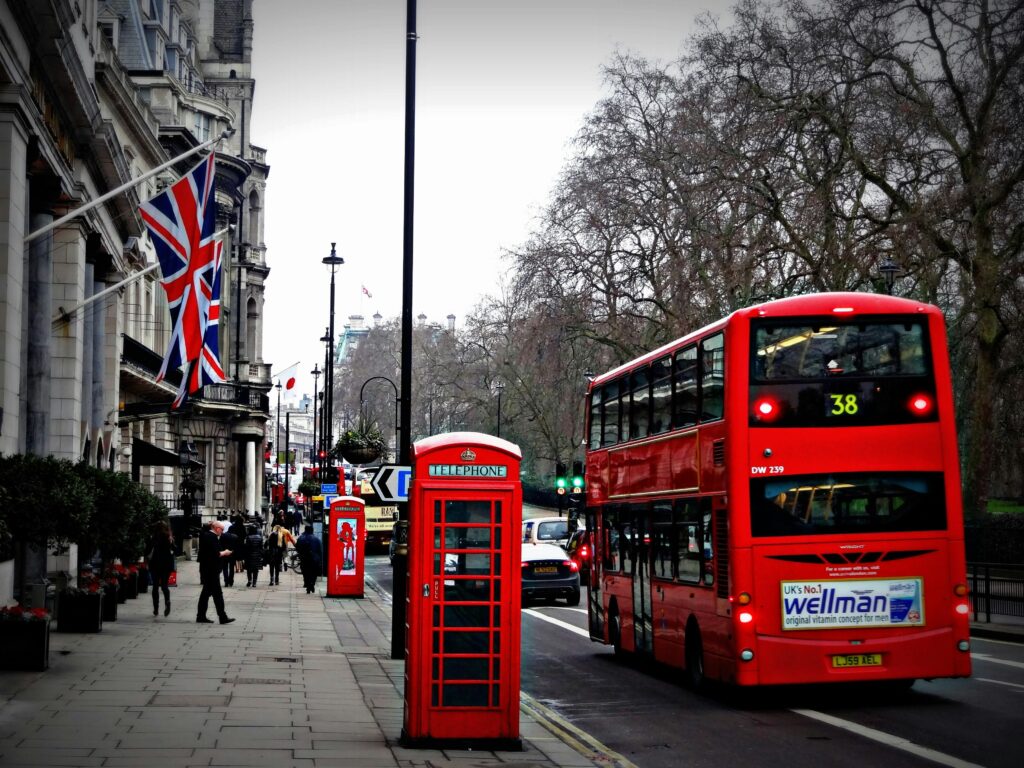
The Local Story: A Coastal Village Losing Its Lifeline
Reduced bus service in this particular coastal village—say, from hourly connections to mere once-a-day service—not only discourages spur-of-the-moment day-trippers but also dissuades longer stays. Visitors without cars are left isolated, local guesthouses see shrinking bookings, and small businesses reliant on foot traffic bear the brunt.
This Is a National Crisis—Not Just a Local Setback
- Widespread Cuts in Rural Bus Services
Between 2019 and 2024, nearly 20% of rural bus routes disappeared. This decline was especially severe outside cities, where funding per person for bus services was about half that given to urban areas. - Economic Fallout
Bus service reductions have shrunk the economy by billions, driven by lost jobs and diminished local economic activity. - Social Inequities Exacerbated
Areas with more deprivation have seen ten times greater reductions in bus mileage than affluent areas—undermining both opportunity and mobility for vulnerable populations.
The Ripple Effect on Coastal Tourism
Losing regular bus access hits tourism—and communities—hard:
- Visitor Numbers Drop
Fewer transport options cause spontaneous visits to vanish and push tourists toward better-connected destinations. - Economic Strain on Micro-Enterprises
B&Bs, cafes, surf schools, and farmer’s markets that rely on walk-in tourist traffic struggle to stay afloat. - Environmental Costs Rise
With fewer public transport options, more visitors drive—adding congestion, parking pressure, and emissions.
Possible Fixes: Public and Community Solutions
- Community-Run Transport
In parts of the UK, locals have revived defunct routes into flexible, weekday services with door-to-door options—serving hundreds of passengers weekly. - Private Sector Partnerships
High-end businesses like Michelin-starred restaurants have funded dedicated bus routes to support staff and visitors in rural settings. - Demand-Responsive Services (DRT)
Pilot schemes using app-booking and shared-ride models have shown promise in covering remote areas more efficiently. - Policy Innovations
Proposed reforms include local franchising, fairer per-capita rural funding, and stronger legislative protections for essential services.
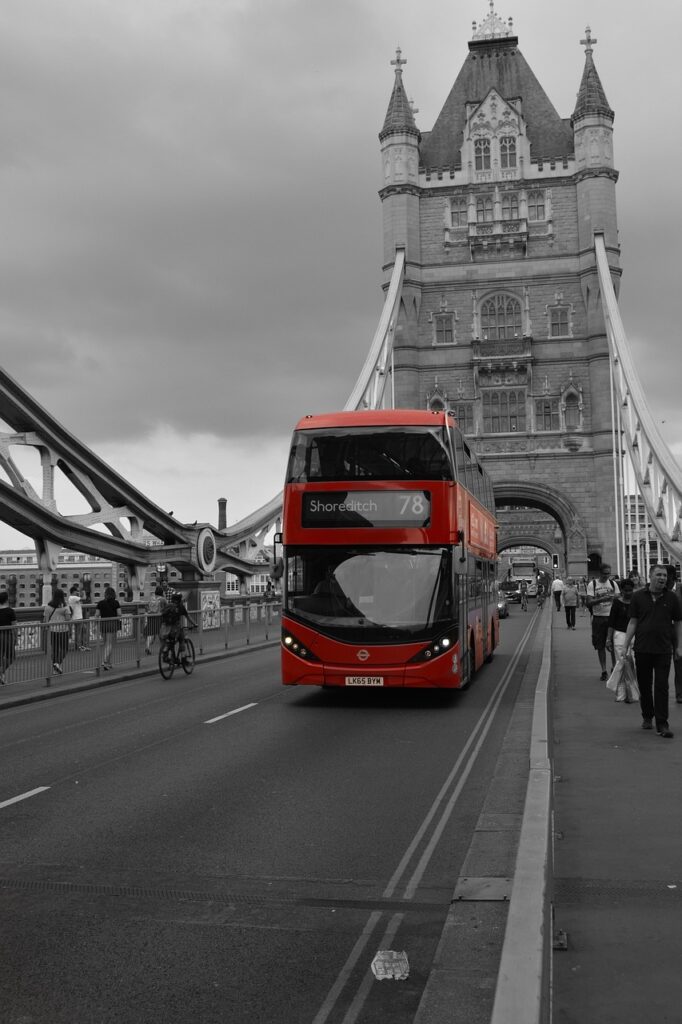
Summary Table: Coastal Tourism vs. Bus Cuts
| Challenge | Local Consequences | Smart Responses |
|---|---|---|
| Loss of bus services | Fewer visitors, reduced spontaneity | Community transport initiatives, business-backed routes |
| Economic decline | Shrinking local economies and job closures | Investment in mobility to boost business activity |
| Social isolation | Reduced access for non-drivers, aging residents | Flexible dial-a-ride systems like DRT models |
| Environmental impact | Increased car dependency and pollution | Green transport options with shared access |
| Policy neglect | Rural areas underfunded and overlooked | Equitable funding and franchising reforms |
Frequently Asked Questions
Q: Why do bus cuts hit coastal villages so hard?
Coastal communities often rely heavily on tourism from non-car-driving visitors. Cuts disrupt access, shifting travel—and revenue—elsewhere.
Q: Are bus cuts just a rural issue?
No, but rural and coastal areas are disproportionately affected due to underfunding, declining routes, and lack of alternatives.
Q: Can local communities fix this?
Yes—community-run services demonstrate that locally-led solutions can work, though they require coordination, funding, and sustainability planning.
Q: What about tech-driven options?
On-demand and app-based services show promise in remote areas, though digital exclusion and scaling need attention.
Q: How can policymakers help?
By ensuring rural areas receive fair bus funding, enabling service franchising at the local level, and supporting innovative models in transport provision.
Q: Why not rely on cars or taxis?
Not everyone can drive or afford alternatives. Plus, car-dependent tourism raises environmental and congestion concerns—public transport supports sustainability.
Final Thought
When bus routes vanish, coastal communities lose more than transit—they lose connection, resilience, and prosperity. But through collaboration, innovation, and equitable policy, villages can reclaim access and tourism can flourish once more.
Sources BBC

