
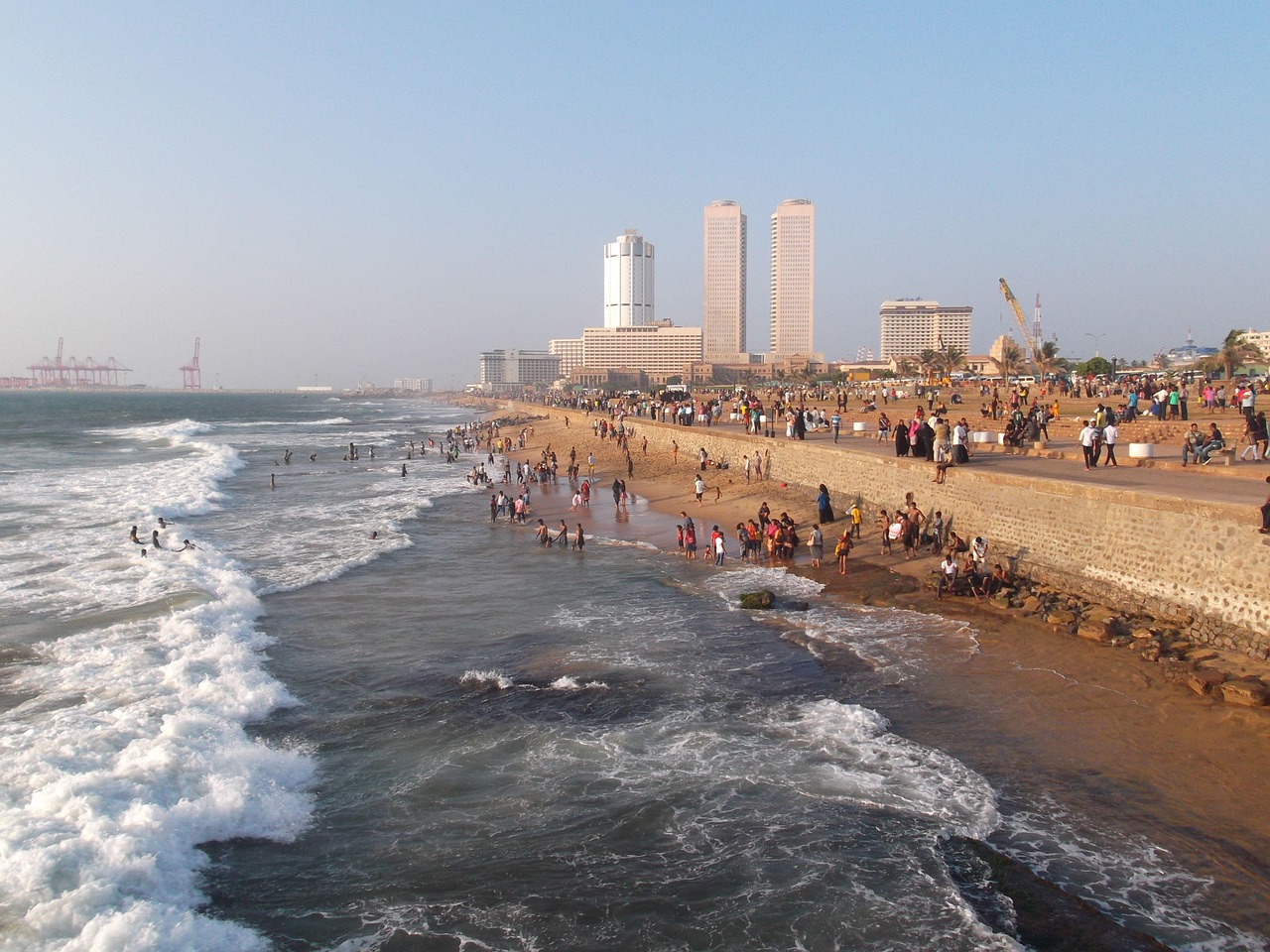
Emerging from an economic crisis, Sri Lanka is making a bold pivot—embracing casino tourism as a strategy to fuel recovery and revive its visitor economy.

A High-Stakes Economic Play
- Introducing City of Dreams
Sri Lanka’s President, Anura Kumara Dissanayake, has launched the first integrated resort in South Asia: a $1.2 billion City of Dreams casino complex in Colombo. Developed in partnership between John Keells Holdings and Macau’s Melco Resorts & Entertainment, this is about more than gambling—it marks a new high-end tourism chapter. - Tourism Chambering Ahead
Last year, tourism accounted for around 4% of GDP. The government aims to grow that to 10%, with arrival targets jumping from 2 million to 3 million this year. The casino is central to plans to elevate annual tourism revenue from $3.7 billion to $5 billion. - Demanding Markets, Real Targets
India and China are key feeder markets, thanks to visa-free entry and limited high-end gaming at home. Indian tourists alone made up nearly 25% of arrivals in 2024; they—and more wealthy Chinese—are now actively courted.
Beyond the Spotlight: Underlying Opportunities and Risks
Regulatory Shifts and Scrutiny
- A new Gambling Regulatory Authority has been created—but its executive control, exclusion of tourism voices, and weak penalties drew criticism from watchdogs.
- The 2025 budget doubled casino entry levies from $50 to $100 and raised turnover taxes from 15% to 18%, signaling the government’s intent to maximize revenue from tourism growth.
An Industry with a Rocky Past
- Sri Lanka’s casino industry is not new—it emerged in the 1970s, faced a ban in the 1980s, and saw a modest revival in the 2000s through “integrated resort complexes.”
- Regulatory ambiguity and inconsistent policy over time hindered growth. Entrepreneurs look to the new complex as a catalyst, but broader reform remains urgent.

Social & Ethical Considerations
- Critics warn of gambling addiction, moral erosion, and cultural tension from normalizing casinos.
- On the other hand, proponents emphasize the potential for job creation, youth employment, and economic stimulus.
Strategic Vision in Infrastructure
- The casino is part of a larger developmental wave, including Sri Lanka’s ambition to establish Port City Colombo and build an urban megapolis. Together, these projects aim to position Colombo as a South Asian leisure and business hub.
Frequently Asked Questions
| Q | A |
|---|---|
| What is City of Dreams? | Sri Lanka’s first integrated resort—combining a casino, luxury hotel, shopping, and conference facilities—opened in Colombo in August 2025. |
| Why emphasize casinos now? | Sri Lanka is targeting tourism as a core driver for its post-crisis economic rebound, aiming to raise arrivals and revenue through luxury tourism. |
| Who are the target visitors? | Upper-income travelers from India and China—thanks to visa-free access and high demand for luxury gaming options. |
| What regulation is in place? | A new Gambling Regulatory Authority has been formed alongside next-level taxes and user fees, though critics question its scope and powers. |
| What are the risks? | Issues include social harms from gambling, regulatory shortcomings, uneven economic benefits, and overdependence on a single tourism segment. |
Final Thought
Sri Lanka’s casino bet isn’t just about gaming—it’s about reinventing its tourism identity and catalyzing economic resurgence. If harnessed thoughtfully, the strategy could usher in jobs, revenue, and infrastructure. But success depends on sound regulation, social safeguards, and diversification.
Sources Reuters

