
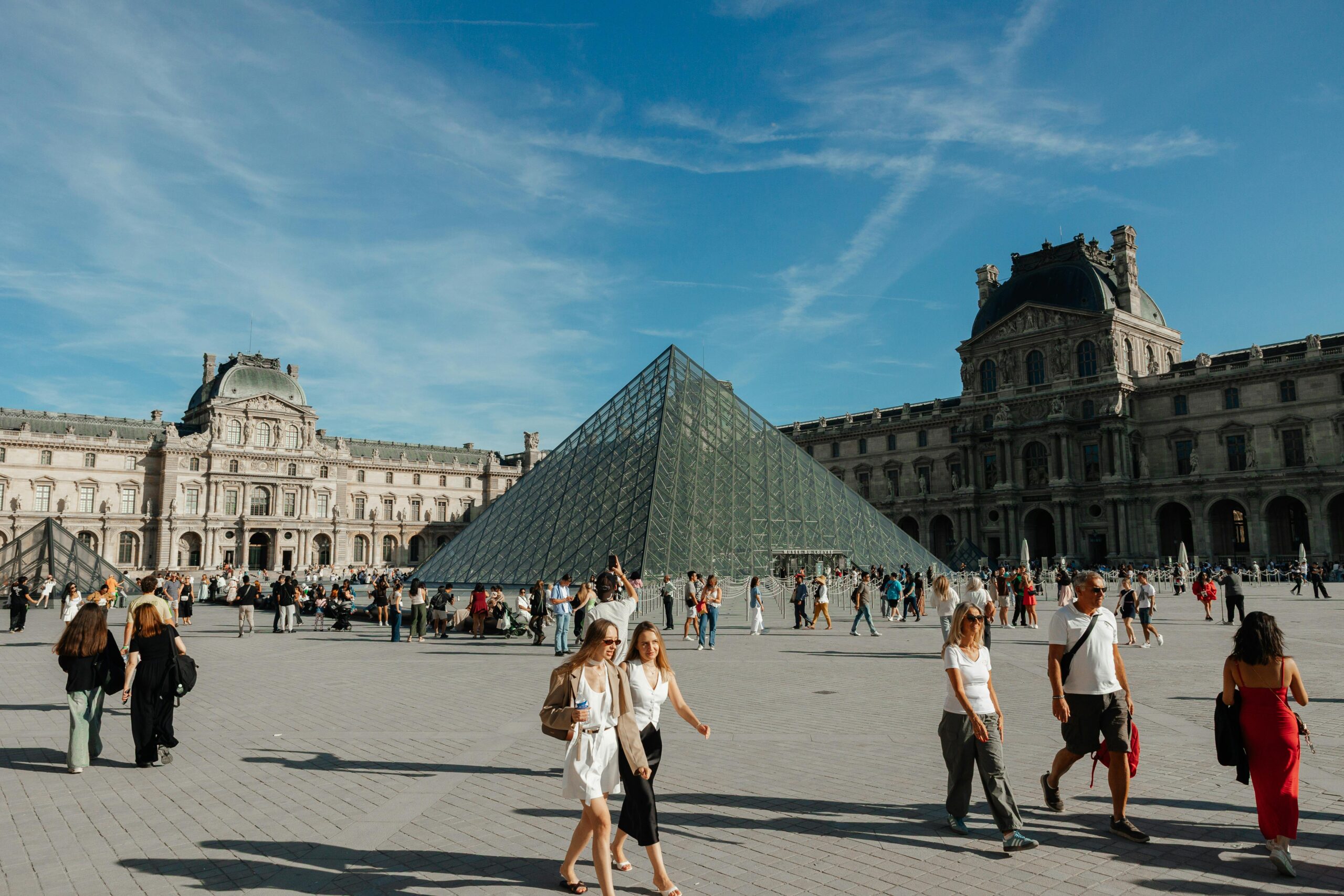
Paris, long celebrated as the global capital of culture, reveals a vibrant, multifaceted identity when seen through the lens of Arabic language, literature, and music. Through the voices of Arab writers, the rhythms of diaspora musicians, and historic ties that stretch centuries deep, Paris comes alive in unexpected ways.
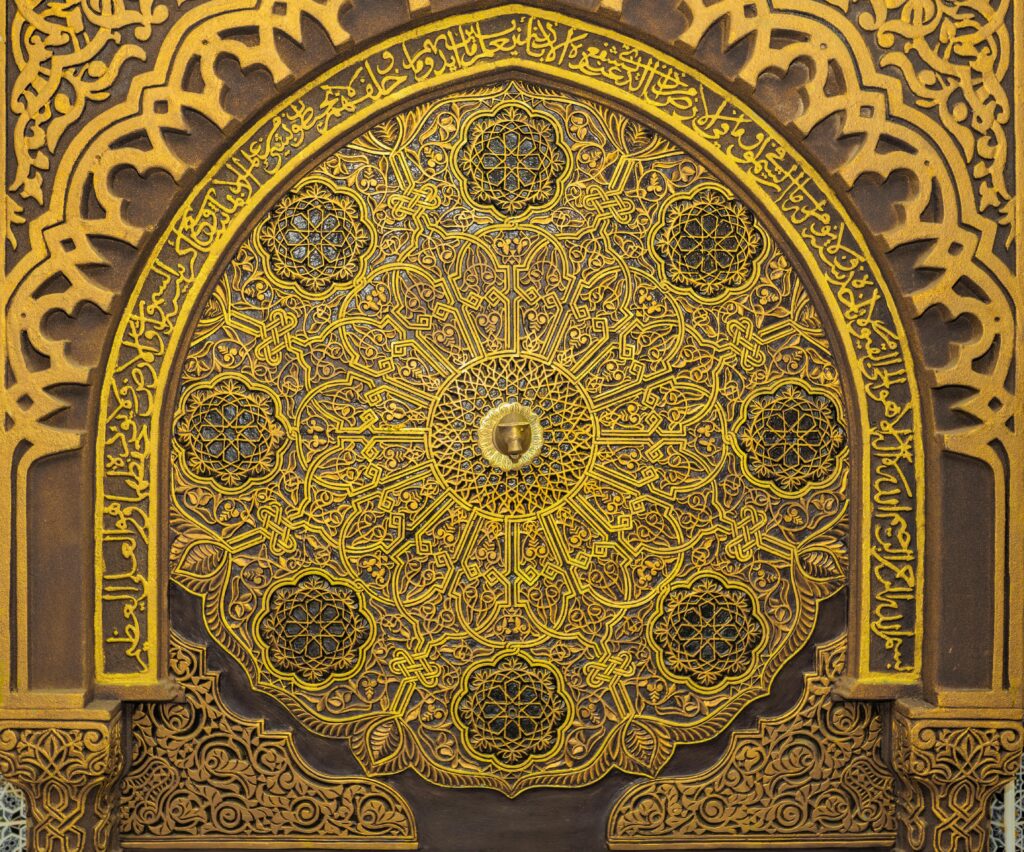
Arabic in Parisian Literature
- “Paris en lettres arabes” — A compelling anthology underscores Paris’s centrality to Arab intellectual and literary life. It profiles influential figures like Rifaa Tahtawi, who championed French arts in 19th-century Egypt; Khalil Gibran and Taha Hussein, who wrote and studied in the city; and early translators of One Thousand and One Nights who influenced French culture.
- A Hub of Ideas and Activism — The city was once considered the “capital of the Orient in the West,” drawing scholars, artists, and political thinkers. Paris hosted formative gatherings for Arab nationalism and became a safe haven—and sometimes site of tragic fallouts—for exiled intellectuals.
Arabic Music as Cultural Dialogue and Protest
- A Sonic Expression of Resistance — Across Parisian clubs and studios, diaspora musicians are blending traditional Arabic motifs with modern genres—not only to entertain but to protest, to connect. Their music stands as cultural affirmation.
- Local Innovators — Artists like Moroccan-born Malika Zarra weave Berber, Arabic, French, and English into evocative jazz and world music. French-Syrian Abed Azrie blends ancient texts in multiple languages with traditional instruments, creating a tapestry of East-West fusion.
Cultural Sites and Community Media
- Institutions & Festivals — Events like Arab Week at UNESCO offer a full immersion into Arab arts—featuring souks, music, workshops, and literature for all ages.
- Literary Platforms — The Adab Festival at Maison de la Poésie showcases contemporary Arabic literature, fostering dialogue between European and Arab writers.
- Media Connections — Radio Orient and Beur FM, both broadcasting in Arabic (and often French), serve Maghrebi communities in Paris, amplifying heritage, news, music, and language, and expanding cultural reach.
Heritage Hidden in the Streets
- Architecture & Legacy — Paris’s Muslim heritage—from the Grande Mosquée and historic cemeteries to galleries and mosques—reflect centuries of Arab presence, scholarship, and spiritual life embedded in the city’s map.
At a Glance: Mapping Arabic Influence in Paris
| Dimension | Highlights |
|---|---|
| Literature | Arab authors writing in Paris; literary exchange and activism |
| Music | A hybrid soundscape—tradition meets protest, fusion/jazz |
| Cultural Venues | Festivals, institutes, performing arts hubs bridging communities |
| Media | Arabic-language radio preserving heritage and dialogue |
| Heritage Sites | Mosques, cultural sites, and neighborhoods rooted in history |
Frequently Asked Questions (FAQs)
Q: How is Paris important in Arabic literary history?
Paris was a cultural and intellectual hub for Arab writers from the 17th century onward—hosting poets, translators, reformers, and political exiles whose work influenced both sides of the Mediterranean.
Q: Are there Arabic music venues in Paris?
Yes. Diaspora musicians innovate through jazz, electronic, and protest music, and venues host concerts that fuse Arabic roots with contemporary sounds.
Q: Where can one experience Arab culture in Paris?
Events like Arab Week at UNESCO, the Adab literature festival, and cultural showcases at Institut du Monde Arabe provide rich access to music, food, literature, and crafts.
Q: How does Arabic media serve Paris?
Stations like Beur FM and Radio Orient broadcast Arabic programs, news, and music—deepening community engagement and cultural connection.
Q: Can I explore Paris’s Arab-Muslim history physically?
Absolutely. Museums, the Grande Mosquée, historical mosques, and heritage exhibitions weave the city’s Arab-Muslim legacy into its architecture and public spaces.
Final Reflection
Rediscovering Paris through Arabic heritage unlocks layered narratives of identity, resistance, and creativity. Music, storytelling, and spaces of memory reshape how we see the city: not just as a Western icon, but as a vibrant tapestry woven from East and West.
Sources The New York Times

