
A Dual Legacy: History and Nature Collide Under the Sea
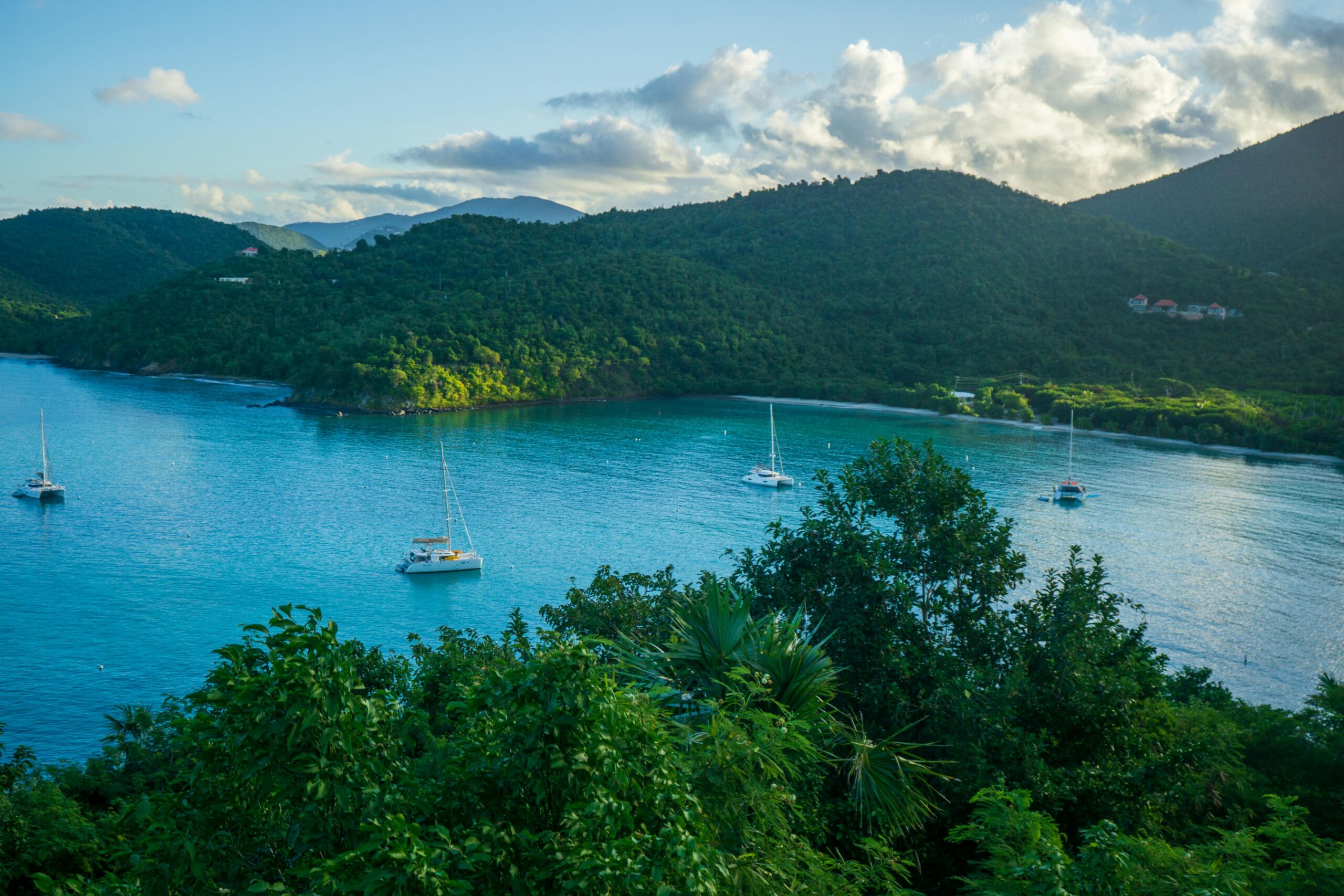
Virgin Islands National Park, a breathtaking tropical preserve covering nearly two-thirds of St. John in the U.S. Virgin Islands, has long been celebrated for its white-sand beaches, lush trails, and poignant sugar plantation ruins. But a deeper secret—vibrant coral reefs flourishing beneath these timeworn historic sites—has now captured attention.
These reefs, nestled below the remnants of colonial-era sugar operations, add a compelling aquatic dimension to the island’s layered narrative—where natural wonder and human history intersect beneath the waves.

The Land Above: Echoes of Sugar’s Golden (and Bitter) Age
The scenic forested slopes of St. John bear the architectural fingerprints of a once-dominant sugar industry:
- Reef Bay Sugar Factory Ruins: Accessible via the lush and challenging Reef Bay Trail, these ruins include a horse mill, cast-iron steam engine, boiling house, bakery, dwellings, and cemetery—testaments to late-19th-century innovation and survival after the abolition of slavery.
- Catherineberg Sugar Mill Ruins: Near Cruz Bay lie the remains of an 18th-century plantation, now featuring a distinctive windmill tower, horse mill, still, and outbuildings. It also served as a key site during the 1733 slave uprising.
- L’Esperance Historic District: A compact site-rich zone with a great house, horsemills, cistern, cemetery, and sturdy stone infrastructure. Its craftsmanship—especially volcanic sandstone masonry—is a rare highlight.
- Cinnamon Bay Plantation: Scattered ruins across this tranquil bay area offer stories of colonial sugar processing alongside accessible beach camping and snorkeling opportunities.
These relics provide a tangible chronicle of European colonization, enslaved labor, technological adaptation, and the island’s evolving identity.
The Waters Below: A Coral Sanctuary Amid Ruins
Beneath these plantation remnants lies a vibrant coral ecosystem. The adjacent Virgin Islands Coral Reef National Monument protects over 12,700 acres of submerged marine habitat—guarding reefs, mangroves, and seagrass beds that thrive off St. John’s coast.
Explorers can snorkel through lush mangrove-lined inlets like Hurricane Hole, which serve as nurseries for juvenile marine life.
However, these reefs face threats too. Bleaching from warming ocean temperatures, disease, hurricane damage, and human activity have all stressed this underwater ecosystem. In response, the National Park Service, along with local and regional partners, has initiated reef restoration, shoreline stabilization, and mangrove regrowth efforts.
Immersive Encounters: Trails, Snorkeling & Storytelling
- Reef Bay Trail: A rewarding yet strenuous trek that winds through tropical rainforest, past Taino petroglyphs, plantation ruins, and culminates at a scenic beach adjacent to the Reef Bay Sugar Factory Ruins.
- Underwater Paths: Located at Trunk Bay, an underwater snorkeling trail allows visitors to admire coral and marine life first-hand, thoughtfully integrated with above-ground ruin exploration.
- Diverse Visitor Experience: From waterfalls and historical markers to birdwatching opportunities, tropical flora, and beach access, the park offers immersive cultural and natural experiences.
Frequently Asked Questions (FAQs)
1. What reefs lie beneath the sugar plantation ruins?
Beneath St. John’s colonial plantations thrive coral reefs—protected under the Virgin Islands Coral Reef National Monument. These submerged ecosystems are rich with coral, mangroves, seagrass, and diverse marine species.
2. What are the most significant plantation ruins to visit?
- Reef Bay Sugar Factory (late 19th century; steam engine)
- Catherineberg Ruins (18th century windmill, rebellion site)
- L’Esperance Historic District (excellent masonry, cistern, great house)
- Cinnamon Bay Plantation (accessible ruins, camping, beach activities)
3. How can I explore these sites?
- Reef Bay Trail: A 4.2-mile round-trip hike through lush forest, petroglyphs, and ruins, ending at a serene bay.
- Snorkel trails, especially at Trunk Bay, reveal underwater life alongside the park’s rich terrestrial history.
4. Are reef and beach ecosystems safe and stable?
While spectacular, reefs have suffered from bleaching, disease, and storm impacts. Parks officials are actively restoring and protecting these systems through conservation programs and public education.
5. What extra activities can I enjoy?
Besides trails and snorkeling, visitors can camp at Cinnamon Bay, kayak, windsurf, dive, bird-watch, and explore Taino heritage sites.
6. When were these protected areas established?
Virgin Islands National Park was founded in 1956, expanded to include submerged lands by 1962, and the Coral Reef National Monument was created in 2001 to protect marine ecosystems.
Final Thoughts
Virgin Islands National Park offers a unique dual dive into the past—on land and under sea. Walking among historic plantation ruins delivers a powerful glimpse of colonial hardship and resilience, while snorkeling through adjacent coral reefs reveals a living tapestry beneath the waves. Whether you hike, swim, or immerse yourself in the park’s layered story, this Caribbean sanctuary offers unforgettable discovery.
Sources World Atlas

