
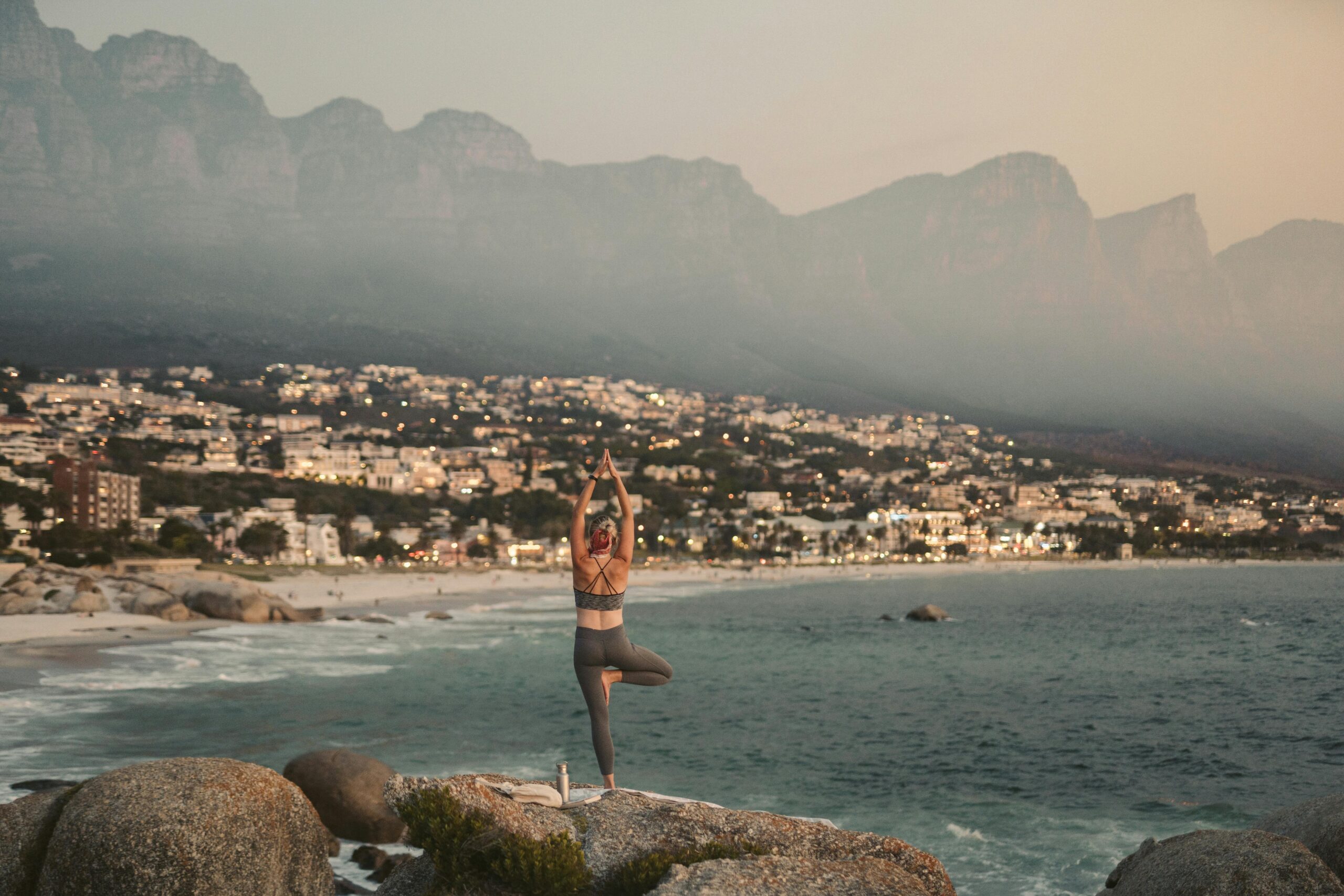
As economic pressures mount, many Americans are swapping bright lights for soft serenity in a new vacation trend known as the calmcation—a getaway designed for restoration, not extravagance.
What Are Calmcations, and Why Are They Taking Off?
- From Maximalism to Minimalism
Tourists are increasingly stepping back from Las Vegas-style indulgence and chasing peace instead. These stress-minimized trips focus on unwinding through nature, mindfulness, and simpler experiences. - Economic Friction Meets Mental Wellness
Rising prices and economic uncertainty are nudging travelers toward cheaper, quieter escapes. Calmcations offer mental reset without breaking the bank—think camping next to a lake or staying in an affordable retreat focused on calm and comfort. - Wellness Travel Is Booming
The wellness tourism economy, valued at $814 billion in 2022, is projected to hit $2.1 trillion by 2030—growing annually at over 12%. North America alone leads the market. - Calmcations Support Sustainable Tourism Values
By promoting slower, nature-based stays, they dovetail with eco-friendly trends and encourage deeper connection to places visited. - Mainstream and Luxury Markets Embrace Calm
Destinations are offering curated serene experiences—from silent forest baths in the Alps to device-free “hermit days” in Maldives hotels. These premium options cater to travelers seeking mindful decompression.
FAQs: What Everyone Wonders About Calmcations
1. What exactly is a ‘calmcation’?
A vacation centered on peace, mindfulness, and simplicity—often involving nature, limited screens, and activities that soothe rather than excite.
2. Why are they trending now?
Economic stress, travel uncertainty, and growing anxiety are pushing travelers toward affordable, restorative options rather than crowded, high-energy vacations.
3. Are calmcations cheaper than typical holidays?
Yes—options like campsites or modest wellness stays often cost far less than traditional resorts or city-centered trips.
4. How big is wellness tourism?
It’s massive—and growing fast. From $814 billion in 2022, it’s expected to more than double by 2030.
5. Can luxury resorts offer real calm?
Absolutely. Several high-end locations are designing tech-free retreats and mindfulness programs to deliver deep relaxation.
6. Are calmcations sustainable?
They can be. Since they usually emphasize local and low-impact experiences, calmcations often align with more mindful travel values.
7. Where can you go for a calmcation?
Anywhere with quiet, calming environments—from mountain camps to boutique retreats. The trend spans budget to luxury destinations globally.
Final Thoughts
Calmcations aren’t just leisurely vacations—they’re emotional balm in uncertain times. They tap into a growing need for wellness, affordability, and intentional disconnect. As we redefine what rest looks like, these gentle retreats might just become the new standard of travel.
Sources Fortune

