

Picture a charming English village, complete with thatched roofs, lazy riverside strolls, and cozy pubs. It’s the kind of place people dream of escaping to. But for many of these villages, the influx of tourists—especially those chasing “Instagram-perfect” scenes—is having the opposite effect, and locals say the litter, disrespect, and overcrowding are turning idyllic into intolerable.
What’s Really Going On
The BBC story focuses on one such village (unnamed in many reports) that’s under serious pressure. Key issues:
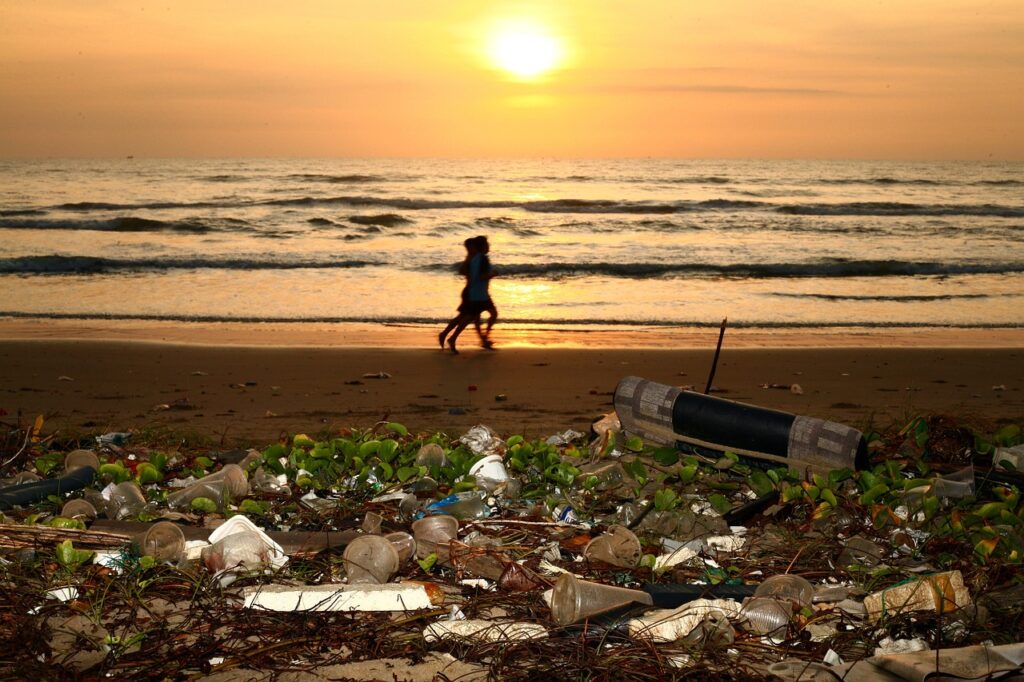
- Litter Overload: Tourist-generated trash—fast food wrappers, plastic bottles, coffee cups, disposable plates—burdens bins that overflow during peak times. Often, resources for cleanup are limited.
- Damage to Public Spaces: Well-worn paths become muddy and eroded. Green spaces and riversides, once peaceful, are trampled. Wildlife and local ecosystems suffer.
- Strain on Infrastructure: Narrow streets clog with parked cars; toilets can’t handle the load; the village’s waste disposal and street cleaning services are stretched thin.
- Resident Frustration: Locals complain of losing peace of mind, of finding their village’s charm eroded. Noise, crowds, disrespectful behavior—all part of the rising tension.
What the BBC May Have Missed — and Broader Trends
To understand this issue fully, we need to look beyond one village. Here are additional angles worth considering:
- Role of Social Media & “Viral Tourism”
Many villages are being promoted on TikTok, Instagram, YouTube, and other platforms. A single photo or reel can send visitor numbers soaring—often without preparation for the influx. People come for the aesthetic, not always the history or culture, and sometimes stay only long enough to take pictures. - Environmental & Wildlife Impact
Beyond just litter, the increased human presence changes wildlife behavior (disturbing habitats), pollutes waterways (runoff), and reduces biodiversity. There’s also the issue of disposal of non-biodegradables and microplastics. - Economic Upsides—but Uneven
Tourism brings money—shops, cafés, B&Bs benefit. But the costs (wear and tear, cleanup, policing, traffic) often fall on local councils or volunteers. Income may be seasonal; many tourism jobs are low-paid and temporary. - Comparisons with Other Villages
It’s not unique. Other villages (in Cotswolds, Cornwall, etc.) report similar issues: coach overloads, parking chaos, day-trippers dominating spaces, housing shifting to holiday lets, pushing up local rents. - Policy & Planning Gaps
Many villages lack long-term tourism management plans. Things like visitor caps, scheduled clean-ups, enforcement of littering fines, better signage, expanded public facilities (toilets, bins), or restricted access for coaches are sometimes explored but not always implemented. - Community-based Solutions
Some villages have formed local groups to tackle litter, have “tourist codes” posted, and engage with local businesses to distribute “leave no trace” messaging. Cooperation between councils, police, transport authorities can help manage parking and coach traffic.
Why It Matters
- Preserving Identity & Quality of Life: Villages are about local character. When that is lost, residents feel alienated and may move away.
- Sustainability of Tourism: If tourists begin to view these places as dirty or overcrowded, visitation may drop—or worse, the bad reputation spreads.
- Environmental Health: Rivers and green spaces are part of what makes these places special. Once damaged, recovery is slow and expensive.
- Economic Resilience: Balanced tourism (that respects places) tends to bring more sustainable economic benefits than peak-season overloads.

FAQs: What People Commonly Ask
1. Why don’t more villages build bigger bins or more toilets?
Often it’s a matter of cost (local council budgets are limited), planning (where to place facilities), and ongoing maintenance. Also, some villages are historic or have listed buildings/landscapes that limit infrastructure changes.
2. Can regulating visitor numbers help?
Yes. Measures such as limiting coach parking, designating “quiet times,” or implementing booking systems for peak periods can reduce strain. But these can be controversial with businesses reliant on visitor spend.
3. What roles can tourists play?
Tons: carry out trash, avoid single-use plastics, follow paths to protect ground cover, treat local places and wildlife with respect, use designated bins—even if walking a little farther helps.
4. Are there successful examples of villages managing tourism well?
Yes. Some places have placed restrictions on coach entrances, set up local volunteer clean-up crews, coordinated with social media influencers to promote respectful behavior, or designated parking outside the village with shuttle services.
5. What about enforcement of littering or parking rules?
This varies. Some councils issue fines, use signage, and deploy wardens or CCTV. But enforcement is often patchy due to limited staff, budget, or political will.
6. Will tourism decline if conditions don’t improve?
Possibly. Word of mouth (including social media) can shift perceptions. Visitors may choose less crowded, cleaner destinations. Over time, villages risk losing their tourism appeal.
7. How can local governments help long-term?
Develop tourism strategy plans; budget for infrastructure (bins, toilets, roads); regulate large-day traffic (coaches and cars); promote off-peak visitation; enforce laws; work with local businesses to promote culture and environment preservation.
Final Thought
Tourist litter isn’t just aesthetic trash—it’s a signal. It shows that the systems supporting these villages are under strain: physically, socially, and environmentally. Without planning, regulation, and community cooperation, the very charm that draws visitors can be lost forever.
The good news? There are tools and examples that work. With thoughtful leadership and respectful visitor behavior, villages can heal—and stay beautiful for generations to come.
Sources BBC

