
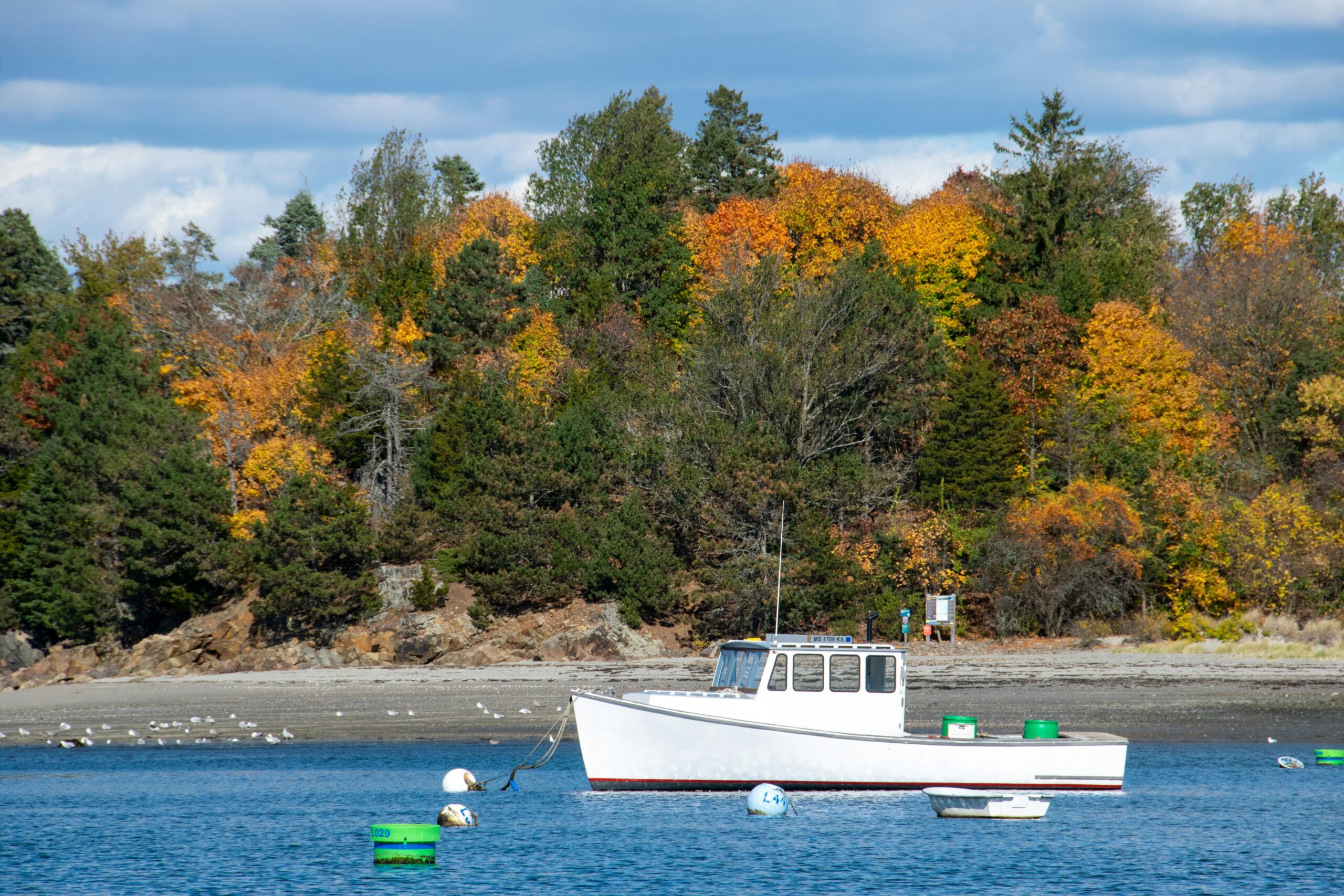
Autumn in New England is legendary—crisp air, blazing leaves, pumpkin-spiced everything, dramatic countryside—and millions of travelers come each fall to experience it. But the real magic lies in planning carefully: knowing where to go, when to go, how to avoid crowds, and what hidden gems lie off the beaten path. Here’s an enhanced guide to help you turn a typical leaf-peeper trip into something extraordinary.

What Makes New England’s Autumn So Special
- Variety of Landscapes: From rocky coasts to mountain forests, from lakesides to colonial towns, the region’s geography means different types of scenery (coastal contrasts, ridges, valleys) all lit up in autumn colors.
- Tree Diversity & Color Palette: Species like sugar maples, birch, oak, beech each shift differently in color—reds, oranges, yellows—depending on elevation, weather, soil. The combination gives range and depth to the foliage show.
- Climate & Timing Window: Weather plays a big role. Cool nights + sunny days = vibrant color. Warm nights or early frost can shift or dull the display. The “leaf season” moves from north to south, and from higher elevations down.
- Cultural & Seasonal Flavors: Farms with apple orchards, harvest festivals, cider mills, cozy inns, historic towns—autumn touches everything, not just the trees.
Best Times & Regions: When and Where to Catch Peak Color
Here’s how timing tends to flow across New England, and some tips to pick the best areas depending on when you travel.
| Region / State | Typical Peak Color Time | Highlights & Considerations |
|---|---|---|
| Northern Maine & the White Mountains (NH) | Late September to early October | Early color, dramatic mountain scenery—good for photography and hiking. But weather can be chillier. |
| Vermont (Green Mountains, Northeast Kingdom) | Early to mid-October | Charming small towns, rolling landscapes, scenic drives like Route 100. Often the “classic autumn visit”. |
| Western Massachusetts (Berkshires) & interior Connecticut | Mid to late October | Later peak; often less crowded. Great if you prefer quieter towns and cozy cultural attractions. |
| Coastal & Southern New England (Rhode Island, coastal Maine, southern Connecticut) | Late October | Color appears later; coastal fog or wind can affect views. But coastal drives + leaf colors are a special mix. |
Rule of thumb: If you plan mid-October, aim for Vermont or New Hampshire; if you’re traveling earlier (end of September), head north or higher elevations.
Hidden Gems & Less Crowded Alternatives
If you want to avoid the busiest tourist crowds and still see amazing autumn scenery, consider:
- Route 169 in Connecticut (Quiet Corner) — winding drives, colonial architecture, forests with early color.
- New Canaan, Connecticut — smaller town feel, beautiful day trips, good blend of nature + culture.
- Lesser-known lakeside towns — for example in Maine or Vermont, where local inns, small harbors, lake reflections add extra magic.
- Interior towns & valleys (not just mountains) — less altitude, but close-by farms, covered bridges, local festivals, quieter roads.
Scenic Drives & Experiences You Don’t Want to Miss
- Kancamagus Highway, New Hampshire — iconic drive with overlooks, curves, waterfalls.
- Route 100, Vermont — pastoral views, classic villages, peaceful fall atmosphere.
- Mohawk Trail, Massachusetts — hills, autumn vistas, plus cultural stops in small towns.
- User-friendly hikes/train/rail views — trails or scenic rail rides (e.g. Green Mountain Railroad in Vermont or Conway Scenic in NH) to see falls without having to drive constantly.
Planning Tips to Make the Most of Autumn in New England
- Watch Foliage Trackers & Forecasts
Use real-time foliage reports from local sources and regional tourism boards. They update timing and intensity. - Book Early (Especially Lodging)
Autumn is peak season in many towns. Inns, B&Bs, cabins fill up fast. Waiting too long can lead to high prices or limited options. - Travel Midweek If Possible
To avoid crowds, travel from Sunday evening through Wednesday, or plan day trips outside of weekends. - Layered Clothing, Flexible Gear
Temperatures vary: cold mornings, warm afternoons. Rain gear, sturdy walking shoes, camera gear are essential. - Driving vs Base-Stays
Decide whether your trip is a road trip (moving every few days) or making a base and doing day drives. Road trips allow chasing peak color; base-stays let you unpack and relax more. - Embrace Local Culture
Attend local harvest fairs, apple orchards, pumpkin patches, farmers’ markets. Try local food specialties. These give the trip depth beyond sightseeing. - Respect Nature & Sustainability
Stay on designated trails, respect private property, avoid parking on roads, minimize litter. Some areas are ecologically sensitive—your care helps preserve leaf-peeping for future years.

What’s Changing / New in 2025-2026 Seasons
- Climate variation is shifting peak times slightly later in some areas. Warmer nights especially can delay peak color.
- Increased popularity of quieter or off-grid spots: folks are seeking towns outside the famous circuits to avoid congestion.
- More options for guided foliage tours or themed travel (photo tours, wellness retreats) that package lodging + local food + scenic drives.
- Infrastructure upgrades: more scenic turnoffs, better signage, rest-areas, sometimes shuttle services for scenic roads.
Frequently Asked Questions (FAQs)
Q1. When exactly is “peak foliage” in New England?
It depends on location. Northern areas (Maine, high-elevation NH/Vermont) tend to peak late September to early October. More southern or coastal regions peak in mid to late October. Each year can vary by a week or more depending on weather.
Q2. How long do the colors last once trees start changing?
Usually, once leaves reach peak color, you’ll have a window of about a week to 10 days before many begin to fall. Lower elevations and warm weather tend to shorten that window.
Q3. Are there good options if I travel outside peak?
Yes. Pre-peak or post-peak still has color, often less intense but quieter and cheaper. Early to mid-September in northern parts, or late October in southern/coastal parts, can still offer beautiful scenery, though with less crowd.
Q4. Which towns combine scenery with culture / food / local flavor best?
Some towns that consistently come up: Woodstock, Vermont; Stowe, Vermont; the White Mountains, NH; Berkshires, MA; Litchfield Hills, CT. These offer good mix of shows, cozy inns, local artisan shops, autumn festivals.
Q5. Is driving necessary, or can you do foliage trips via public transport or tours?
While driving gives flexibility, there are tours, train routes, and some bus/shuttle options. These can be more relaxing and allow you to enjoy views without worrying about parking or navigation. It depends on your travel style.
Q6. What about crowds & costs?
Expect both to rise during peak periods, especially weekends. Costs for lodging, meals, sometimes parking will be higher. Traveling midweek, staying in less prominent locations, and booking early help mitigate costs.
Q7. How is climate change affecting fall foliage?
Warmer temperatures (especially nights), drought, and unusual weather (late summer storms, early frost) all affect the timing, vibrancy, and duration of fall colors. Some regions are noticing shifts, making flexible planning more important.
Q8. What should I pack / prepare for?
- Warm layers (morning chill, layered afternoons)
- Rain gear or waterproof outerwear
- Good walking shoes, boots if hiking or exploring trails
- Camera gear / phone with extra battery/memory
- Binoculars for foliage in hills, views from overlooks
- Local maps / GPS (some roads are remote)
Conclusion
New England’s autumn is undeniably magical—but it’s also fleeting. The best trips combine thoughtful timing, exploring beyond the most famous spots, embracing small towns, and balancing activity with relaxation. Whether you chase peak color on a mountain drive, linger in a lakeside village, or soak up local culture in a cozy inn, autumn in New England rewards those who plan a little, stay curious, and take time to savor the colors.
Sources The Telegraph


Excellent breakdown, I completely agree with the challenges you described. For our projects we started using an AI-driven system called AI link building by OptiLinkAI, and it has simplified the entire process. It’s refreshing to see technology finally making link acquisition smarter, not just faster.