
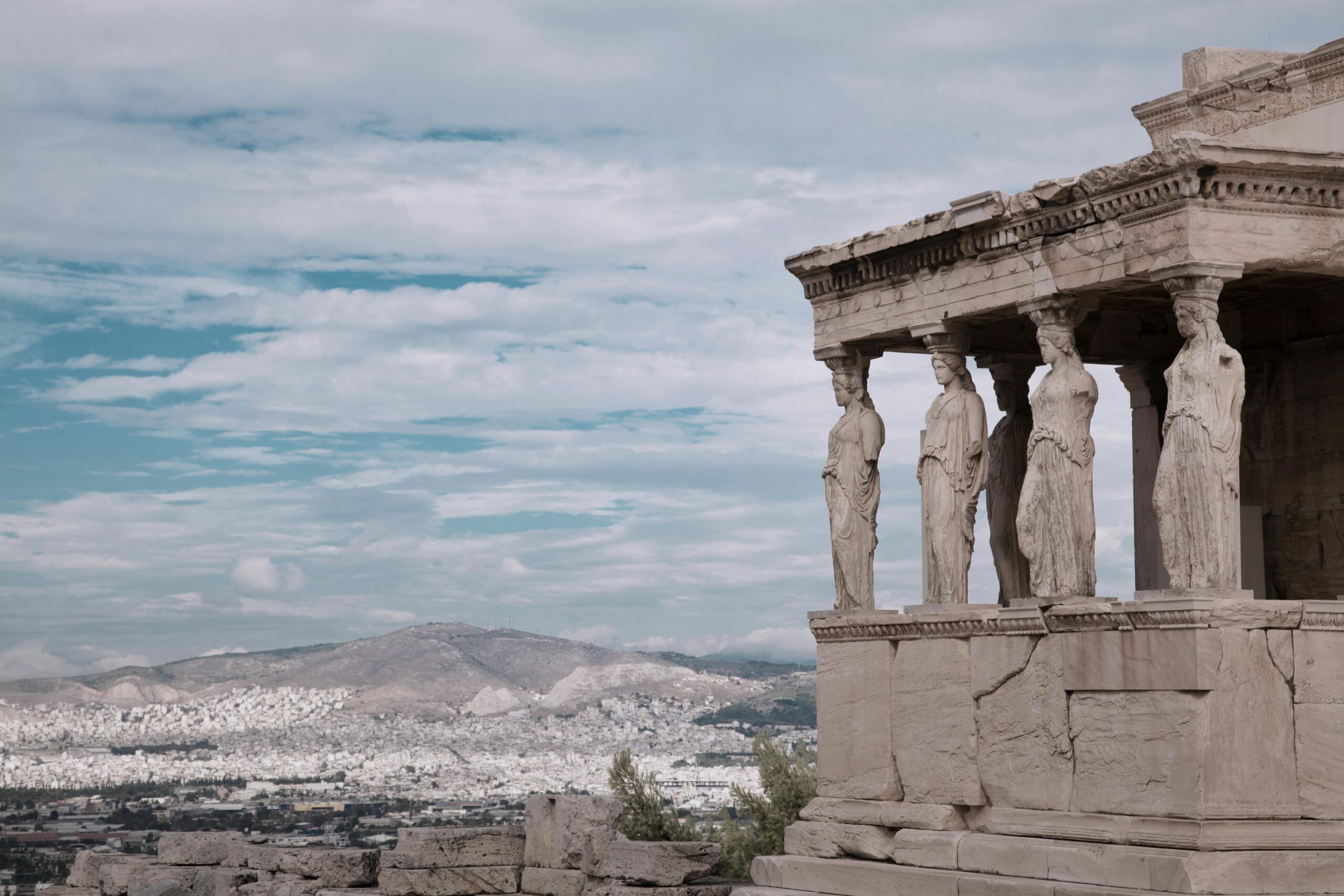
Athens is in a sweet spot right now for travelers. Several converging trends make it both enriching and relatively favorable:
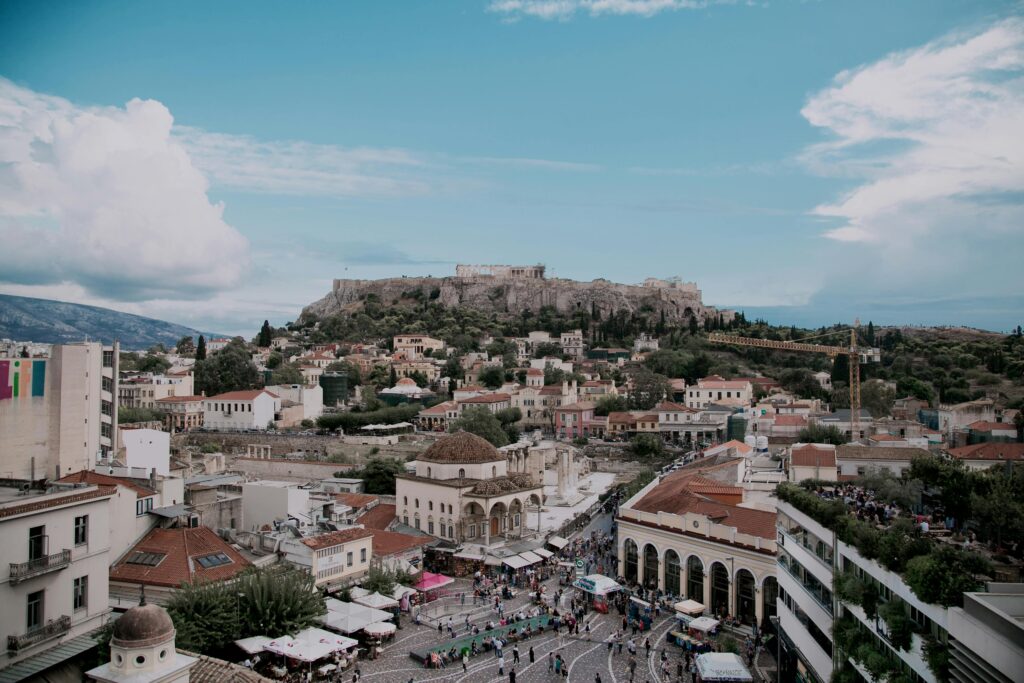
- Booming Interest + Travel Demand
- Recent data shows that interest in visiting Athens has jumped, especially among U.S., UK, Israeli, and European travelers. Google search volume for Athens travel has increased significantly.
- Greece overall is expecting / already experiencing one of its strongest tourism years ever in 2025, with new hotel openings, inbound flight connections, and a governmental focus on boosting travel infrastructure.
- Athens is increasingly being seen not just as a stopover on the way to the islands, but as a destination in its own right—especially for city-break travelers, history lovers, culture seekers, food lovers, and those looking for off-season or shoulder-season advantages.
- Off-Peak Advantages & Better Value
- Outside of high summer (July, August) the heat, crowds, and prices subside. Shoulder seasons (spring and autumn) are more pleasant weather-wise.
- Hotels, tours, restaurants often offer lower rates or special deals as demand softens.
- Lesser crowding at iconic sites like the Acropolis, museums, or hilltops makes exploration more enjoyable and less hurried.
- Expanding Year-Round Appeal
- Athens is working to become more of a year-round destination. New hotels and boutique lodgings are opening (including in restored neoclassical buildings), investments in public transport and cultural programming are increasing.
- New flight routes, especially from international hubs, are making Athens more accessible off-peak.
- Events, festivals, exhibitions are being scheduled outside the traditional summer window, giving travelers more options.
- Cultural and Local Depth
- Beyond the usual Top 10 landmarks, Athens has rich layers: vibrant local neighborhoods (Psyrri, Exarcheia, Kerameikos), authentic markets (Varvakios), street art scenes, neighborhood dining, hidden museums.
- More “off the beaten path” experiences are being promoted—local guides, food tours, art walks, hilltop parks, coastal walks on the Athens Riviera.
- Travelers looking for culture, local flavor, or simply slower, more immersive travel will find Athens especially satisfying now.
What Many Guides Overlook: The Unseen and the Cautionary
To get a fuller sense of what planning a trip now means, here are some rarely discussed but important details:
- Hotel Pressure & Saturation
Even though revenues are up and hotel performance is growing, there is evidence that supply is expanding quickly (new hotel units, more beds) which could put pressure on prices and occupancy. Some hotels are underperforming due in part to oversupply in certain districts. This means choosing your neighborhood carefully is more important than ever. - Short-Term Rental Regulations
Authorities in Athens have begun legislation aimed at regulating rentals: banning windowless basements, freezing licenses in certain neighborhoods, raising safety or ventilation standards. Some areas popular with short-term rentals may become harder to book or may see prices rise as regulation tightens. - Weather Considerations
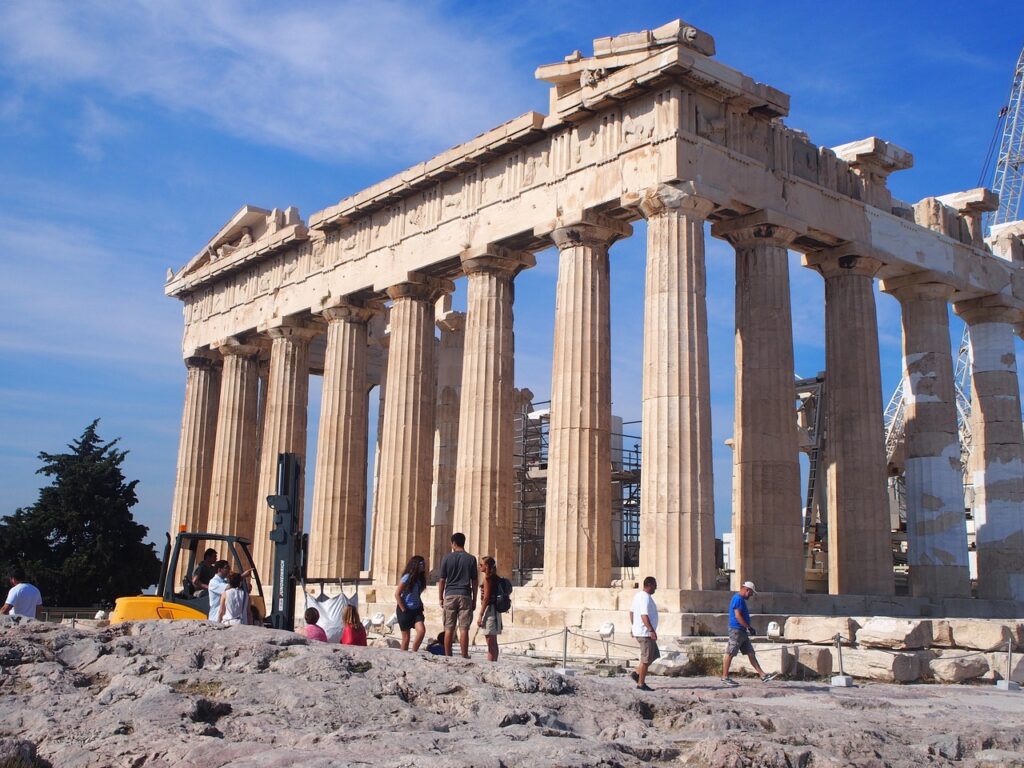
Summer heat in Athens can be intense. Marble surfaces reflect heat, outdoor sites like Acropolis can get brutally hot midday. Planning early mornings, late afternoons, or cooler months is advisable. - Crowd Patterns Vary
While crowds are lighter in shoulder seasons, weekends or holiday periods can still attract a lot of tourists—even off-peak. Some famous vantage points (Lycabettus Hill, rooftop bars with views of the Parthenon) fill up fast at sunset. - Inflation & Cost of Living
Like much of Europe, Greece has had inflation pressures. Dining out, transportation, tourist services may cost more than older guidebooks suggest. Budgeting slightly more cushion is smart.
Hidden Gems & Unique Experiences Worth Considering
If you want to go beyond the usual Acropolis-Parthenon-Old Town circuit, here are some suggestions to make your trip stand out:
- Wander the neighborhoods of Mets, Pagrati, Exarcheia: quieter and more local. Coffee shops, street art, small galleries.
- Visit local markets like Varvakios Central Market or weekly farmer markets (“Laiki”) for fresh produce, local snacks, people-watching.
- Climb or take the funicular to Mount Lycabettus for sunset views.
- Explore alternative museums: the Museum of Cycladic Art, Ilias Lalaounis Jewelry Museum, Frissiras Museum (contemporary/figurative art).
- Check out urban greenspaces: the National Garden, hill parks like Strefi Hill or Elikonas Hill.
- Try a food tour focused on neighborhood dining (not tourist restaurants), or attend cooking classes.
- Take a day trip from Athens: islands like Aegina, nature escapes, or beach clubs along the Athens Riviera.
Tips for Planning Athens Smartly Right Now
- Book accommodations early, especially for popular neighborhoods (Plaka, Kolonaki, Koukaki). Boutique hotels/restored properties can fill fast.
- Consider staying in slightly off-center areas—they tend to offer better value, more authentic experience, and less crowd.
- Choose timing carefully: spring (April-June) and fall (September-October) are generally best for balancing weather, crowd, and cost. Winter is quiet but some services may be limited.
- Prioritize early mornings or late afternoons for outdoor monuments to avoid heat and crowds.
- Keep an eye on local transportation (metro, buses), and whether museums require advance booking.
- Check for local events—festivals, exhibitions, performances—that might enhance your trip or affect hotel / restaurant availability.
FAQs: What People Usually Ask About Athens Now
1. Is Athens expensive right now compared to previous years?
It’s more expensive than a decade ago, especially for hotels and tourist-centric dining. But with the rising supply and off-peak demand, there are still deals to be had, especially if you book smart (off-center, off-peak, local restaurants).
2. When is the best time to visit to avoid crowds and heat?
April-June and September-October are optimal. March/November are quieter but weather can be patchy. Avoid mid-summer mid-day at outdoor sites during July-August heat.
3. How many days should I spend in Athens to see “enough”?
A 3-5 day visit is solid: one or two days for the major historical sites, one for museums and neighborhoods, one for day-trips or local cuisine, another for rest and strolling. More time allows deeper exploration.
4. Is it safe to stay in non-touristy districts?
Generally, yes. Many neighborhoods that used to be avoided are now trendy and much safer. As always, use the same street-smart precautions you would in any big city (watch your belongings, avoid poorly lit areas at night).
5. Do I need to worry about “over-tourism” or my experience being spoiled by crowds?
Parts of Athens do have heavy tourist traffic (major sights, rooftop bars with views of Parthenon, etc.). But compared to peak summer in the islands, it’s still more manageable, especially off-peak. Going early or late in the day helps a lot.
6. Will services like restaurants/museums/hotels be fully operational outside summer?
Many are year-round, especially in central Athens. However, some tourist-oriented businesses in more seasonal areas may scale back. Check ahead for operating hours if traveling in winter or early spring/late fall.
7. How important is Greek language or culture knowledge?
Knowing a few basic Greek phrases is appreciated and can help, though most tourism services speak good English. Being open to local food, customs, local cafés or eateries will enrich the experience.
8. Is Athens good value compared to other European capitals right now?
Yes. With favorable currency exchange (depending on your currency), off-peak pricing, and abundant lodging options, Athens tends to offer good value compared to, say, Paris, Rome, or Barcelona—especially if you avoid peak areas or highly touristy restaurants.
Conclusion
If you’ve been dreaming of Athens, this is one of the best moments to go. The city is alive with history, culture, evolving modern experiences, and more accessible value than in the height of summer. To get the most out of your trip, travel in the shoulder seasons, seek local neighborhoods, balance iconic sites with lesser-known gems, and go with openness to enjoy both the ancient and the contemporary.
Sources Forbes

