
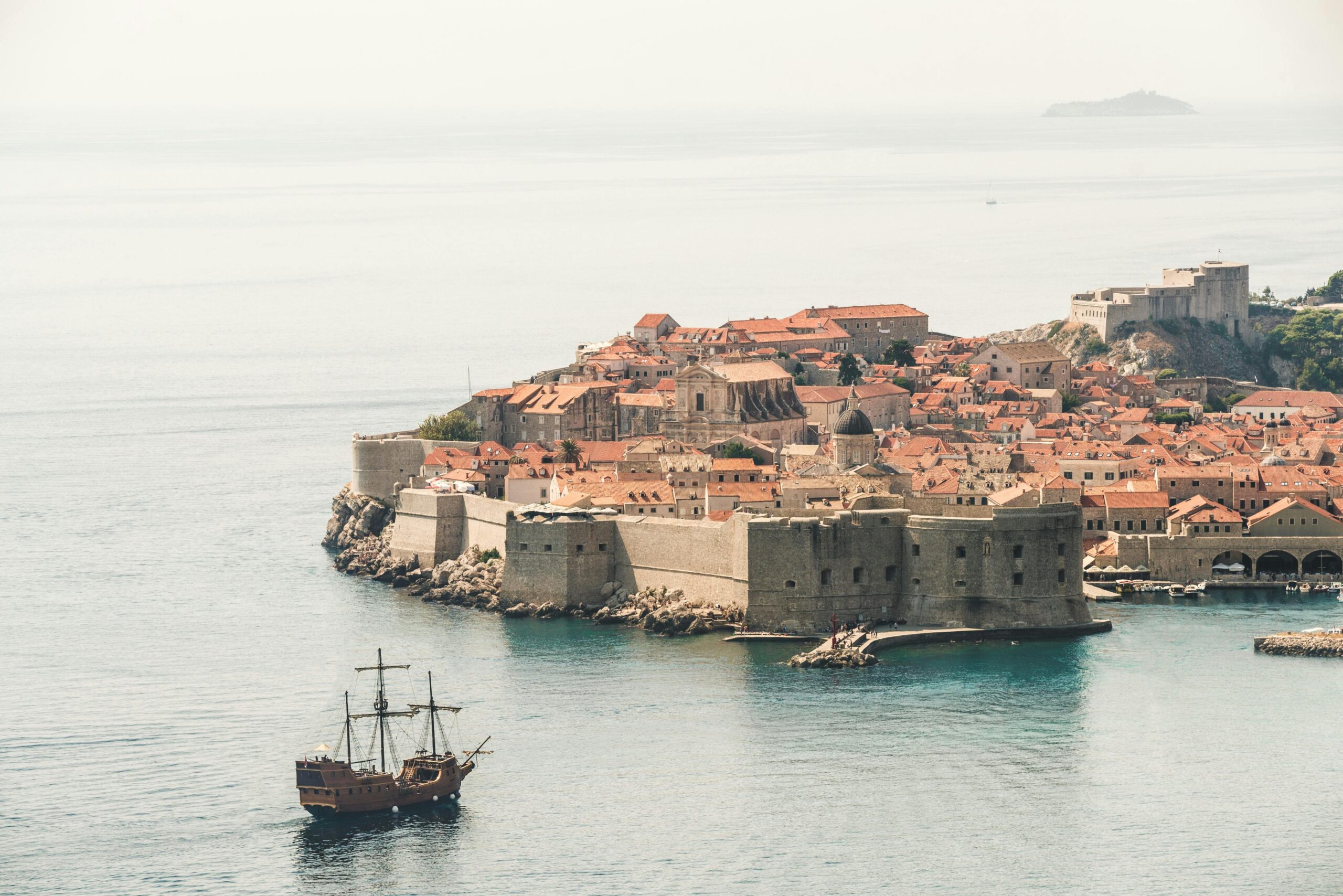
Dubrovnik, Croatia — often called the “Pearl of the Adriatic” — is a beautiful historic city perched on the Adriatic coast, beloved for its medieval walls, Baroque churches, and dramatic sea views. But in recent years it has also become a symbol of overtourism: cruise ships, day-trippers, Instagram crowds, and skyrocketing prices have strained its historic fabric and everyday life.
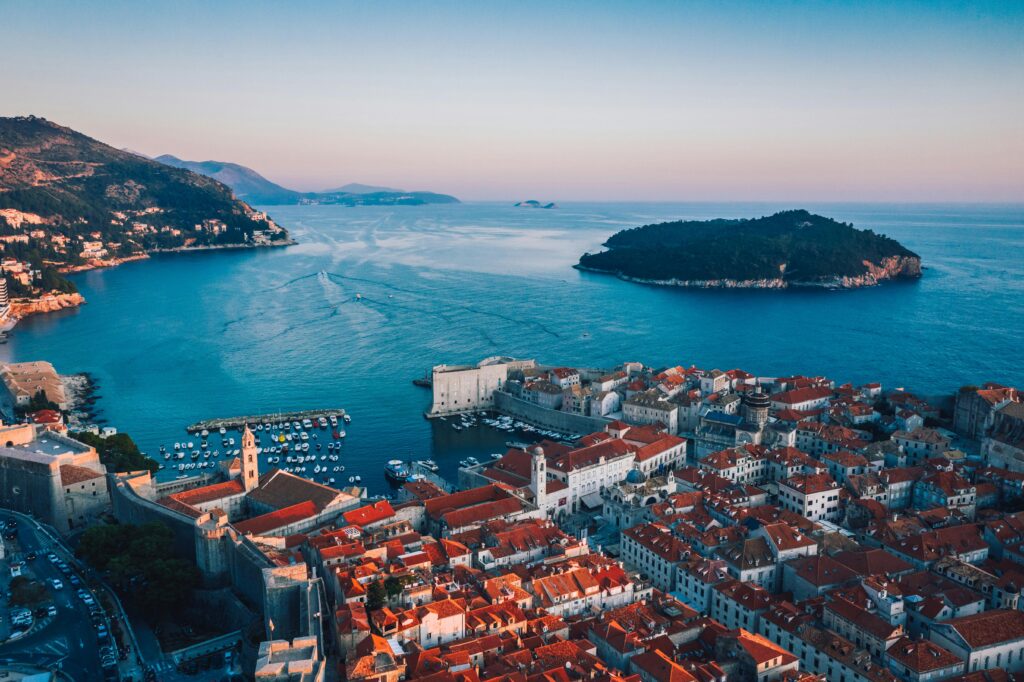
In response, Dubrovnik has embarked on one of the most aggressive tourism management experiments in Europe, trying to shift from being a “Disneyland for tourists” back to a living, functioning city for its residents. Below, we look at what’s being done, what’s working, what’s unresolved, and what it means for visiting and living there.
The Problem: Why Overtourism Hits Dubrovnik Hard
- Extreme tourist-to-resident ratios: At peak times, there are reports of 27 tourists per inhabitant in Dubrovnik — a startling ratio compared to most destinations.
- Cruise ship surges: Cruises deliver thousands of short-visit tourists daily, many disembarking for just a few hours. They congest the Old Town but don’t always contribute much in local spending.
- Short stays & “day trippers”: Many visitors come for only a few hours rather than overnight stays, compressing visitor flows into narrow time windows.
- Housing pressure & depopulation: The Old Town’s resident population has fallen dramatically. Many apartments have been converted into tourist rentals, driving up prices and pushing locals out.
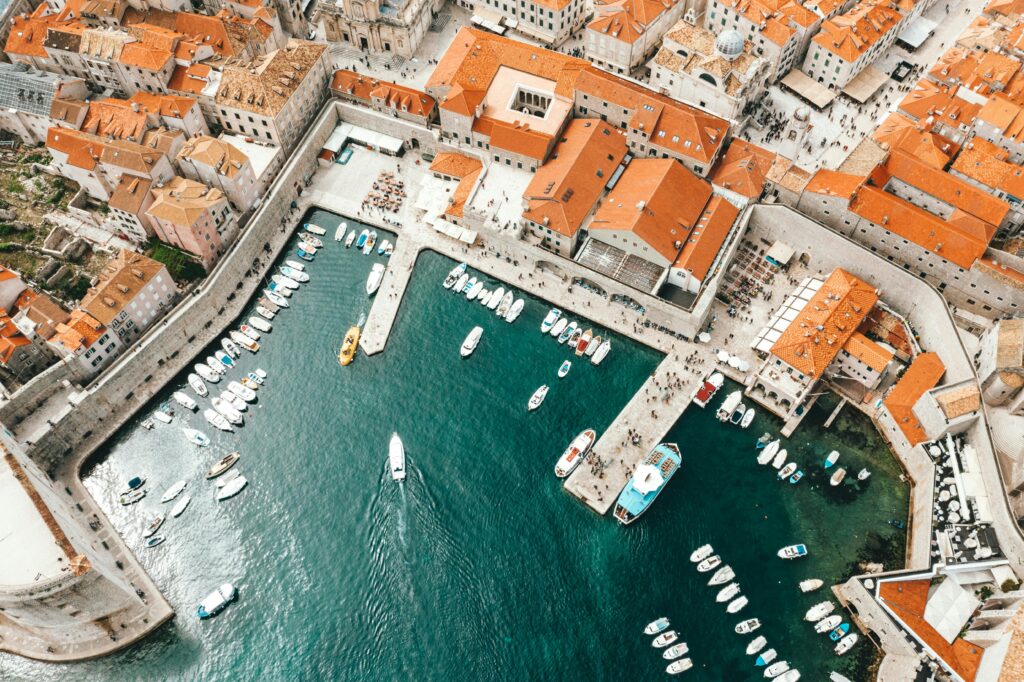
- Infrastructure strain: Narrow alleys, steep steps, old stone streets, limited parking, and public transport all feel the pressure of crowds.
- Heritage risk: The physical structures — walls, monuments, pavements — suffer wear and tear from foot traffic, vibration, and congestion. UNESCO has flagged Dubrovnik as potentially endangered if tourism is not better managed.
What Dubrovnik Is Doing
Respect the City Policy
Launched under Mayor Mato Franković, this initiative frames tourism not as an adversary but as a co-stakeholder with locals, businesses, and government.
Key elements include:
- Reducing the number of café tables, chairs, and souvenir stands in the Old Town.
- Cutting back on outdoor dining encroachments that bottleneck narrow streets.
- Regulating cruise ship arrivals: limiting to two ships per day, requiring longer stays, and staggering arrivals.
- Introducing a cruise passenger tax to support infrastructure upkeep.
- Using cameras and visitor counting systems to monitor crowding.
- Limiting new tourist rental permits in the Old Town.
- Buying up apartments to offer affordable housing for locals.
- Staggered bus slot reservations to control group arrivals.
New Measures
- Advance booking for city walls: From 2026, visitors will need timed reservations to access the walls.
- Dubrovnik Pass: Expanded to include timed entry and encourage structured exploration.
- Wheeled luggage rules: Restrictions on rolling suitcases in the Old Town to reduce noise and pavement damage.
- Rental permit moratorium: No new short-term rental permits in specific zones.
Seasonal and Dispersal Strategies
- Promoting shoulder-season tourism.
- Encouraging tours beyond the Old Town, into neighborhoods, islands, and natural areas.
- Marketing longer stays instead of day trips.
Technology & Governance
- Visitor counting apps and queue management systems.
- Partnerships with local businesses and cultural bodies.
- Continuous monitoring of tourist flows and resident sentiment.
What Was Missing in Earlier Coverage
- Detailed discussion of housing reforms and the ban on new short-term rentals.
- Plans to reclaim public housing for locals.
- Resident activism and tensions between businesses reliant on tourism and citizens seeking quality of life.
- The economic balancing act between restricting volume and preserving revenue.
- Concerns about enforcement costs and possible displacement of tourists into other neighborhoods.
Challenges Ahead
- Visitor resistance if controls feel too restrictive.
- Costs of enforcement and whether revenues cover them.
- Impact on small vendors reliant on spontaneous foot traffic.
- Potential black-market rentals as regulations tighten.
- Balancing access and heritage without making Dubrovnik feel closed-off.
- Political will — changes in leadership could shift priorities.
What It Means for Visitors
- Be ready to book in advance for key sites like the city walls.
- Consider the Dubrovnik Pass for easier access.
- Visit off-season and explore beyond the Old Town.
- Respect local rules, from luggage restrictions to noise guidelines.
Frequently Asked Questions
| Question | Answer |
|---|---|
| Why is Dubrovnik so affected by overtourism? | Its compact size, UNESCO heritage status, cruise access, and global fame make it vulnerable to intense visitor flows. |
| How many tourists per resident? | At peak, estimates suggest around 27 tourists per inhabitant. |
| What limits are in place for cruise ships? | Only two cruise ships may dock per day, with longer stays required to reduce congestion. |
| Do I need to book the city walls? | Starting in 2026, yes — advance timed reservations will be required. |
| Are tourist taxes in place? | Yes. Dubrovnik charges fees for cruise passengers and promotes pay-for-access passes like the Dubrovnik Pass. |
| What about housing for locals? | The city has restricted new rental permits, is buying back apartments, and converting some for community use. |
| Are wheeled suitcases banned? | Yes, restrictions are in place to limit noise and pavement damage. |
| Is tourism declining overall? | Not in numbers — but the city is shaping visitor flows toward longer, more sustainable stays. |
| Can the new policies backfire? | They could, if they cut into small-business revenue or make Dubrovnik seem unwelcoming. |
| What’s the long-term goal? | To balance economic benefit with livability, preserving Dubrovnik as both a heritage site and a functioning city. |
Conclusion
Dubrovnik’s overtourism fight is one of the boldest in Europe. By restricting numbers, reclaiming housing, and managing flows, the city is attempting to reclaim its identity as more than a tourist playground.
For visitors, this means adapting to new rules and planning ahead. For locals, it offers hope that life behind the walls can remain authentic, sustainable, and livable.
Sources BBC

