
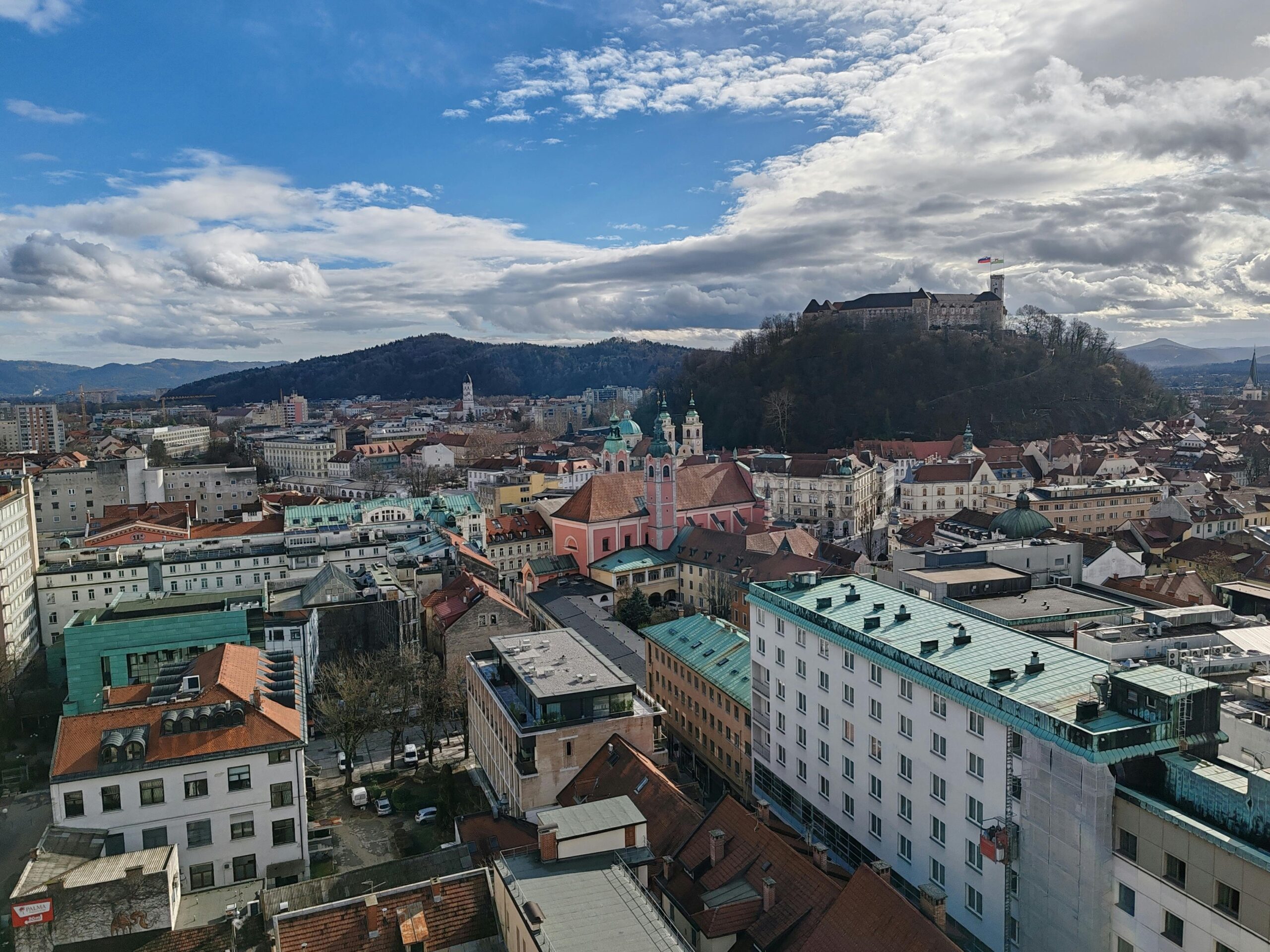
A Model for Urban Tourism
In September 2025, Ljubljana, Slovenia was recognized as the world’s most sustainable tourist destination, cementing its reputation as a pioneer in eco-friendly urban tourism. Once overshadowed by larger European capitals, Ljubljana has transformed itself into a global benchmark for sustainability, balancing vibrant tourism with quality of life for residents.
The Road to Sustainability
Ljubljana’s transformation has taken over two decades, with several bold and often controversial measures:
- Car-free Old Town
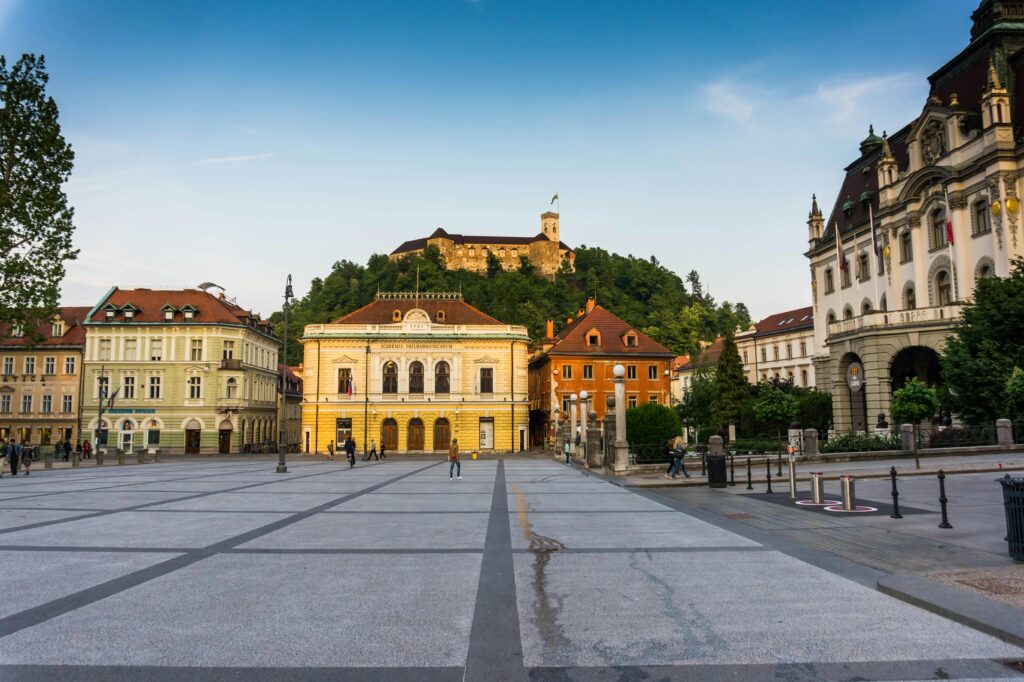
- Since 2007, the historic city center has been closed to private cars. Instead, visitors and residents rely on bicycles, electric taxis, and pedestrian-friendly boulevards.
- Green Mobility
- Over 300 km of cycling paths and free-to-use electric “Kavalir” shuttles encourage clean transport.
- The city promotes rail and bus connections to reduce short-haul flights.
- Waste Management Leadership
- Ljubljana was the first EU capital to adopt a zero-waste strategy, recycling more than 68% of municipal waste — one of the highest rates in Europe.
- Urban Greening
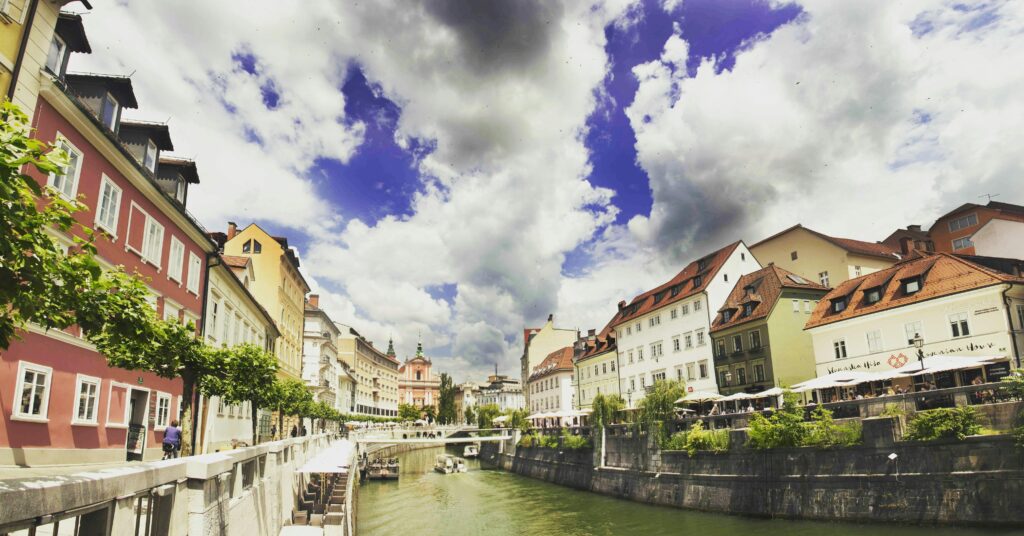
- New parks, tree-planting initiatives, and restored riverbanks have made the city livelier and more climate resilient.
- Cultural Heritage and Local Economy
- The city emphasizes locally sourced food and wine, farmer’s markets, and traditional crafts, ensuring that tourism revenue benefits local producers rather than multinationals.
Why Ljubljana Stands Out
Many cities claim to be “green,” but Ljubljana’s approach integrates environmental, social, and economic sustainability:
- Residents first: Initiatives prioritize livability, not just tourist experience.
- Tourism dispersal: Campaigns encourage visitors to explore Slovenia’s countryside, reducing pressure on the capital.
- Education and awareness: Sustainability is embedded into festivals, school curricula, and even tourist experiences.
What Other Coverage Missed
- Digital Innovation: Ljubljana uses smart sensors to monitor waste, air quality, and foot traffic, adjusting policies in real time.
- Energy Transition: The city has heavily invested in solar power, district heating, and energy-efficient building retrofits.
- Overtourism Prevention: Unlike cities such as Venice or Barcelona, Ljubljana acts before overtourism spirals out of control, keeping daily visitor numbers manageable.
- Global Partnerships: The city collaborates with the UN World Tourism Organization and other “green capitals” to share best practices.
Challenges Ahead
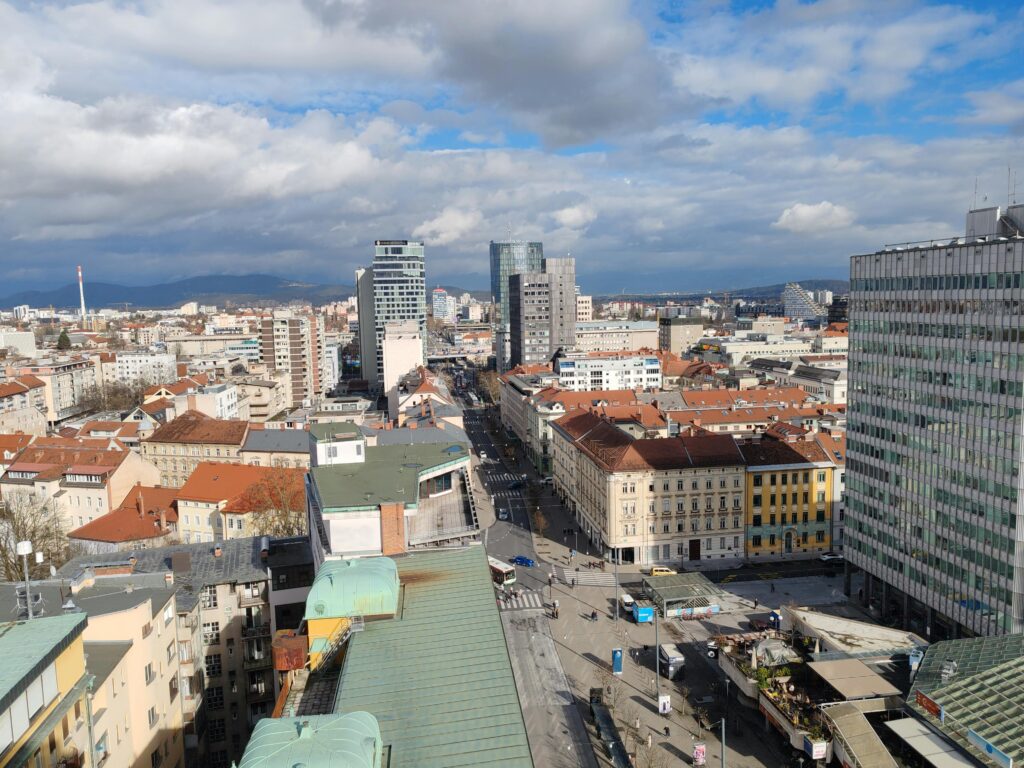
- Balancing growth: Visitor numbers are climbing, and the city must maintain limits to avoid overcrowding.
- Housing pressure: Short-term rentals like Airbnb are beginning to affect affordability for locals.
- Climate change: Hotter summers and water shortages may threaten sustainability progress.
Frequently Asked Questions
| Question | Answer |
|---|---|
| Why was Ljubljana named the world’s most sustainable destination? | Because of its holistic approach: car-free center, zero-waste strategy, renewable energy, and policies that balance tourism with resident quality of life. |
| Is the Old Town really car-free? | Yes. Only pedestrians, cyclists, emergency vehicles, and small electric taxis (Kavalirs) are allowed. |
| How does the city handle waste? | Ljubljana recycles about 68% of its waste, leading Europe, and is working toward a full zero-waste model. |
| What makes Ljubljana different from Venice or Barcelona? | It implemented strict sustainability measures early, preventing the mass-tourism crises other cities now face. |
| Is Ljubljana expensive to visit? | No. Compared to other European capitals, it remains relatively affordable, especially for accommodation and food. |
| How does tourism help locals? | The city promotes local farms, crafts, and businesses, ensuring tourist money circulates within the community. |
| What about public transport? | The city prioritizes buses, cycling, and walking, with strong regional train connections. |
| Is it suitable for eco-conscious travelers? | Absolutely. Visitors can enjoy eco-hotels, farm-to-table dining, and outdoor experiences with minimal carbon footprint. |
| What role does technology play? | Smart-city solutions help track tourist flows, waste, and energy use to adjust policies dynamically. |
| Can other cities copy Ljubljana’s model? | Yes, though it requires long-term political commitment, citizen buy-in, and significant infrastructure investment. |
Conclusion
Ljubljana’s recognition as the world’s most sustainable tourist destination is no accident. Through bold planning, citizen engagement, and long-term vision, it has shown how cities can thrive as tourist hotspots without sacrificing livability or the environment.
For travelers, it offers not only beauty and culture but also a glimpse of how the future of tourism might — and should — look.
Sources Euro News

