
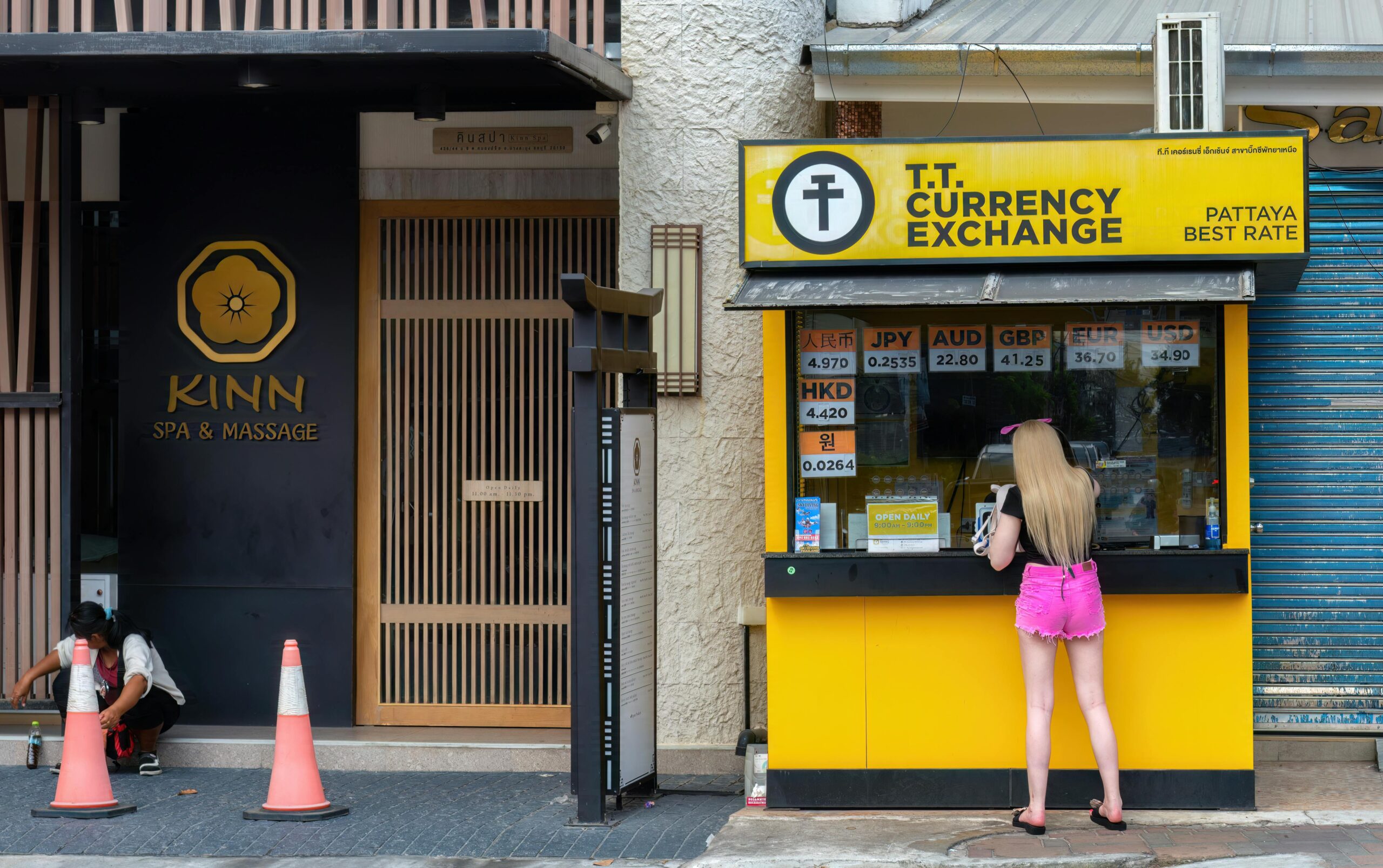
Thailand, Southeast Asia’s second-largest economy, is entering a precarious phase. After a sluggish recovery from the pandemic, the nation now faces fresh economic headwinds: weakening exports, slowing tourism, high household debt, and U.S. trade tariffs. Officials warn growth is “nearing zero,” prompting the government to prepare urgent stimulus measures.

Weakening Growth Outlook
- GDP forecasts: The state planning agency projects growth of only 1.8% to 2.3% in 2025, down from 2.5% in 2024 — already lagging regional peers.
- Quarterly slowdown: The Finance Ministry expects just 1.7% growth in Q3 and 0.3% in Q4, signaling a sharp deceleration.
- Industrial slump: Thailand’s Manufacturing Production Index (MPI) fell 4.2% year-on-year in August, worse than expected, reflecting declines in cars and electronics.
Why the Economy Is Struggling
1. Exports Under Pressure
- U.S. tariffs on Thai goods — currently 19% — have slowed shipments to one of Thailand’s largest markets.
- Export growth in August was just 5.8%, the weakest in nearly a year.
- Auto production, a key sector, shrank 6.1%, hurting industrial sentiment.
2. Tourism Decline
- Visitor numbers fell sharply, especially from China and Europe.
- A strong baht makes Thailand more expensive compared to regional competitors like Vietnam and Malaysia.
- Slower global growth and geopolitical tensions have also weighed on arrivals.
3. Household Debt Crisis
- Thailand’s household debt is among the highest in Asia, exceeding 90% of GDP.
- High interest rates and weak wage growth have curtailed consumer spending, dragging on domestic demand.
4. Currency & Trade Balance
- The country posted a $1.5 billion current account deficit in August, reflecting weaker export earnings.
- A stronger baht, while stabilizing inflation, hurts export competitiveness and tourism appeal.
Government’s Response
Co-Payment Scheme
- A fiscal stimulus package offering shared government subsidies for consumer spending will be proposed to Cabinet.
- This is part of Prime Minister Paetongtarn Shinawatra’s pledge to revive growth.
Trade Diversification
- Thailand aims to expand exports to Japan, Singapore, South Asia, and the Middle East.
- Free trade agreement negotiations with the EU and South Korea are being accelerated.
- Officials are also pursuing a reciprocal tax deal with the U.S. to ease tariff impacts.
Monetary Policy
- The Bank of Thailand has kept rates relatively high to curb inflation, but pressure is building for easing to support growth.
Broader Implications
- Regional competition: Thailand risks losing market share in manufacturing and tourism to neighbors with lower costs and friendlier trade conditions.
- Investor confidence: Sustained slow growth could deter foreign investment, particularly in automotive and electronics.
- Social stability: Weak wages and rising debt burdens increase pressure on households, potentially fueling political discontent.
Frequently Asked Questions
| Question | Answer |
|---|---|
| Why is Thailand’s economy slowing down? | Falling exports, weaker tourism, high household debt, and global trade tensions are the main drivers. |
| How badly has tourism been affected? | Tourist arrivals are down significantly, particularly from China and Europe, worsened by a strong baht. |
| What’s happening with exports? | Growth slowed to its weakest pace in a year, with autos and electronics hit hardest by U.S. tariffs. |
| What is the co-payment scheme? | A government program that subsidizes part of consumer purchases to encourage spending. |
| Is Thailand facing a recession? | Growth remains positive, but risks are rising, especially if Q4 stagnates or contracts. |
| Why is household debt such a big issue? | At over 90% of GDP, it constrains consumer demand, as families devote income to repayments. |
| How are U.S. tariffs impacting Thailand? | They reduce competitiveness of Thai exports, particularly in auto parts, electronics, and textiles. |
| What is the role of the baht? | A strong baht makes exports and tourism less competitive but helps stabilize domestic inflation. |
| How does Thailand plan to recover? | By diversifying trade partners, stimulating domestic spending, and negotiating trade deals. |
| What’s the long-term outlook? | Unless household debt, competitiveness, and global market access are addressed, growth may stay below regional peers. |
Conclusion
Thailand’s economy stands at a crossroads. With tourism, exports, and consumer demand faltering, policymakers are rushing to inject stimulus and diversify trade ties. But structural challenges — from high debt to global tariffs — mean recovery will require more than short-term fixes.
The coming year will test whether Thailand can adapt to new economic realities or risk falling behind its neighbors in Southeast Asia’s competitive landscape.

Sources Reuters

