
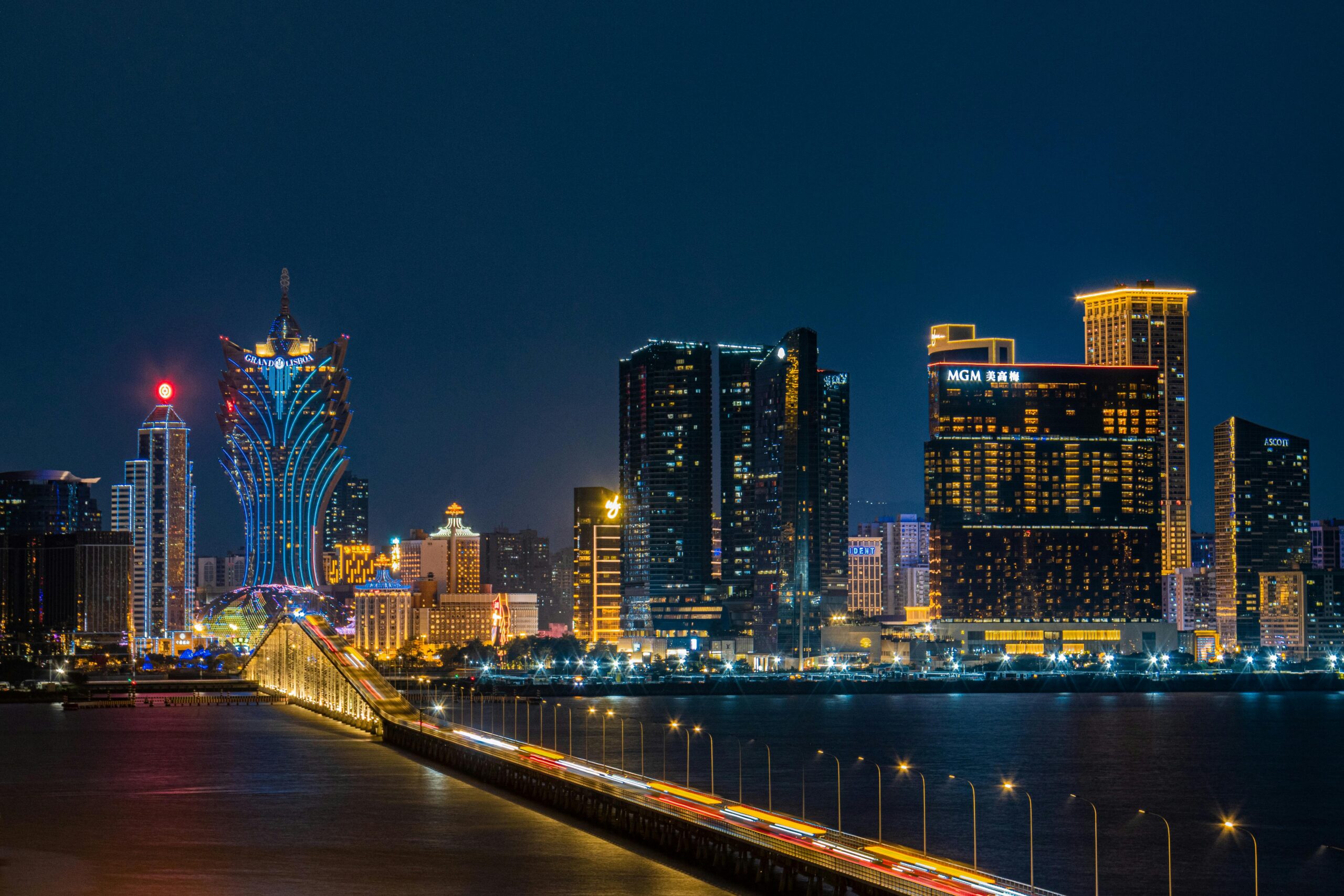
For decades, Macau’s global image has been defined by glittering casinos, neon lights, and high-stakes gambling. The city’s nickname — the “Las Vegas of Asia” — has long been a badge of both pride and dependence. But as the global tourism landscape evolves and economic vulnerabilities become more apparent, Macau is making a bold move: transforming itself into a hub for healthcare and medical tourism.
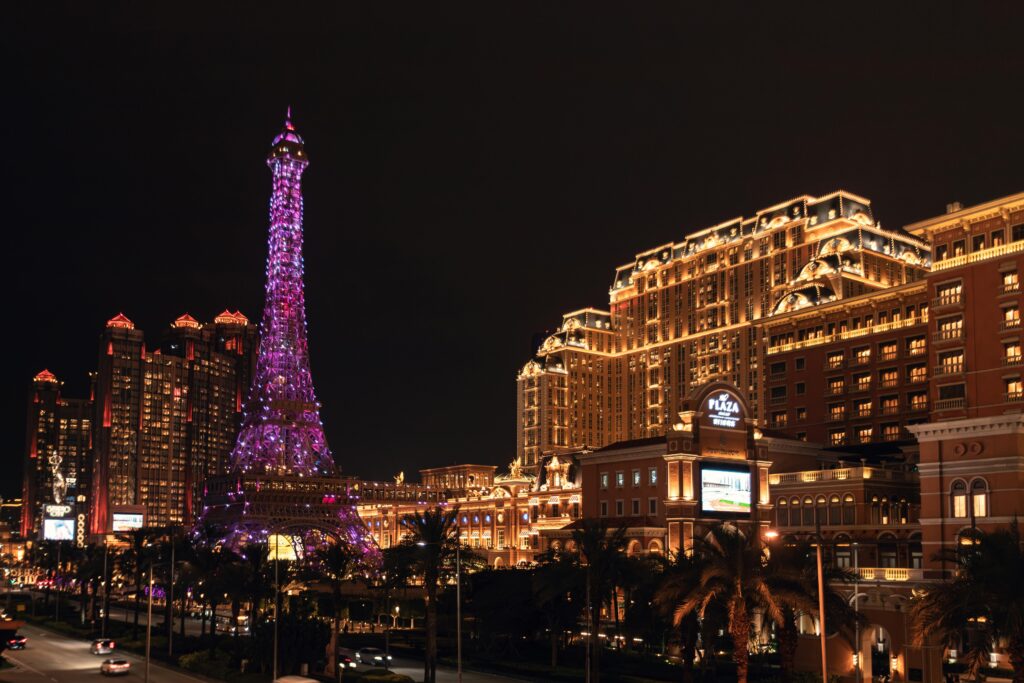
This shift represents one of the most significant economic transitions in the region’s modern history — an attempt to redefine Macau’s identity and ensure long-term stability beyond the casino floor.
Why Healthcare Tourism?
Macau’s government has acknowledged that overreliance on gambling is risky. Nearly 80% of the city’s tax revenue historically came from the gaming industry, leaving the economy vulnerable to global downturns, policy changes, and public health crises like the COVID-19 pandemic.
As part of its official diversification strategy, Macau has identified “medical and health tourism” as a pillar of future growth. The goal is clear: to attract visitors not only for entertainment but also for wellness, medical treatment, and preventive care.
This strategy leverages Macau’s existing strengths — luxury hospitality, tourism infrastructure, and its proximity to China’s massive market — while introducing an entirely new sector with long-term potential.
Macau’s Competitive Advantages
1. World-Class Tourism Infrastructure
Macau already has the foundation: luxury resorts, international hotels, convention centers, and a hospitality workforce skilled in service excellence. This ecosystem provides an ideal base for high-end medical tourism, where comfort and care are equally important.
2. Strategic Integration with China’s Greater Bay Area
Macau is being positioned as a key node in China’s Greater Bay Area economic zone, which emphasizes health, innovation, and technology. Cross-border initiatives — such as collaborative healthcare projects and research partnerships — are giving Macau access to medical expertise and investment from neighboring regions.
3. Emphasis on Traditional Chinese Medicine (TCM)
Unlike other medical tourism destinations, Macau is integrating Traditional Chinese Medicine (TCM) into its healthcare model. The city’s government envisions combining Eastern and Western approaches — offering modern diagnostics alongside herbal therapies, acupuncture, and holistic wellness treatments. This blend could make Macau stand out in Asia’s crowded medical tourism market.
4. Government Support and Policy Vision
Macau’s “1+4 diversification strategy” prioritizes tourism while promoting four new sectors, including health and wellness. Substantial public funding is being directed toward healthcare infrastructure, research facilities, and policy reform to attract international patients.
The Rise of “Resort Hospitals”
The most symbolic sign of Macau’s pivot came with the opening of the city’s first “resort hospital” — a facility located within a luxury entertainment complex. Here, guests can undergo medical checkups, imaging scans, minor procedures, or recovery therapy — all while enjoying five-star hospitality.
This model, blending leisure with healthcare, represents a new type of medical tourism. It caters to wealthy travelers from mainland China and beyond who are seeking preventive care or cosmetic procedures in a comfortable, private, and luxurious environment.
Challenges on the Road Ahead
Despite the promise, Macau’s healthcare tourism ambitions face formidable obstacles.
1. Building Global Medical Credibility
While Macau’s hospitality reputation is world-class, its medical reputation is not yet established. To compete with renowned hubs like Singapore, South Korea, and Thailand, Macau must build trust, international accreditation, and a proven track record of high-quality care.
2. Shortage of Medical Professionals
The city faces a limited pool of specialized doctors and healthcare professionals. Recruiting and retaining global talent — particularly bilingual or Mandarin-speaking medical staff — will be essential to serve both domestic and international patients.
3. Regulatory Complexity
Blending traditional and modern medicine requires careful oversight. Ensuring that clinics and hospitals meet strict health, safety, and ethical standards is critical if Macau hopes to attract discerning medical travelers.
4. High Costs and Long Payback Periods
Healthcare infrastructure is expensive to build and maintain. From advanced imaging equipment to sterile surgical facilities, investments take years to generate returns. Investors must be prepared for long-term commitments.
5. Regional Competition
Macau enters a field dominated by established players. Thailand offers affordable surgeries and spa recovery programs, South Korea excels in cosmetic medicine, and Singapore is known for world-class hospitals. To stand out, Macau must leverage its unique blend of culture, wellness, and luxury.
The Role of Traditional Chinese Medicine
Traditional Chinese Medicine lies at the heart of Macau’s differentiation strategy. The government has invested heavily in developing the Guangdong-Macao Traditional Chinese Medicine Science and Technology Park, a hub for research, education, and clinical practice.
The idea is to promote treatments that combine diagnostic technology and preventive health practices with TCM philosophies — balancing the body and mind, rather than focusing solely on curing illness.
If successful, Macau could position itself as the gateway for international TCM tourism, drawing wellness seekers from across Asia and beyond.
Economic and Social Impacts
1. Diversifying the Economy
Healthcare and medical tourism could help reduce Macau’s dependency on casino revenues. New industries mean new jobs — not only in medicine but also in education, logistics, and research.
2. Enhancing Quality of Life for Residents
Upgrading hospitals and clinics to international standards will benefit local citizens by improving access to high-quality healthcare.
3. Changing Macau’s Global Image
A thriving health tourism industry could transform Macau’s international image from a gambling hub to a destination associated with wellness, recovery, and longevity.
The Path Forward
Macau’s bet on healthcare tourism is both visionary and pragmatic. Success will depend on a few critical actions:
- Building trust: International accreditation and partnerships with reputable hospitals and universities.
- Attracting talent: Incentives for foreign doctors and specialists.
- Marketing strategically: Targeting high-net-worth individuals in mainland China and neighboring markets.
- Focusing on prevention: Promoting health checkups, TCM therapies, and recovery packages that appeal to both locals and tourists.
- Investing in research: Strengthening links between innovation, medicine, and hospitality.
If Macau can align these efforts, the city may create a blueprint for a new kind of economic diversification — one based not on chance, but on care.
Frequently Asked Questions
| Question | Answer |
|---|---|
| Why is Macau shifting toward healthcare tourism? | The city is diversifying its economy to reduce dependence on gambling and attract high-value visitors seeking medical and wellness services. |
| What is a “resort hospital”? | It’s a facility located within a resort or hotel complex that offers medical services such as checkups, imaging, cosmetic procedures, or rehabilitation combined with hospitality experiences. |
| How does Traditional Chinese Medicine fit into this plan? | Macau is promoting TCM as part of its healthcare tourism identity, offering holistic treatments that integrate Eastern and Western medical approaches. |
| Who is the target market? | Primarily affluent travelers from mainland China and other parts of Asia who seek luxury healthcare or preventive wellness treatments. |
| What challenges does Macau face? | The main challenges include limited medical talent, regulatory hurdles, global competition, and the high cost of infrastructure. |
| Will Macau’s healthcare system improve for residents? | Yes, investments in new hospitals, clinics, and technology are expected to improve healthcare access and quality for local citizens. |
| How is the government supporting the shift? | Through policy reforms, public funding, and partnerships between the medical and hospitality sectors. |
| Is this move risky? | Yes. Building medical credibility takes time, and the success of healthcare tourism depends on quality, regulation, and patient trust. |
| Can Macau compete with established medical tourism destinations? | It can, if it leverages its unique mix of luxury hospitality, TCM, and regional integration to attract niche markets. |
| When will the transformation take effect? | Progress is already underway, but it will likely take several years before healthcare tourism becomes a major contributor to Macau’s economy. |
Conclusion
Macau’s gamble on healthcare tourism is more than an economic strategy — it’s a reinvention of identity. By merging luxury hospitality with modern medicine and ancient wellness traditions, the city hopes to evolve from a playground for gamblers into a sanctuary for recovery and renewal.
This transformation won’t happen overnight, but if Macau succeeds, it could set a new global standard — where the world comes not just to play, but to heal.
Sources BBC

