

Nestled between San Antonio and Austin, New Braunfels, Texas has long been a beloved river town — known for its scenic Guadalupe and Comal rivers, family-friendly attractions, German heritage, and summer tubing culture. But the tourism winds are changing. New Braunfels is now navigating pressures of climate, shifting traveler preferences, labor constraints, and the need to broaden its appeal beyond seasonal recreation.

The changes underway there reflect broader dynamics in American regional tourism — where places once dependent on singular draws (water recreation, festivals) must find resilience via diversification, sustainability, capacity management, and community alignment.
The Traditional Strengths — and Their Vulnerabilities
River-Based Recreation
For decades, floating, tubing, kayaking, and river-adjacent leisure have anchored New Braunfels’ tourism economy. The town’s identity and seasonal draw lean heavily on its waterways and warm-weather access.
However, that strength also brings vulnerabilities:
- Weather dependence: Droughts, heatwaves, or reduced rainfall can diminish river flows and water quality, cutting capacity or prompting closures.
- Seasonality: The “summer season” effect concentrates demand into narrow windows, stressing infrastructure, labor, and local services.
- Carrying capacity: Overcrowding on rivers, congestion in parking, litter, safety issues, and erosion risk degrade the very experience that draws visitors.
- Changing preferences: New traveler cohorts increasingly seek unique immersive, cultural, wellness, or off-peak experiences, not just river rides.
Heritage & Culture, But With Untapped Depth
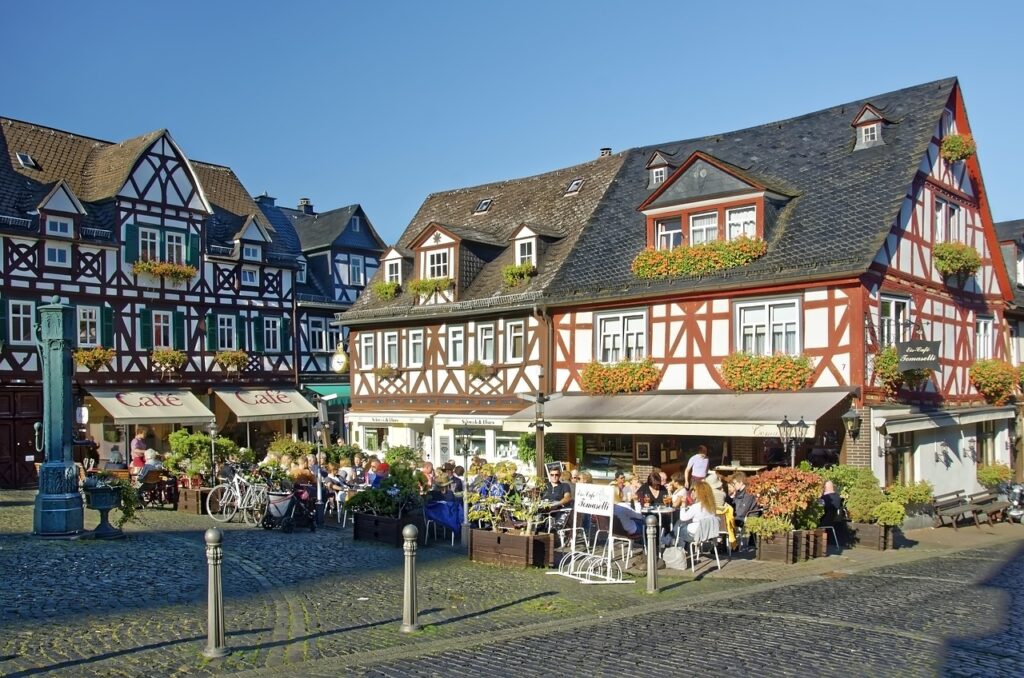
New Braunfels also has German-Texan heritage, annual festivals (e.g. Wurstfest), historic districts, and music and arts activities. Yet many of these assets remain under-leveraged in tourism—especially when compared to river recreation’s dominance.
How New Braunfels Is Adapting
Here are key strategic pivots and initiatives the city and local businesses are reportedly embracing or would benefit from embracing (drawing from the BizJournal framing and filling gaps):
1. Expanding Off-Peak & Year-Round Experiences
To reduce dependency on summer tubing, New Braunfels is encouraging tourism products that work in cooler months: heritage walking tours, craft breweries and culinary trails, live music, arts festivals, holiday markets, and indoor attractions (museums, cultural centers).
This can help smooth demand across the year, reduce crowd peaks, and better distribute visitor spend.
2. Ecotourism & Nature-Based Offerings
Beyond floating, there is room to grow nature-walking trails, birdwatching, guided river ecology tours, night-time nature walks, and interpretive programming about local flora, geology, and river ecosystems.
With increasing interest in regenerative tourism and experiential travel, these nature-based products help diversify the appeal.
3. River Management & Sustainability Infrastructure
Given the wear on river corridors, the town is likely investing (or should invest) in:
- River access controls (permit systems, timed entries).
- Enhanced riverbank erosion mitigation, riparian buffers, and habitat restoration.
- Waste management, visitor safety infrastructure, signage, water-quality monitoring.
- Partnerships with conservation agencies to fund and oversee sustainable use.
4. Smart Capacity Planning & Technology Use
Using digital tools, apps, and reservation systems to manage visitor flows — especially on the busiest river days — may help regulate congestion. This could include:
- Online booking windows for tubing or float slots.
- Real-time crowd monitoring and alerts.
- Dynamic pricing or peak-day surcharges to moderate demand.
5. Workforce & Service Quality Enhancements
Like many tourism towns, New Braunfels is likely facing labor shortages, especially for hospitality, guiding, river staff, and maintenance. Strategies include:
- Incentives and wages to attract and retain workers.
- Training programs (river guiding safety, guest relations, multilingual skills).
- Collaboration with local schools and community colleges to build hospitality pipelines.
- Better alignment between seasonal demands and staff availability (e.g., offering off-season roles or benefits).
6. Cultural & Heritage Amplification
Integrating heritage more fully into the visitor narrative is an underused lever. Possible actions:
- Deepening German-Texan storytelling: historic homes, local crafts, music, food trails.
- Curated cultural events (heritage festivals, folk music, artisan markets).
- Partnerships with local artists and community groups to develop new cultural attractions that engage both residents and tourists.
7. Branding & Marketing to Emerging Segments
To stay relevant, marketing must shift:
- Promote immersive experiences rather than just water recreation.
- Target wellness, slow travel, multigenerational tourists, and domestic short-overnight visitors.
- Highlight New Braunfels as basecamp to the Hill Country, historic towns, natural parks — not just for tubing.
8. Regional Collaboration
New Braunfels sits between San Antonio and Austin. It can partner with regional attractions and cities to create multi-day itineraries (wine regions, state parks, heritage towns) that distribute visitation and create synergies.
What the Original Coverage Likely Missed (or Underemphasized)
While the BizJournal article (as inferred) offers insight into New Braunfels’ adjustments, there are deeper aspects one often misses:
- Ecological carrying-capacity modeling: quantifying sustainable visitor numbers on rivers or trails.
- Economic leakage and value capture: ensuring that visitor dollars benefit local businesses and residents, not out-of-area operators.
- Community inclusion & equity: ensuring longtime residents have voice and benefit (not just newer business owners).
- Infrastructure modernization: broadband, transportation, parking, transit, last-mile connectivity to river access areas.
- Climate adaptation planning: preparing for rain variability, heat stress, water scarcity.
- Monitoring & evaluation frameworks: how New Braunfels measures the success of adaptation efforts (visitor satisfaction, environmental health metrics, job retention).
- Funding and governance models: how projects are financed (public-private partnerships, grants, visitor taxes) and stewarded over time.
Risks & Trade-Offs in Adaptation
- Over-regulation alienates visitor spontaneity: too strict controls may frustrate tourists used to “walk-in” tubing.
- Raising costs: technological systems, infrastructure upgrades, environmental protections add costs that may pass to visitors.
- Cultural dilution or commodification: overstretching heritage programming can turn authentic culture into theme-park mimicry.
- Resistance from legacy operators: some businesses may resist changing from volume-driven float operations to diversified models.
- Monitoring and unintended consequences: interventions (e.g. buffer zones) may push visitor pressure to still vulnerable adjacent areas.
Frequently Asked Questions
| Question | Answer |
|---|---|
| Why is New Braunfels adapting now? | Because climate variability, labor shortages, visitor expectation shifts, and overreliance on river recreation expose vulnerabilities. |
| What is regenerative or diversified tourism in this context? | New types of tourism that restore ecosystems, engage communities, diversify experiences (heritage, wellness, nature), and reduce dependence on a single draw. |
| Will tubing and river floats disappear? | Not at all — they remain core attractions — but they’ll be managed more sustainably with capacity controls and balanced with new offerings. |
| How can a small town manage peak congestion? | Through reservation systems, timed access, dynamic pricing, visitor education, and better infrastructure. |
| Is expanding off-season demand realistic? | Yes — many regions have succeeded by offering cultural, culinary, or nature-based experiences that appeal year-round. |
| Will costs increase for visitors? | Likely marginally — but with better quality, less crowding, and better visitor experience, many may accept slightly higher fees. |
| How will local businesses adapt? | They may diversify services (e.g. lodging, food, guiding) and partner in new visitor experiences beyond tubing. |
| Who pays for infrastructure upgrades? | A mix of public funds, visitor taxes/fees, grants, and private investment. |
| How to include community voices? | Via inclusive planning, public forums, stakeholder committees so that change reflects resident values. |
| What is the ultimate goal? | A thriving, resilient, year-round tourism economy that enriches local life and preserves the natural and cultural character of New Braunfels. |
Conclusion
New Braunfels is at a strategic inflection point. The scenic river town can’t simply rely on buoyant summers and float tubes forever. To thrive, it must evolve — expanding experiences, managing resources, investing in human capital, and balancing growth with conservation.
If adaptation is done well, New Braunfels can become a model of how regional tourism destinations grow with foresight — preserving their soul while securing their economic future.
Sources The Business Journal

