
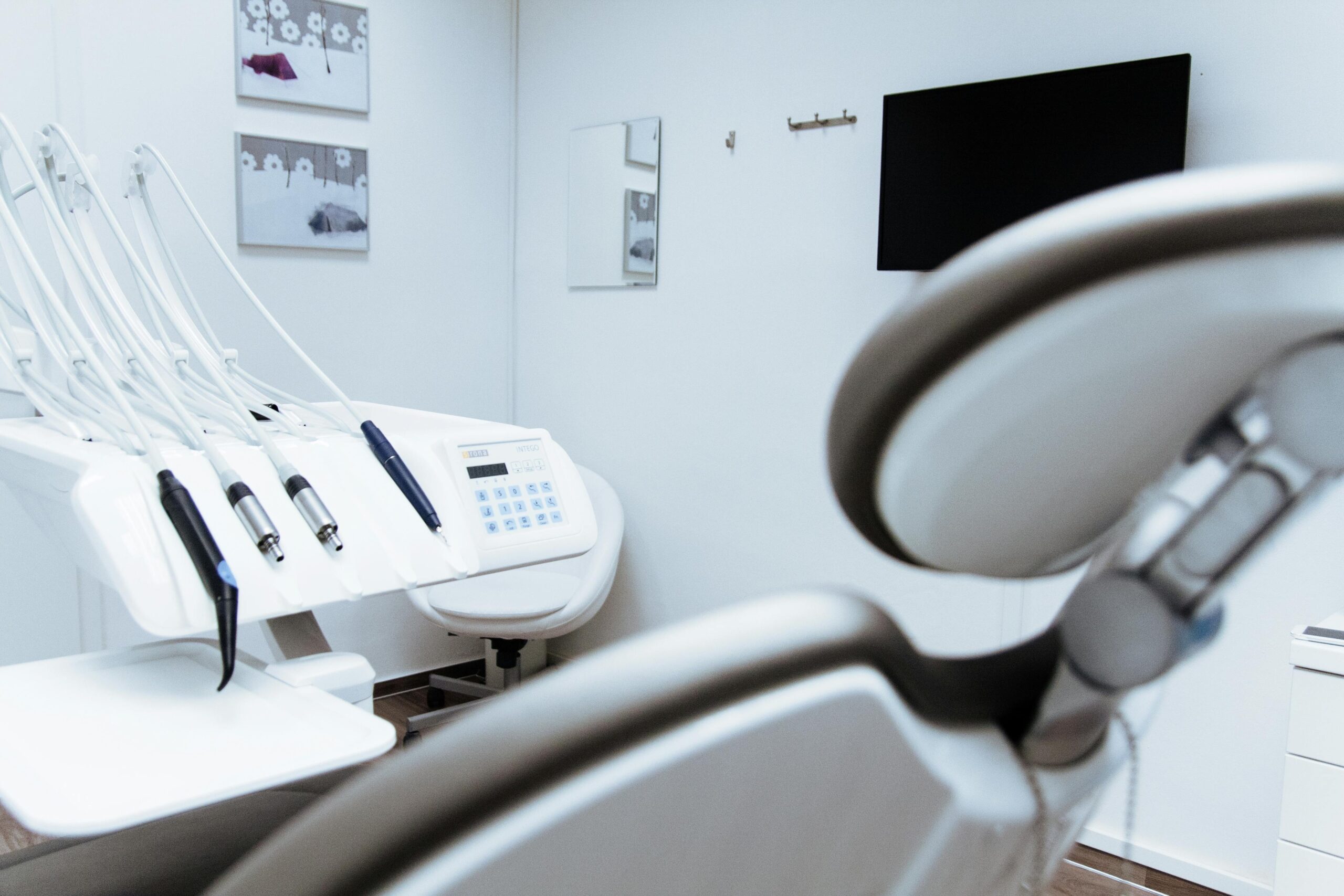
Travelling overseas for dental treatment—often dubbed “dental tourism”—has grown significantly in recent years. Patients are drawn by lower prices, shorter waiting times, and the chance to combine treatment with a holiday. Popular destinations include countries such as Turkey, Hungary, Poland, Mexico, Costa Rica and Thailand, among others.
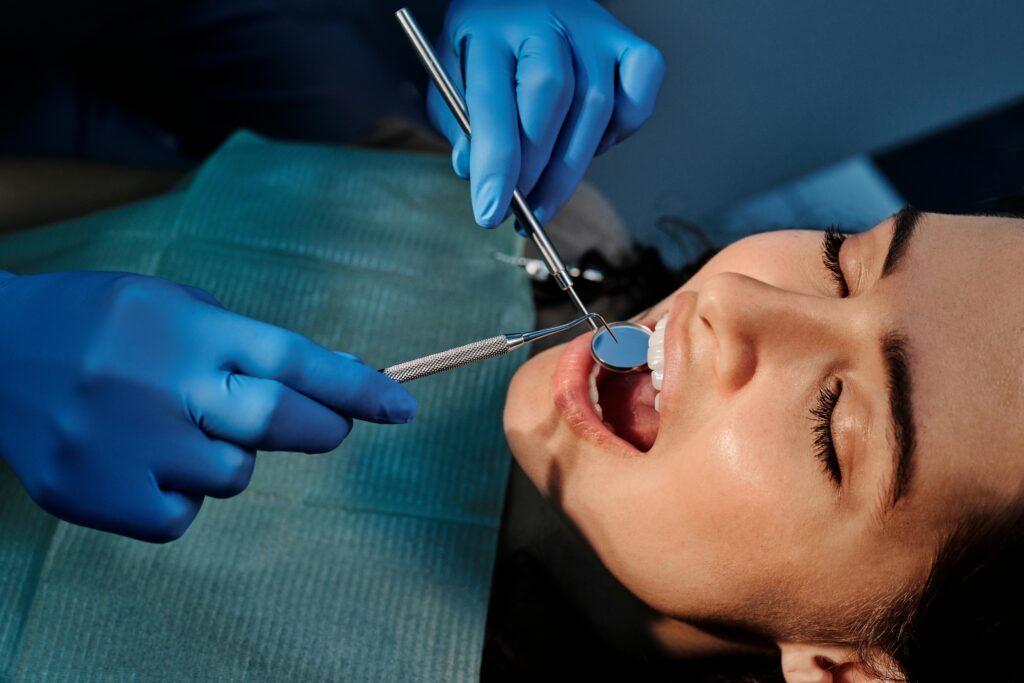
According to recent surveys, a large number of dentists have treated patients who developed complications after receiving dental work abroad. Many of these cases involve complex procedures such as implants or full-mouth reconstructions.
While the financial appeal is clear, so are the hidden risks. As one UK dentist put it: “When we get these patients in and see the horror‑stories that are attached to them, it’s quite depressing.”
Why Do People Choose Dental Tourism?
Here are some of the common motivations:
- Cost savings – Many procedures abroad cost a fraction of domestic prices. Even after travel and accommodation, the savings can be considerable.
- Access – In some home countries, waitlists are long or some treatments may not be covered by public insurance, making overseas care more attractive.
- Inclusive holiday packages – Some clinics market bundled deals (“treatment + hotel + holiday”) which make the proposition appealing.
- Perceived specialty or service level – Some patients believe that overseas clinics may offer cutting‑edge materials, new techniques or a more “luxury” patient experience.
While these incentives are real, they must be balanced against the many potential downsides.
What Are the Risks of Dental Tourism?
Below is a detailed breakdown of the risks—some commonly known, others often overlooked.
1. Quality and Standard of Care Variability
Dental standards, training, regulations and oversight differ across countries. A procedure performed overseas may not follow the same clinical protocols, use the same sterilisation practices, or adhere to similar regulatory frameworks as in the patient’s home country.
2. Sterilisation, Infection Risk & Materials
Poor sterilisation or infection control can lead to serious complications including infections, implant failure, or systemic illness. Some clinics may use lower-quality materials, which can degrade faster or fail.
3. Communication, Consent & After‑care Issues
Language barriers can result in misunderstandings about treatment, unclear after-care instructions, and poor informed consent. Once back home, follow-up care may be limited or costly. Local dentists may also be unfamiliar with the materials used abroad.
4. Hidden and Follow‑Up Costs
While the upfront price may be low, complications often result in significant additional costs. Some patients return needing corrective work that costs far more than the original savings.
5. Legal and Consumer Protection Gaps
Legal protections for patients vary by country. Pursuing malpractice claims in a foreign jurisdiction can be difficult or impossible. If the trip is packaged as a holiday rather than a medical procedure, different regulations may apply.
6. Logistical & Health Risks of Travel
Flying soon after major dental procedures can affect healing. Swelling, bleeding, or delayed complications may not become evident until after the patient returns home.
7. Continuity of Care Challenges
After-care is a cornerstone of successful dental treatment. Overseas clinics may not offer proper follow-up support, and your local dentist may be hesitant or unable to take on follow-up care, especially if the initial work is problematic.
8. Unregulated Marketing
Social media often glamorises smile makeovers without disclosing risks. Some overseas clinics promote “hotel consultations,” offer deals with no clinical assessment, or operate outside of formal dental regulation.
9. Long‑Term Implications
Short-term savings may come at the cost of long-term success. Inadequately placed implants or poorly fitted crowns can cause structural damage, bone loss, or chronic infection over time.
How to Mitigate Risks – A Practical Checklist
If you’re considering dental tourism, follow these steps:
- Research the clinic thoroughly. Look for internationally recognised accreditations, patient reviews, and details about the qualifications of staff.
- Ask for specific information about the materials and systems used.
- Ensure you get a written treatment plan, cost breakdown, and informed consent forms before any procedure.
- Budget for travel, accommodation, and possible follow-up care or corrections.
- Arrange a pre-travel consultation with your regular dentist. Get their opinion on the proposed treatment.
- Avoid flying immediately after major surgery unless cleared to do so.
- Ask about legal protections and whether malpractice insurance is offered by the clinic.
- Keep all documents and receipts from the treatment. They may be useful if issues arise.
- Be cautious of clinics that bundle dental care with vacation deals or advertise extremely low prices.
- Understand that many procedures require ongoing maintenance—ensure you can access this back home.
What the Original Article May Have Overlooked
A few areas deserve extra attention:
- Differences in material quality: Overseas clinics may use implant systems or crowns not recognised or supported in your home country.
- Insurance coverage: Many dental insurance plans do not cover overseas treatment or post-treatment complications.
- Burden on local dentists: Patients returning with failed treatments create strain on home-country dental systems, particularly when the corrective work is complex.
- Long-term data: There may be limited evidence on the longevity of treatments provided by some overseas clinics.
- Consumer rights confusion: When clinics package treatment with tourism, it can be difficult to determine what legal protections apply.
- Psychological impact: Patients may experience anxiety or distress from failed procedures or unexpected complications.
- Public health implications: In countries with booming dental tourism, there may be issues with resource distribution—where locals have less access to care due to demand from foreign patients.
FAQs: Common Questions About Dental Tourism
Q1. Is dental tourism always risky?
Not necessarily. With proper research and planning, some patients have good outcomes. However, the margin for error increases when treatment is rushed, unregulated, or lacks after-care.
Q2. How do I verify a clinic’s credentials?
Look up professional associations or medical boards in the destination country. Ask for proof of dentist qualifications and whether the clinic is accredited by a national or international authority.
Q3. Are the savings really worth it?
While upfront costs may be lower, hidden expenses—especially for correction or after-care—can eliminate savings. The true cost should factor in the quality of treatment and long-term durability.
Q4. What procedures are most risky abroad?
Implants, root canals, cosmetic crowns, and full-mouth restorations carry greater risk due to the technical complexity and follow-up required.
Q5. What should I do if I have complications after returning home?
See a local dentist as soon as possible. Be prepared to pay out-of-pocket if insurance does not cover follow-up. Bring all records, x-rays, and documentation from your treatment abroad.
Q6. Can I get insurance for dental tourism?
Some specialised insurance plans cover elective dental work abroad, but many do not. Always check with your insurer before booking treatment.
Q7. Are there warning signs of an untrustworthy clinic?
Yes—unusually low prices, lack of treatment plans, hotel room consultations, absence of follow-up care, and pressure to commit quickly are all red flags.
Q8. What documents should I collect before and after treatment?
Request your full dental records, including before/after photos, x-rays, materials used, and lab information. This will help your local dentist if problems arise.
Q9. Can I return to the overseas clinic for corrections?
Yes, but it may be impractical due to cost, time, or logistics. Some clinics offer guarantees—but returning is rarely as simple as it sounds.
Q10. What’s the safest way to approach dental tourism?
Treat it like a medical investment. Do your research, get a second opinion, plan for after-care, and don’t be swayed by glossy photos or low prices alone.
Final Thoughts
Dental tourism is a growing global trend that can offer financial relief and access to care—but only when approached with clear-eyed caution. The risks are real, and the consequences of poorly executed treatment can be painful, costly, and long-lasting.
Always remember: your teeth are not souvenirs—they are essential to your long-term health and quality of life. Choose wisely, and don’t let short-term savings compromise long-term well-being.
Sources BBC

