
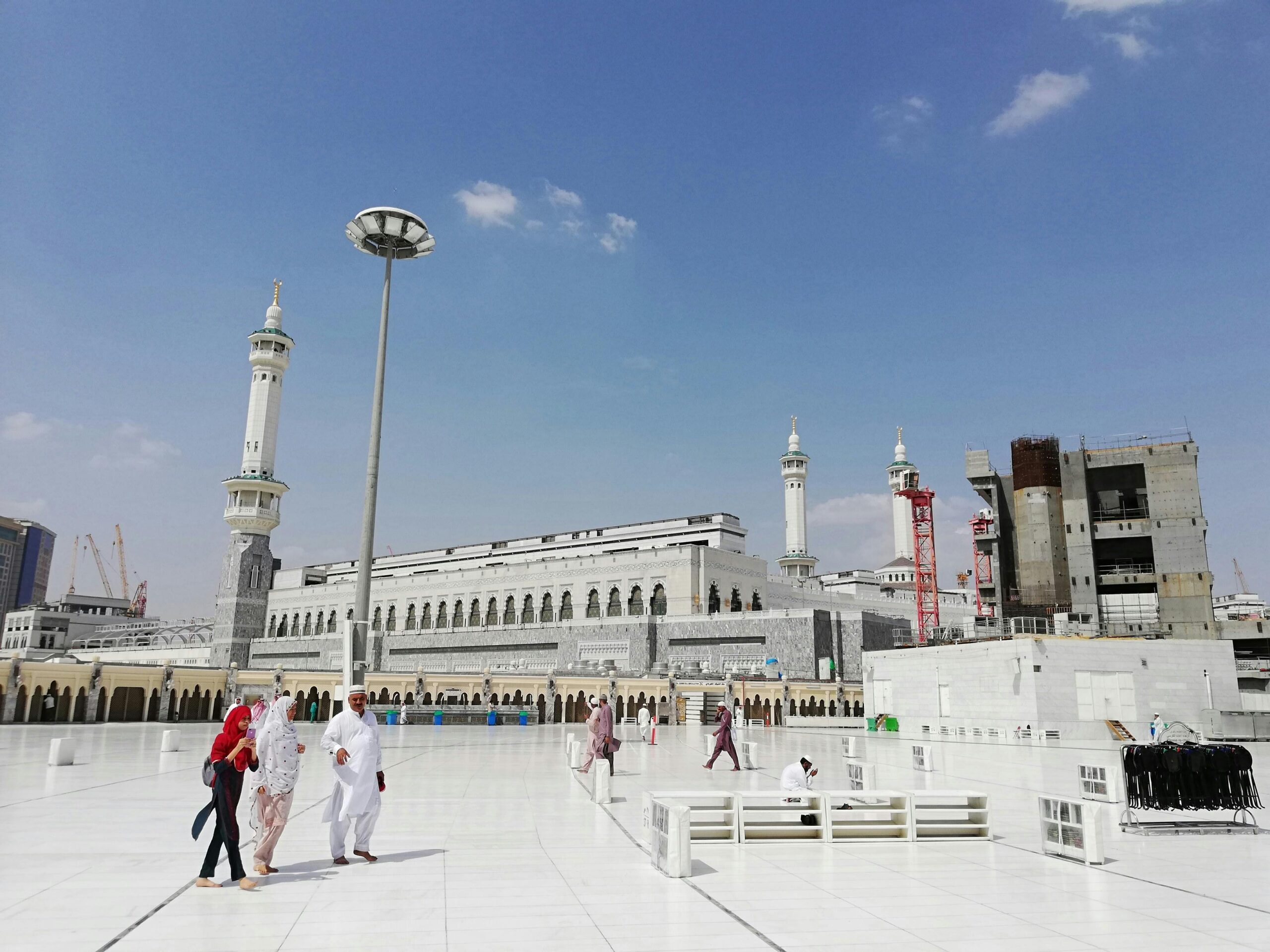
The Kingdom of Saudi Arabia is embarking on one of its most ambitious transformations yet — turning from an oil-dependent economy into a global tourism destination. At the heart of this change is the Saudi Vision 2030 agenda, launched in 2016. While recent headlines highlight plans to build around 300,000 new hotel rooms, there is far more happening behind the scenes.
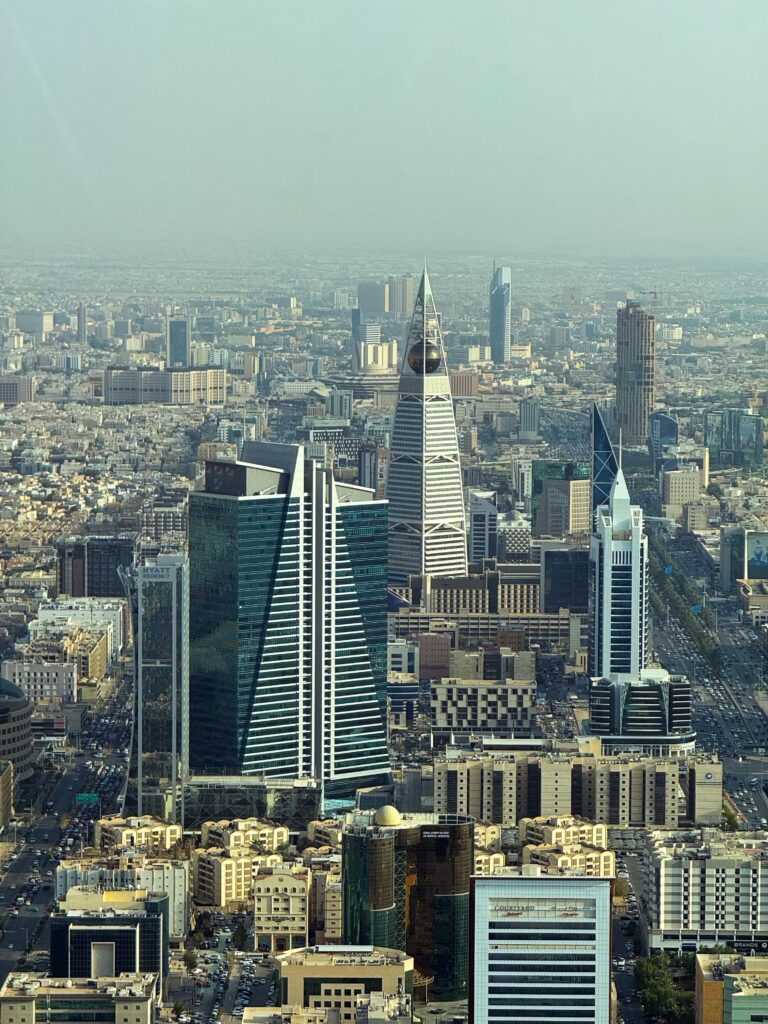
Here’s a more detailed look — including many elements often underreported — into how Saudi Arabia is reengineering tourism, the scale of investment involved, the challenges ahead, and what this means for travellers, investors, and the global travel industry.
What’s the Big Picture?
Under Vision 2030, Saudi Arabia seeks to diversify its economy away from oil, boost non-oil revenue, build new industries, and capture a larger share of global tourism. Key highlights include:
- A plan to add approximately 362,000 new hotel rooms by 2030, up from initial reports of 300,000.
- An enormous hospitality construction pipeline, with tens of thousands of rooms already under development — especially in Riyadh, which is emerging as a major hotel hub.
- An estimated investment of over $110 billion in hospitality and tourism infrastructure to meet growth targets.
- Development of large-scale tourist destinations, resorts, cultural hubs, and religious tourism support systems — all part of a comprehensive ecosystem to support a booming tourism industry.
Key Focal Areas and Projects
- Religious Tourism
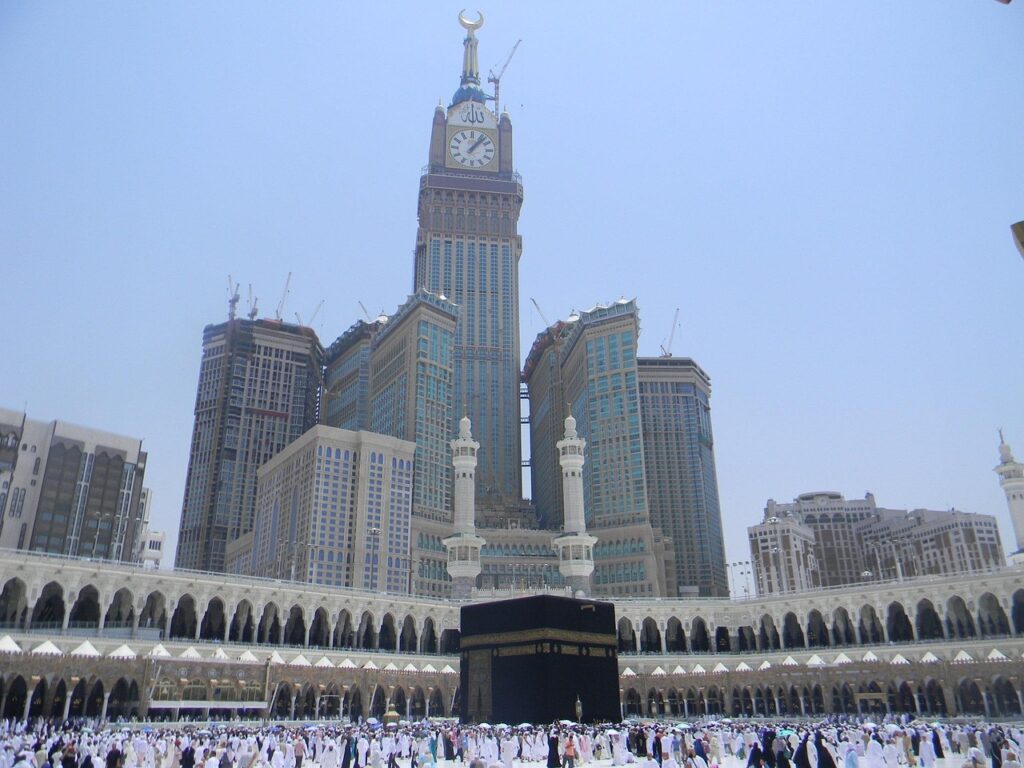
The holy cities of Mecca and Medina continue to be a major focus. Saudi Arabia aims to welcome tens of millions more pilgrims annually. A large portion of new hotel rooms — possibly over 200,000 — will be located in these cities to support pilgrimage tourism. Projects like Rua Al Madinah are expanding hospitality infrastructure with thousands of rooms, along with cultural and heritage offerings. - Luxury and Leisure Tourism
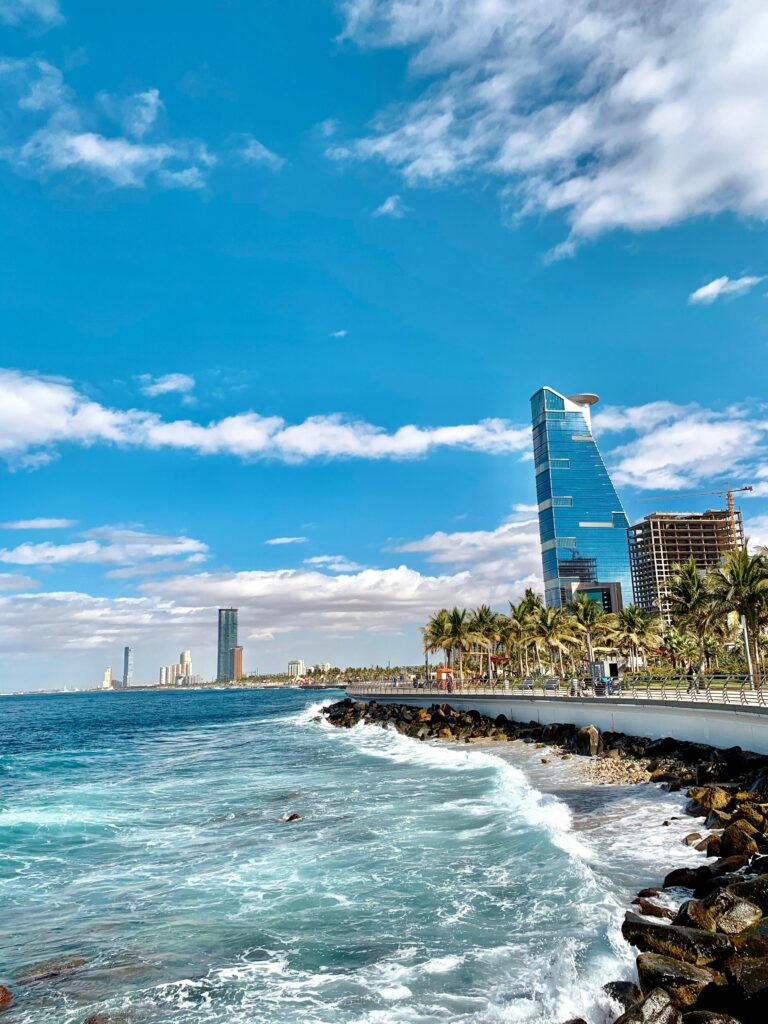
The Red Sea Project and other resort-focused developments aim to tap into the global luxury market. These include high-end beach resorts, desert retreats, and wellness destinations built on pristine coastlines and islands — many powered by renewable energy and marketed as eco-conscious luxury. - Urban Hospitality Growth
Riyadh, Jeddah, and other major cities are experiencing a hotel boom, with international chains setting up flagship properties and lifestyle hotels. The goal is to accommodate both business and leisure travellers, as Saudi Arabia prepares for global events, conferences, and sports competitions. - Mega-Projects and Cultural Investments
Developments like NEOM, Qiddiya, and New Murabba are part of broader efforts to create futuristic cities, entertainment zones, and cultural hubs. These aim to attract tourists seeking new experiences and are essential to positioning Saudi Arabia as a 21st-century destination.
Why Now?
Several strategic motivations are driving this push:
- Economic Diversification: Oil remains volatile; tourism offers a more sustainable revenue stream.
- Youth Employment: The tourism sector can create hundreds of thousands of jobs for Saudi nationals.
- Global Market Trends: Post-pandemic travel demand is surging; Saudi Arabia wants to be competitive in a region already dominated by players like the UAE.
- Untapped Potential: Natural beauty, cultural heritage, and religious significance make Saudi Arabia unique — and largely undiscovered by mainstream tourists until now.
Challenges and Risks
Despite strong momentum, there are significant hurdles:
- Execution Risk: Delivering this many hotel rooms — on time, with quality — requires immense project management capacity.
- Demand Generation: Building rooms doesn’t guarantee visitors. Saudi Arabia must aggressively market itself and offer compelling reasons to visit.
- Cultural Balance: Navigating between conservative values and the expectations of global tourists will remain complex.
- Environmental Impact: Coastal and desert development must be balanced with ecological preservation.
- Labor and Social Impact: Workforce planning, fair labor practices, and cultural integration of tourism jobs will be critical to long-term success.
- Regional Competition: Countries like the UAE and Qatar are established tourism hubs. Saudi Arabia must find its unique value proposition.
Impact on Travellers and Investors
- For Tourists: Expect more diverse travel options — including high-end resorts, historical sites, city stays, and adventure destinations.
- For Businesses: Hospitality brands, developers, and travel operators have new markets to explore, but must understand local regulations and expectations.
- For Investors: Real estate, tourism services, logistics, and F&B sectors present opportunities. Risk management and due diligence are essential.
- For Locals: New careers, cultural exposure, and economic diversification — but also new pressures on traditional ways of life.
Frequently Asked Questions (FAQs)
Q1: How many hotel rooms will be added by 2030?
Approximately 362,000 new hotel rooms are planned as part of the national tourism infrastructure strategy.
Q2: Why is this tourism expansion important to Saudi Arabia?
It’s a key pillar of Vision 2030, aimed at reducing reliance on oil revenues and creating sustainable, long-term economic growth through new sectors.
Q3: What types of tourism is Saudi Arabia focusing on?
Religious (Hajj and Umrah), luxury/leisure, cultural, adventure, and business tourism.
Q4: Where will most of the new hotels be located?
In Mecca and Medina (for pilgrims), coastal destinations (like the Red Sea Project), and major urban centers like Riyadh and Jeddah.
Q5: What is the Red Sea Project?
It’s a luxury tourism development involving islands, beaches, desert resorts, and eco-lodges built with sustainability in mind.
Q6: Can international tourists visit Saudi Arabia easily now?
Yes. The country has introduced an e-visa system for many nationalities and relaxed some travel restrictions to encourage tourism.
Q7: Will Saudi Arabia be able to attract enough tourists to fill the rooms?
That’s one of the biggest challenges. Marketing efforts, global events, and unique destinations will play a major role in drawing travellers.
Q8: Are there sustainability concerns with this rapid development?
Yes. Large-scale construction in sensitive ecosystems and the need for sustainable tourism practices are ongoing concerns that the government says it is addressing.
Q9: Is this strategy also aimed at domestic tourism?
Yes. Saudis traveling within their own country are a major part of the target market, especially as local destinations become more attractive.
Q10: When will most of these projects be completed?
While some are already underway, the majority are set for completion between 2027 and 2030, aligning with Vision 2030’s final milestones.
Saudi Arabia’s tourism transformation is not just a headline-grabbing story of hotel construction — it’s a deep and structural change in how the kingdom sees its place in the global economy and culture. Whether it becomes the tourism giant it aspires to be will depend not only on buildings, but on experiences, openness, sustainability, and global appeal.
Sources Fortune

