
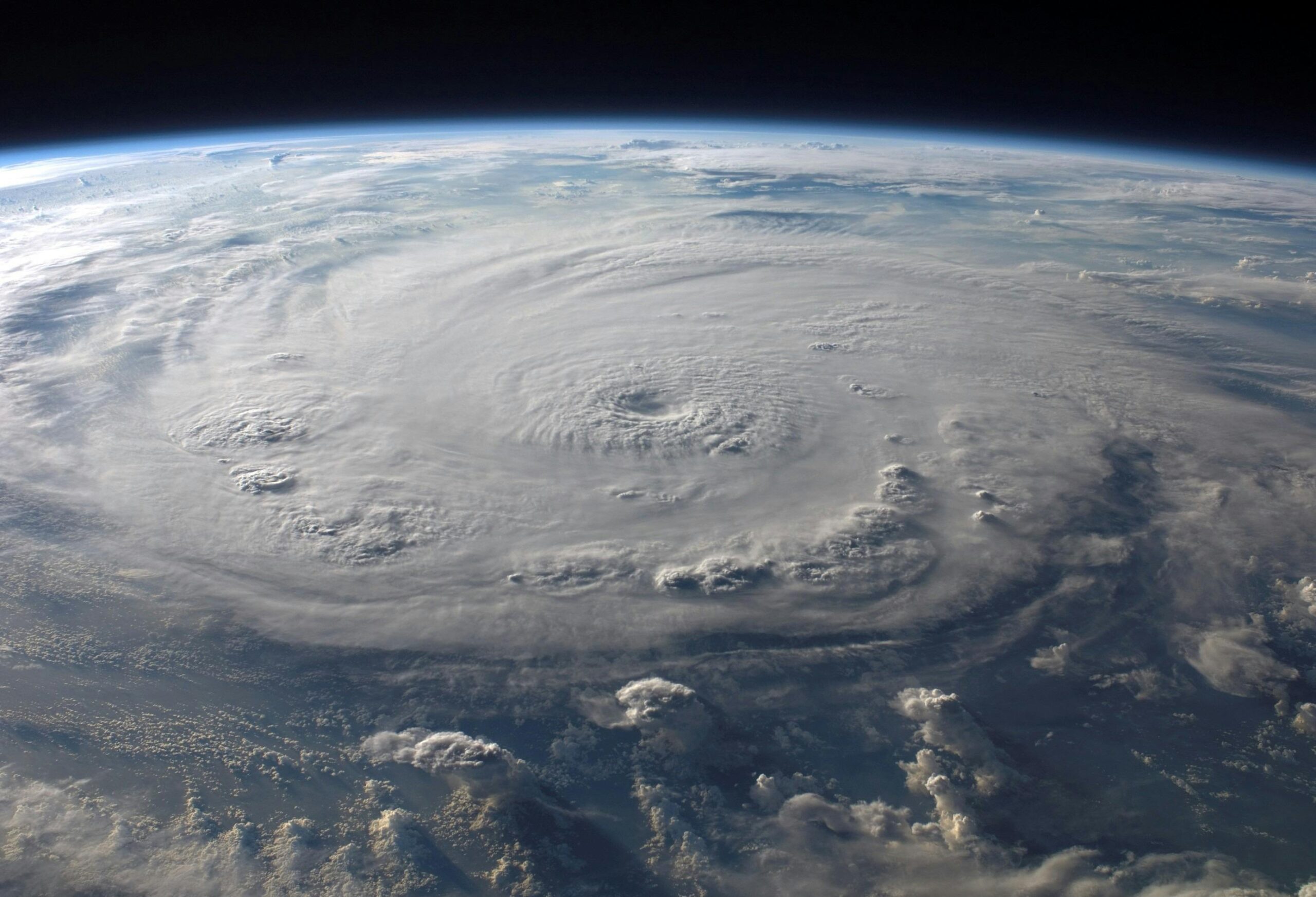
The Caribbean has been left reeling after Hurricane Melissa slammed into the region as an extraordinarily powerful storm. While much of the coverage has focused on immediate impacts, a deeper look reveals just how wide-ranging and long-lasting this event will be. Below is a fuller picture of the storm’s path, destruction, and recovery efforts — including details that original reports may have only touched on — followed by answers to the most common questions people are now asking.
What Happened and Where
- Hurricane Melissa reached Category 5 intensity as it made landfall in Jamaica, with sustained winds near 185 mph (298 km/h), tying it with some of the strongest Atlantic hurricanes on record.
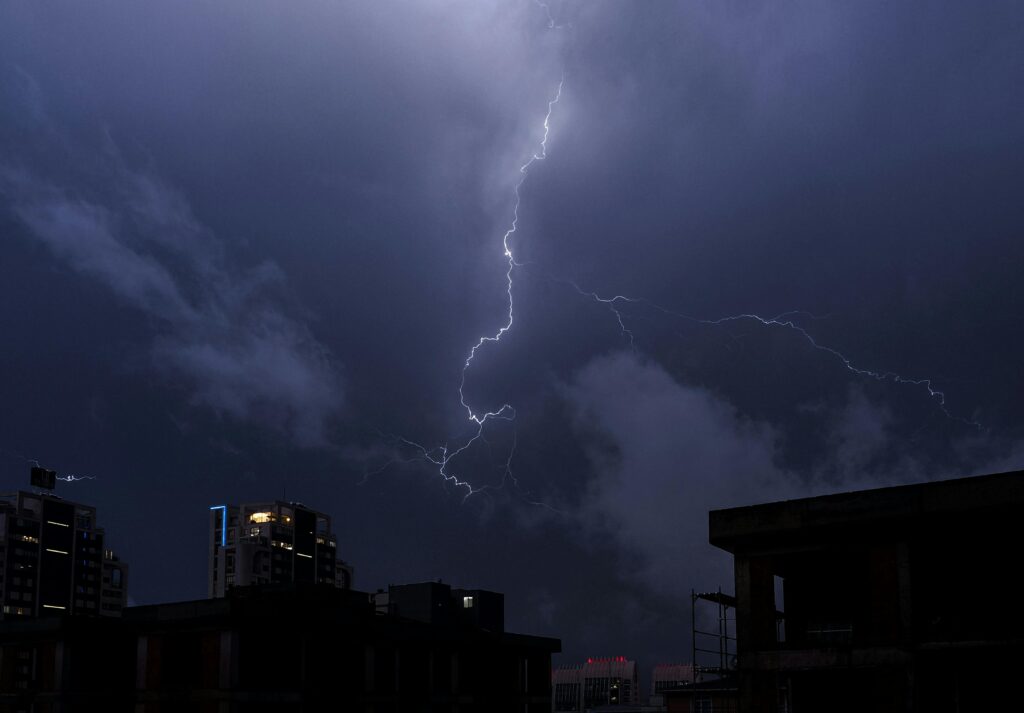
- Jamaica’s southwest coast — particularly around Westmoreland and St. Elizabeth parishes — bore the brunt of the storm. Melissa unleashed catastrophic winds, rainfall totals exceeding 30 inches in some areas, massive flooding, and dozens of landslides.
- Haiti and the Dominican Republic, though not in the direct path, suffered serious secondary effects including flash floods and landslides, with Haiti reporting some of the highest casualty numbers.
- After battering Jamaica, the storm moved northward into eastern Cuba, where more than 700,000 people were evacuated. Provinces such as Santiago de Cuba and Guantánamo saw heavy damage.
- Melissa’s impacts extended to the Bahamas and threatened Bermuda as it continued to move into the Atlantic, underlining the storm’s vast reach.
Immediate Impacts and Human Cost
- At least 30 people have been confirmed dead across the region, with many more missing and entire communities cut off.
- In Jamaica, power outages affected more than 77% of the island’s population. Roads were impassable, communications were severed, and clean water access became an urgent concern.
- Thousands of people crowded into shelters, many of which were overwhelmed by the scale of need. In some areas, shelter infrastructure itself was damaged.
- Flooding and mudslides wiped out key roads, bridges, and transportation routes, making rescue operations and humanitarian access extremely difficult.
- In Cuba, preemptive evacuations helped limit casualties, but many communities still suffered infrastructure loss, crop damage, and displacements.
Why This Storm Was Especially Severe
- Rapid Intensification: Melissa strengthened from a tropical storm to a Category 5 hurricane in a short window, giving governments and citizens less time to prepare.
- Topography: Islands like Jamaica and Haiti, with steep mountainous terrain and deforestation in some areas, are especially prone to landslides during heavy rainfall.
- Warmer Waters: The storm was supercharged by unusually warm sea surface temperatures, a climate-related factor that is increasingly linked to more intense hurricanes.
- Fragile Infrastructure: Many of the affected countries have outdated or vulnerable infrastructure, making it difficult to withstand a storm of this magnitude.
Relief and Recovery Efforts
- International aid has been mobilized. Countries including the UK have pledged millions in emergency funds to support affected Caribbean nations.
- Humanitarian agencies such as the Red Cross and others have deployed response teams, providing shelter materials, water purification systems, first aid, and psychological support.
- Local governments have declared states of emergency, redirected national resources, and requested international assistance to handle the scale of the crisis.
- Restoration of electricity, water, and communication lines is underway, though many rural and coastal areas remain isolated.
- Longer-term recovery efforts will focus on housing reconstruction, livelihood restoration (especially in tourism and agriculture), and rebuilding transportation networks.
Longer-Term Concerns and Issues
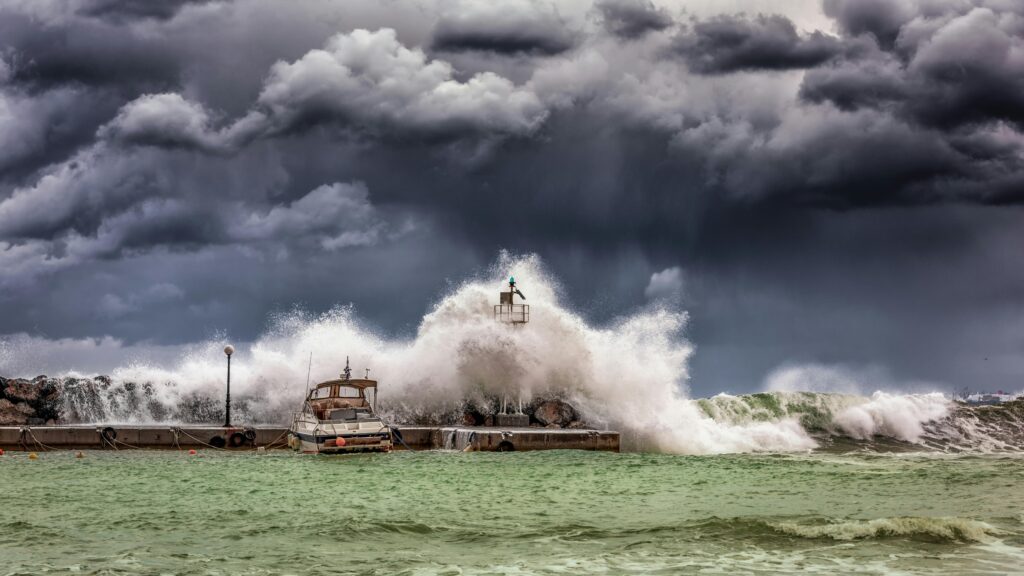
- Economic Recovery: Many of the affected islands rely heavily on tourism, which has been brought to a halt. Damaged resorts, ports, and airports mean recovery will take months, if not years.
- Food Security: Crops have been destroyed across large regions, particularly in Haiti and eastern Cuba, compounding food supply challenges already worsened by economic and climate pressures.
- Environmental Risks: Deforestation, poor land-use practices, and eroded soils have amplified the damage caused by flooding and mudslides.
- Disaster Preparedness: The storm exposed weaknesses in evacuation systems, early-warning communications, and shelter infrastructure, emphasizing the need for investment in resilient urban planning.
- Climate Adaptation: As storms grow stronger and more unpredictable due to climate change, Caribbean nations face an urgent need to build more climate-resilient societies.
Frequently Asked Questions (FAQs)
Q1: When did Hurricane Melissa form and where did it hit first?
Hurricane Melissa developed in late October 2025 and made its first major landfall on Jamaica’s southwest coast as a powerful Category 5 hurricane.
Q2: How strong was the storm at landfall?
At landfall, Melissa had sustained winds of approximately 185 mph (298 km/h) and a central pressure of about 892 mbar, placing it among the most powerful Atlantic hurricanes in recent history.
Q3: Which countries were most affected?
Jamaica, Haiti, and eastern Cuba were the worst affected. The storm also caused flooding and damage in the Dominican Republic, the Bahamas, and other parts of the Caribbean.
Q4: What made this storm particularly dangerous?
Its rapid intensification, the geography of the islands (which increases risk of landslides and flash floods), and unusually warm ocean waters all contributed to the storm’s destructiveness.
Q5: How many people were killed or injured?
Initial reports confirm at least 30 deaths across multiple countries. Dozens more are missing, and thousands have been displaced or injured.
Q6: What kind of support is being provided?
Emergency relief includes funds, shelter supplies, medical aid, and water filtration. Search-and-rescue teams and disaster response experts have been deployed by international agencies.
Q7: How long will recovery take?
Full recovery will likely take several years, particularly in communities that have lost homes, livelihoods, and basic services. Rebuilding efforts will also aim to improve resilience to future disasters.
Q8: Are there longer-term climate risks involved?
Yes. The intensity of Hurricane Melissa highlights how warmer seas and a wetter atmosphere are contributing to stronger and more frequent storms in the Atlantic, affecting vulnerable regions disproportionately.
Q9: What can individuals do to help?
Support through verified humanitarian organizations is the best way to help. Donations to international and local NGOs provide emergency relief and support long-term recovery.
Q10: Is Hurricane Melissa still a threat?
The storm has now weakened and is tracking northward into the open Atlantic. However, it remains a threat to areas like Bermuda and maritime shipping routes due to strong winds and rough seas.
Hurricane Melissa has delivered a stark warning: Caribbean nations, already on the frontlines of climate change, must prepare for a future where such storms may become more frequent and more intense. While the immediate focus remains on saving lives and delivering aid, the broader task ahead is building a safer, more resilient future.
Sources CNN

