
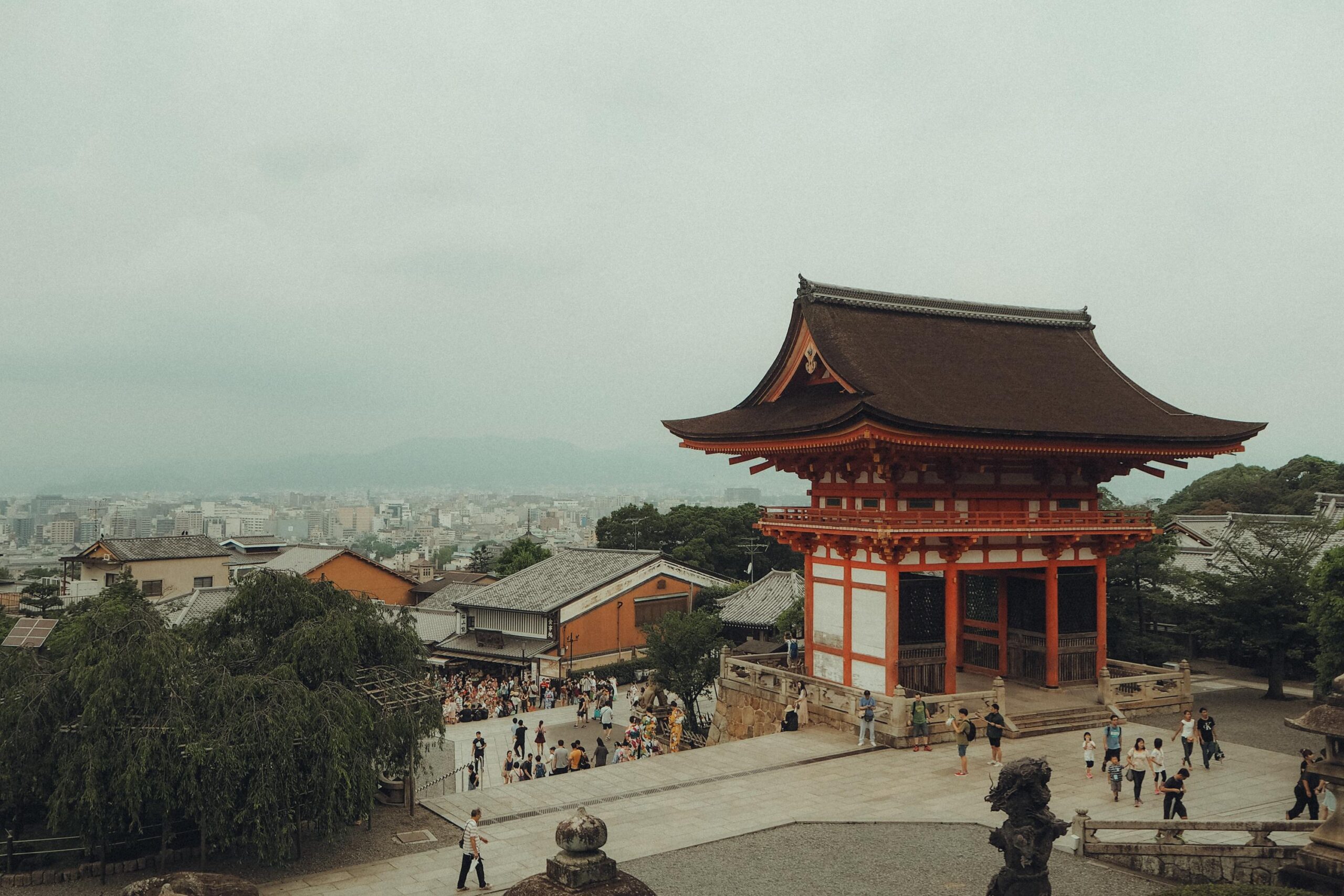
Japan’s hotel industry is undergoing a notable shift: a rising number of aparthotels—properties offering apartment‑style accommodation with in‑room kitchenettes and home conveniences—are opening up or being converted across Japanese cities and tourist destinations. These facilities are proving especially popular with foreign visitors seeking longer stays, group travel (families, friends) or more independent lodging. At the same time, this trend is attracting strong interest from property developers and overseas investors.

Here’s a more detailed look at what’s driving the trend, what the business data show, what challenges remain, and what this means both for travelers and for investors.
What’s Fueling the Rise of Aparthotels
- Traveler Preference for More Space & Flexibility
Many inbound travellers now seek lodging with more autonomy. Rather than a standard hotel room, they prefer:- A kitchenette for self‑catering or longer stays
- Living/dining areas so friends or family can share one unit
- Washing machines or home‑apartment‑style amenities (especially for stays of a week or more)
Since Japan has seen a rebound in foreign visitor numbers (and often a weaker yen making stays relatively more affordable), these options appeal strongly.
- Group & Family Travel Growth
As more visitors come in family groups or multi‑generational parties, standard hotel rooms (usually designed for two) may lack suitable capacity. Aparthotels enable 3‑4 (or more) travellers to stay together in one unit, which is cost‑efficient and comfortable. - Investment Landscape & Real Estate Appeal
The accommodation supply‑side is responding to demand:- Developers and property investors are converting older residential or commercial buildings into aparthotel units, finding demand for that style high in Tokyo, Kyoto, Osaka, and resort regions.
- Outside cities, resort regions (Hokkaidō, Okinawa, regional Japan) are also seeing aparthotel growth as “stay longer / home‑away‑from‑home” vacations become more common.
- Foreign investment is flowing into Japanese hospitality real‑estate: a weak yen, relatively stable political/economic environment in Japan, and rising inbound tourism combine to make hospitality/real‑estate attractive.
- Short‑Stay & Mid‑Term Visit Accommodation Gap
There remains a shortage of accommodation suitable for longer stays (over a week) or for travellers who want hotel‑style services but home‑style amenities. Aparthotels fill that niche between full serviced apartments (which may be costly) and traditional hotel rooms. - Regional Tourism & Diversification Push
The Japanese government has targeted not just big cities but also regional destinations to spread tourism. Aparthotels support this: visitors staying longer in regional towns may prefer “apartment”‑style lodging rather than basic hotel rooms.
Key Business and Market Insights
- According to recent industry‑reports, Japan’s hotel transactions and investment volumes are rising, especially in the context of inbound tourism recovery.
- Occupancy rates and average daily rates (ADR) in major cities are higher than in many past years. This makes new lodging development economically viable.
- In the hotel‑investment space, both domestic and international investors are active; the aparthotel segment is emerging as a targeted niche.
- In major urban areas demand for accommodation for large groups is still outpacing supply, and aparthotels are especially suited to serve that gap.
- Real‑estate articles identify tourism‑driven property demand (including aparthotels) in regions such as Tokyo, Kyoto, Hokkaidō, Okinawa—locations with strong foreign‑visitor appeal and accommodation supply‑constraints.

What the Original Article Covered and What More Should Be Added
The source covered the rise of aparthotels in Japan, noting their appeal to foreign tourists seeking home‑style stays and the investment opportunities this creates for construction/real‑estate companies. To deepen understanding, consider the following additional dimensions:
- Detailed occupancy and revenue performance for aparthotels: How do they compare to standard hotels in terms of ADR, length‑of‑stay, turnover? Are they achieving higher yields?
- Regulatory and zoning implications: Converting buildings into aparthotels often requires navigating local hotel‑business licensing, residential zoning, fire/building codes—what challenges do developers face?
- Guest‑profile breakdown: Which nationalities, travel‑styles (family vs solo vs business) favour aparthotels? Are certain markets especially strong (e.g., Southeast Asia, Australia, US)?
- Seasonality and length‑of‑stay shifts: Are aparthotels seeing longer average stays than hotels? Are they more resilient in off‑peak tourism seasons?
- Management and services model: What services do aparthotels provide (housekeeping, front‑desk, amenities)? How does the service level affect cost and profitability?
- Impact on local housing/residential markets: In some cities, growth of tourism accommodation affects rental housing availability and prices—are aparthotels contributing to or balancing that effect?
- Sustainability and guest‑experience factors: Are aparthotels leveraging amenities such as self‑catering to reduce guest cost, encourage local grocery/shopping spending, or improve environmental footprint?
- Regional vs city differences: The lodging business in Tokyo vs a regional resort is very different—what business‑models differ for aparthotels across regions?
- Risk factors: What are the risks (construction cost rise, labour shortage, regulatory change, tourism shocks)? How sensitive are aparthotel returns to changes in inbound‑tourism numbers?
- Long‑term trends: With the tourism sector still evolving post‑pandemic, how sustainable is the aparthotel growth trend? Will demand remain or will it shift back to more conventional hotel rooms?
Implications for Travellers & Investors
For Travellers:
If you’re a foreign visitor to Japan: opting for an aparthotel can mean more space, flexibility (kitchen, laundry), better value for groups or longer stays, and a more “local living” feel. However, you should check service level, location (near transport), building quality, and whether kitchen/laundry amenities are actually usable (e.g., full size vs compact).
For Investors and Developers:
Aparthotel development offers a differentiated lodging product that caters to rising inbound‑tourism demand and mid‑term stays. Key considerations: site location, ease of conversion, licensing, design adequacy for foreign guests (multi‑language, flexible check‑in, kitchen amenities), operational / staffing model, and how the aparthotel competes with both hotels and serviced apartments. Also consider how tourism flows might shift regionally, how demand for longer stays might evolve, and how macro‑factors (yen, visa policy, global travel) impact returns.
FAQs: Commonly Asked Questions
Q1. What exactly is an “aparthotel”?
An aparthotel (apartment‑hotel) is lodging that combines the amenities of a hotel (front‑desk, services) with the space, kitchen and self‑catering features of an apartment—often with in‑room washers, kitchenettes, dining/living areas.
Q2. Why are foreign tourists in Japan choosing aparthotels more now?
Because they offer better value and flexibility for longer stays, for groups/families, and for travellers who prefer cooking or staying somewhere that feels more like a home than a standard hotel room.
Q3. Are aparthotels more expensive or cheaper than typical hotels in Japan?
It depends on the stay‑length and group size. For solo short‑stay guests, a hotel may still be cheaper. But for groups, families, or stays of several nights, an aparthotel often costs less per person and offers more space, making it cost‑efficient.
Q4. Are there any drawbacks for travellers choosing aparthotels?
Potential drawbacks include fewer hotel‑style services (may have limited housekeeping), location might be less central if the building was converted, building age/design may not match new hotel features, and kitchen amenities may vary in quality. Always check guest reviews.
Q5. What needs to be considered by investors thinking about aparthotel properties in Japan?
Key factors: location and transport access; guest‑demand trends (inbound tourism, length‑of‑stay); building conversion vs new build costs; regulatory/licensing compliance; operational model and staffing; competition; risks such as tourism fluctuations or regulatory changes.
Q6. How does the Japanese tourism market support this trend?
Japan has seen inbound tourism rebound strongly, increased foreign‑visitor spending, and government support for tourism infrastructure and accommodation supply. That macro demand underpins lodging investment and new accommodation formats like aparthotels.
Q7. Are aparthotels subject to any special regulation in Japan?
Yes—accommodation businesses in Japan are regulated under the Hotel Business Act and local prefectural licensing. Conversions from residential or commercial to aparthotel may require change of use, building code compliance, fire and safety standards, and local permissions.
Q8. Is the aparthotel trend limited to Tokyo / big cities?
No—it is more pronounced in major cities due to high demand and space constraints, but regional tourism destinations (Hokkaidō, Okinawa, Kyoto region) are also seeing growth in aparthotel or serviced‑apartment style accommodations.
Q9. What kind of return on investment (ROI) can be expected?
ROI depends highly on occupancy rate, ADR, cost base, conversion cost, and length‑of‑stay mix. Given strong inbound demand, high occupancy is achievable in prime locations, but investors must model downside scenarios (tourism shocks, higher costs).
Q10. What are the risks to the aparthotel segment?
Risks include oversupply (leading to lower ADR), labour and staffing shortages (Japan’s hospitality sector faces workforce constraints), regulatory tightening (e.g., short‑stay rental restrictions), tourism demand shocks (pandemics, economic downturns), and cost inflation (construction, energy).
Final Thoughts
The growth of aparthotels in Japan reflects a changing tourism landscape—one in which foreign visitors seek independent, flexible, home‑style accommodation, and landlords/investors respond with supply innovation. For travelers, aparthotels offer an appealing alternative to conventional hotels. For investors, they present a dynamic lodging niche with strong demand drivers. That said, success will depend on location, guest‑experience quality, regulatory compliance and smart operation.
Sources Japan Today

