
Why the Tourism Industry Is at a Digital Inflection Point
Tourism has historically been about physical movement, accommodations, local experiences and human-led interactions. But several trends have accelerated the need for digital transformation:

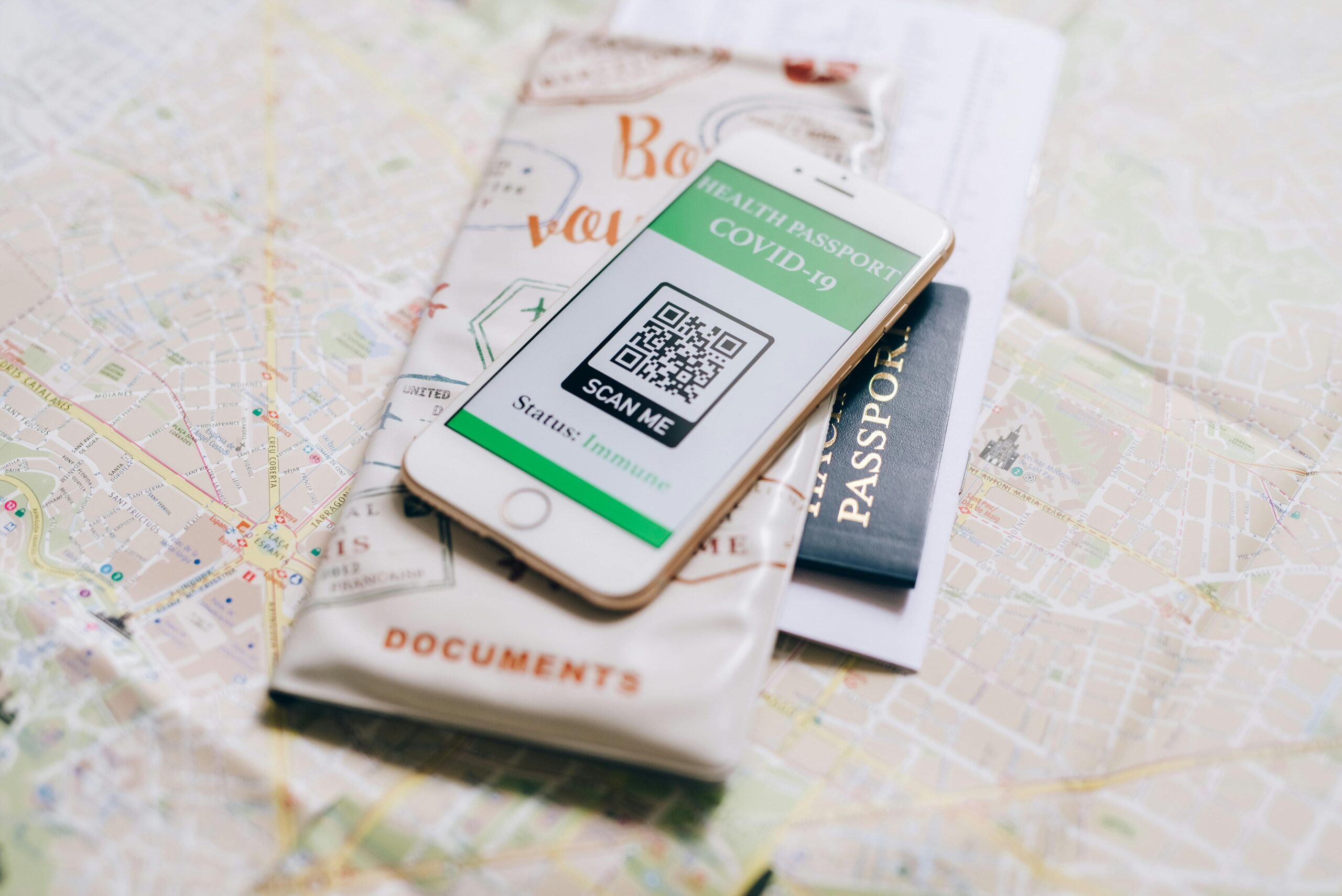
- The pandemic accelerated consumer expectation of digital touchpoints: contactless check-in, remote booking, virtual experiences.
- Travel markets are becoming more global, more competitive, and more driven by experience rather than just destinations — meaning greater demand for personalization, data, real-time responsiveness.
- Destinations face challenges of overtourism, resource constraints, environmental and social pressures — and digital tools offer new ways to manage flows, measure impact and optimize infrastructure.
- Connectivity, cloud, artificial intelligence, edge computing and IoT have matured to a point where many use-cases previously theoretical are now viable in tourism.
- Stakeholders (governments, destinations, hotels, tour operators) recognize that digitization is not optional but strategic — digital maturity is increasingly a differentiator.
In short: tourism is shifting from “sell more trips” to “deliver smarter, more sustainable, more experience-rich trips” — and technology is a key enabler.
How Technology Is Being Applied: Key Use-Cases
1. Personalization & Smart Experiences
- AI and big data systems analyze traveler profiles, behavior, past itineraries and preferences to curate customized offers.
- Hotels embed AI-driven concierge bots, voice assistants, and personalized room settings.
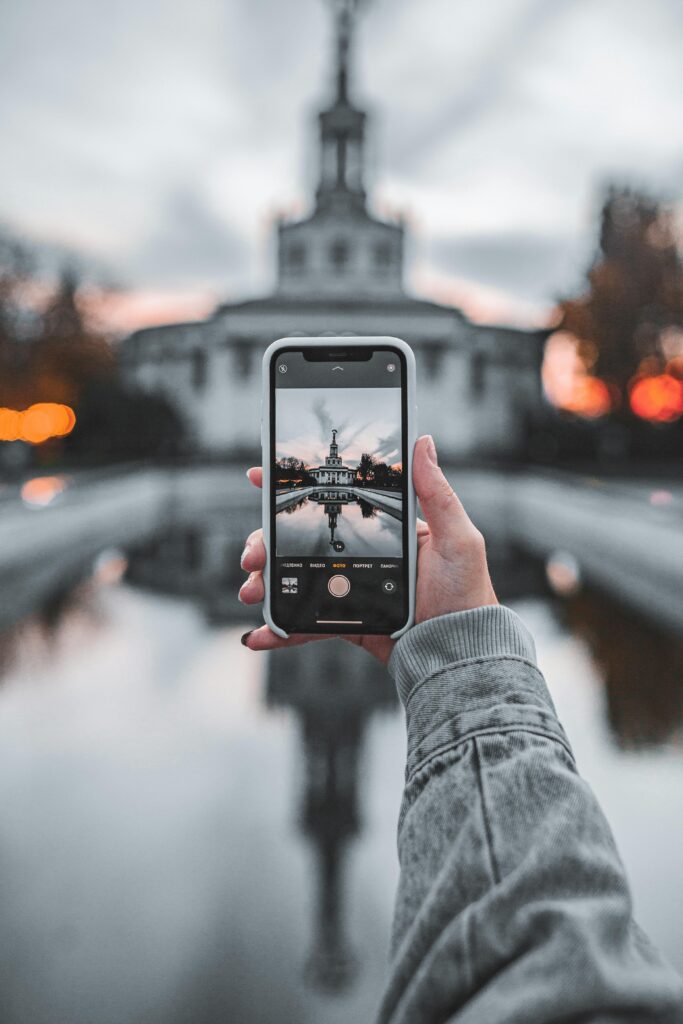
- At airports and transport hubs: facial-recognition, biometrics, mobile boarding, luggage tracking improve traveler satisfaction.
- AR/VR tools enhance on-site experience, offering immersive history or cultural context.
2. Destination & Infrastructure Intelligence
- IoT sensors and mobile data help destinations monitor visitor flows, detect congestion, and manage capacity dynamically.
- Tourism Intelligence Systems (TIS) allow planners to visualize real-time data on visitor behavior, spending, and impact.
- Smart transport links and predictive analytics improve logistics and flow management.
3. Operational Efficiency & Cost Reduction
- Automation in hotels: digital check-in/out, digital keys, room management, guest communication.
- Contactless travel flows: luggage handling, mobile access, remote concierge.
- Resource management: IoT systems track and optimize use of electricity, water, and heating — reducing costs and improving sustainability.
4. Sustainability & Inclusive Growth
- Shift focus from visitor volume to value and sustainability.
- Platforms promote local, low-impact experiences.
- Public-private partnerships foster digital inclusion and responsible tourism.
- Smart tools allow destinations to minimize environmental impact and protect local heritage.
Gaps and Opportunities
What’s Missing or Under-Explored
- Data privacy and ethics: Who owns the data? Is consent transparent and informed?
- Digital equity: Many small tourism businesses lack the resources for tech adoption.
- Integration challenges: Fragmented systems and outdated infrastructure can slow adoption.
- ROI metrics: Success must go beyond tourist numbers and include well-being, sustainability, and local benefit.
- Cultural preservation: Technology must support — not replace — authentic local experiences.
- Resilience planning: Digital tools should help destinations recover from crises and adapt to climate risks.
- Sustainable tech: The energy and hardware footprint of digital infrastructure itself must be considered.
- Human balance: Tech is a tool, not a substitute for people — local communities must stay central in the tourism experience.
What the Future Holds
- AR/VR immersion: Travelers will explore destinations virtually before or during their trip.
- Generative AI: Tools that build real-time, hyper-personalized itineraries and voice guides.
- 5G & edge computing: Enabling real-time experiences with no delay.
- Blockchain: Used for secure payments, loyalty programs, or visitor identification.
- Regenerative tourism: Measuring and rewarding positive contributions by visitors.
- Universal accessibility: AI-powered tools to serve all demographics, including people with disabilities.
- Resident integration: Platforms that include local voices in tourism decisions and alerts.
FAQs: Common Questions About Technology in Tourism
Q1. What kind of destinations benefit most from digital tourism technology?
Urban centers with dense tourism traffic gain most immediately, but rural or underserved areas can gain competitive advantage by adopting smart tools.
Q2. Is technology going to replace human interaction in tourism?
No. Technology enhances, but does not replace, authentic human engagement. It supports local guides, cultural interpreters, and service staff by reducing repetitive tasks and enabling better experiences.
Q3. Does digital tourism mean more visitors or better visitors?
Ideally, better visitors — those who stay longer, spend more, and align with the destination’s values. Digital tools help filter, engage, and manage this.
Q4. How do small tourism businesses start with digital technologies?
Start with basics: online booking, mobile payment, social media engagement. Gradually add customer analytics and automation as capacity grows.
Q5. Are there privacy or ethical concerns with collecting visitor data?
Yes. Transparency, data anonymization, opt-in policies, and secure data practices are essential to building trust and meeting regulations.
Q6. Can technology help make tourism more sustainable?
Yes — by minimizing waste, shifting peak demand, promoting local businesses, and optimizing energy/resource use.
Q7. What are the risks of over-digitizing tourism?
Depersonalization, exclusion of those less tech-savvy, over-surveillance, and losing cultural authenticity are risks. Balance is essential.
Q8. How can destinations measure ROI from tourism technology investments?
Track KPIs beyond visitor count: length of stay, local spend, guest satisfaction, local business growth, infrastructure savings, and sustainability indicators.
Q9. What’s the timeline for major digital transformation in tourism?
Urban destinations may see smart systems in 3–5 years; others will take 5–10 years depending on investment, training, and policy.
Q10. How should travelers engage with digital tourism experiences?
Use apps and services that enhance your experience, but stay curious about the local people, culture, and values. Choose tech-enabled services that prioritize community impact.
Final Thoughts
Digital transformation is no longer a luxury for the tourism sector — it’s a necessity. As travelers become more connected and experience-driven, and as destinations seek to balance growth with sustainability, technology offers tools for smarter, safer, and more inclusive tourism. But success depends on how these tools are applied — with ethics, equity, and local community engagement at the center.
Sources Telefonica

