
A Surge in Visitor Numbers
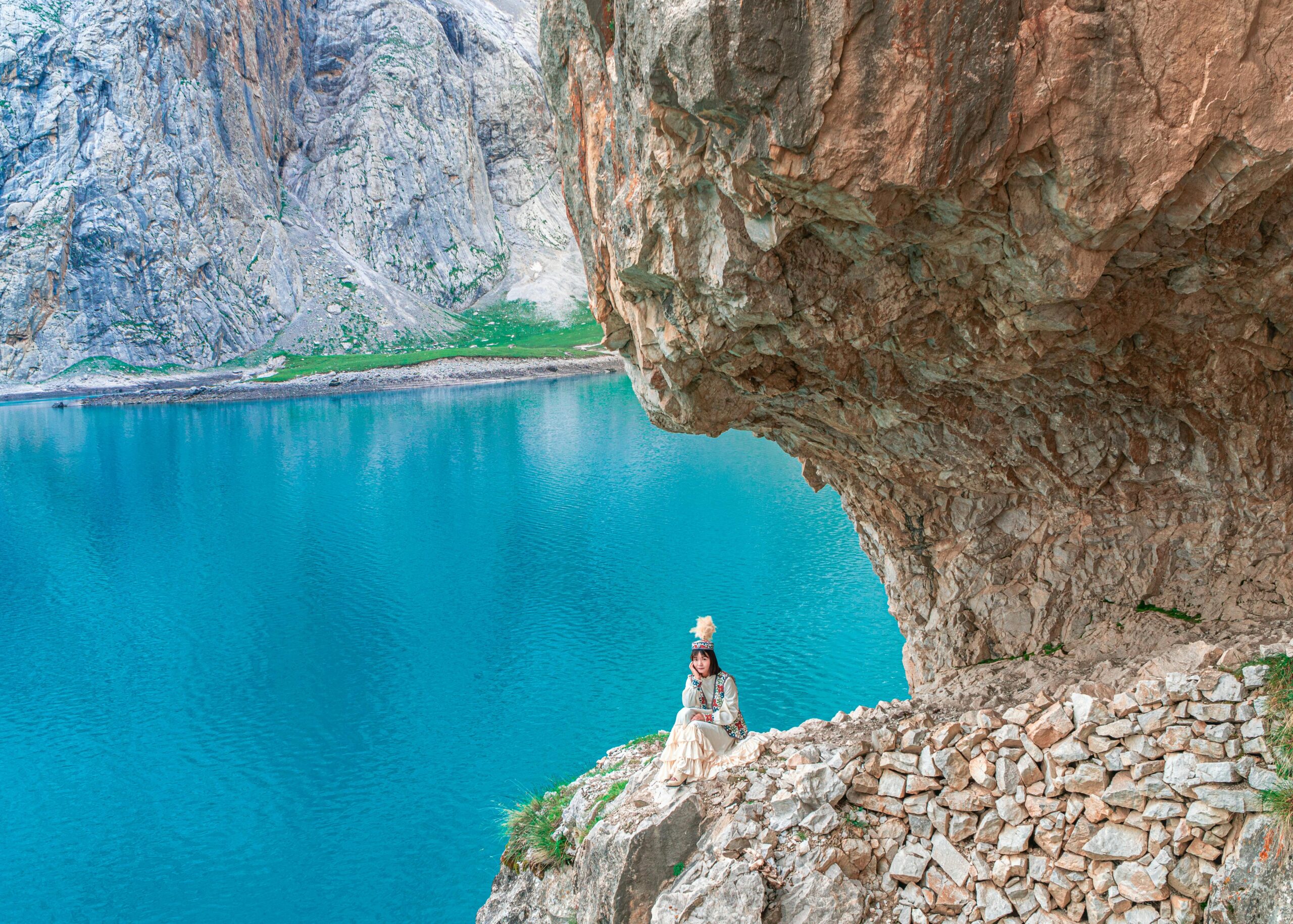
In 2024, Xinjiang recorded a staggering 300 million tourist visits, marking a year‑on‑year increase of about 14 %. The region reported tourism revenue of approximately 355.2 billion yuan (≈ US$49.4 billion). The region spans roughly one‑sixth of China’s land area, and the sheer scale of overnight stays and day‑visits underlines its growing prominence as a travel destination.
What’s Driving the Growth?
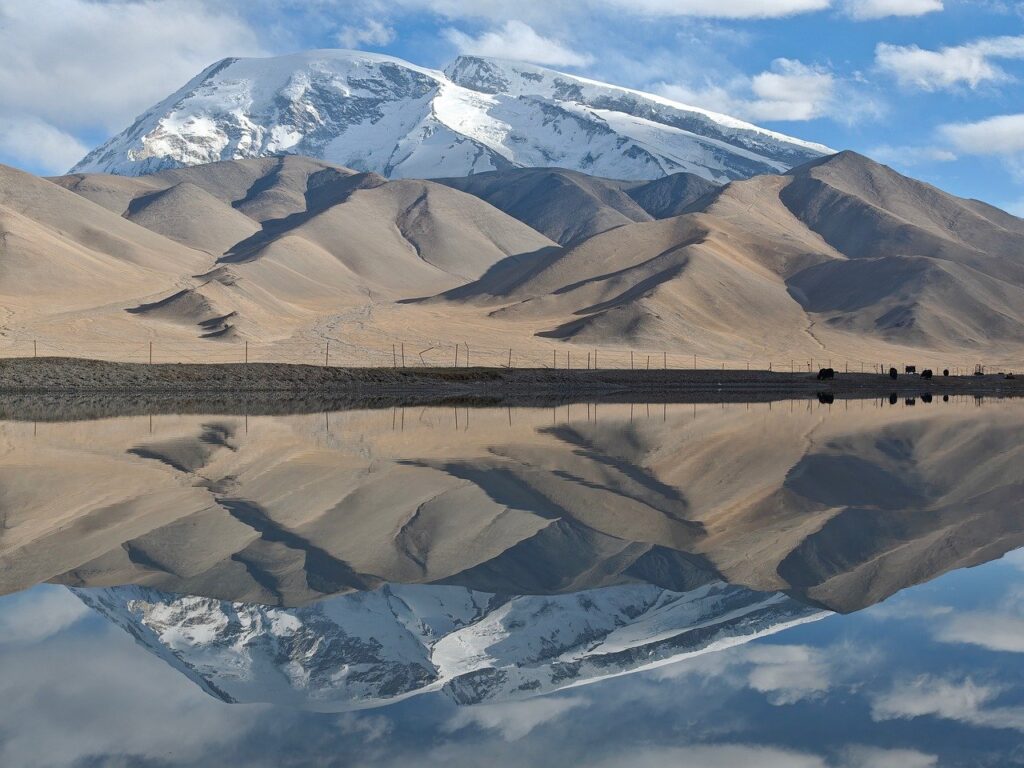
Natural and cultural assets: Xinjiang boasts dramatic landscapes—from the Tianshan Mountains to desert dunes, and historic Silk Road cities like Kashgar. These offer striking visuals suited to travel marketing.
Infrastructure upgrades: Improved transport links (flights, roads, high‑speed rail), easier visa/border procedures, and enhanced tourist‑friendly services have lowered barriers.
Domestic tourism push: A large share of the visitors are domestic Chinese tourists. Given that Xinjiang remains relatively less visited compared to coastal hubs, big campaigns to draw domestic travellers have played a major role.
Strategic promotion: The region has released tourism‑blueprint targets—e.g., aiming for 350 million annual visits by 2026, and considering a long‑term goal of 400 million visits and RMB 1 trillion (~US$140 billion) in annual revenue by 2030.
Cross‑border appeal: Border zones in northwest China increasingly cater to inbound tourists from neighbouring Central Asian countries, further boosting border crossings and regional tourism volumes.
What Tourists See
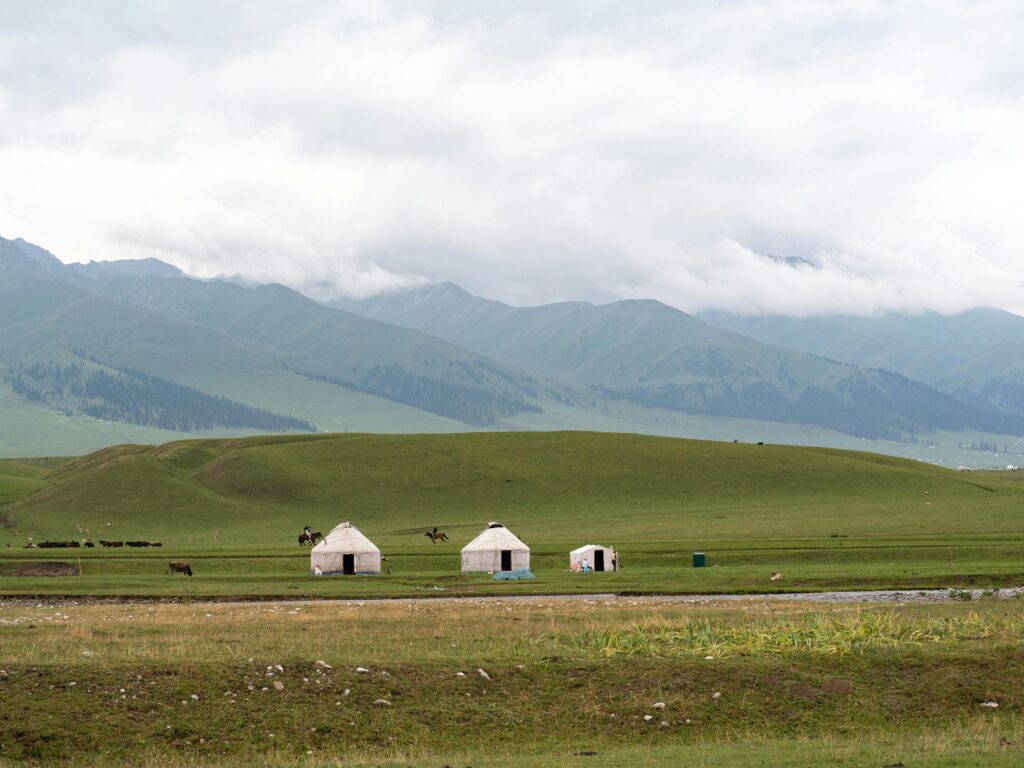
Visitors typically experience the scenic side of the region: lakes, mountains, ancient towns, ethnic‑culture bazaars, winter sports resorts. Tourism packages often emphasise “Silk Road heritage”, Uyghur‑style cuisine and welcoming homestays in rural Xinjiang.
These are real experiences, and many travellers report positive memories of natural beauty and hospitality.
But There’s a Side They Don’t Always See
While the headline numbers and the tourism‑friendly imagery dominate coverage, there are important, often less‑visible dimensions to consider:
- Human‑rights and cultural‑identity concerns: International rights organisations and media reports have documented serious allegations involving the treatment of the Uyghur population and other ethnic minorities in Xinjiang—including mass surveillance, “vocational training” centres, forced labour allegations and cultural‑heritage erasures.
- Narrative‑management in tourism: Some journalists and observers note that media tours and tourism destinations in Xinjiang are managed in ways that prioritise certain narratives, while limiting access or visibility of the lived experience of minority communities.
- Tourism’s local‑impact imbalance: There is limited public data on how much of the tourism revenue benefits local ethnic‑minority communities, versus external operators, hotel chains or state‑owned enterprises. Critics raise questions of whether tourism growth has translated into inclusive development for all local groups.
- Over‑capacity and seasonality risks: Rapid visitor‑growth raises questions about infrastructure strain, environmental stress, lodging oversupply, and whether tourism growth is sustainable or may encounter bottlenecks.
- Geopolitical and reputational factors: Given Xinjiang’s high‑profile international scrutiny, tourism from abroad remains relatively modest compared to the total visitor volume; many visitors are domestic. International travel‑advisories, sanctions, and corporate ethics reviews (for hotel chains operating in the region) also complicate the picture.
The Bigger Picture for Tourism & Development
From a tourism‑economy perspective, Xinjiang’s growth offers several lessons:
- The power of scale: Regions with vast natural and cultural resources can generate large volume growth—if infrastructure, marketing and policy alignment support it.
- The importance of narrative: How a destination brands itself—its safety, accessibility, uniqueness—matters. But brand‑building must be matched with ground‑level experience and infrastructure.
- The dual nature of tourism growth: While growth brings economic opportunity, it also brings risk—environmental, social, cultural and reputational. Managing that dual nature is a key challenge for destinations.
- Domestic vs international balance: Heavy domestic‑visitor share can insulate growth from global turbulence, but international visitor diversity often brings higher spending and global profile.
- Legacy, inclusion and authenticity: For long‑term sustainability, destinations must ensure local communities benefit, cultural authenticity is preserved, and what is presented is more than a “tourist‑friendly stage”.
FAQs: Common Questions About Xinjiang Tourism
Q1. Is the “300 million visits” figure reliable and what does it include?
The figure is provided by Xinjiang’s regional culture and tourism department, and refers broadly to “visits” (including day‑visitors and overnight stays) rather than strictly international arrivals. It reflects a broad metric of tourism activity rather than distinct foreign‑visitor counts.
Q2. Are many foreign (non‑Chinese) tourists visiting Xinjiang?
Foreign‑visitor numbers are much smaller relative to domestic. While border‑crossing traffic and inbound tourism from Central Asia are growing, the bulk of the 300 million figure arises from domestic Chinese tourism.
Q3. Are the landscapes and sights in Xinjiang worth visiting?
Yes. Xinjiang offers spectacular natural scenery (mountains, lakes, deserts), rich Silk‑Road heritage cities, unique cultural experiences (ethnic minority music, food, crafts). For travellers interested in adventurous, off‑main‑track destinations, it can be highly rewarding.
Q4. What should a traveller be aware of before visiting?
Travellers should consider: local customs and sensitivities; visa/border arrangements if coming from abroad; regional development pace (infrastructure may still be remote in parts); and ethical/cultural dimensions such as the local ethnic identity context.
Also check current travel advisories from your country.
Q5. How inclusive is the tourism growth for local ethnic‑minority communities?
Data on benefit distribution is limited. While tourism creates jobs (guides, hotels, transport), questions remain about how equitably economic gains are distributed, how local culture is represented, and whether the expansion undermines cultural or environmental integrity.
Q6. Are there sustainability or overtourism risks in Xinjiang?
Yes. Rapid visitor growth, especially in scenic zones and remote eco‑areas, can stress natural ecosystems, local infrastructure and resident quality of life. Sustainable tourism planning—managing visitor flows, protecting heritage and environment—is necessary.
Q7. Is it safe to travel to Xinjiang?
Within tourism infrastructure, safety is generally maintained. However, the security environment in Xinjiang is tightly controlled; certain minority‑areas may have higher regulation and restricted access. Visitors should follow local guidelines and stay updated on regional travel advisories.
Q8. What is Xinjiang’s tourism target and future outlook?
Xinjiang has set a goal of more than 400 million annual visits and about 1 trillion yuan (≈ US$140 billion) in revenue by 2030. How this will translate in terms of visitor experience, foreign‑visitor diversification, local benefit and sustainability remains to be seen.
Q9. Should international travellers be concerned about the region’s human‑rights issues?
Yes—many international observers and rights organisations raise concerns about the governance of minority populations, ethnic policies and surveillance in Xinjiang. Travellers may consider these issues and how their visit aligns with their personal and ethical values.
Q10. What types of tourism experiences are growing in Xinjiang?
Growing experiences include self‑drive tours along scenic highways, border‑area cross‑country adventures, ethnic‑culture village stays, Silk Road heritage city tours, and eco‑adventure in mountain/desert landscapes. Also, inbound tourism routing from Central Asian neighbours is increasing.
Final Thoughts
Xinjiang’s milestone of 300 million visits in 2024 reflects both opportunity and complexity. For those looking to explore a region of dramatic natural beauty and cultural richness, Xinjiang offers much that is compelling. But at the same time, the tourism boom cannot be separated from the broader context of regional governance, cultural identity and sustainable development. Smart travellers, industry stakeholders and policymakers must balance the appeal of growth with the responsibilities of authenticity, inclusion and awareness.
Sources BBC

