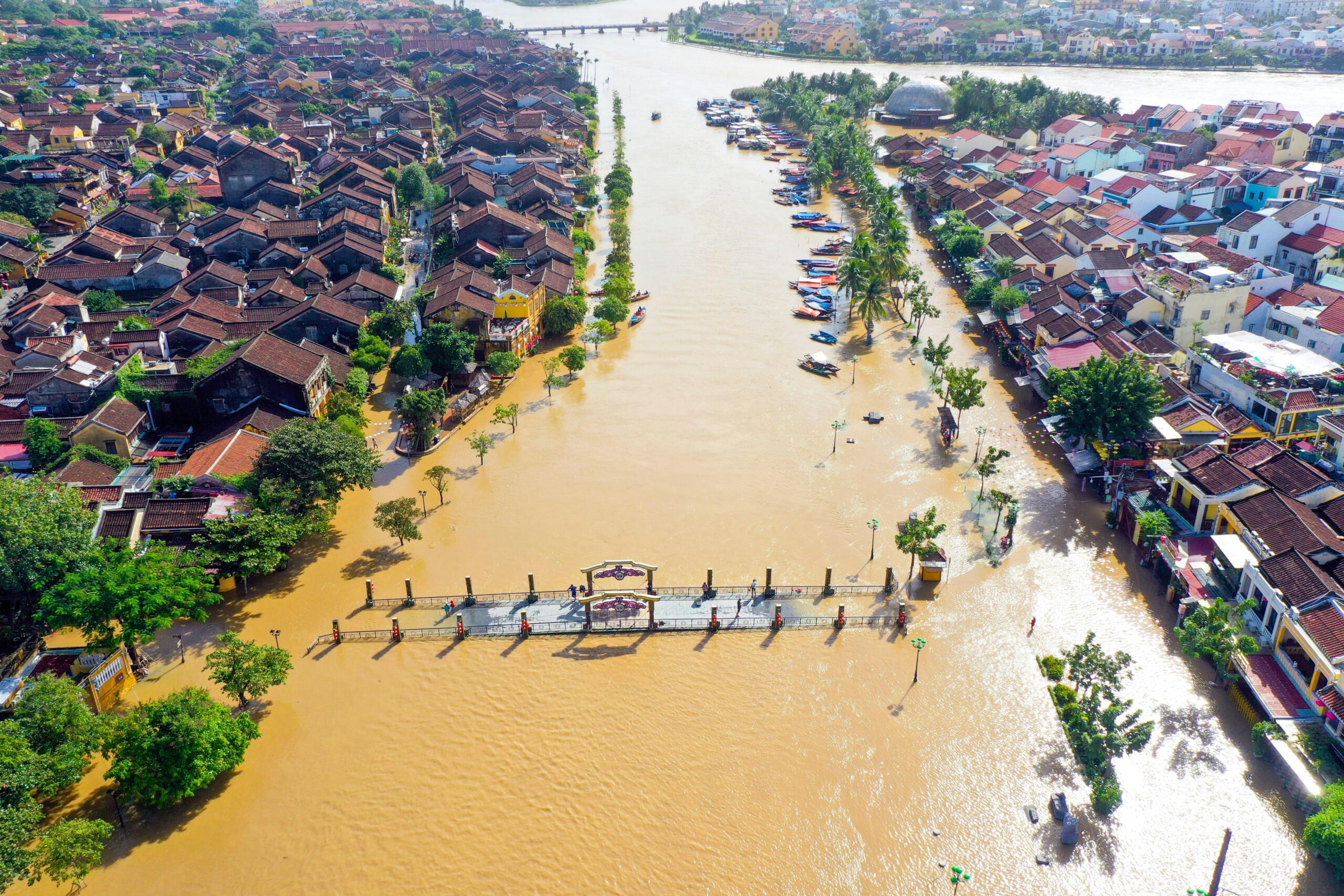
Following the catastrophic flooding of central Vietnam, the historic riverside town of Hội An is showing early signs of recovery—but the road ahead remains long and complex. Once submerged under murky waters and debris, the UNESCO-listed ancient town is already welcoming back tourists even as cleanup efforts continue and underlying risks linger.
A Snapshot of the Situation
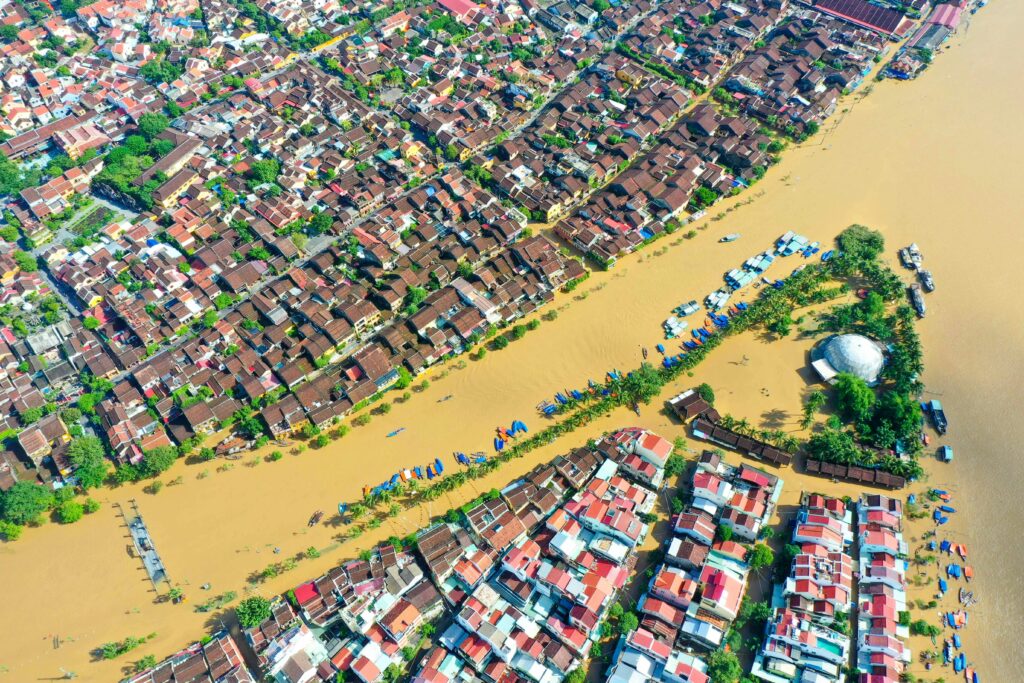
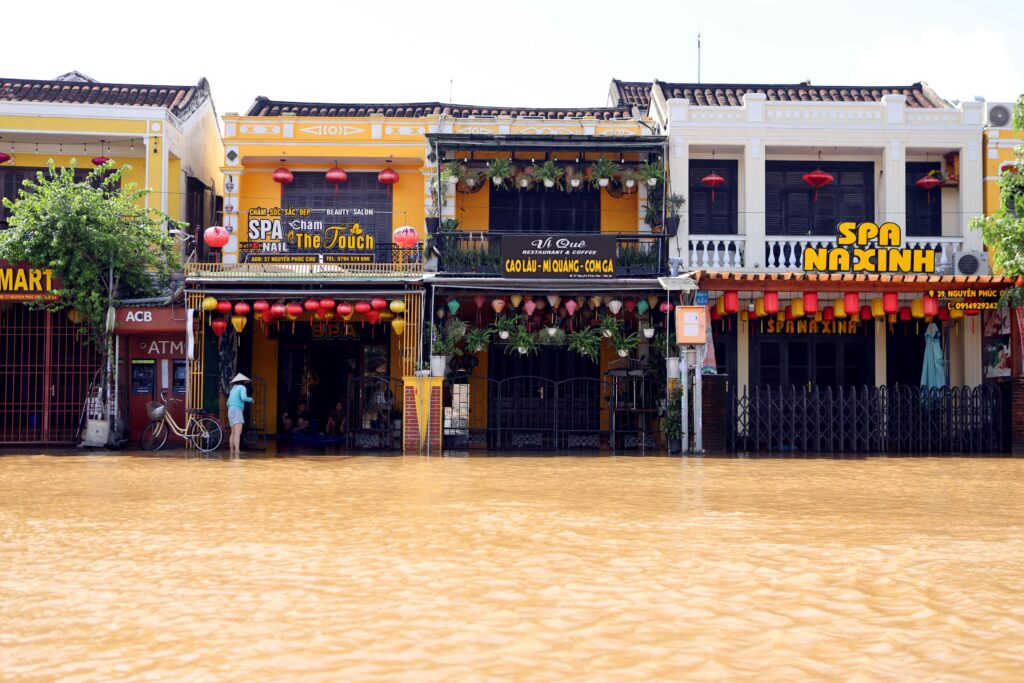
- The floods hit central Vietnam in late October 2025, with record rainfall causing the rivers around Hội An to overflow. The town’s lantern-lit streets, wooden house fronts, and centuries-old merchant buildings were left buried under water and mud.
- At least 35 people were confirmed dead, and five remained missing in the broader area.
- Tourism is vital to Hội An’s economy—more than 4.4 million visitors traveled there last year, with over 3.6 million of them being foreign tourists.
- The floodwaters affected more than 16,000 homes and over 5,300 hectares of crops in the province. Around 75,000 people experienced power outages during the height of the disaster.
What’s Happening Now: Recovery & Reopening
Cleanup & Business Resumption
- Locals, shopkeepers, and municipal teams are actively sweeping out mud, cleaning interiors, restoring furniture, and making essential repairs to buildings—especially in the heritage zones.
- Some hotels, restaurants, and craft shops have reopened, welcoming back early tourist visitors. While services are limited, this marks a crucial first step in the town’s economic recovery.
- Officials have stated that while parts of the town are operational again, full tourism capacity may take months to achieve. Many businesses are still sourcing materials, repairing damage, and coping with disrupted supply chains.
Infrastructure & Heritage at Risk
- While main streets are mostly accessible, side alleys and backstreets remain muddy, with some areas still closed off due to safety concerns.
- Heritage buildings, especially timber structures, are vulnerable to moisture damage, mold, and structural weakening. Conservationists are now assessing long-term impacts.
- River levels continue to be monitored closely, as more rain could trigger renewed flooding or further strain on already damaged infrastructure.
Underreported Challenges and Realities
- Financial damage estimates to small tourism businesses have not yet been fully disclosed, although many owners report losses in the thousands of U.S. dollars.
- Rural communities—particularly farmers and producers of goods that support tourism—have been significantly impacted but received less media attention.
- The return of regional and domestic tourists has begun, but their travel patterns, spending habits, and behavior differ from international visitors—something that has not been widely explored.
- Plans for heritage preservation, funding for cultural restoration, and rebuilding of lantern workshops and artisanal zones are still being formed.
- The emotional toll on residents, especially small business owners and artisans who rely on consistent tourist traffic, is immense. Many are facing mounting debt and uncertain incomes.
Looking Ahead: Key Considerations
- Tourism Rebound vs. Risk: Reopening is important for the economy, but if the area is hit again by heavy rains, heritage zones may be at risk. Sustainable recovery will require long-term planning and risk mitigation.
- Seasonal Weather: October is part of Vietnam’s monsoon season. Until weather stabilizes, the risk of additional rain remains. Flexible tourism scheduling and emergency preparedness are essential.
- Authenticity and Preservation: Balancing the need to reopen quickly with the responsibility to restore heritage structures authentically will be a test for local authorities.
- Inclusive Economic Recovery: Ensuring that small, locally owned businesses—like lantern makers, street vendors, and boat tour operators—receive support is crucial for a community-centered revival.
- Climate Resilience: These floods underscore the growing impact of climate change. Hội An, and other flood-prone heritage cities, must invest in long-term resilience strategies.
Frequently Asked Questions (FAQs)
Q1: Is Hội An safe for tourists now?
Yes. Many areas of the historic town have reopened to tourists. However, visitors should stay updated on local advisories, avoid restricted zones, and be mindful of recovery efforts still in progress.
Q2: What happened to the tourism businesses?
Hotels, restaurants, shops, and artisan studios faced significant damage from floodwaters and mud. Many had to close temporarily and are now undergoing repairs. Some are already back in operation, though not at full capacity.
Q3: When will everything be back to normal?
That depends on the severity of the damage to individual businesses and buildings. Full recovery may take several months, especially in areas where structural repairs or conservation work is needed.
Q4: Are the heritage buildings badly damaged?
Some are. Many structures in Hội An are made of wood and are vulnerable to moisture-related deterioration. Conservationists are assessing damage and prioritizing the preservation of key sites.
Q5: Will future tourist seasons be affected?
It’s possible. Visitor confidence and infrastructure resilience will both play roles. However, strong recovery efforts, clear communication, and international support can help restore tourism.
Q6: What should tourists do before visiting?
Travelers should check the latest local updates, confirm that accommodations and attractions are open, book flexible travel plans, and consider purchasing travel insurance.
Q7: How are local residents being supported?
Cleanup operations are ongoing, and the government is offering some aid. However, many small business owners are still in need of financial assistance, equipment, and long-term support to fully recover.
Q8: Was this just a rare event or part of a larger trend?
While central Vietnam experiences seasonal flooding, the intensity and damage caused by this event were unusually high. Experts link such events to climate change and increased weather volatility.
Q9: What happened to Hội An’s traditional crafts and tours?
Lantern makers, boat tour operators, and street vendors were affected, with many losing stock and workspaces. Recovery is underway, but the return of these cultural experiences will depend on stable conditions and ongoing support.
Q10: Should tourists cancel their trips to Hội An?
No, not necessarily. With parts of the city open and eager to receive visitors, tourism can actually support the recovery. Just be informed, flexible, and respectful of the rebuilding efforts.
As Hội An rises from the muddy waters of disaster, its people are once again showing the resilience, warmth, and cultural richness that made the town a global treasure. For visitors, the return to this historic gem is not just about travel—it’s about supporting recovery, honoring heritage, and experiencing a community’s determination to rebuild better and stronger.

Sources Reuters