
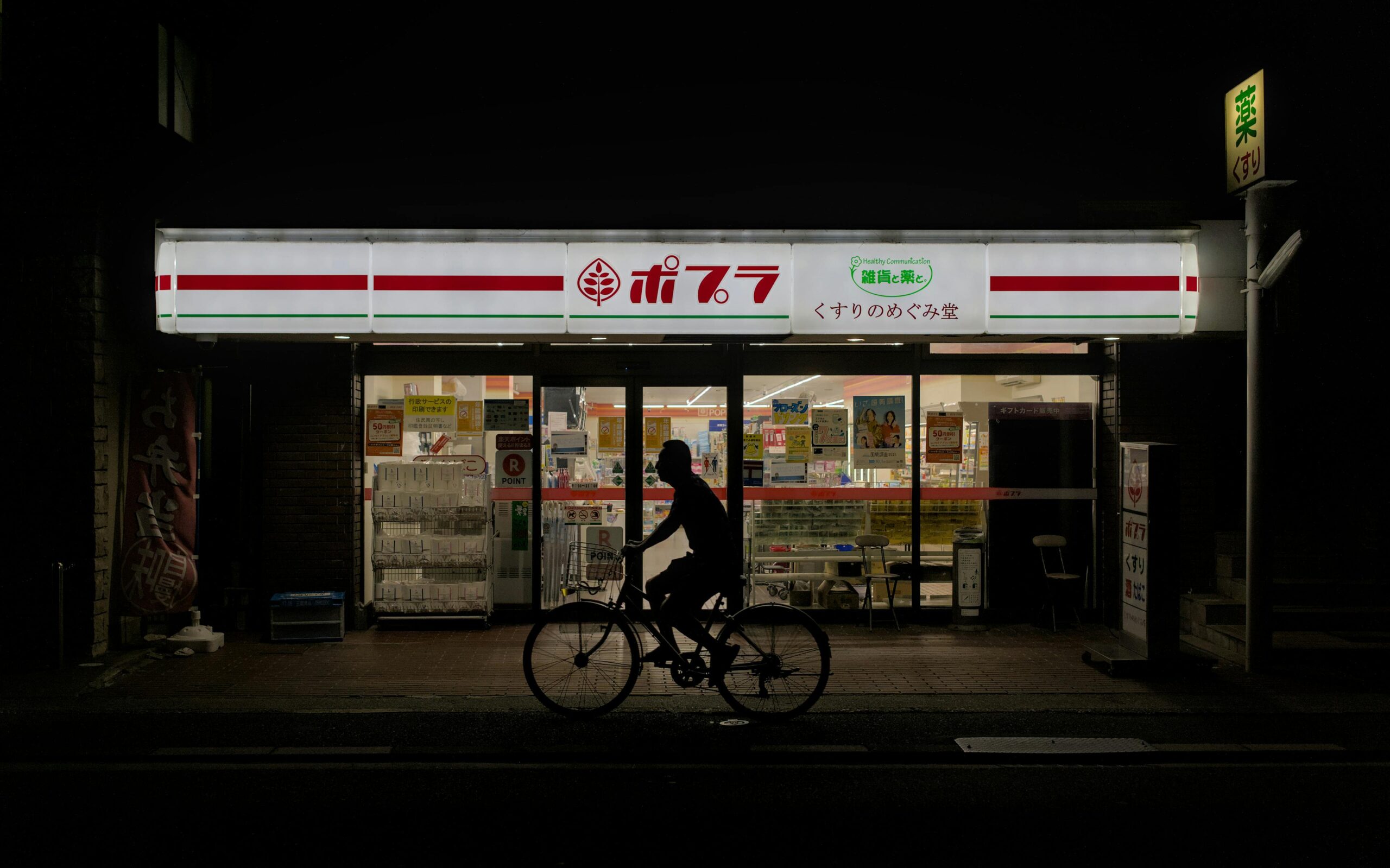
Japan’s ubiquitous convenience stores—known as konbini—have long been staples of everyday life, but recently these brightly lit corner shops are gaining status as tourist attractions in their own right. What once was simply a grab‑and‑go stop has transformed into an experience—one driven by food novelty, social‑media fascination, cultural curiosity and even retail tourism. Below is a more comprehensive look at this phenomenon: what’s fueling it, how it plays out in Japan, what tourist‑visitors are really doing there, and the implications for travel and retail.
What’s Going On
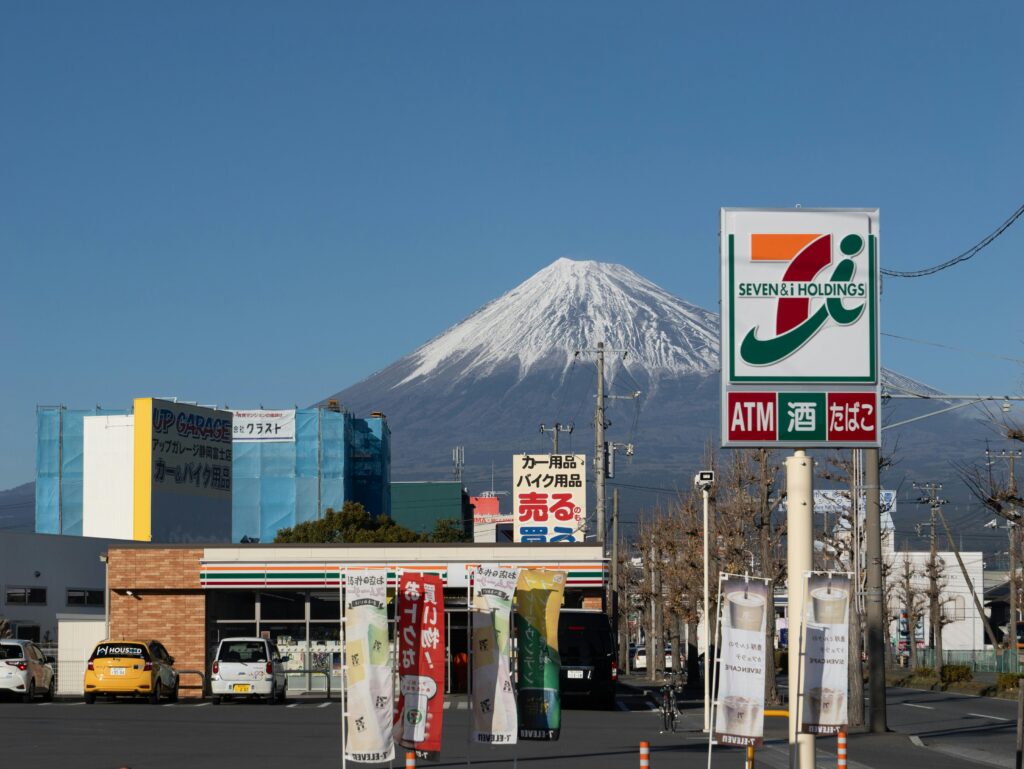
- Japan has over 50,000 + convenience stores, with the big three chains—7‑Eleven, Lawson and FamilyMart—dominating urban and suburban corners alike.
- For many foreign visitors, the konbini is becoming a must‑stop experience. Tourists are photographing onigiri displays, sampling limited‑edition snacks, browsing aisles for quirky goods, and posting their discoveries on Instagram or TikTok—thus feeding a self‑reinforcing cycle of interest.
- Beyond snacks, the attraction of konbini lies in their services: 24 / 7 access, multilingual payment options, ATMs accepting foreign cards, ticket‑machines, parcel pick‑up/delivery services, regional snack collabs, and highly curated limited‑edition foods.
- The concept of “konbini sightseeing” or “supermarket tourism” is emerging: where tourists visit not just temples, parks or museums, but convenience stores as part of the travel experience.
- The appeal cuts two ways: for international visitors it offers a glimpse into Japanese everyday culture (efficiency, cleanliness, novelty); for locals it remains an indispensable infrastructure (food, services, convenience).
Why It’s Gaining Steam
- Novelty & Social Media: The combination of colorful packaging, unique flavors (matcha KitKats at a konbini, regional bentos, fried‑chicken snacks) and ever‑changing product lines gives content creators easy, engaging visuals. Videos labelled “One day eating only at konbini in Tokyo” regularly garner thousands of views.
- Retail Experience Culture: The konbini offers a retail experience that is both hyper‑efficient and highly varied. Rather than just buying a snack, a visitor might pay a utility bill, buy a train ticket, withdraw cash, send a package—all in one visit. That depth of service elevates the store beyond “just a convenience store.”
- Localization & Regional Flavour: Many chains adapt items regionally (Hokkaido‑only miso ramen snack, Okinawa pineapple drinks), so traveling through Japan means discovering different products in each region. That “collectible” quality encourages visits.
- Tourism Strategy & Infrastructure: As Japan continues to promote inbound tourism, the konbini fits neatly into the visitor ecosystem—open late, centrally located, multilingual friendly, cash‑and‑card friendly, always reliable. For a tourist without time to hunt for “authentic local food,” a konbini is a safe bet.
- Affordability & Accessibility: For budget‑conscious travelers, a konbini meal is cheap, fast and safe. You can pick up a warm bento for under ¥600 (~US$4‑5) or a snack for ~¥150. This practicality appeals.
How It Plays Out in Practice
- A visitor jumps off the train in Shinjuku, heads into a nearby Lawson at midnight: they grab a freshly fried “Famichiki” (FamilyMart’s fried‑chicken snack), a premium onigiri, a special‑edition seasonal dessert, withdraw cash at the ATM, grab free WiFi, and take a selfie in front of colorful snack shelves.
- On the same night, another tourist in Osaka visits a 7‑Eleven to buy regional fruit‑sandwiches (melonpan), escalates to a ticket machine for a pop‑concert, and uses the parcel counter to send luggage ahead to their next hotel—treating the konbini as a travel hub.
- In rural areas, tourists visiting a hot‑spring town (onsen) may drop into a Mini Stop or Daily Yamazaki to sample a local sweet, pick up a cold brew, or claim a prize in a stamp‑rally (a collect‑the‑store‑visits gimmick popular in Japan) tied to the convenience‑store chain.
- Travel bloggers increasingly list “Konbini exploration” as a sub‑activity—“Best 10 snacks to try at Japanese convenience stores” lists accumulating thousands of social hits.
- Chains monitor this trend: some release “tourist‑friendly” product sets, bilingual signage, souvenirs in the konbini snack aisle, and limited‑edition goods that travel‑shoppers will buy and post.
What’s Often Overlooked
- Sustainability & Labour: The demand for novelty and constant change places pressure on logistics, staff and supply‑chain. That part of the story seldom reaches travel media.
- Impact on Local Food Culture: While konbini are lauded by tourists, how does this affect smaller local eateries or markets? Some locals argue that easy access to packaged meals may reduce patronage of neighborhood supermarkets or restaurants.
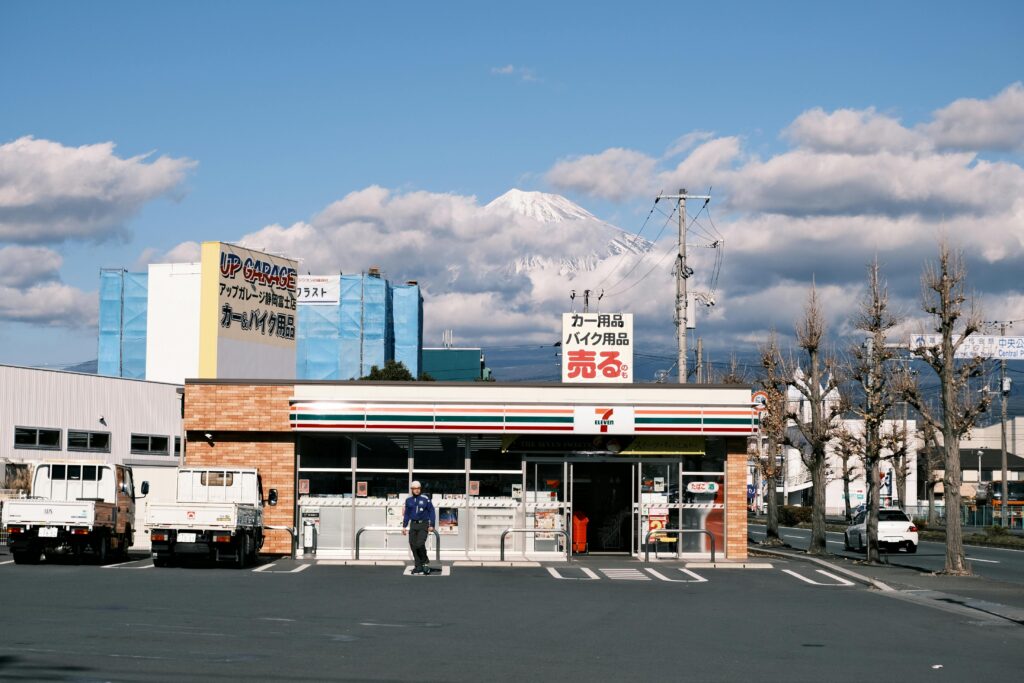
- Regional Disparities: In major urban zones, konbini tourism is visible; in rural or remote areas their role may be different—serving local needs more than tourist “snack hunts.” The “tourist konbini” trend may be urban‑centric.
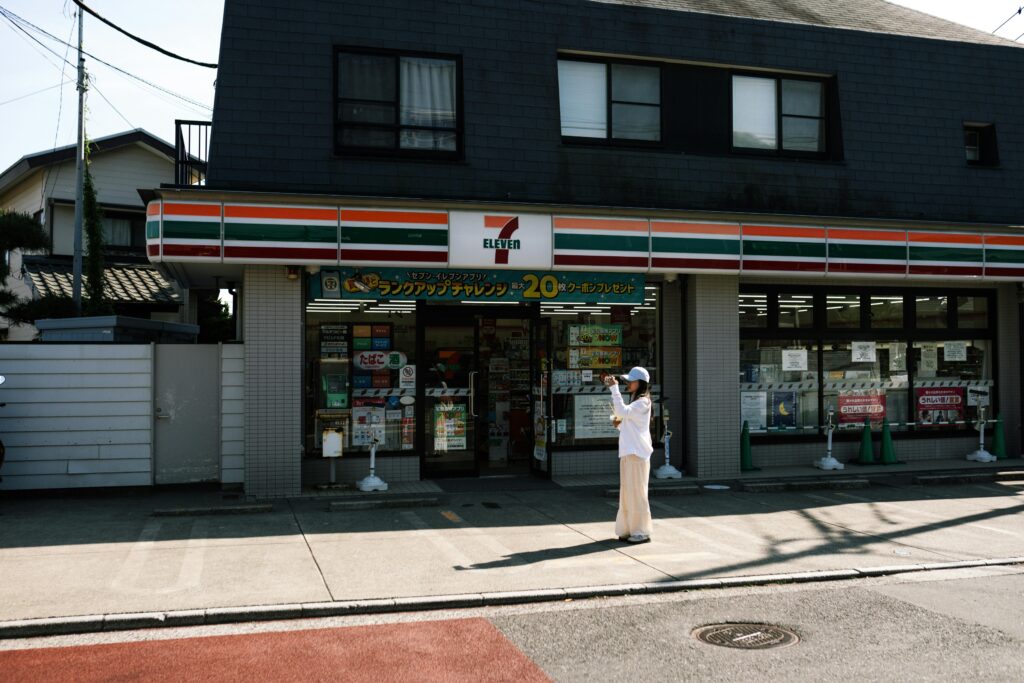
- Tourist Behaviour & Respect: Some stores complain about photo‑shoots that block aisles, or tourists treating the store like a film set rather than a functioning retail outlet. Managing visitor etiquette is an emerging concern.
- Marketing vs Authenticity: While chains embrace the tourist angle, purists argue that reducing a convenience store to a “travel stop” risks overlooking the social and cultural functions the store serves in Japanese life—late‑night workers, elderly communities, 24‑h accessibility.
- Cost Pressures: Amid labour shortages and rising freight/energy costs, the chains are under pressure. The novelty of “snack tourism” may not offset rising operational costs—which may lead to fewer late‑night openings or fewer regional variants in future.
Why It Matters
- For travellers: The konbini offers a reliable, fun, and surprisingly rich micro‑experience of Japan. Beyond sushi bars or temples, exploring the local convenience store can be unforgettable.
- For tourism industry: Recognising these stores as part of the visitor narrative means travel guides, tours, hotels and even governments may incorporate “konbini visits” into itineraries or marketing.
- For retail culture: The phenomenon shows how everyday service retail can become destination retail when paired with novelty, authenticity, accessibility and social‑media amplification.
- For hosts and chains: There’s opportunity—and challenge—in balancing local service‑needs (residents, workers, rural customers) with tourist‑driven product lines and marketing, without eroding the core functions.
- For cultural insight: The fascination with konbini highlights global interest in Japan’s efficiency, packaging design, snack culture and retail innovation—making the humble store a window into broader Japanese society.
Frequently Asked Questions (FAQs)
Q1: What exactly is a “konbini”?
“Konbini” is the Japanese pronunciation of “convenience store.” In Japan, these are small retail outlets open long hours (often 24/7) and selling everything from hot meals, snacks and drinks to toiletries, tickets, ATMs and parcel services.
Q2: Why are convenience stores in Japan considered tourist attractions now?
Because Japanese konbini offer more than retail—they deliver novelty (limited‑edition snacks, region‑specific flavors), convenience (services for travellers), visual appeal (colored packaging, snack shelves), and a glimpse into everyday Japanese life. Social‑media posts amplify this.
Q3: Which chains are most prominent and visitor‑friendly?
The major chains are 7‑Eleven, Lawson and FamilyMart. They have the most outlets, tourist‑friendly services (foreign card ATM, English signage, snack variety) and are found in most city centres and many rural zones.
Q4: What kind of services can a tourist use at a konbini?
Beyond snacks, you can often: withdraw cash from ATMs (which may accept international cards), buy train or concert tickets from machines, send/receive parcels or luggage, pay certain bills, use free WiFi or charger stations, buy SIM cards or travel accessories, and find multilingual signage.
Q5: What food items are must‑tries at a konbini?
Tourists often go for: onigiri (rice balls) with varied fillings, tamago sandwiches, freshly fried chicken snacks (e.g., Famichiki), bento boxes, limited‑edition seasonal desserts, regional flavor chips or KitKats. The thrill is in discovering something new.
Q6: Is “konbini tourism” just hype or meaningful?
While some critics suggest it’s partly hype (the novelty‑factor driven by social media), the growth in tourist interest is real—especially in urban Japan. It reflects how everyday conveniences can become cultural experiences.
Q7: Are there etiquette or travel‑tips for using a konbini?
Yes—keep your purchases short (don’t camp in aisles for photos), use designated trash/recycling bins (many stores have separate bins for sorting), avoid outrageously large photo‑shoot setups (they may disrupt other shoppers), and respect that it’s a working store, not a full tourist attraction.
Q8: Will I find a konbini in rural Japan too?
Yes—one of the defining features is their ubiquity. In many rural towns you’ll find a chain‑store konbini. But the selection may be more limited, and the “tourist snack variant” culture may be less developed compared to city stores.
Q9: How much can I expect to spend at a konbini?
Typical snack or drink might cost ¥150‑300 (~US$1‑2), a bento or hot meal around ¥400‑800 (~US$3‑6). These are among the most affordable meal options for visitors in Japan. Services like ticket purchases or ATM fees may carry additional cost.
Q10: Is this trend sustainable long‑term?
That remains a question. Convenience store chains face rising cost pressures, labour shortages and need to balance local service with tourist marketing. The novelty factor may fade, but the service‑value and retail innovation aspects suggest konbini will remain central—tourist attraction or not.
Whether you’re planning a trip to Tokyo, Kyoto, Osaka or beyond, it might just be worth dropping into a konbini near your hotel or train station. Grab a unique snack, use the ATM, send your luggage ahead, and enjoy a slice of Japan’s everyday magic. After all, in Japan the everyday is the experience.
Sources The Japan Times

