

The Opportunity: Virtual Tourism Meets Real Travel
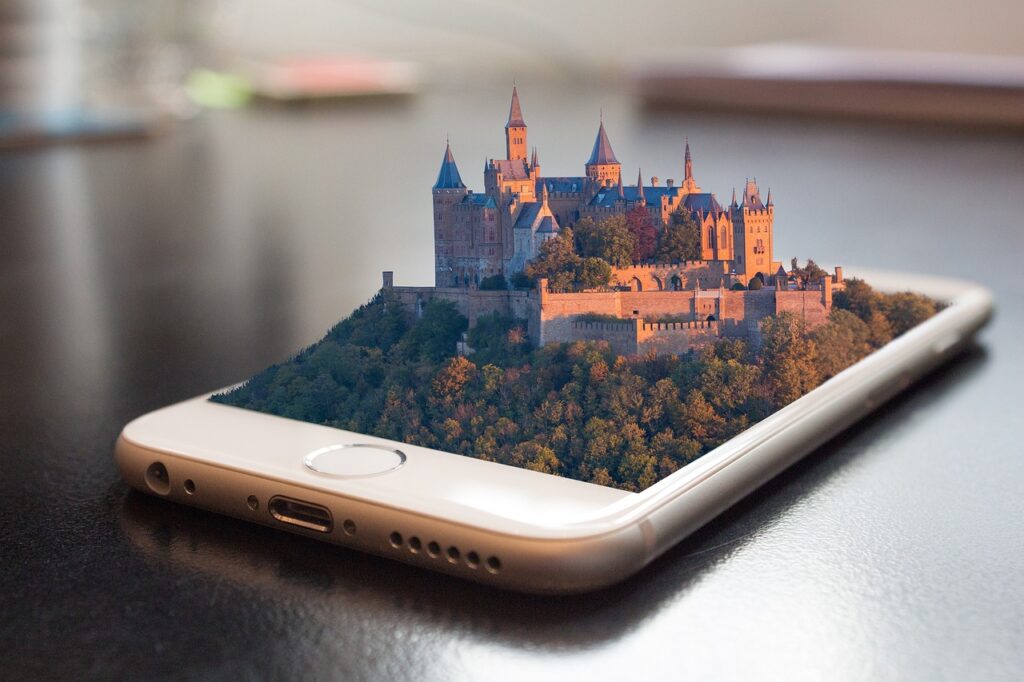
Virtual tourism (VT) — using VR, AR, 360° video, virtual walkthroughs and interactive destination previews — has grown rapidly, especially after the pandemic. For destination marketers, tour operators and travellers alike, VT offers a chance to preview places, test experiences from home, and build anticipation.
But the key question remains: Does engaging in virtual tourism lead to actual travel — or does it substitute for it? The referenced study uses an integrated model to explore exactly that.

Theoretical Foundations: TAM, ISSM & SOR
The study draws on three well‑established theoretical frameworks:
- Technology Acceptance Model (TAM): Focuses on how users come to accept and use a technology. Key constructs: perceived usefulness (PU) and perceived ease of use (PEOU).
- Information System Success Model (ISSM): Adds dimensions like system quality, content quality, service quality, user satisfaction and net benefits when using information systems.
- Stimulus–Organism–Response (SOR) framework: From environmental psychology; external stimuli (S) affect the internal organism state (O) (emotions, attitudes) which then produce a response (R) (behaviour or intention).
By integrating these, the researchers propose: The virtual tourism experience (stimuli) influences the user’s internal state (experience, attachment) and thus drives their intention to travel (response).
Key Findings
According to the study:
- Stimulus variables: The quality of the virtual tourism environment matters. Specifically:
- Content quality: accuracy, richness, realism of the virtual destination content.
- System quality: technical performance, interface design, stability, navigation ease.
- Interaction quality: how well users can engage, interact, manipulate, influence the virtual environment.
- These stimulus factors positively affect the internal organism variables:
- Tourism experience: the subjective experience users have during the virtual tour (immersion, enjoyment, realism).
- Virtual attachment: the emotional bond or connection users develop to the virtual version of the destination (feeling of place, emotional resonance).
- Both tourism experience and virtual attachment influence travel intention — the user’s intention to actually visit the destination in real life. Among them, tourism experience had the stronger effect.
- System quality had some direct influence on travel intention beyond its mediated effects.
- The model suggests that well‑designed virtual tourism can increase a user’s likelihood of real‑world travel to the destination previewed.
What the Study Adds – And What It Doesn’t Cover
What it adds:
- A robust empirical test of an integrated framework combining TAM, ISSM and SOR specifically for virtual tourism.
- Insights into which virtual‑tourism features matter most — not just “cool tech” but content, system and interaction combined.
- Evidence that virtual experiences can promote real travel rather than just substitute for it (under certain conditions).
- Recognition that emotional attachment to destination (even via virtual) plays a role in intention to travel.
What it doesn’t fully cover / open gaps:
- Cultural and geographic diversity: If the empirical data were collected in one country/region, how transferable are the results globally?
- Long‑term behaviour: The study measures intention, not whether users actually visited the destination later. The gap between intention and behaviour remains.
- Cost vs access issues: Virtual tours may require high investment (VR headsets, high‑quality graphics); how accessible are they to average consumers?
- Effect of novelty vs sustainability: Some users might be motivated by novelty of VR; will the effect persist when the novelty wears off?
- Conversion metrics: The study doesn’t deeply analyse how many users convert intention into booking, how soon after the virtual experience travel happens, or what triggers the conversion.
- Negative or neutral cases: Under what conditions does virtual tourism not lead to real travel? For example, if the virtual version is too complete, maybe users feel they’ve “been” already.
- Role of external constraints: Travel intention still faces constraints (budget, time, visas, climate); virtual experience may boost intention but cannot override these.
- Effect on itinerary and length of stay: Does virtual experience influence what users do on the trip, how long they stay, or which parts of the destination they visit?
- Sustainability and behavioural shift: The study doesn’t deeply explore whether virtual tourism might reduce actual travel (environmental substitution) rather than enhance it.
- Platform interaction and social/community factors: How peer sharing, social VR, live guided virtual tourism affect intention is less explored.
- Integration with marketing funnel: How virtual tourism fits into a broader destination marketing strategy end‑to‑end (awareness → virtual demo → real visit) could be elaborated more.

Practical Implications for Tourism Industry & Users
For destination marketers and tour operators:
- Invest in high‑quality virtual tourism content: realistic visuals, rich narrative, interactive features.
- Ensure superior system performance (smooth navigation, minimal lag, accessible across devices) to maximise effect.
- Design interactive features (user choice, customised paths, user‑control) rather than passive viewing.
- Use virtual tours earlier in the traveller’s decision journey—when they are exploring or comparing destinations—to boost intention.
- Measure and track how virtual‑tourism exposure translates into bookings and visits; build conversion pathways (e.g., “Visit now” offers, guided virtual-to‑real tour links).
- Target segments: Heavy pre‑trip planners, international travellers, less accessible destinations may benefit more from virtual sample.
- Use virtual tourism also to distribute flow: preview less‑visited attractions and encourage diversion from overcrowded hotspots.
For travellers/consumers:
- Virtual tourism offers a try‑before‑you‑buy experience: preview a destination, test interest, refine itinerary.
- Be aware that strong virtual experience may raise expectations: plan realistic visits (time, cost, mobility).
- Use virtual tours as part of research and decision‑making, but still check practical on‑site constraints (weather, seasons, local services).
- If the virtual tour is well‑done, it may increase your desire to visit and help you plan a better trip (what you want to see, skip, how long to stay).
For tech developers and platform providers:
- Focus on cross‐device accessibility (desktop, mobile, VR headset) to maximise reach.
- Collect user data (with privacy safeguards) to refine content, measure which features boost attachment and intention.
- Collaborate with destinations to integrate booking, extras and post‑tour follow‑up offers.
Future Outlook & Emerging Trends
- Live/social virtual tourism: Real‑time guided virtual tours, multi‑user virtual experiences, co‑viewing with friends may strengthen emotional attachment and intention.
- Personalisation: Virtual tours adapted to user profile (slow traveller vs adventure seeker; family vs solo) will improve relevance and conversion.
- Augmented reality (AR) previewing: Mixed reality showing virtual overlays in situ (e.g., “what this place looked like 100 years ago”) could deepen attachment.
- Linking to on‑site experience: Virtual + real hybrid journeys (e.g., virtual pre‑visit, real visit, virtual post‑visit) may improve satisfaction and loyalty.
- Sustainability strategy: Destinations may use virtual tourism to attract interest but then manage actual visitor flows to reduce environmental pressure.
- Conversion analytics: Tracking actual travel behaviours post‑virtual exposure (booking rate, stay length, spend) will yield actionable metrics.
- Immersive technology maturation: As VR/AR hardware becomes cheaper and more mainstream, virtual tourism will scale to more users and older demographics.
Frequently Asked Questions (FAQs)
Q1. Does doing a virtual tour guarantee I will actually travel there?
No guarantee. The study shows virtual tours increase intention to travel, but many factors still determine actual travel (budget, time, health, visa, season). Virtual experience is one part of the decision chain.
Q2. What features of a virtual tourism experience matter most for intention to travel?
High‑quality content (realistic visuals, rich destination information), strong system quality (usability, smooth navigation), and interactive features (user control, interaction with virtual environment) are key. Among them, tourism experience (how good the user feels during the virtual tour) had strong influence.
Q3. Can virtual tourism replace real travel?
Unlikely—at least for many users. The research suggests that virtual tourism promotes real travel rather than substitutes it. Some travellers may still prefer physical experience. However, for remote or inaccessible places, virtual tourism may play a bigger role.
Q4. Is the effect of virtual tourism the same for everyone?
No. Users with stronger emotional attachment, higher interest in the destination, or who value interactive, immersive experiences are more likely to convert intention into real travel. New users with limited interest may not respond as strongly.
Q5. Should destinations invest in virtual tourism right away?
Yes, but with strategy. The investment should prioritise high quality and interactivity, align with broader marketing & booking funnels, and target key visitor segments. Poor‑quality virtual tours may do more harm than good.
Q6. Are there types of destinations that benefit more from virtual tours?
Definitely. Less visited or remote destinations, places with unique visuals or heritage, and destinations looking to attract long‑haul travellers may benefit more. For destinations with high visitation already, the role may be more about managing expectations and flows.
Q7. What are risks associated with virtual tourism?
Risks include: raising expectations that cannot be met in real life (leading to dissatisfaction); technological barriers (users needing VR hardware); privacy concerns (user data collection); and cost of development without guaranteed conversion.
Q8. How should users choose a virtual tour platform?
Look for: realism (high‑definition visuals, 360° or VR), interactivity (you can choose your path, interact), ease of use (works on your device), and a clear next‑step link to real booking or further info. Also check if it is up‑to‑date.
Q9. Does virtual tourism affect how long I stay or what I do when I get there?
Potentially yes. A strong virtual preview can help visitors plan more effectively, know what they want to see, skip less‐interesting parts, and optimise their itinerary—this may impact length of stay or types of experiences chosen.
Q10. Will virtual tourism become mainstream?
Yes, it is likely to grow. As hardware becomes cheaper and more widespread, and destination marketers invest in user‑friendly immersive experiences, virtual tourism will become part of the travel research and decision process, especially for long‑haul, heritage, or niche segments.
Final Thoughts
The integration of advanced technologies (via TAM and ISSM) and behavioural frameworks (via SOR) offers a powerful lens to understand how virtual tourism can shape real travel intentions. The evidence is promising: well‑designed virtual experiences can boost intention to travel. But success relies on more than just flashy visuals — it depends on interactivity, realism, emotional attachment, clear conversion pathways and integration into broader marketing strategies. For travellers, it means richer previews; for destinations, smarter investments; and for the industry, a valuable tool in the evolving world of experience‑driven tourism.
Sources nature

