
The Big Picture
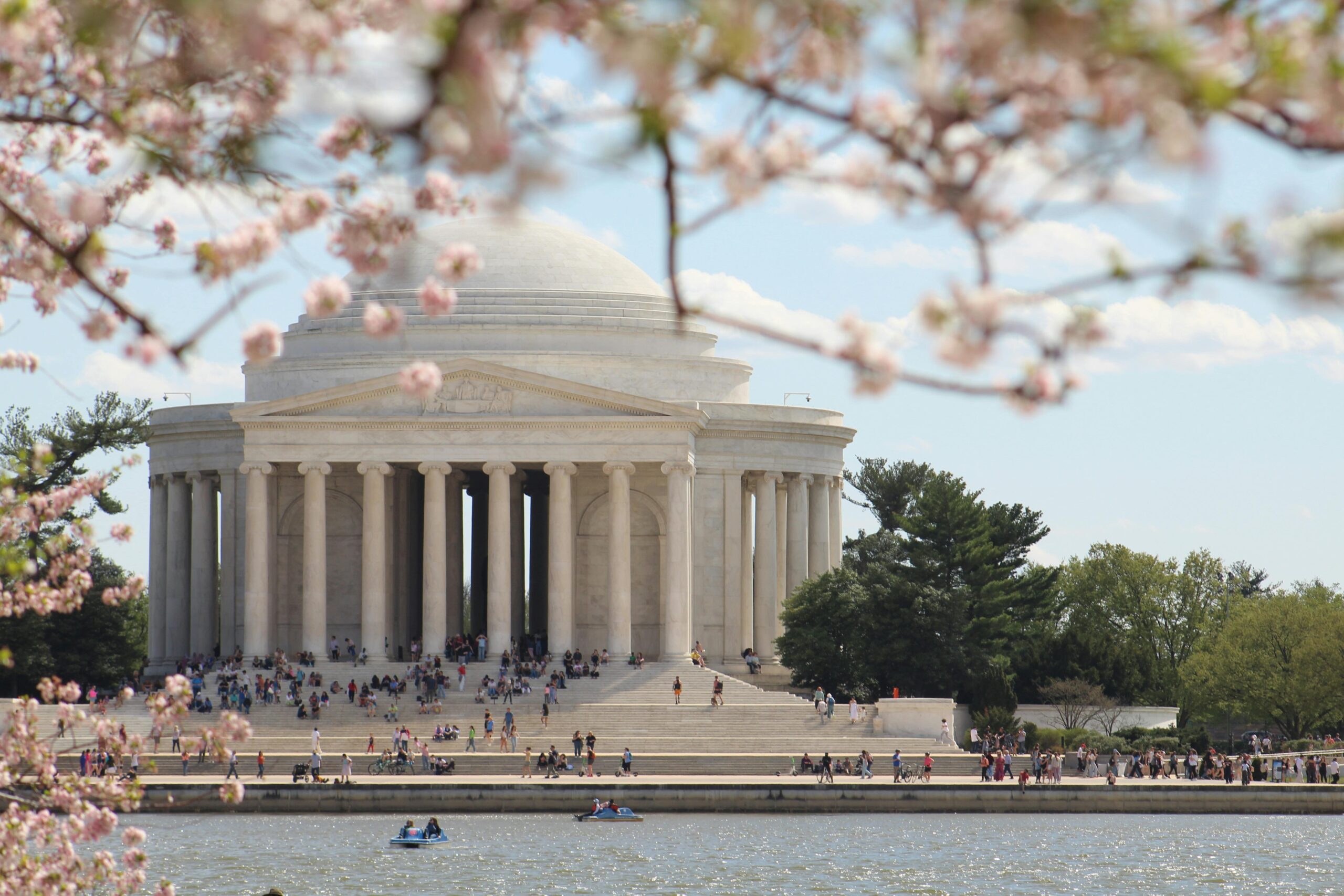
Washington, D.C. wrapped up a record year in 2024, welcoming roughly 27.2 million visitors who spent around $11.4 billion and helped generate more than $2.3 billion in tax revenue. But in 2025, with the federal government going into a partial shutdown, many of the city’s core attractions—especially federally funded museums and visitor centres—are either closed or operating at severely limited capacity. This disruption is rippling through every layer of D.C.’s tourism ecosystem: hotels, tours, restaurants, events, and small businesses.
What’s Getting Affected
Museum & attraction closures
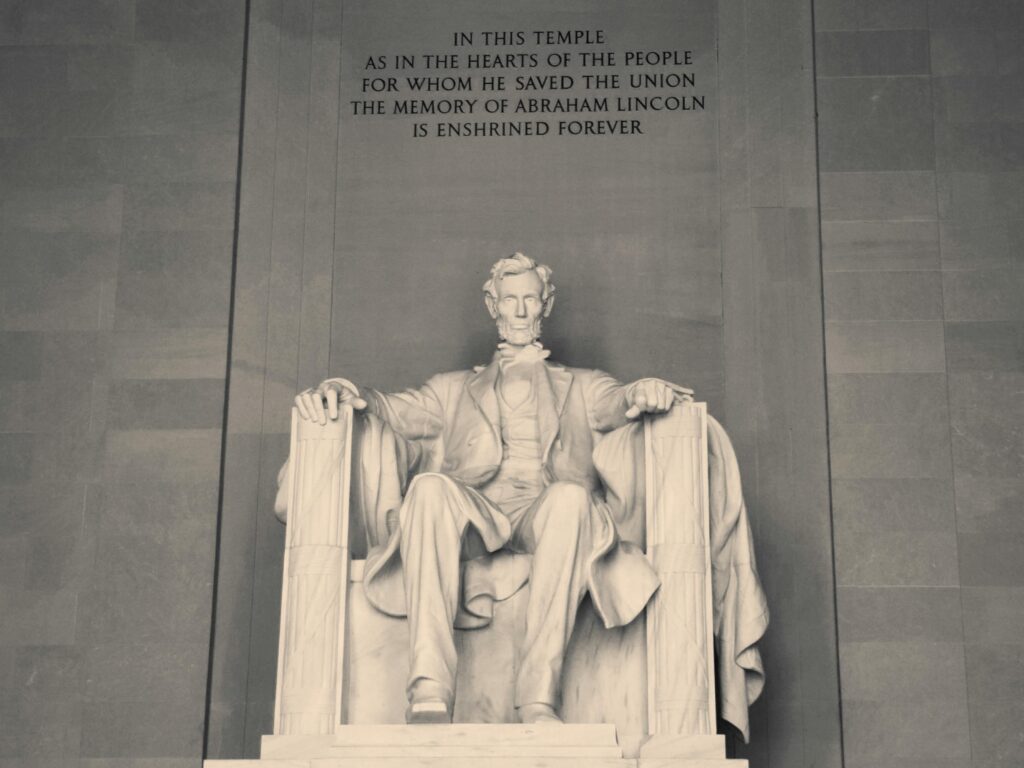
Many of the institutions that draw visitors to the city are closed, including the Smithsonian Institution museums, the National Gallery of Art, the Library of Congress, and the U.S. National Archives. Even outdoor monuments remain accessible, but the visitor centres, restrooms, guided tours and many indoor features are shut, which erodes the visitor experience.
Hotels and occupancy
With fewer full-itinerary visitors and conference attendees scrambling or cancelling, hotel occupancy and business are slipping. Some operators report earlier and deeper than usual cancellations.
Tours, groups and sectors downstream
Tour operators, charter buses, school groups, and event planners are bearing the brunt. Some school trips from abroad have found major portions of their D.C. schedule flattened, prompting last-minute changes or refunds.
Local businesses & sentiment
Restaurants, shops, guides, and experiential operators near the iconic federal sites are reporting fewer walk-in visitors and more uncertainty. Some local businesses near shuttered attractions have reported noticeable drops in daily foot traffic.
Why Now Matters So Much
- The shutdown hit during a peak season for tourism in D.C.—autumn is usually a time of conventions, school trips, business travel and high-spend international visitors.
- The city’s tourism strength is closely tied to its federal-government halo: monuments, memorials, museums—all paid for or operated by the federal government. So when those shut, it’s a direct tourism hit.
- The reputation effect: when visitors arrive expecting certain flagship experiences and find them closed, future booking intent may suffer. Several tourists already described feeling like they came to a “ghost town.”
Impact Numbers & Projections
- A forecasted ~5.1% decrease in international visitation to D.C. for 2025 was already projected before the shutdown.
- Compared to previous government shutdowns, this one appears to be more disruptive due to its timing and breadth of closures.
- Some estimates suggest daily losses to tourism-support businesses could run into tens of millions of dollars, though full official figures are not yet available.
What the Original Coverage Included – and What Needs More Light
Covered:
- That major Smithsonian museums and federal attractions are closed.
- The frustration felt by visitors whose planned itineraries are disrupted.
- The fact that D.C.’s tourism industry is taking direct hits.
What Needs More Light:
- The economic ripple effect on smaller businesses, independent tour operators, and neighborhoods beyond the National Mall.
- How convention and business-travel bookings are shifting due to the uncertainty.
- Consumer behavior trends: Are tourists still coming but spending less, or are they cancelling altogether?
- The “substitution effect”: Are tourists shifting to private/fee-based attractions, and how does that change the local market?
- Long-term reputational damage: Will D.C. lose return visitors or convention bids?
- Strategic responses by Destination DC and local tourism bodies.
- Lessons learned from past shutdowns and how they compare to the current disruption.
How D.C. is Responding
- The official tourism board has launched a campaign to remind travelers that while federal sites are closed, hundreds of other attractions, restaurants, theatres, local museums, and parks remain open.
- Some restaurants and hotels are offering deals, flexible booking terms, and curated experiences emphasizing neighborhoods, culture, and outdoor spaces.
- Tour operators are pivoting by creating new experiences, including walking tours and neighborhood explorations, to engage visitors despite the closures.
Tips for Travelers Right Now
- Check ahead: Before booking or traveling, verify the status of key attractions.
- Explore alternatives: Many private and cultural attractions remain open and are worth visiting.
- Expect changes: Be prepared for altered itineraries, smaller crowds, and adjusted service hours.
- Consider timing: If your main interests are federally operated museums and monuments, it may be worth delaying your trip until access is restored.
- Support local: Patronize independent tours, restaurants, and businesses that are still operating and can deliver memorable experiences.
Frequently Asked Questions (FAQs)
Q1. Are all Washington, D.C. attractions closed during the shutdown?
No. While many federal-government-run museums and visitor centres are closed or operating with limited services, plenty of private museums, cultural sites, and neighborhood experiences remain open.
Q2. Is it still worth visiting D.C. during the shutdown?
Yes, especially if you’re flexible. While federal museums may be closed, D.C. still offers vibrant neighborhoods, private galleries, theaters, outdoor monuments, and culinary experiences.
Q3. What is the impact on hotel prices and availability?
With a dip in bookings and cancellations, some hotels are offering discounts and more flexible policies. Prices may drop slightly depending on how long the shutdown lasts.
Q4. Are outdoor monuments and memorials still accessible?
Generally yes, but services such as guided tours, visitor centers, and restrooms may be unavailable.
Q5. How long could these disruptions last?
There’s no set timeline. The shutdown will end once Congress passes the necessary funding legislation.
Q6. Are international visitors being affected more?
Yes. International travelers often build their itineraries around federal landmarks and museums, so unexpected closures can be particularly disruptive for them.
Q7. Are business and convention events affected?
Some conventions and business events have been cancelled or postponed due to uncertainty and logistical challenges caused by the shutdown.
Q8. Are sightseeing buses or neighborhood tours still running?
Yes. Many operators have adapted their offerings to include more neighborhood-focused and outdoor tours.
Q9. What can first-time visitors do if key attractions are closed?
They can explore neighborhoods like Georgetown, Dupont Circle, and U Street, visit local museums and galleries, or enjoy scenic walks around the National Mall and waterfronts.
Q10. Will this shutdown hurt D.C.’s long-term tourism reputation?
Possibly. If tourists have disappointing experiences, it may affect return visits and word-of-mouth recommendations. However, local efforts to pivot and highlight other aspects of the city may help offset long-term damage.
Final Thoughts
The federal shutdown serves as a clear reminder of just how intertwined D.C.’s tourism economy is with the operations of the national government. As visitors adjust their plans and businesses scramble to adapt, the city’s resilience and ability to highlight its lesser-known treasures will be key to weathering the storm. Despite the setbacks, Washington, D.C. remains a destination with much to offer—shutdown or not.
Sources The New York Times

