
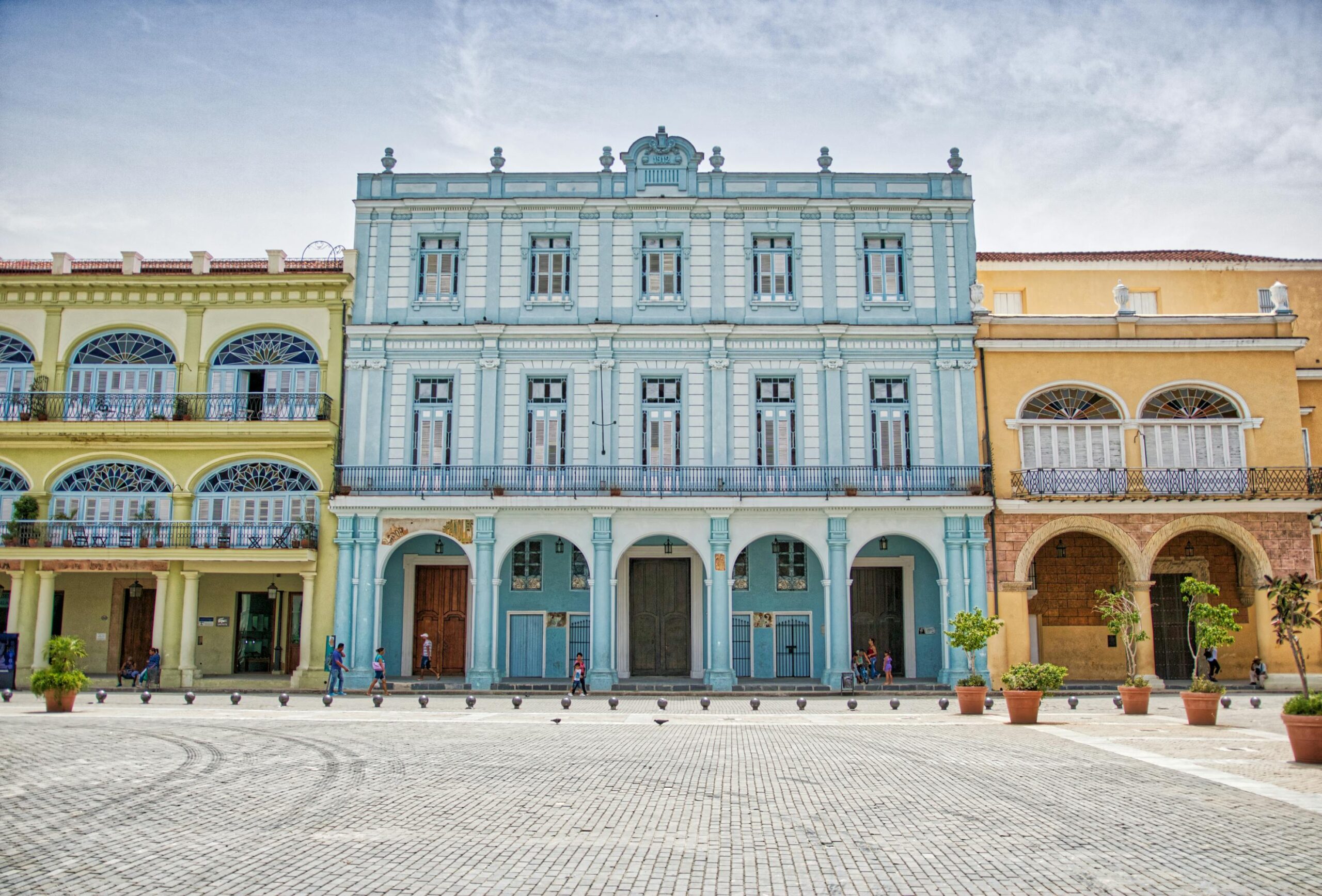
An Industry in Free Fall
Once among the Caribbean’s most iconic destinations, Cuba is now facing a major tourism crash. In 2025, international arrivals are reported to have plunged by 25% to 30% compared to the previous year. In some months, the country received only three-quarters of the visitors it hosted in 2024. This sharp downturn is more than a statistical blip—it’s an urgent economic crisis for a nation that heavily depends on tourism for foreign currency and employment.

What Went Wrong & Why
1. U.S. Sanctions & Travel Restrictions
Renewed sanctions from the United States have significantly tightened access for American travelers and companies. This includes stricter regulations on flights, cruise operations, remittances, and tourism investments. These restrictions directly impact Cuba’s ability to draw its once-largest visitor segment: U.S. tourists.
2. Infrastructure and Service Deterioration
Widespread power outages, water shortages, and deteriorating public services have dramatically impacted the tourism experience. Travelers report disrupted hotel stays, limited dining options, and inconsistent transportation—issues that are driving repeat and first-time visitors to look elsewhere in the region.
3. Drop in Key Source Markets
Visitor numbers from historically strong markets like Canada, Russia, Spain, and Germany have also declined. Russian arrivals, for example, dropped by over 50% in the first half of 2025 alone. These reductions have significantly slashed revenue from high-spending tourists.
4. Transport and Connectivity Issues
Reduced air connectivity and the cancellation of cruise port visits have made travel to Cuba more complicated and less appealing. Some airlines have suspended key routes, and fewer international carriers are adding Cuba to their itineraries.
5. Declining International Reputation
As the situation worsens, Cuba’s international image is taking a hit. News of blackouts, food shortages, and failing tourist infrastructure have filtered into travel forums and international media, discouraging new bookings.
6. Investment Misalignment
Despite the downturn, the Cuban government continues to invest heavily in luxury hotel development, often with military-linked enterprises. Critics argue that this is a misallocation of resources in a country where basic needs remain unmet and tourism demand is dwindling.
The Broader Economic and Social Consequences
- Foreign Currency Shortage: Tourism has been one of Cuba’s most reliable sources of foreign currency. The slump is squeezing the country’s ability to import goods, maintain infrastructure, and sustain government services.
- Rising Unemployment: As tourism dries up, so do jobs in hospitality, transport, food services, and retail. Thousands of Cubans rely on tourism—directly or indirectly—for their livelihoods.
- Underutilized Resorts: Many resort areas are operating at dangerously low occupancy levels. Some have reported rates as low as 20%, which undermines the viability of operations and leads to closures or cuts in services.
- Widening Inequality: The tourism drop is most heavily felt in communities that rely on visitor spending, while new hotel developments cater primarily to a non-existent luxury market.
Beyond the Headlines: What’s Being Missed
While headline reports focus on the declining tourist arrivals and the role of sanctions, less attention has been given to:
- Tourist Spending Decline: Not just fewer tourists, but also lower per-visitor spending. Tourists who do arrive often spend cautiously due to shortages and service issues.
- Regional Disparities: Some regions like Havana or Cayo Coco are faring worse than others, depending on their infrastructure and international flight access.
- Changing Visitor Profiles: Backpackers, long-stay travelers, and cruise tourists are disappearing faster than niche or cultural tourists.
- Slow Policy Adaptation: Despite growing losses, Cuba has yet to implement sweeping tourism reform. While outreach to Asian markets (like China) has begun, it remains too early to evaluate the effectiveness of such pivots.
- Investor Hesitation: The continuing investment in tourism amid dwindling demand is raising eyebrows among international investors and development experts.
- Impact on Locals: Tour guides, souvenir vendors, local taxi drivers, and small restaurant owners are experiencing serious income loss, often with no social safety net.
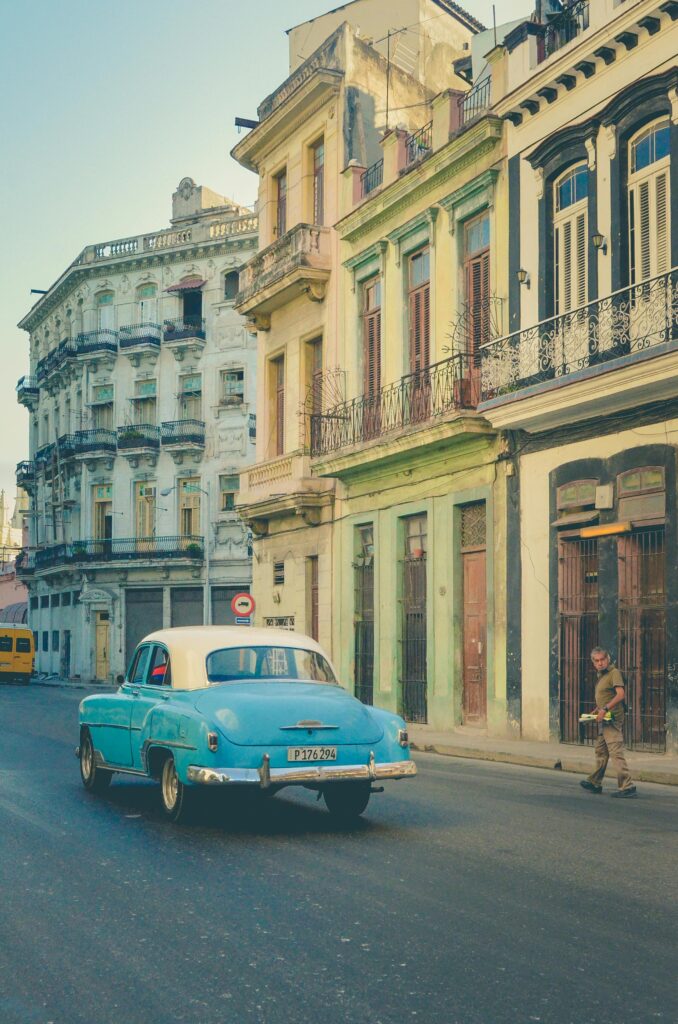
Can Cuba Recover Its Tourism Sector?
It’s possible, but not without systemic change. Recovery could include:
- Diversifying Tourism Markets: Cuba is trying to strengthen ties with China and Latin America, but success depends on improving access and marketing.
- Fixing Infrastructure: Stable electricity, water, internet, and transport are essential to restore tourist confidence.
- Liberalizing the Sector: Allowing more private-sector involvement could increase efficiency and improve services.
- Enhancing Visa Access: Simplifying entry for tourists and easing regulations can open new market channels.
- Rebranding the Destination: Beyond beach tourism, Cuba could promote cultural heritage, eco-tourism, or health tourism to attract niche markets.
- Increasing Transparency: More accurate reporting on occupancy, visitor satisfaction, and service levels would help with better policymaking and investor confidence.
- Prioritizing Sustainability: Investments should align with realistic visitor volumes and local economic benefits.
For Travelers: What to Expect Now
If you’re considering travel to Cuba in the near future, here are a few things to note:
- Expect Basic Disruptions: Be prepared for power cuts, inconsistent internet, and occasional food shortages.
- Reduced Amenities: Some hotels and services may be closed or limited due to low occupancy.
- Check Flights: Not all international routes are running; verify flight availability before booking.
- Have Backup Plans: Flexibility is crucial. Tours or excursions may be cancelled or rescheduled at short notice.
- Support Local Enterprises: Look for locally run guesthouses and eateries, which are more likely to benefit everyday Cubans.
Frequently Asked Questions (FAQs)
Q1. Why is tourism in Cuba declining so rapidly?
The decline is due to a mix of U.S. sanctions, poor infrastructure, shortages, reduced air connectivity, and negative traveler experiences. All these factors combined have made Cuba less attractive to tourists.
Q2. Is it safe to travel to Cuba right now?
While Cuba remains generally safe in terms of personal security, travelers should expect inconveniences like power outages, supply shortages, and limited services.
Q3. Are there any efforts to attract new tourists?
Yes, Cuba is trying to increase tourism from China and other non-traditional markets. However, these efforts are still in early stages.
Q4. How are sanctions affecting tourism?
Sanctions limit the number of flights, prevent U.S. cruise lines from stopping in Cuba, restrict financial transactions, and discourage investment in the tourism sector.
Q5. Are luxury hotels still being built despite the crisis?
Yes, the government continues to invest in luxury developments, although demand for high-end travel is down significantly.
Q6. How is the tourism collapse affecting everyday Cubans?
Many locals who rely on tourism for income—such as taxi drivers, tour guides, and small business owners—are facing job losses and reduced earnings.
Q7. What regions in Cuba are most affected?
Tourist-heavy areas like Havana, Varadero, and the keys (Cayo Coco, Cayo Santa Maria) are seeing the largest declines in visitor numbers and occupancy.
Q8. What can travelers do to have a smoother trip?
Travelers should plan for flexibility, confirm logistics in advance, and consider staying at smaller, locally owned accommodations where service may be more personal and reliable.
Q9. Is the Cuban government making policy changes to address this?
Some policy shifts are being discussed, including diversifying tourism sources and improving infrastructure, but large-scale reforms have yet to materialize.
Q10. When is recovery likely?
Full recovery is uncertain and could take years, especially if sanctions remain in place and infrastructure challenges persist.
Final Thoughts
Cuba’s tourism sector is in crisis. Beyond declining visitor numbers, the issue touches on broader economic, social, and geopolitical tensions. Whether the country can revive its tourism engine will depend not just on international policy shifts, but also on internal reforms, infrastructure upgrades, and a commitment to making travel to Cuba sustainable—for both visitors and Cubans alike.
Sources Bloomberg

