
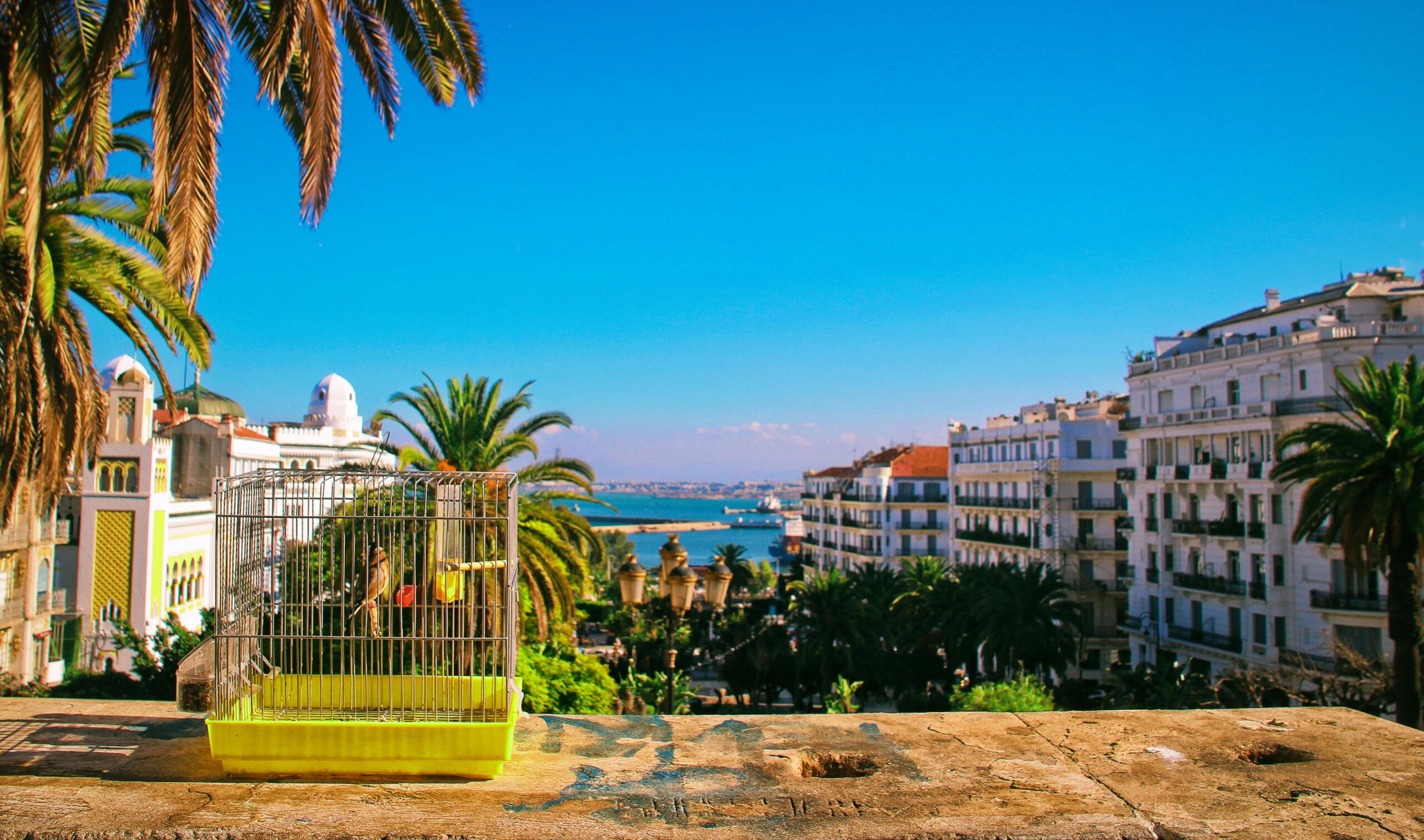
When Air Algérie — Algeria’s national carrier — announced it was acquiring a significant number of new jets from both Boeing and Airbus, many aviation watchers saw a standard modernisation move. But a closer look reveals that this upgrade is deeply entwined with a bold national tourism strategy — one that could reshape how the North African country positions itself on the international travel map.
What’s happening
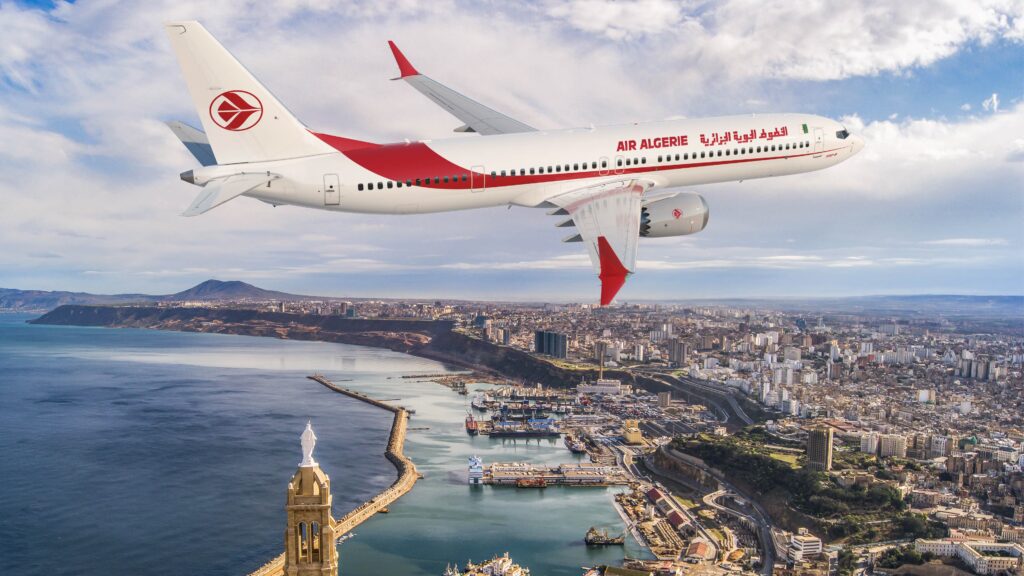
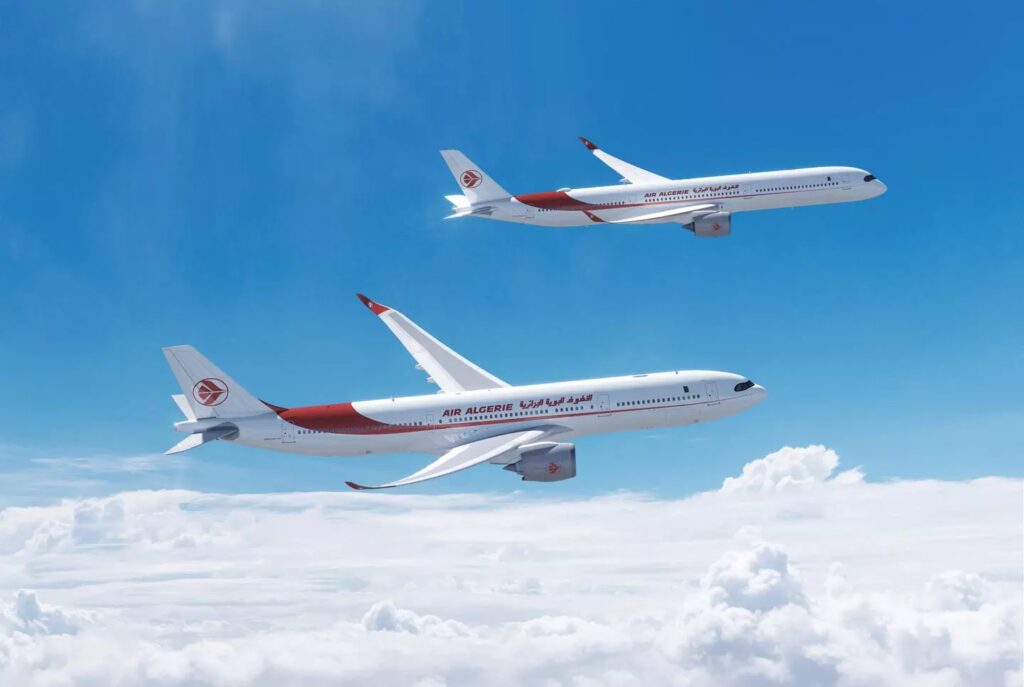
- Air Algérie has confirmed orders for seven wide‑body Airbus planes (specifically five A330‑900neos and two A350‑1000s) and eight Boeing 737 MAX 9 narrow‑bodies.
- The airline’s earlier larger plan envisaged 15–25 additional aircraft — both owned and leased — as part of a modernisation push.
- Delivery is already beginning: reports indicate the first new aircraft will arrive in November 2025, with more following into 2026.
- The expansion aligns with Algeria’s tourism sector goals — the country aims to dramatically increase visitor numbers and open under‑commercialised destinations within its borders.
Why this matters: the tourism‑aviation link
What initial reports missed (or under‑emphasised)
- Older fleet baseline: Prior to the new orders, Air Algérie’s fleet was ageing — for example averaging over 17 years old. This means the expansion isn’t just adding capacity but replacing older, less‑efficient aircraft — lowering costs, improving reliability and probably enhancing safety perceptions.
- Domestic airline spin‑off: Alongside the flag carrier’s upgrade, Algeria is launching a new domestic airline (sometimes described as a subsidiary or sister carrier) to improve inland air connectivity.
- Accommodation shortage: The tourism challenge is not just flights. Algeria is working to increase hotel beds from ~140,000 to 210,000+ by end of 2025. Without the lodging capacity, even enhanced flight capacity won’t translate fully into stays.
- Visa & regulatory reforms needed: Even with more flights, travel to Algeria faces obstacles — visa regimes, ground infrastructure, service standards. Reports hint at tourism growth targets but less on how the policy architecture supports it.
- Risk of mismatch: Increasing capacity is costly and takes time. If demand doesn’t rise rapidly (or doesn’t meet expectations), the airline and broader tourism sector may face financial strain.
Potential benefits
- Economic diversification: Algeria is oil‑and‑gas dependent; tourism offers a non‑hydrocarbon growth path.
- Employment and regional development: Enhanced aviation and tourism open jobs in hotels, transport, catering, guides, not just in capital Algiers but inland.
- Global profile: Direct flights and smoother connections boost Algeria’s international visibility, making it a stronger tourism brand.
- Improved infrastructure leverage: The aircraft orders can trigger wider upgrades — airports, ground transport, tourist services — raising overall tourism capacity.
Risks and challenges
- Load factor risk: New seats are only positive if filled. If tourism growth falters, the airline may struggle with under‑utilisation.
- Infrastructure mismatch: Flights alone don’t make destinations viable — hotels, amenities, visa ease must match.
- Intense competition: Algeria competes with established tourist destinations (Morocco, Tunisia, Egypt). Differentiation and marketing become critical.
- Domestic stability & service quality: Political or security issues (historically Algeria had conflict) can deter visitors; flights won’t overcome that alone.
- Currency & cost pressures: Operating new jets is capital intensive; if costs rise (fuel, maintenance, training) tourism revenue must offset it to avoid financial pressure.

What to watch next
- Delivery schedule: When exactly the aircraft arrive and routes launched will indicate momentum.
- New route launches: Watch for announcements of long‑haul (Asia, North America) or high‑frequency regional routes.
- Tourist arrival data: Especially from Europe and Middle East–tracking new nationalities or destinations.
- Accommodation growth and new resort announcements: When flights connect to hotels inland, data like new beds completed will show the infrastructure catching up.
- Visa and service reforms: Monitoring visa‑processing times, service standards at airports, multilingual signage etc.
- Airline financials: Air Algérie’s performance (load factors, profitability) will reflect whether the strategy is succeeding or needs course correction.
Frequently Asked Questions (FAQs)
Q1: What aircraft exactly is Algeria’s flag carrier buying?
Air Algérie has placed firm orders for five Airbus A330-900neo and two A350-1000 aircraft, plus eight Boeing 737 MAX 9 narrow-bodies.
Q2: How does this relate to Algeria’s tourism goals?
The aircraft provide the necessary capacity (seats, destinations) to match Algeria’s goal of increasing visitor numbers and promoting less‑visited destinations — forming a backbone of the tourism‑growth infrastructure.
Q3: When will new planes be in service?
Arrivals are expected starting November 2025 for some aircraft, with further deliveries through 2026 and beyond.
Q4: Will this only benefit international tourism?
No — improved fleet and routes also support domestic connectivity, making travel within Algeria easier (for example to the Sahara, mountains) which can stimulate domestic tourism and local economies.
Q5: Does Algeria have enough hotels and infrastructure to support more visitors?
That is a potential bottleneck. While Algeria is boosting accommodation (70,000+ new beds planned by end of 2025) and improving infrastructure, the match between flights and lodging capacity remains critical.
Q6: What kinds of tourists is Algeria trying to attract?
A mix: culture/history seekers (Roman ruins, Kasbahs), nature/adventure tourists (Sahara desert, mountain treks), and general leisure travelers from Europe, Middle East and Africa wanting a less‑served destination.
Q7: How does this impact other airlines in the region?
Competition may increase for European‑Algerian routes and African hub connectivity. Airlines will likely respond with route adjustments, promotions or strategic partnerships.
Q8: What happens if the tourism growth doesn’t materialise?
Risks include under‑used aircraft, financial losses for the carrier, slowed infrastructure investment, and pressure to shift strategy. Monitoring load factors and route profitability will be key.
Q9: Is this just an aviation strategy or a broader economic one?
It’s broader. While the aircraft orders are high‑profile, they form part of a larger diversification push: tourism, infrastructure, services and non‑oil economic growth are all part of Algeria’s agenda.
Q10: How should travellers respond?
For travellers: look for new route announcements to less‑served Algerian destinations, watch for improved service standards, and take advantage of promotional fares early in route launches. Also check visa and logistical arrangements as Algeria modernises its tourism offering.
Sources Bloomberg

