
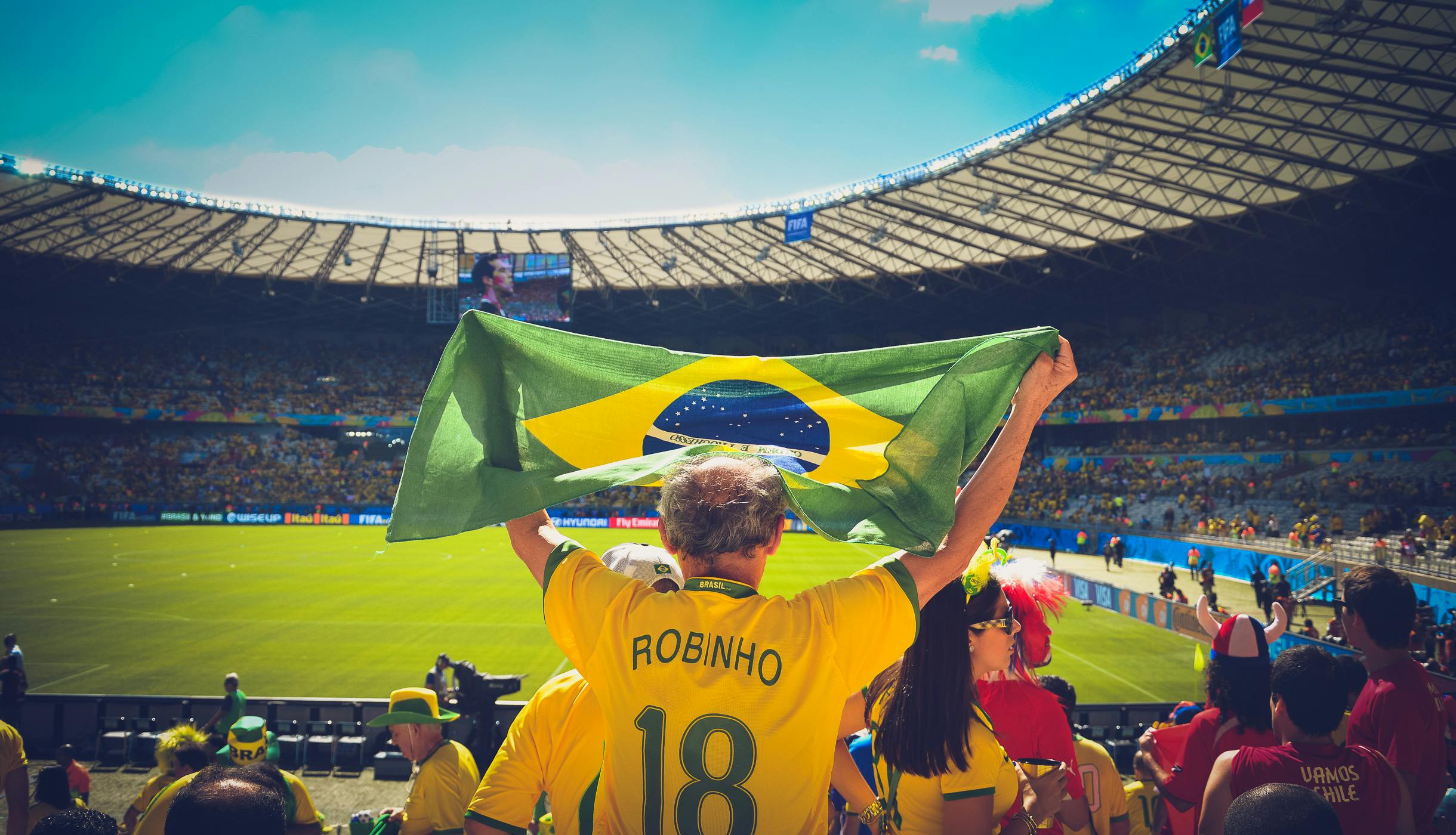
When the U.S. hosts the 2026 FIFA World Cup (jointly with Canada and Mexico), the nation’s tourism industry isn’t just expecting a bump — it’s counting on a rebound. With international visitor numbers down this year, the tournament offers one of the biggest hooks in years to reignite inbound travel. But the reality is more complex than simply welcoming fans and counting hotel nights.
Here, we go deeper than most coverage, look at the opportunities and the risks, and map out what the World Cup might really mean for U.S. tourism — both the upside and the shadows.
What the current situation looks like
- For 2025, U.S. inbound international visitor traffic is projected to decline around 6.3%, according to government-forecasts. The number of foreign visitors was down 4% through July of the year.
- The 2026 World Cup will span 16 cities in North America, with 11 matches/cities in the U.S. alone. Analysts estimate more than 1 million incremental foreign visitors could arrive in the U.S. just because of the tournament.
- Searches for flights and lodging tied to the event are already up roughly 70% year-over-year. Accommodation prices in host cities are expected to rise by 30% to 60% around the matches.
- For each foreign visitor, estimates suggest an average stay of about 12 days, purchase of two match tickets, and spending around US$416 per day.
- Because some visiting-countries’ nationals do not qualify for the U.S. Visa Waiver Program, visa-access remains a barrier for many potential tourists.
Why the World Cup offers a big tourism opportunity
1. A massive global draw
Soccer’s global fandom is immense. Teams like Brazil, England, France, Argentina have very large followings abroad; when they play in U.S. host cities, large-scale travel demand is triggered. Cities hosting matches involving those big-fan-base teams could see above-average tourism spikes.
2. Multiplier effect on the travel economy
Beyond stadium tickets, there are hotels, restaurants, transport services, souvenirs, and experiences. Visitors staying 12 days and spending $416/day means significant economic injection into host cities and surrounding areas. Some cities estimate billions in visitor spending.
3. Re-positioning the U.S. as a major events destination
The U.S. has been slipping in its global tourism share in recent years. Hosting the World Cup is a chance to showcase major cities, culture, hospitality and infrastructure — potentially improving perceptions and travel-intentions beyond just the tournament window.
4. Infrastructure legacies
Infrastructure improvements made for the tournament — from transit upgrades to stadium renovations to lodging expansions — can benefit tourism after 2026. If leveraged properly, the impact lasts beyond the event.
What most reports don’t cover — the deeper reality
Regional distribution and non-host-city spillover
Not all host cities will benefit equally. The official draw of which cities, which matches, which fanbases will travel plays a huge role. If a city only hosts smaller matches with less famous teams, its tourism lift may be modest. Moreover, non-host cities (tourist destinations not slated for matches) might miss out unless they actively package experiences tied to the tournament.
Visa and entry-barrier issues
While high visit numbers are projected, many fans come from countries not in the U.S. Visa Waiver Program. Heavy visa wait-times, cost barriers or uncertainty can deter travel — and some regions with huge fan bases might choose easier destinations instead. This dampens the potential boom.
Infrastructure stress & readiness
The U.S. faces long-standing travel infrastructure gaps: airports with capacity issues, transit systems in some cities not optimized for mass event flows, lodging shortages in key markets, and regulatory challenges in hospitality and transport. Hosting a sudden surge of visitors could overwhelm local systems if upgrades and planning are insufficient.
Tourism beyond the matches
Often the match is just one part of the travel decision. Visitors may also want local culture, side-trips, experiences outside stadiums. Cities that just focus on match-day will miss the chance to capture longer stays and broader tourism economic benefit. Marketing must emphasise “stay, explore beyond match” rather than “come for a game and go.”
Sustainability and local community impact
Large events often risk overtourism in host cities: rising lodging costs, displacement of locals, transport congestion, environmental footprint. Ensuring that the tourism lift doesn’t create backlash or reduce resident quality of life is critical. Also, host economics must consider local benefit, not just external visitors spending.
Key challenges and what must be addressed
- Visa processing & welcoming message: If fans perceive entry as difficult or unwelcoming, potential visitors may choose alternative destinations.
- Lodging and pricing dynamics: With lodging price spikes of 30-60% expected, some visitors may balk at costs or shift to other markets.
- Transit & mobility: Getting fans from airport to city, stadium to hotel, city to city seamlessly is important. Congestion or delays can sour experiences.
- Fan-base geography and match allocation: Cities hosting marquee teams will fare better; booking dynamics depend on which matches are where.
- Post-event momentum: If tourism surge is isolated to just the tournament, long-term gains may be limited. The event must feed into sustained marketing and infrastructure use.
- Balancing local impact: Host cities must prepare to manage crowds, protect resident interests, and ensure that the influx brings more positives than negatives.
Broader implications for the U.S. tourism industry
- A successful World Cup tourism surge could help the U.S. reclaim lost ground in inbound international visitation and spending, which has trailed some competitor destinations.
- It may shift patterns: For example, fans who travel for the World Cup might return later as leisure visitors, boosting tourism beyond 2026.
- The event may encourage more investment in tourism infrastructure — airports, hotels, transit systems — which can have broader benefits for all tourism.
- It acts as a test case for mega-event readiness ahead of the 2028 Summer Olympics in Los Angeles and other major events. How well the U.S. handles the World Cup may influence future event bids and tourism strategies.
Frequently Asked Questions
Q: How many foreign visitors are expected because of the World Cup?
A: Analysts estimate over 1 million incremental foreign visitors may arrive in the U.S. in 2026 specifically because of the World Cup. Some forecasts suggest as many as 1.24 million, with roughly 60% incremental (i.e., visits that wouldn’t otherwise have happened).
Q: What kind of spending per visitor is being projected?
A: Estimates include an average stay of about 12 days, with daily spending around US$416, and purchase of two match tickets per visitor. Lodging costs are expected to spike significantly in host cities.
Q: Which U.S. cities benefit most?
A: Host cities with matches featuring globally popular teams (such as Brazil, England, France, Argentina) are likely to see the greatest tourism benefit. Major metro areas like New York/New Jersey, Los Angeles, Dallas, Atlanta are often cited, but outcomes will vary by city.
Q: What are the visa or travel hurdles?
A: Some potential visitors come from countries not included in the U.S. Visa Waiver Program. Visa-waiting times, complexity, cost and immigration-policy perceptions may reduce the full tourism surge. The U.S. has acknowledged the issue and indicated steps to expedite visas for ticket-holders, but uncertainty remains.
Q: Could lodging prices or travel costs reduce visitor numbers?
A: Yes. Accommodation price hikes of 30-60% around the event have been projected. If costs become prohibitive, some fans may choose shorter stays, travel outside host cities, or skip attendance — reducing the expected tourism boost.
Q: Will this effect last beyond the World Cup?
A: It could — if tourism boards, cities and operators leverage the event to attract visitors after 2026. Infrastructure upgrades, global exposure and visitor experiences may convert one-time fans into repeat tourists. However, without strategy, the lift may be short-lived.
Q: Are there risks of the U.S. not being ready for this surge?
A: Yes. Reports flag concerns: airport/transport capacity, visa processing delays, hospitality industry labour shortages, and overall readiness of hosting localities. If these aren’t addressed, visitor experience may suffer, which could harm long-term reputation.
Q: How does this benefit non-host cities or states?
A: While host cities gain the most direct benefits, non-host areas can still attract visitors via secondary tours, “pre-game or post-game” side trips, and regional marketing. However, passive benefit is less than proactive engagement.
Final Thoughts
The 2026 FIFA World Cup presents a major opportunity for U.S. tourism — but it’s far from a guaranteed win. The numbers point to a significant boost in visitors and spending, yet the real success depends on execution. Visa facilitation, infrastructure readiness, pricing management and marketing strategy will determine whether the event becomes a catalyst for long-term growth or simply a fleeting spike.
For travel businesses, city planners, and tourism boards, the next year is pivotal: it’s not just about “hosting the games” but about “welcoming the world” and turning fans into future visitors. With smart planning, the U.S. could emerge from 2026 with a stronger tourism profile than ever before.
Sources Reuters

