
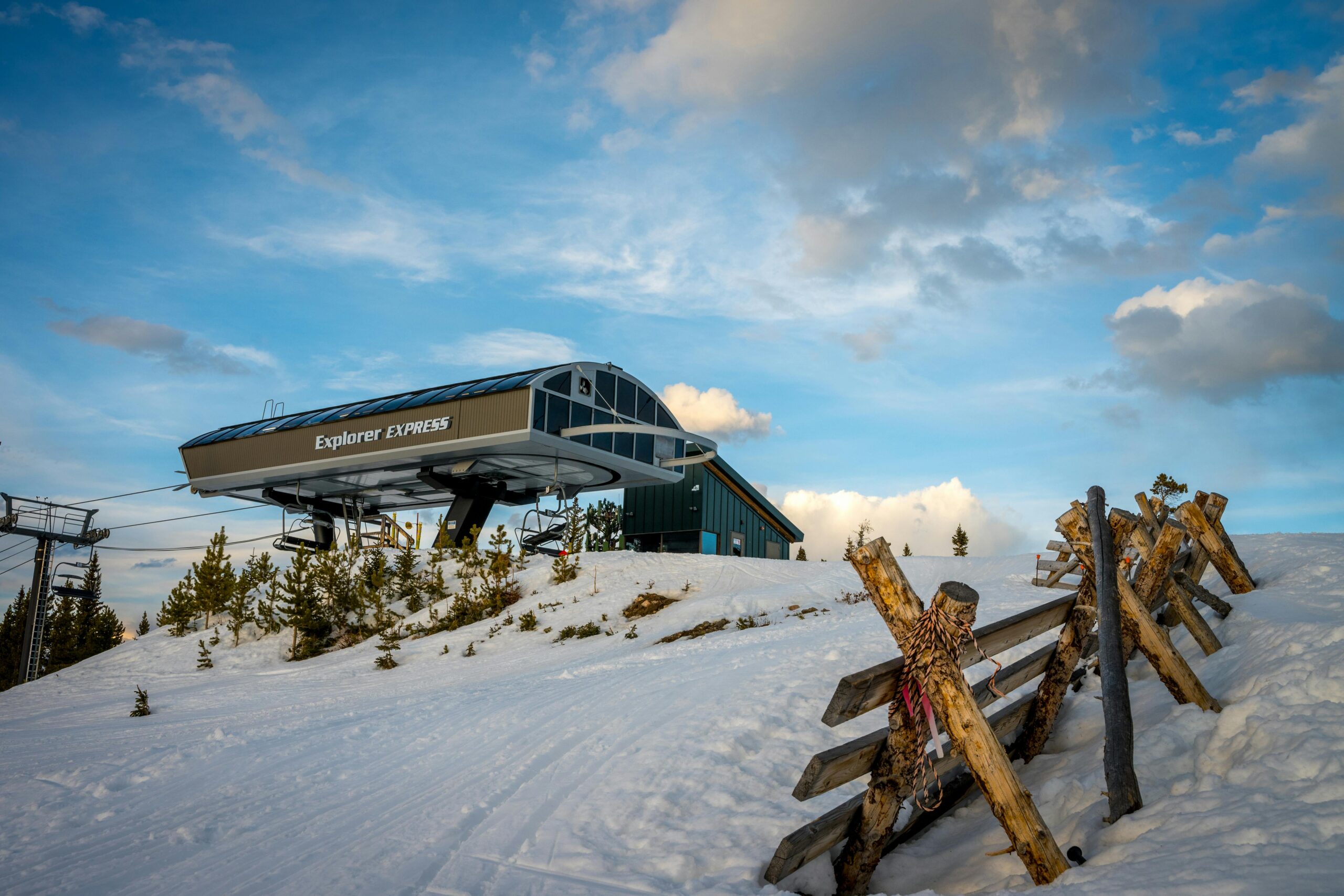
For many winter vacationers, the Colorado ski season is synonymous with crisp air, deep snow and the thrill of alpine runs. Yet, for a growing number of travellers, it’s becoming synonymous with sticker shock. Several of Colorado’s most-iconic ski resorts are reporting lodging prices that are rising faster than bookings and — in some cases — keeping visitors away.
Here’s a deep dive into what’s happening, why it matters, what many reports leave out, and what you should know if you’re planning a ski trip this winter.
What’s Going On
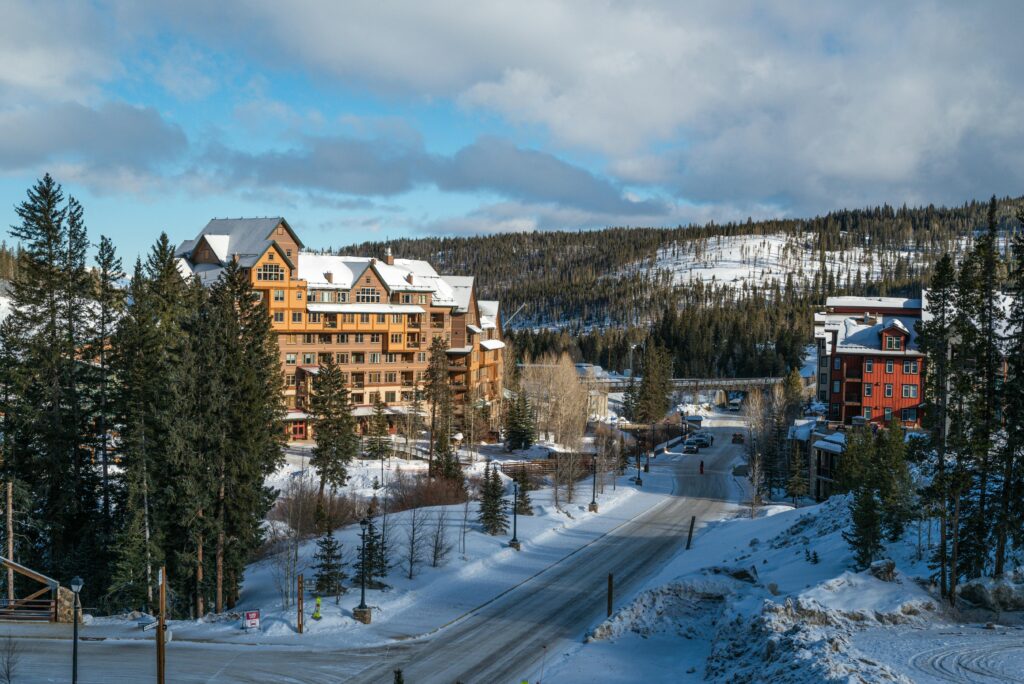
- In Colorado resort towns, lodging rates have climbed significantly over recent seasons. Many hotels and rental properties justify higher prices with rising operating costs, booming real-estate markets and record demand during peak moments.
- Some resorts are seeing falling occupancy despite higher rates — indicating that higher price points are starting to push out portions of the market. For example, one resort town reported a 13 % drop in lodging occupancy for the upcoming season even as average daily rates rose 8.3 %.
- Variables compounding the trend: inflation, rising utilities, snow-making costs, tighter labour markets for resort staff, and large real-estate investment in mountain towns pushing short-term rental supply downward.
- Guest behaviour is shifting: Longer stays are being substituted with short‐weekend trips, travellers are booking later (making deals harder), and budget-conscious visitors are deferring or shifting to less expensive resorts.
- Despite price hikes, some resort towns report that total lodging tax revenues remain stable or only slightly down, because the higher per-night rates offset fewer bookings — but that doesn’t obscure the fact many tourists are priced out.
Why It’s Happening: Key Cost Drivers
1. Rising Input Costs
Resorts require massive infrastructure: lifts, snow-making machines, grooming vehicles, heating, lodging maintenance. Many of these costs are rising faster than inflation, pressuring hotel and condo owners to raise nightly rates.
2. Real Estate Pressure & Short-Term Rentals
Many mountain towns (e.g., Aspen, Vail, Snowmass) have seen real-estate prices surge, making land/housing expensive for resort worker housing and lodging supply. When units are bought as second homes or investment properties, short‐term rental supply shrinks for everyday seasonal travellers.
3. Labour & Housing Shortages for Workers
Resort lodging requires a large workforce. In many mountain towns, affordability and housing availability for hospitality staff are major issues—raising wages and shifting costs to operations. These costs ultimately flow into guest pricing.
4. Demand Peaks & Fewer Less-Expensive Options
High demand in holiday weeks allows resorts to raise rates. Meanwhile, mid-season or less busy periods are increasingly saturated with high-end demand, limiting bargain options and reducing price elasticity.
5. Global Competition & Client Expectations
International volume may soften due to costs and shifting demand, but resorts still invest in luxury experiences targeted at high-spend visitors—pushing price ranges upward and making the resort less accessible to moderate budgets.
What Many Reports Miss
- The “value” effect: Reports often mention higher rates, but less often emphasise the decline in value perception. When room rates rise but service, amenities or snow-quality decline (because of weather or increased guest volume), travellers note the downgrade in value.
- Off-peak vs peak divide: Many deals vanish from peak holiday weeks (Christmas/New Year, President’s Day). Some guests shift to shoulder periods, but messaging and supply have not kept pace.
- Regional divergence: Not all Colorado resorts behave the same. Some are seeing weaker occupancy despite high rates; others maintain rates because they’re luxury-focused. The crowding effect is localised.
- Secondary costs escalate: It’s not just the room rate. Lift tickets, resort fees, food, parking, and local transit also rise. These add-on costs exacerbate the perception of unaffordability.
- Long-term risk: If moderate-budget travellers exit the system, resorts risk becoming over-reliant on ultra-premium guests—making them vulnerable to global economic downturns.
- Worker and community impacts: When lodging prices rise, local workers often endure longer commutes, higher housing costs, and increased traffic. This has social/community consequences that some reports under-state.
- Sustainability & environment: Price hikes tied to snow-making, luxury real estate and resource-intensive accommodations raise environmental concerns—particularly as climate change intensifies.
- Early booking vs last-minute deals: Many travellers expect “flash deals” from online platforms. As resorts push rates up and guarantee fewer discounts, traveller behaviour (late booking, expectation of deal) mismatches the pricing model, further squeezing bookings.
What This Means for Travellers and Resorts
For travellers:
- Planning early is more important than ever to get value.
- Consider shoulder periods (early December, late March) for better pricing.
- Explore alternative resorts with lower cost bases (less luxury positioning).
- Check total trip cost (room + lift tickets + fees) not just nightly rate.
- Be flexible with accommodation types—condos, shared lodging, hostel options may offer savings.
For resorts:
- Maintaining moderate-budget lodging supply is vital for long-term sustainability.
- Transparent pricing and value communication build trust among guests.
- Diversifying target markets (families, moderate spenders) helps avoid over-reliance on luxury tier.
- Investing in non-ski amenities (wellness, summer tourism, off-season events) can smooth revenue across seasons and moderate rate spikes.
Frequently Asked Questions
Q1: Are lodging prices only rising in Colorado’s ski resorts?
No. While the trend is clear in Colorado, many ski destinations globally (US and abroad) are experiencing similar cost pressures—lift-ticket inflation, rising lodging costs, holiday demand peaks. Colorado transforms these factors especially strongly due to luxury real-estate markets and high-end visitor segments.
Q2: Does a higher nightly rate always mean fewer bookings?
Not always, but the elasticity of demand is important. If a resort continues to attract high-spend visitors, bookings may hold. But when rates rise for mid-budget guests, bookings often decline, particularly among cost-conscious families.
Q3: Are there cheaper alternatives in Colorado?
Yes. Smaller resorts or less central lodging (slightly farther from the slopes or town centres) may offer better value. Travellers should compare base-towns, off-peak timing, and bundled lodging + lift packages.
Q4: Why can’t resorts just cap rates?
Because cost structures are rising (infrastructure, staffing, real estate). Also, resorts compete on luxury amenities and experience. Capping rates might reduce revenue needed for investment. The challenge is balancing affordability and sustainability.
Q5: Will prices continue to rise?
It depends. If demand remains strong and costs continue climbing (climate pressures, labour, real estate), prices may keep going up. But a sustained drop in occupancy among mid-budget guests could force moderation.
Q6: What is the risk for resorts if moderate-budget tourists stop coming?
Two big risks: 1) Loss of a broad base of visitors — resorts may become overly dependent on luxury spenders and be vulnerable in downturns. 2) Local economies may suffer — lodging workers, hospitality services rely on year-round volume, not just premium weeks.
Q7: Are these trends affecting lodging workers or local housing?
Yes. Higher short-term rental rates often mean fewer affordable housing units for workers. Some mountain towns report severe worker housing shortages tied to real-estate competition and lodging demand.
Q8: How early should I book to avoid the cost spike?
Booking as early as 6-12 months ahead for popular holiday weeks gives the best chance of value. For shoulder weeks, booking 3-4 months ahead may be sufficient.
Q9: What should I do if I find prices too high?
Options:
- Shift dates away from peak holiday weeks
- Consider less-premium lodging or nearby towns
- Look for lodging + lift ticket deals
- Visit emerging resorts where price inflation is less severe
- Contact resorts directly for unpublished deals or cancellation-list spots
Final Thoughts
Colorado’s ski resort lodging market is being shaped by overlapping forces: booming real estate, rising operations costs, luxury demand and shrinking mid-budget guest segments. For travellers, the message is clear: value is harder to find, and more strategic planning is required. For resorts, the challenge is equally sharp: preserving accessibility for moderate guests while financing world-class mountainside experiences.
If the middle ground disappears, ski towns risk becoming exclusive enclaves rather than broader destination communities. The slopes may still shine white, but if only the wealthy ride, the vitality and resilience of mountain tourism could be compromised.
Resources The Aspen Times

