

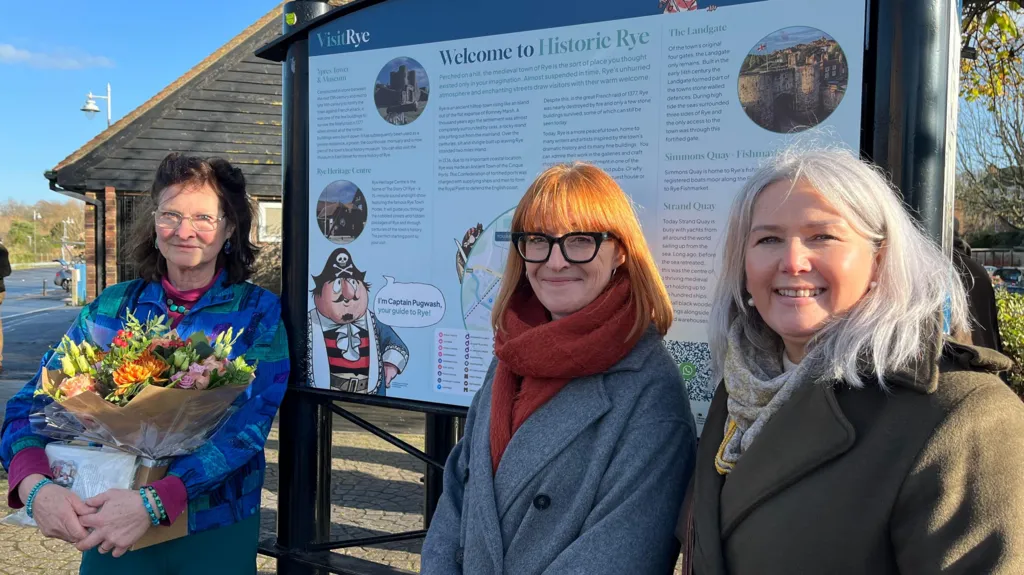
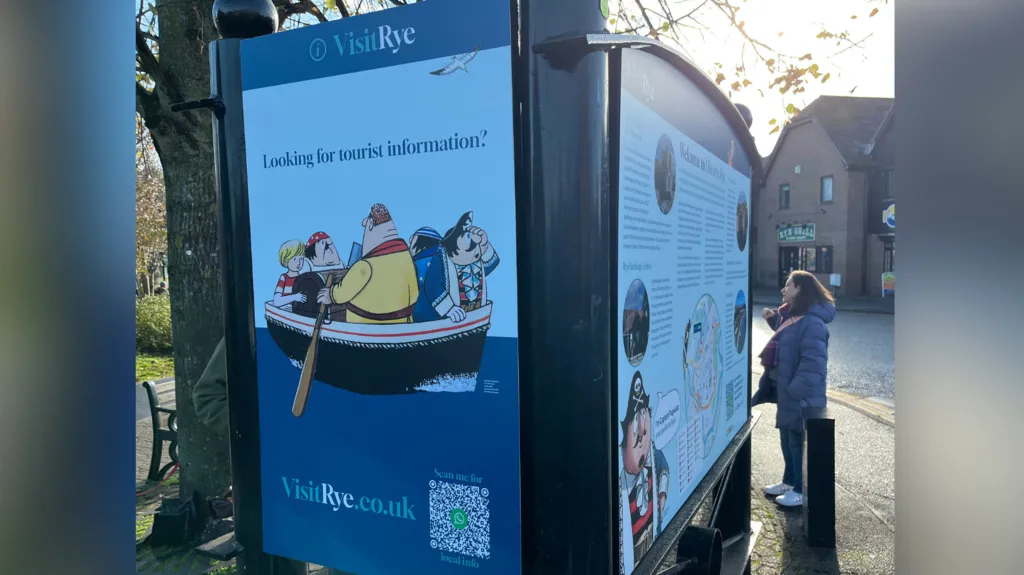
A small UK coastal town is turning to an unlikely hero to boost tourism: Captain Pugwash, the bumbling but beloved cartoon pirate who once sailed into the hearts of generations of children. Now, decades after the show first aired, the character is being revived as the face of a new tourism strategy — one that blends nostalgia, family-friendly fun, and local heritage.
But beneath the charming surface lies a much bigger story about how coastal towns are fighting to stay relevant, how nostalgia is becoming a tourism tool, and why storytelling still matters in place-branding.
This article takes a deeper look at the initiative, what’s missing from early reports, and the real potential behind this quirky tourism strategy.
Why Captain Pugwash — and Why Now?
The town behind the campaign (known for its maritime history, working harbour, and long-standing relationship with the sea) has been searching for ways to attract families back after years of fluctuating visitor numbers.
Bringing in Captain Pugwash — complete with banners, themed trails, and redesigned promotional materials — taps into:
1. Nostalgia Marketing
Parents and grandparents who grew up watching the BBC series instantly recognise the character. Nostalgia creates emotional connection — a major driver of tourism decisions.
2. Maritime Cultural Fit
The show’s themes of adventure, ships, and seaside escapades align perfectly with the town’s coastal identity.
3. Family Appeal
Modern family tourism thrives on characters and narratives. Captain Pugwash offers a friendly, non-commercial mascot that feels authentic and community-driven.
4. Distinctiveness
Many UK coastal towns rely on standard beach marketing. Captain Pugwash gives this town a unique hook, helping it stand out in a crowded tourism landscape.
What the Original Reporting Didn’t Fully Explore
While the initial news piece highlighted the rebranding effort, it left out important layers that reveal the true potential of the project.
A. Economic Pressures Behind the Campaign
Like many coastal areas, the town faces:
- seasonal tourism
- declining high street activity
- competition from international travel
- rising operational and marketing costs
The Pugwash campaign reflects a shift toward low-cost, high-impact branding — using an existing cultural icon rather than developing new mascots or expensive ad strategies.
B. The Role of Local Businesses
Shops, cafés, and attractions are expected to join the campaign with:
- themed menus
- Pugwash-branded souvenirs
- treasure-hunt maps
- window stickers and signage
This “whole town branding” can significantly amplify visitor engagement — something early reporting only briefly touched on.
C. Heritage, Licensing, and the Original Creator
The character, created by John Ryan, still holds nostalgic weight.
The council reportedly worked closely with rights holders to ensure:
- brand authenticity
- community-friendly usage
- educational tie-ins for children
This careful licensing process ensures the campaign benefits both the town and the Pugwash legacy.
D. Events, Trails, and Interactive Tourism
Plans include:
- a Captain Pugwash Adventure Trail for kids
- pop-up storytelling events
- waterfront installations and photo spots
- local school involvement in art competitions
- seasonal pirate-themed festivals
This is more than a marketing facelift — it’s an attempt to fully integrate the character into town life.
E. Potential for Digital Expansion
Although not yet implemented, ideas under discussion include:
- a Pugwash mobile treasure-hunt app
- digital badges for completing trail stops
- AR pop-ups showing animated characters at key landmarks
These modern additions could widen the campaign’s appeal beyond nostalgia lovers.
Challenges the Town Must Navigate
1. Avoiding Over-Reliance on a Single Character
Tourism needs diversity — over-branding around one icon can limit appeal if trends shift.
2. Ensuring Broad Resident Support
Locals must feel ownership, not fatigue, over the new identity.
3. Maintaining Authenticity
Thematically, the campaign must honour the gentle humour of Pugwash while respecting local history and avoiding cartoonish overreach.
4. Balancing Tourism and Community Needs
Increased foot traffic means more economic activity — but also more pressure on parking, waste management, and infrastructure.
What Could Success Look Like?
If executed well, the Captain Pugwash campaign could:
- increase off-season tourism
- boost family-focused visits
- stimulate local businesses
- strengthen the town’s cultural identity
- inspire partnerships with schools and libraries
- set the stage for other heritage-based marketing initiatives
In an era where every destination is fighting for attention, having a warm, whimsical, instantly recognisable icon could be a major win.
Frequently Asked Questions
Q1: Why Captain Pugwash instead of a modern character?
Because the character carries multi-generational familiarity, aligns with maritime identity, and is affordable to licence compared to contemporary media franchises.
Q2: Will this actually attract more tourists?
Early signs suggest it can, especially families looking for themed days out. Towns that adopt character-driven branding often see increases in engagement and foot traffic.
Q3: How long will the campaign run?
While initially a seasonal trial, the town plans to extend it year-round if visitor data shows strong reception.
Q4: Is this just for children?
Not at all. Adults often engage the most due to nostalgia. Many older visitors find joy in revisiting a character from their childhood.
Q5: Will there be Pugwash merchandise?
Local businesses are preparing themed items including mugs, posters, T-shirts, badges, and children’s activity books.
Q6: Is the campaign replacing existing tourism promotions?
No — it enhances them. Beach holidays, food festivals, heritage trails, and nature tourism remain central offerings.
Q7: Could other characters be added in the future?
Possibly. Town leaders have hinted at expanding to more maritime-themed stories if this campaign proves successful.
Q8: Is this good for the local economy?
Yes. Even modest increases in tourism can significantly support small shops, cafés, and B&Bs in coastal towns.
Q9: Are there any concerns from residents?
Some residents worry about over-commercialisation, but most see the character as a positive and family-friendly addition.
Final Thoughts
Reviving Captain Pugwash isn’t just a cute tourism gimmick — it’s a creative strategy to reconnect visitors with a town’s maritime heritage, boost local businesses, and inject personality into its branding.
In an age where destinations must stand out, embracing a character with charm, humour, and decades of cultural recognition might just be the perfect way for this coastal town to chart a brighter tourism future.
Sources BBC

