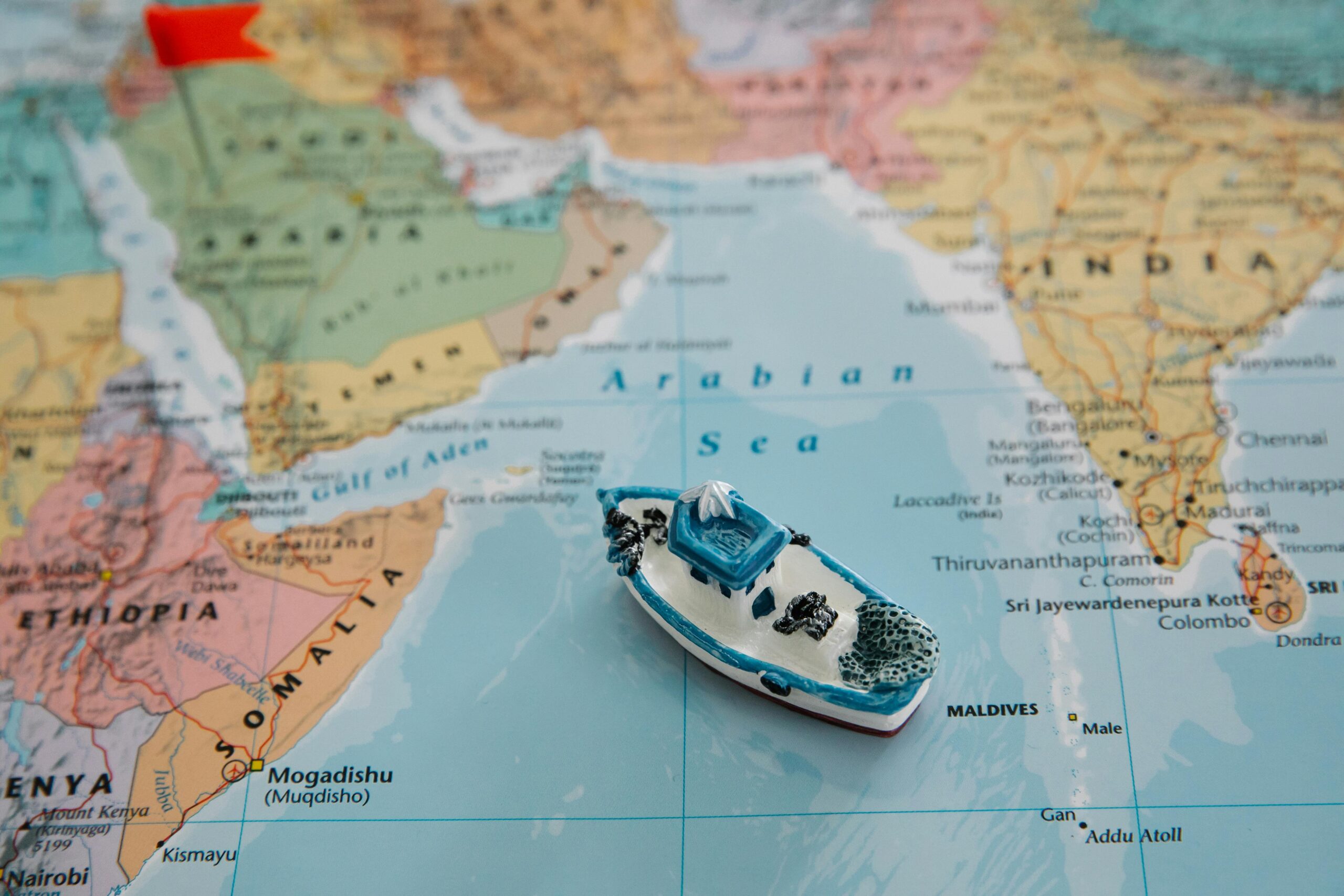
Somalia is one of the last places many people expect to see on a global tourism upswing. For decades, the country has been defined internationally by conflict, piracy, political instability and dire travel warnings. Yet in recent years, an unmistakable trend has emerged: tourist arrivals are rising, hotels are reporting more bookings, and local tour operators are receiving inquiries from travelers around the world.
So what’s going on? Why is a country long associated with danger suddenly appearing on the radar of adventurous travelers, digital nomads, diaspora families and even investment-minded visitors?
This expanded article breaks down the real reasons behind Somalia’s unexpected tourism surge, what the original reporting didn’t mention, and what the future might look like for one of Africa’s most misunderstood destinations.
1. The New e-Visa System Changed Everything
Somalia’s introduction of a modern e-Visa and electronic travel authorization system marks one of the biggest turning points in the country’s tourism story.
Before this, visitors had to deal with confusing embassy processes, unpredictable visa-on-arrival policies, or complex local arrangements with tour operators.
The new system:
- Simplifies entry
- Builds traveler confidence
- Signals political and administrative modernization
- Encourages diaspora Somalis to return for family visits
For many travelers, logistical barriers—not safety—were the biggest obstacle. Removing this barrier opened the door.
2. Security Has Improved (In Specific Areas)
Somalia is still dangerous. There is no sugarcoating that.
But security improvements have taken place in certain zones, especially:
- Mogadishu’s central districts
- Somaliland (self-governed region)
- Puntland (semi-autonomous region)
- Key coastal corridors monitored by regional authorities
- Airport-to-hotel “green zone” routes
Travelers are not visiting hostile areas — they are visiting pockets of relative stability managed by experienced security personnel and vetted tour operators.
This is highly controlled tourism, not free-roam backpacking.
3. Somalia Has Unique Attractions Most of the World Never Sees
Surprisingly, Somalia has some of the richest cultural and natural attractions in East Africa.
Highlights include:
Stunning Beaches
Miles of untouched white-sand shores along the Indian Ocean, including:
- Lido Beach (Mogadishu)
- Berbera Coast (Somaliland)
- Remote islands and reefs
Ancient Rock Art
Sites like Laas Geel, considered among the best preserved rock art sites in Africa.
Historic Towns & Architecture
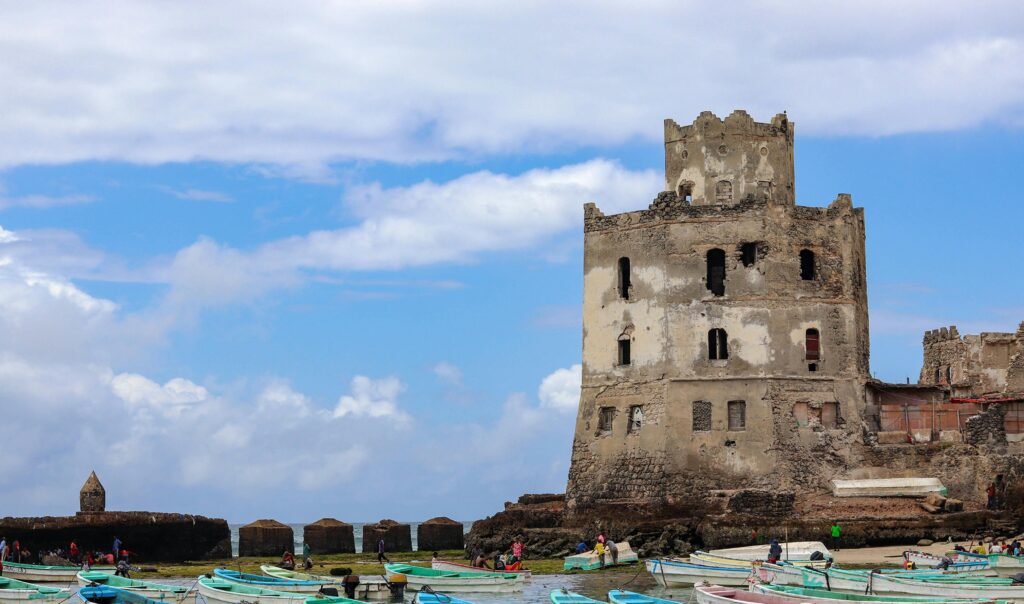
Ottoman, Italian, Arab, and local influences shape Somalia’s old cities and port towns.
Pure Cultural Immersion
Somalia offers something mass tourism destinations lack:
unfiltered authenticity.
Adventurous travelers are drawn to undeveloped destinations where travel still feels “real”—not manicured for tourists.
4. Diaspora Tourism Is Surging
Millions of Somalis live abroad. As the country becomes more accessible, many are returning to:
- Visit family
- Explore their heritage
- Invest in business
- Reconnect with culture
- Show their children where they come from
Diaspora travelers form the bulk of the tourism surge, and unlike casual visitors, they often stay longer and spend more.
5. Tour Operators Are Offering Organized, Safe Itineraries
A critical component behind the tourism rise is the emergence of reliable operators who provide:
- Armed convoy transfers
- Local guide networks
- Government clearances
- Safe hotel arrangements
- Destination “micro-tours” within secure zones
These curated experiences make travel possible in ways that were unimaginable a decade ago.
6. Social Media Is Changing Perception
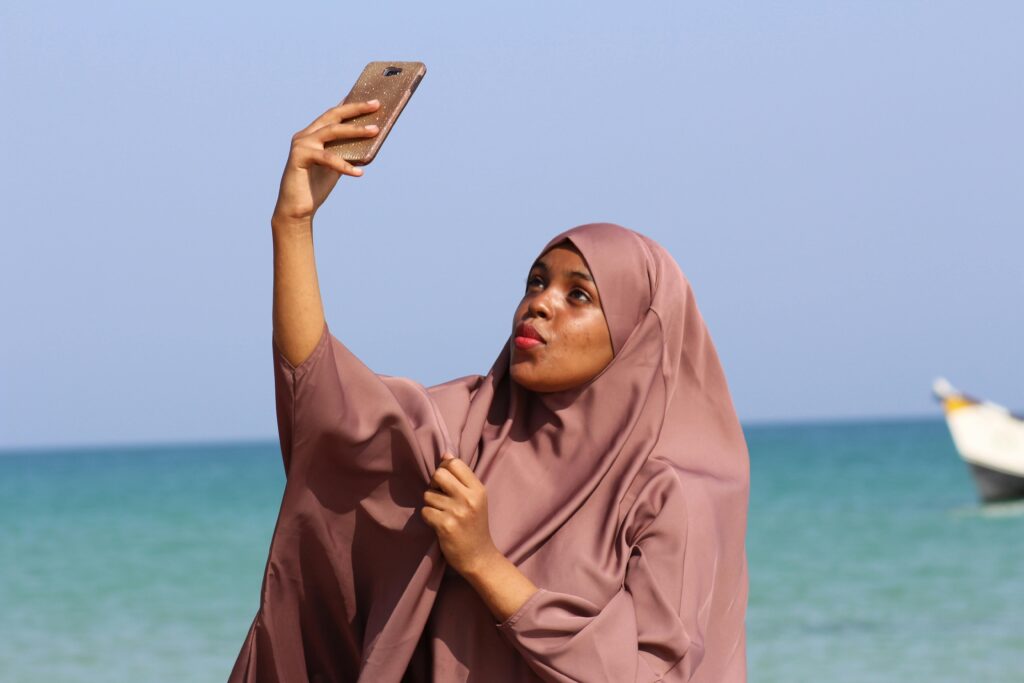
Shocking as it may seem, TikTok, Instagram, and YouTube have played a massive role.
Travel creators are posting videos of:
- Blue water beaches
- Camel markets
- Mogadishu cafés
- Somaliland mountains
- Street food scenes
The contrast between online content and the world’s outdated mental image of Somalia creates intense curiosity among viewers.
7. What the Original Reporting Missed
Most articles highlight basic trends, but several deeper dynamics often go unmentioned. Here are the missing pieces:
A. Tourism Is Not Spread Across the Entire Country
It is concentrated in safe zones — especially Somaliland and limited sectors of Mogadishu connected to the airport and hotel districts.
B. Much of the Growth Is “Heritage Tourism”
This isn’t random Western backpackers — it’s Somalis returning home.
C. The Government Views Tourism as Economic Diversification
Somalia is trying to reduce reliance on remittances and rebuild local industries.
D. Infrastructure Is Improving (Slowly)
New airports, renovated hotels, and improved roads are emerging in key hubs.
E. Travelers Don’t Visit Without Security Protocols
Tourism isn’t casual — it’s structured, escorted, and planned.
F. Investment Tourism Is a Major Driver
Foreign investors and diaspora business owners are scouting opportunities, not just sightseeing.
G. Somalia Is Trying to Rebrand Internationally
Tourism is part of a larger public-image strategy to rebuild diplomatic and economic ties.
8. The Opportunities Ahead
If Somalia continues on this trajectory, potential long-term benefits include:
- Job creation
- Local income generation
- Preservation of cultural heritage
- International reputation improvement
- Growth in hospitality and service sectors
- Diaspora investment expansion
Somalia could eventually become an iconic adventure-travel destination — similar to how Rwanda, Colombia, or Albania reinvented themselves.
9. The Risks That Could Slow the Momentum
- Renewed security instability
- Political shifts
- Poor tourism regulation
- Infrastructure delays
- Overreliance on tour-operator-managed zones
- Environmental degradation on beaches
- Loss of visitor trust if an incident occurs
Tourism in Somalia is still fragile — a single major event could set back progress.
Frequently Asked Questions
Q1: Is Somalia safe to visit right now?
Not generally. Only specific regions with controlled security are considered reasonably safe for guided tours. Independent travel is strongly discouraged.
Q2: Who is visiting Somalia the most?
Primarily the Somali diaspora, followed by experienced adventure travelers, journalists, documentary creators, and business investors.
Q3: What attractions are tourists going to see?
Beaches, historic towns, markets, ancient cave art, cultural festivals, and coastal landscapes — mainly in Somaliland and select parts of Mogadishu.
Q4: Is the new e-Visa system reliable?
Yes, it significantly simplifies the process and signals Somalia’s efforts to modernize travel access.
Q5: Are Western governments lifting travel warnings?
No. Most still advise against travel to Somalia, except with professional security arrangements.
Q6: Is tourism helping Somalia’s economy?
Yes. It supports hotels, guides, restaurants, drivers, and local craftsmen — but growth remains modest and concentrated in safe pockets.
Q7: Do you need security escorts?
In most areas, yes. Reputable tour operators arrange them as part of a package.
Q8: What is the safest region to visit?
Somaliland is widely considered the safest for tourists, thanks to stable local governance and strong security forces.
Q9: Can tourism continue to grow?
Yes — but only if stability improves, regulations strengthen, and infrastructure continues to modernize.
Final Thoughts
Somalia’s tourism rise is not a fluke — it’s a layered evolution shaped by diaspora return, limited security improvements, digital storytelling, and deliberate government modernization.
The country is still dangerous, but curiosity, cultural connection, and guided safe travel are creating a new tourism chapter.
Somalia is not yet a mainstream destination — and may never be — but for those seeking authenticity, heritage, and untouched natural beauty, it has become one of the most fascinating emerging travel stories of the decade.
Sources CNN