
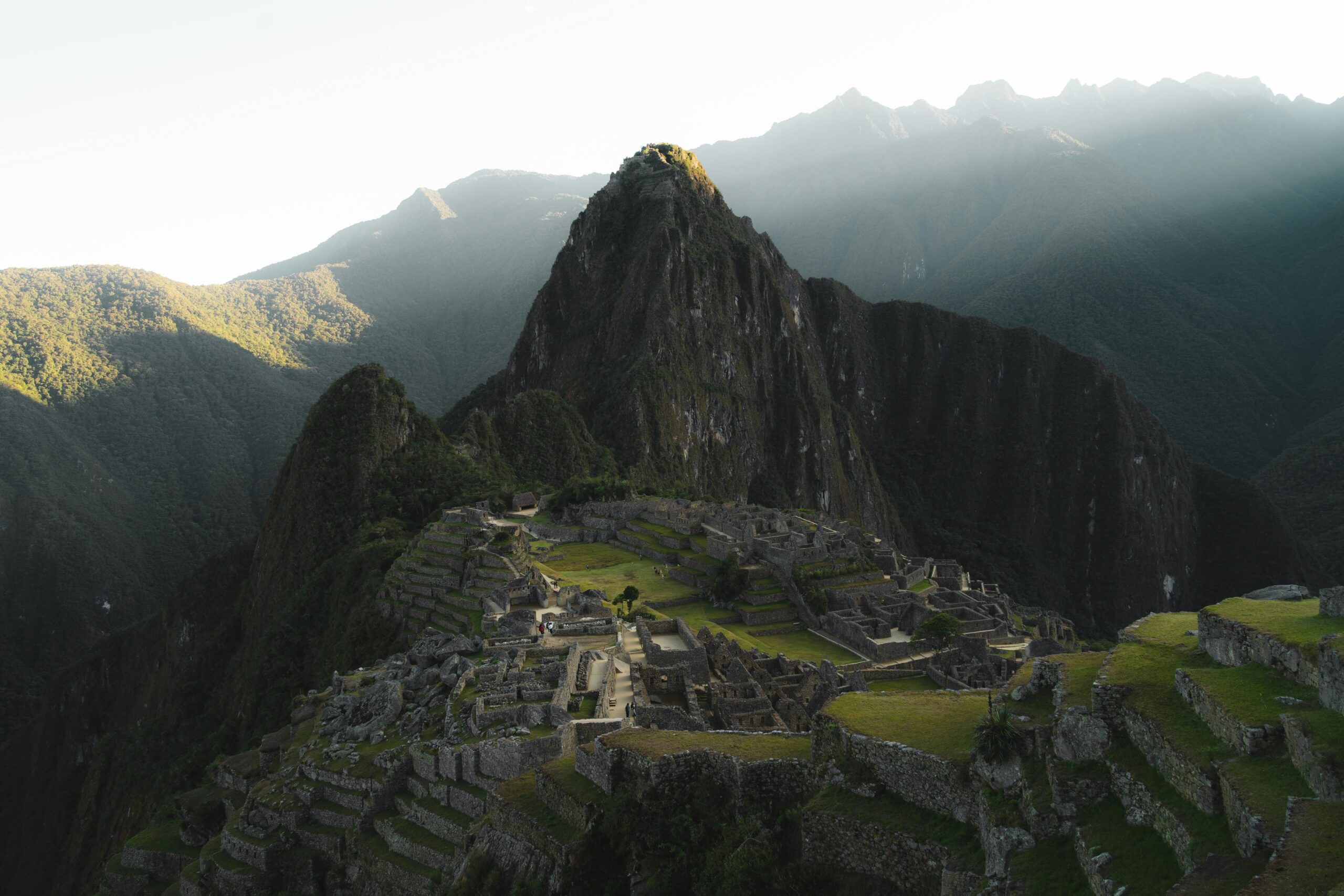
Machu Picchu — one of the world’s most iconic archaeological wonders — is again at the center of a heated dispute. This time, the fight isn’t over ticket limits, access restrictions, or preservation rules. It’s over tourist buses: who controls them, how many should operate, and whether they’re harming both the environment and the visitor experience.
What seems like a simple transport issue has quickly escalated into a political struggle involving tourism operators, local communities, conservationists, and the Peruvian government. At stake is not only the future of transportation to Machu Picchu but also the long-term preservation of the site itself.
Below is a more complete look at the controversy — covering what’s happening, why it matters, what earlier reporting didn’t include, and what travelers should expect.
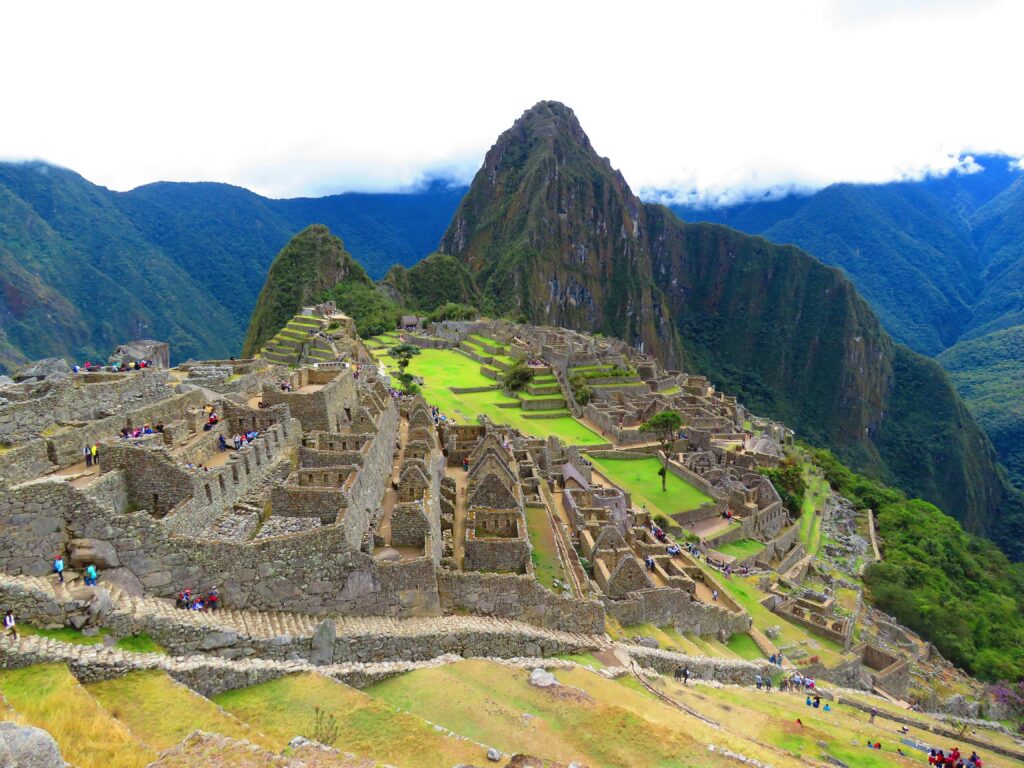
1. What’s Going On With the Tourist Buses?
Access to Machu Picchu is controlled by a single steep, winding road called the Hiram Bingham route, which connects the town of Aguas Calientes (Machu Picchu Pueblo) to the mountaintop citadel.
- Only licensed tourist buses are allowed.
- They operate as a near-monopoly concession.
- New regulations and contract disputes have sparked protests and operational disruptions.
Recent conflict centers on the renewal of the transport concession — with local communities demanding more participation, environmental groups asking for fewer vehicles, and private operators fighting to maintain or expand their fleet.
The tension has led to temporary service interruptions, long lines for visitors, and fears of permanent changes to access.
2. Why the Bus System Matters So Much
Visitors can technically reach Machu Picchu on foot, but the vast majority rely on buses. These buses are essential for:
- transporting up to 3,000+ visitors per day
- generating revenue for the region
- supporting tourism jobs in Aguas Calientes
- ensuring controlled, timed access to the site
Any disruption has immediate economic consequences for guides, hotels, restaurants, and local families.
3. The Environmental Concerns
Environmental groups argue the current bus system is unsustainable.
Key concerns include:
A. Road Erosion and Landslide Risk
The mountain terrain is fragile. Heavy bus traffic contributes to erosion, which increases the risk of landslides on the steep switchback road.
B. Vehicle Emissions
Diesel buses increase pollution within a protected UNESCO World Heritage area.
C. Overcrowding at the Entrance
Large groups arriving simultaneously overwhelm the site’s narrow access points, impacting visitor flow and conservation.
D. Habitat Impact
The citadel is surrounded by cloud forest and diverse wildlife. Excess traffic disrupts sensitive ecosystems.
4. The Local Community Perspective
The residents of Aguas Calientes and nearby districts want more control and economic benefit.
Their demands include:
- local operation of bus services
- profit-sharing models
- limits on private concessions
- more employment opportunities for locals
- improved transparency in tourism revenue distribution
Many communities feel excluded from decision-making, even though tourism is their primary economic lifeline.
5. What Early Reports Didn’t Fully Cover
Mainstream coverage touched on the dispute, but several important layers were missing.
A. The Issue Is Part of a Much Larger Debate
This bus row is just one episode in the broader conflict between:
- preservation vs. mass tourism
- government agencies vs. private operators
- local communities vs. national authority
- UNESCO vs. Peruvian tourism ambitions
B. Machu Picchu May Be Reaching Its Maximum Visitor Capacity
Even before the bus issue, UNESCO warned Peru about overcrowding. Some experts argue that the citadel simply cannot handle current visitor volumes without long-term damage.
C. Alternative Transport Models Are Being Studied
Ideas include:
- electric bus fleets
- cable cars from nearby ridges
- restricted bus windows
- mandatory staggered entry
- additional trekking access routes
Some would dramatically change visitor experience — and the tourism economy.
D. Climate Change Is Increasing Risk
Warmer temperatures and heavier rains are making landslides more likely, which heightens urgency for a sustainable transport plan.
E. No Group Wants to Lose Revenue
This dispute is as much about power and money as it is about sustainability.
6. The Future of Access to Machu Picchu: Possible Scenarios
Scenario 1: Maintain the Current Bus System (With Adjustments)
More regulation, updated contracts, and potential emission controls.
Scenario 2: Introduce Electric or Hybrid Bus Fleets
Cleaner, quieter vehicles but requires major investment.
Scenario 3: Limit Daily Bus Licenses
Fewer buses = fewer visitors = reduced strain on the site.
Scenario 4: Build a Cable Car System
Controversial, potentially transformative — but risks altering the landscape.
Scenario 5: Stronger Visitor Quotas
Lower daily limits would protect the site, but reduce income.
Scenario 6: Mixed Access Model
Buses + cable car + more hiking routes, distributing visitor flow more evenly.
Frequently Asked Questions
Q1: Is Machu Picchu still open to visitors?
Yes. Despite the dispute, the site remains open. Temporary delays can occur during protests or service disruptions.
Q2: Why are the buses so important?
They are the primary way tourists reach the citadel. Without them, visitor numbers would drop dramatically.
Q3: Are the buses harming the environment?
Yes, according to conservationists. Erosion, emissions, and overcrowding are major concerns.
Q4: Who controls the bus system?
A private concession currently operates the buses, but local communities and government agencies are battling for more control or alternative systems.
Q5: Could a cable car replace the buses?
Possibly. A cable car could reduce environmental impact and manage crowds better, but it would also change the landscape and redirect tourism revenue.
Q6: Is Machu Picchu at risk of losing UNESCO status?
UNESCO has issued warnings in the past over overcrowding and sustainability. Continued mismanagement could trigger further scrutiny.
Q7: How does this affect tourists right now?
Visitors may face:
- longer queues
- occasional delays
- uncertainty around transport schedules
- changes in ticketing or access windows
Q8: What is the government doing about the dispute?
The national government is reviewing contracts, meeting with communities, and exploring alternative access models.
Q9: Will prices increase?
Likely. Any new system — electric buses, cable cars, increased staffing — could raise access fees.
Final Thoughts
Machu Picchu is more than a tourist destination — it’s a global heritage symbol, a source of national pride, and a vital economic engine for Peru.
The fight over tourist buses may seem technical, but it reflects deeper tensions about sustainability, equitable development, cultural preservation, and how a fragile world treasure should be shared with millions of visitors.
The challenge ahead is clear:
protect the ancient citadel without closing it off from the world, empower local communities without sacrificing conservation, and design a transport system worthy of one of humanity’s greatest achievements.
Sources BBC

