
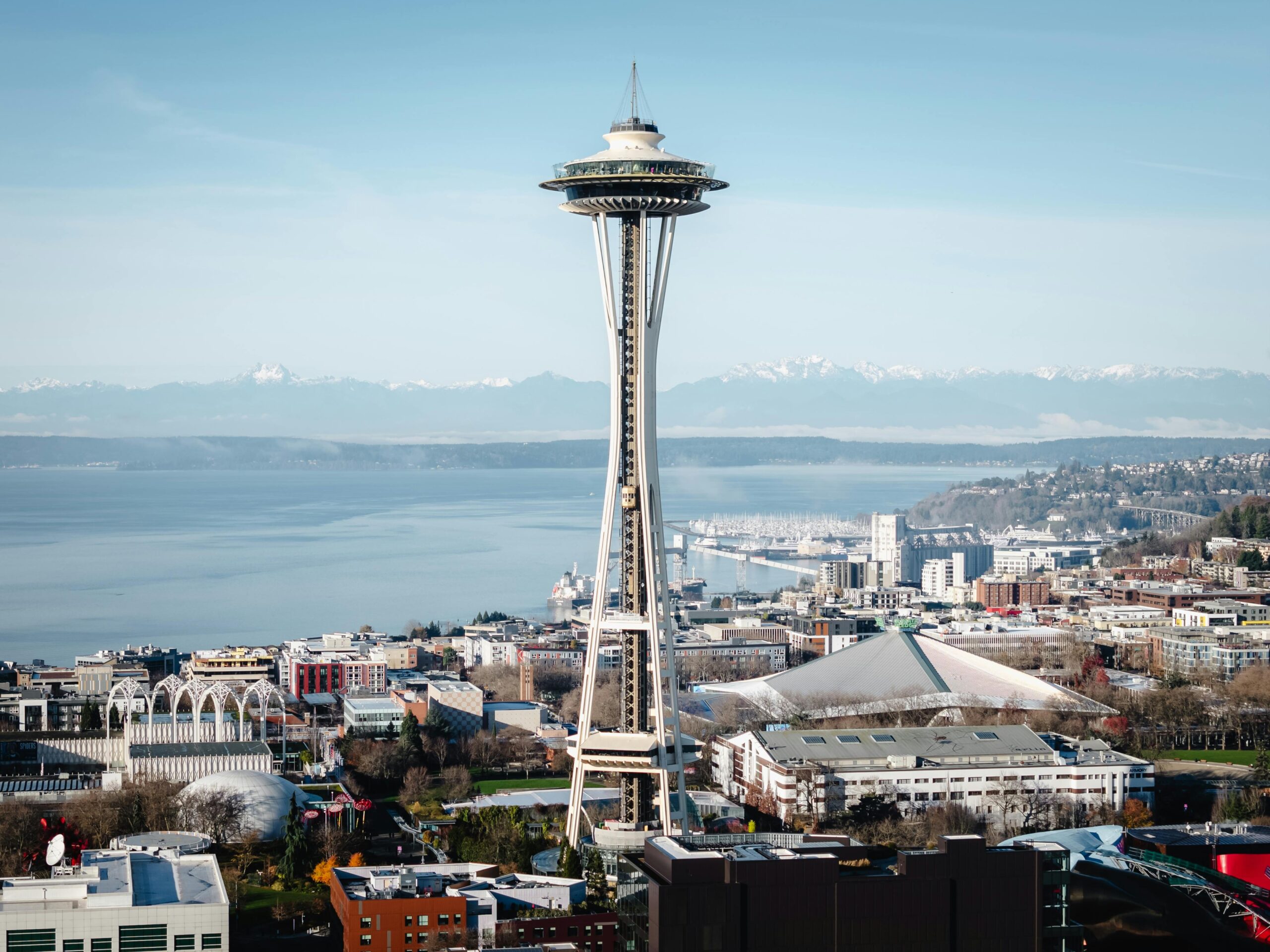
Downtown Seattle is buzzing again. Cruise ships are full, hotels are filling up, and iconic attractions like Pike Place Market and the waterfront are once again crowded with visitors. After years of pandemic disruptions, Seattle’s tourism sector is undeniably rebounding.
But while visitors bring energy and economic activity, tourism alone cannot rebuild the city’s downtown ecosystem. The real missing ingredient — and the one with the deepest long-term impact — is local residents. Without consistent foot traffic from the people who live in the region, downtown Seattle risks becoming a place visitors enjoy but locals avoid.
This expanded article explores why locals are essential to downtown’s vitality, what’s helping the area recover, what obstacles remain, and how Seattle can create a sustainable urban core that welcomes both tourists and residents.
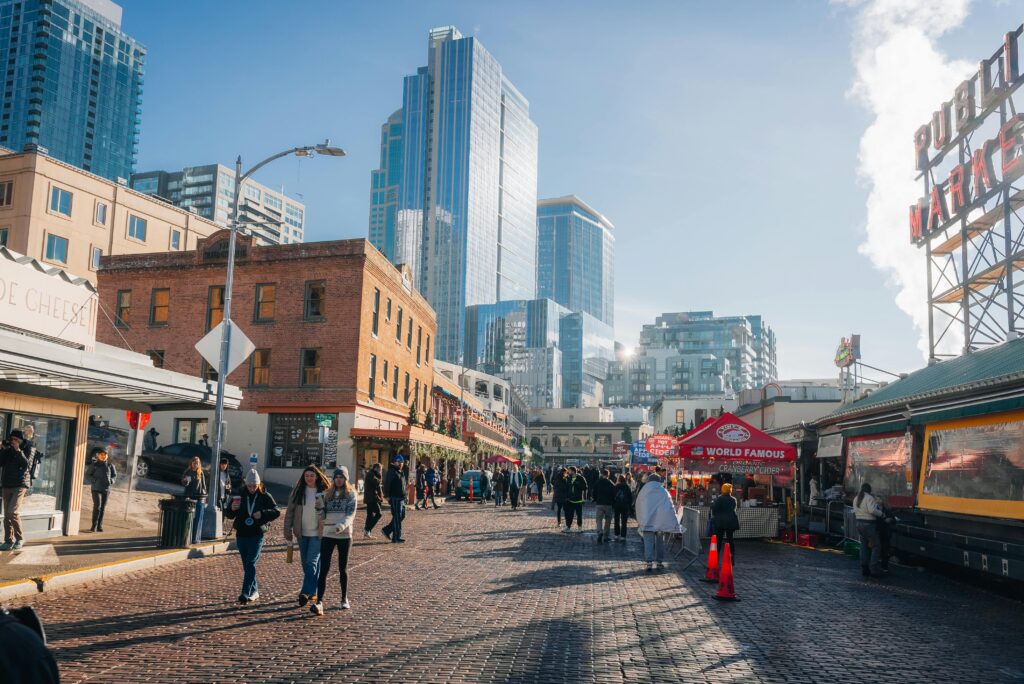
The Tourism Recovery: A Strong but Uneven Rebound
1. Cruise season is driving a major surge
Seattle is one of North America’s busiest cruise ports, and travelers headed to Alaska provide a massive seasonal boost. Cruise passengers now make up a significant share of summer foot traffic downtown.
2. International visitors are returning
Travelers from Asia, Europe, and Canada are steadily coming back as border restrictions ease. Their spending power is high and they typically stay longer than domestic tourists.
3. Conventions are rebuilding — slowly
While conventions are returning, attendance remains below 2019 levels. Hybrid formats and corporate travel cuts mean conventions alone cannot sustain the downtown economy.
4. Weekend vitality is strong, but weekdays lag
Tourists fill hotels on weekends, yet weekday demand remains inconsistent due to the shift toward remote and hybrid work.
Why Locals Matter More Than Ever
Tourism is powerful — but it is seasonal. A healthy downtown depends on year-round, daily engagement, and only locals can provide that.
1. Locals support small businesses year-round
Tourists may spike sales, but locals:
- frequent downtown restaurants
- shop at retail stores
- attend shows and concerts
- visit new pop-ups and community events
Without them, businesses struggle in the off-season.
2. Workers are still not returning at pre-pandemic levels
Many offices remain hybrid or remote, meaning tens of thousands fewer people downtown Monday through Friday. That loss affects:
- lunch spots
- coffee shops
- transit ridership
- retail foot traffic
Tourists cannot replace daily workers.
3. Downtown must feel welcoming to locals
Some Seattle residents still say they don’t feel comfortable downtown or see it as primarily a space for tourists.
To thrive, downtown needs:
- safe, reliable transit
- clean public spaces
- culturally relevant events
- family-friendly activities
4. Locals shape the culture and personality of the city core
A downtown filled only with tourists becomes a theme park. Locals bring authenticity, diversity, and civic energy — the ingredients that make a city feel alive rather than manufactured.
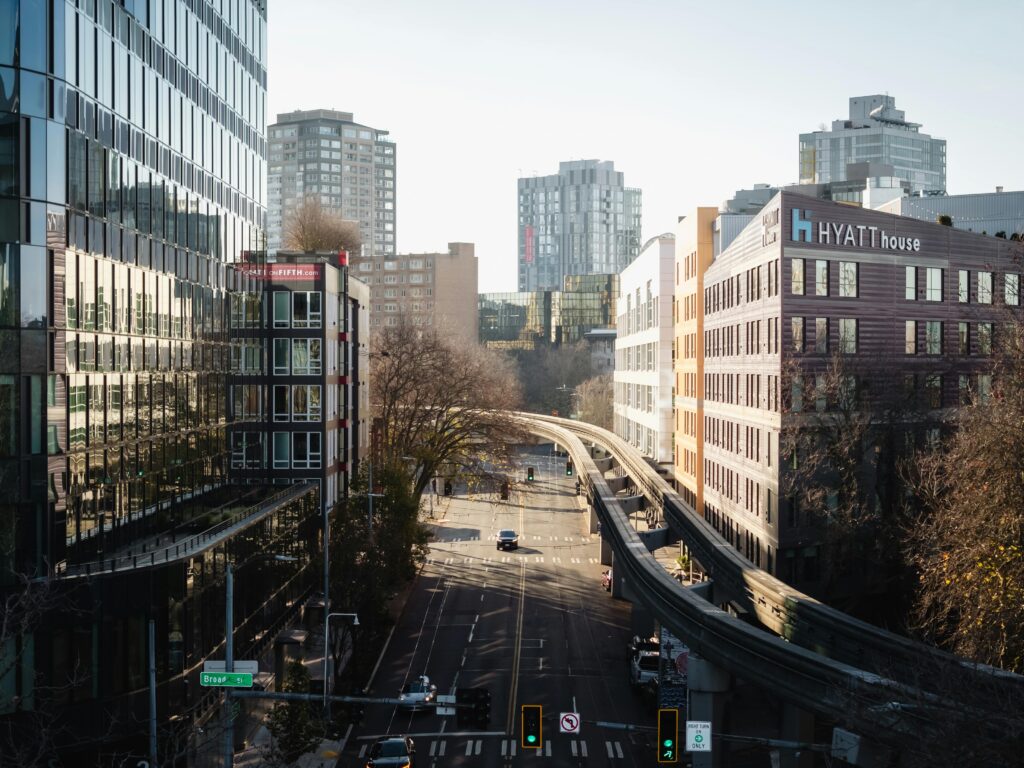
The Obstacles Still Holding Downtown Seattle Back
1. Public safety concerns
Even as crime rates change, perception remains one of the biggest barriers. Many locals remember pandemic-era struggles and assume they persist.
2. Retail closures
Well-known brands and small businesses alike closed during the pandemic and have not returned, creating a sense of emptiness in some areas.
3. Vacant office towers
Remote work has left large commercial buildings only partially occupied, affecting street-level vibrancy.
4. Homelessness and visible poverty
Seattle’s homelessness crisis remains a real and complex challenge, affecting how locals and tourists experience downtown.
5. Transit confidence
Reduced bus frequency, safety concerns, and inconsistent schedules deter people from coming downtown without a car.
What Seattle Is Doing to Bring People Back
1. Investing in public spaces
Upgrades to the waterfront, parks, and public plazas aim to make downtown more inviting.
2. Supporting arts and entertainment
Festivals, theater programming, music events, and cultural pop-ups help create destination-worthy experiences for locals.
3. Retail revitalization programs
Initiatives encourage small businesses, minority-owned shops, and local makers to open in downtown storefronts.
4. Tourism marketing campaigns
Seattle is promoting its waterfront, food scene, and cultural districts to global audiences — but also creating campaigns aimed at locals.
5. Safety and cleanliness efforts
The city and county are expanding:
- street cleaning
- mental health outreach
- community policing
- public service ambassador programs
What the Original Coverage Didn’t Fully Address
1. Downtown Seattle’s identity crisis
Before the pandemic, downtown balanced tourism, tech offices, arts institutions, and retail. Post-pandemic, that mix has shifted. The city must reshape its identity, not just rebuild it.
2. The changing role of shopping districts
National retail trends — not just local issues — have transformed downtown shopping habits. Online retail affects foot traffic as much as safety concerns do.
3. Housing is a long-term solution
More residential units downtown would create natural foot traffic and stabilize local business activity. Seattle is slowly pursuing this through zoning and development incentives.
4. The importance of cultural districts
Chinatown-International District, Pioneer Square, the waterfront, and Capitol Hill play key roles in drawing locals back. Their cultural richness cannot be replaced by tourism alone.
5. The emotional component
Locals need to feel connected to downtown again. That requires rebuilding trust, pride, and a sense of belonging — not just adding new attractions.
Frequently Asked Questions
Q: Are tourists actually returning to downtown Seattle?
A: Yes. Cruise passengers, domestic travelers, and international visitors have significantly increased. Summer and weekend tourism is especially strong.
Q: If tourism is strong, why is downtown still struggling?
A: Because tourism is seasonal and cannot compensate for the massive reduction in daily office-worker foot traffic. Downtown needs locals and workers to return regularly.
Q: What keeps locals from visiting downtown?
A: Perceptions of safety, transit reliability concerns, fewer retail options, and lingering pandemic-era impressions.
Q: What is Seattle doing to improve safety and cleanliness?
A: Increasing street cleaning, expanding outreach services, improving lighting, enhancing transit safety, and coordinating with police and ambassadors.
Q: How can downtown become more appealing to locals?
A: By offering vibrant cultural events, accessible public transit, welcoming public spaces, diverse dining options, and family-friendly activities.
Q: Is retail ever coming back?
A: In new forms. Boutique shops, local makers, pop-up markets, and experiential retail are replacing large national chains.
Q: What role does housing play?
A: A big one. More housing means more residents spending money locally, creating natural foot traffic throughout the week.
Q: How important is the cruise industry?
A: Very important for tourism numbers, but cruises mainly boost weekends and summers — not year-round economic stability.
Q: Will hybrid work ever return to 2019 patterns?
A: Unlikely. Downtowns nationwide must adapt to a future with fewer daily office workers.
Q: What’s the long-term vision for downtown Seattle?
A: A mixed-use, culturally vibrant, resident-friendly urban core that attracts visitors — but is sustained by locals.
Sources The Seattle Times

