

For over half a century, Gehring has devoted his career to unlocking the linguistic and cultural treasures of colonial Dutch history. His work, marked by meticulous dedication and an unparalleled mastery of archaic language, has not only preserved invaluable historical documents but has also opened new vistas for scholars exploring the legacy of colonialism. This article explores Gehring’s remarkable journey, the significance of his translations, and the lasting impact of his contributions to historical scholarship.

Charting a Unique Career
Early Inspirations and the Path to Translation:
Gehring’s passion for languages was kindled at an early age. Drawn to the intricate beauty of Dutch literature and history, he immersed himself in studying the language’s older forms. His career began at a time when colonial Dutch texts were largely overlooked by mainstream academia, a gap he resolved to bridge. Over the decades, Gehring became synonymous with precision, dedicating himself to translating documents that detailed the socio-economic, political, and cultural narratives of a bygone era.
The World of Colonial Dutch:
The texts Gehring translates span a spectrum—from administrative records and trade journals to personal letters and literary works. These documents offer unique insights into colonial life, capturing the complexities of cultural exchanges, power dynamics, and the everyday realities of people caught between worlds. Gehring’s translations bring these texts to life, rendering them accessible to modern readers and ensuring that the stories of colonial times are not lost to history.
Overcoming Challenges in Translation
Navigating Archaic Language and Context:
Translating colonial Dutch is a formidable task. The language, steeped in the idioms and syntax of a bygone era, demands both linguistic expertise and a deep understanding of historical context. Gehring has spent decades perfecting his craft, often consulting rare dictionaries, archival resources, and collaborating with historians to capture not only the literal meaning but also the nuances and cultural subtleties embedded in the original texts.
Balancing Fidelity with Readability:
One of Gehring’s most significant achievements has been his ability to maintain fidelity to the source material while making it accessible to today’s scholars and readers. His translations strive to preserve the original’s tone and intent, yet they are polished to meet modern standards of clarity. This balancing act has set his work apart, earning him recognition as a master translator in an era where linguistic expertise is increasingly rare.
The Legacy and Impact of Gehring’s Work
Contributions to Historical Scholarship:
Gehring’s translations have become essential resources for researchers, educators, and students delving into colonial history. By translating intricate documents that detail governance, economic practices, and cultural interactions, he has provided scholars with primary sources that deepen our understanding of colonial dynamics. His work contributes to postcolonial studies by offering a more nuanced view of the colonial experience from multiple perspectives.

Preserving Cultural Heritage:
Beyond academic circles, Gehring’s dedication has ensured that the rich cultural heritage of the colonial era is preserved for future generations. In an age where digital archives are becoming crucial, his translations facilitate broader access to historical records, enabling a global audience to engage with a past that continues to shape contemporary society.
Personal Reflections and the Road Ahead:
Gehring’s journey is as much about passion as it is about perseverance. His life’s work stands as a testament to the importance of preserving historical narratives in their original language, while also adapting them for modern interpretation. He continues to mentor younger scholars, passing on not only his technical skills but also his relentless curiosity and respect for history.
Frequently Asked Questions (FAQs)
Q1: Who is Gehring and what is his area of expertise?
A: Gehring is a distinguished translator who has spent 50 years translating colonial Dutch documents. His expertise lies in rendering archaic language and cultural nuances into modern, accessible texts while preserving historical authenticity.
Q2: What types of documents does Gehring translate?
A: His work covers a wide range of materials including administrative records, trade documents, personal letters, and literary works from the colonial era, providing insights into various aspects of colonial life.
Q3: What challenges are unique to translating colonial Dutch texts?
A: Translators face obstacles such as archaic vocabulary, outdated syntax, and culturally specific references. Gehring has addressed these challenges through extensive research, historical contextualization, and collaboration with experts.
Q4: How have Gehring’s translations contributed to historical research?
A: They serve as primary sources for scholars, enriching studies on colonial history, economics, and cultural interaction, and fostering a more nuanced understanding of the colonial legacy.
Q5: What impact does Gehring aim to achieve with his work?
A: Beyond academic contributions, Gehring strives to preserve cultural heritage and make historical narratives accessible to a wider audience, ensuring that the lessons of the past inform the present and future.
Q6: How does Gehring balance accuracy with readability in his translations?
A: He meticulously maintains the original text’s tone and intent while modernizing language for clarity. This balance is achieved through careful revision, scholarly consultation, and a deep understanding of both historical and contemporary contexts.
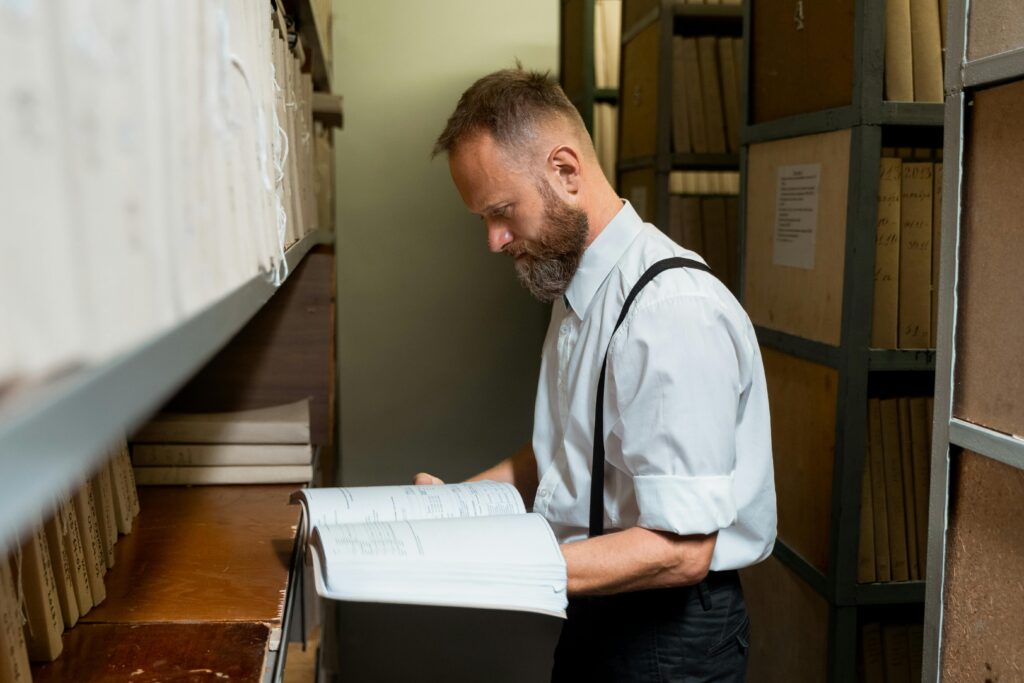
Gehring’s lifetime of dedication to translating colonial Dutch documents is not merely an academic pursuit—it is a bridge connecting us to a complex, multifaceted past. His work continues to enlighten, educate, and preserve history, ensuring that the voices of colonial times continue to resonate with modern audiences.
Sources Times Union

