
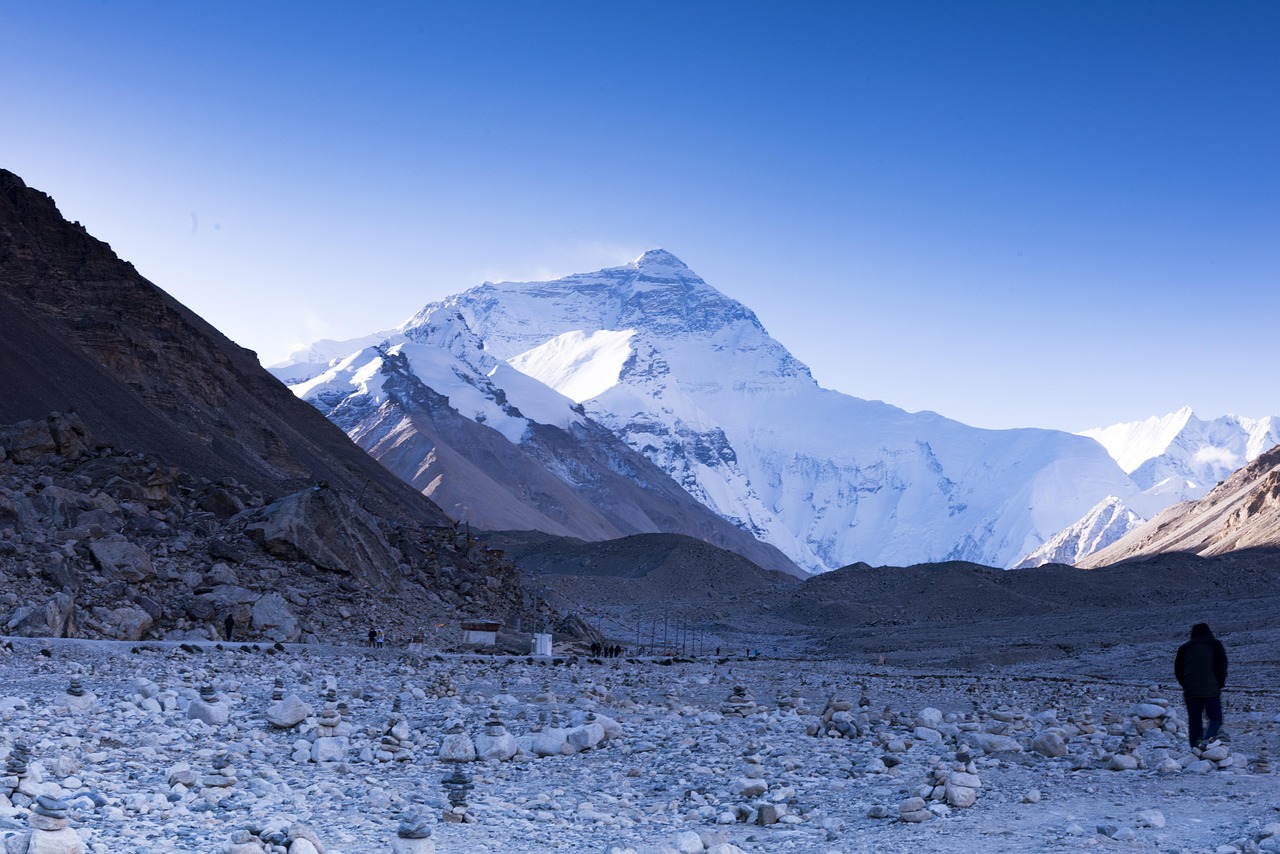
In late October 2025, the usual clear‑post‑monsoon period in the Himalayas was upended by an unusual surge of heavy snowfall and weather disruption stretching across Nepal and Tibet. The result: tourism operations to Mount Everest were forced to pause, and a rescue helicopter crashed in deep snow as it attempted to reach stranded trekkers.
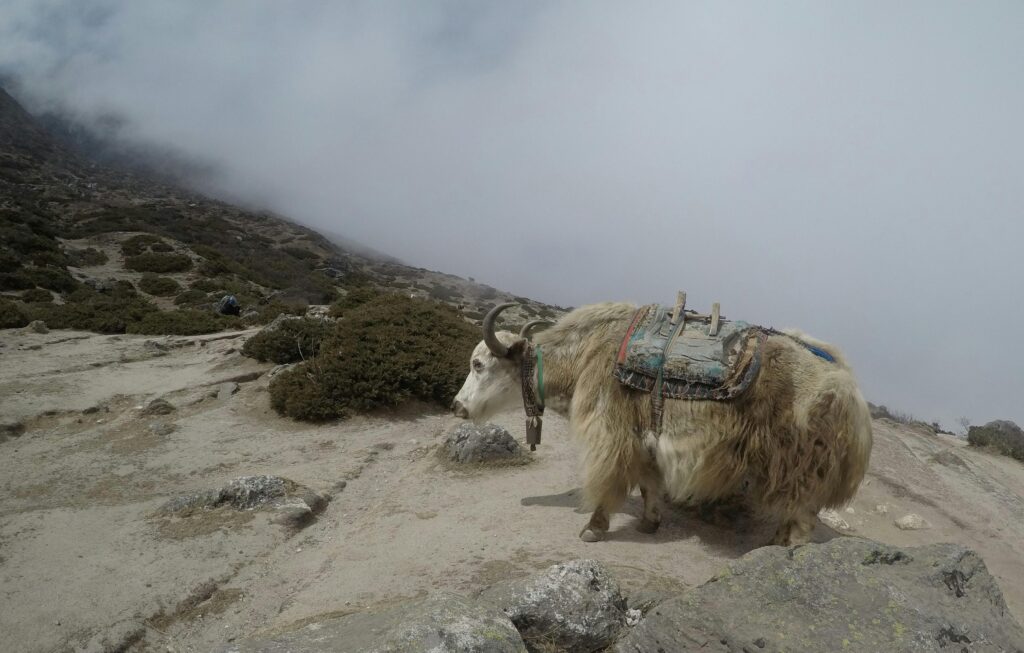
What Happened
- A weather system — influenced by Cyclone Montha in the Bay of Bengal — drove moisture and cold air into the Himalayan region. On the Nepali side, the weather turned rapidly, with high‑altitude trails blanketed by fresh snow and heavy precipitation.
- Authorities announced closure or suspension of trekking and touring in high‑altitude zones including the Everest region, Annapurna, Manaslu and Dhaulagiri areas, warning that continuing was unsafe.
- On the Nepal side: A small private helicopter attempting to rescue stranded trekkers in the Lobuche / Everest Base Camp (EBC) region skidded on deep snow during landing in Lobuche and crashed; the pilot survived. It remained unclear at initial reporting whether the trekkers the helicopter was to assist had been evacuated.
- On the Tibetan (Chinese) side: Icy roads, poor visibility and deep snow caused the regional tourism authorities in Tingri County to suspend ticket sales and access to the Everest Scenic Area. It was unclear how many tourists might have been inside the region when access was stopped.
- The heavy snowfall marked one of the earliest or heaviest winter‑season intrusions into the Everest region in recent years, coming just weeks after major flooding and landslides elsewhere in Nepal.
Why This Matters
- Tourism economics: The Everest region is one of Nepal & Tibet’s premier high‑altitude tourism zones. Suspension of access, cancellations of trekking and delays translate into revenue losses for lodges, guides, porters, local businesses and national tourism income.
- Safety and rescue dynamics: The reliance on helicopter rescue in mountainous terrain is well‑known; however, these operations become significantly riskier in deep snow, high altitude, poor visibility and unstable terrain. The crash highlights the inherent risks of rescue under extreme conditions.
- Weather and climate anomaly: The magnitude of snowfall so early in the season, and the linkage to a cyclone/trans‑Himalayan moisture flow, underscore how mountain tourism and mountaineering operations must manage increasing weather volatility and early‑season hazards.
- Infrastructure and access issues: Roads, airfields, and high‑altitude lodgings are often optimized for “known bad‑weather patterns” (monsoon, spring storms) but may not be fully prepared for unusually heavy early‑snow events. This raises questions about readiness of remote tourism supply‑chains.
- Environmental, health and logistical implications: For trekkers and climbers this event resets assumptions about season windows, acclimatisation plans, rescue access protocols and insurance coverage.
Additional Insights: What the Initial Reports Missed or Under‑emphasised
- Historical context of early‑season snow: While reports noted the heavy snowfall, few cited how previous years had recorded similar anomalies (e.g., autumn blizzards, late monsoon effects) and what lessons stayed un‑implemented.
- Local community/guide perspectives: Many local Sherpa communities, porters and high‑altitude lodges rely on the autumn tourism window. There’s limited coverage of how they are coping — e.g., lodges left unsold, porters unpaid, guides re‑scheduled.
- Insurance, liability and medical evacuation readiness: The helicopter crash raises questions about how evacuation protocols and insurance for remote trekking are structured in Nepal & Tibet. What happens when rescue efforts fail or are delayed?
- Tourist decision‑making and gear implications: Trekking companies and independent trekkers will now likely reassess gear checklists, season‑window assumptions, emergency backup planning, and route flexibility. Reports haven’t fully explored how tour‑operators are adjusting.
- Climate change dimension: The linkage between tropical cyclones, Himalayan moisture surges and snow‑packing in high mountains is a growing research area — yet the tourism industry is only slowly adapting.
- Future season planning: How will the event alter season launches, permitting, permit fees, cancellation policies, and high‑altitude logistics (lodges, porter bookings, access permits) for the upcoming seasons?
- Cross‑border tourist flows: The suspension of access in both Nepal and Tibet raises the question of how bilateral/tri‑national tourism flows adapt when one side closes. For trekkers planning to cross or transit between Nepal and Tibet, this creates complexity.
- Rescue and overview of aviation safety in high altitude terrain: With the helicopter crash, there’s renewed attention on helicopter safety in Himalayan conditions — thin air, unpredictable weather, landing zones with deep snow, and rescue in remote terrain.
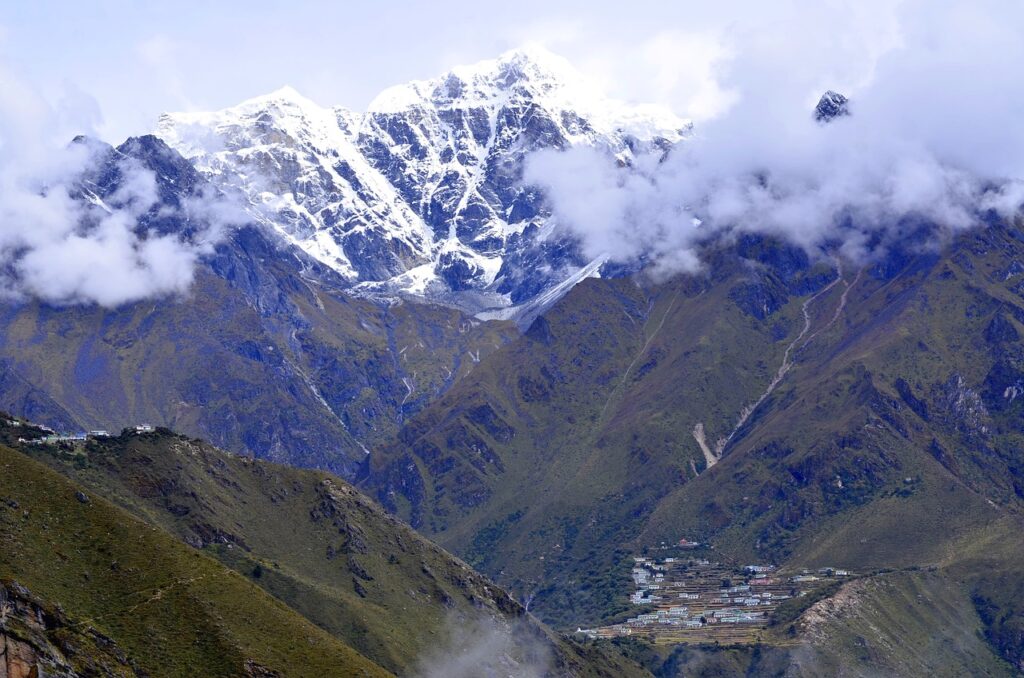
What to Expect for Tourists & Operators
- Flexibility is key: Tourists planning trips to Everest regions should ensure cancellation flexibility, check weather updates, verify rescue and evacuation provisions and travel insurance covering medical and rescue.
- Season windows may shift: Traditional “autumn trek window” (Sept–Nov) may now need buffer‑weeks for early storms or snow cover. Lodges and trekking companies may adjust their calendars.
- Local contingency planning: Guides, agencies and lodges will likely integrate more robust emergency/trip‑cut‑short protocols: e.g., ability to evacuate, portable shelters, supplies for unscheduled delays.
- Cost implications: Insurance premiums, helicopter rescue rates, gear rental might increase. Also local economies dependent on tourism may ask for higher cancellation fees or minimum‑booked lodges to maintain viability.
- Environmental and infrastructure adaptation: Trail maintenance, snow‑clearance protocols, road access mapping, helipad readiness in high altitudes may become more central in tourism‑region investment.
FAQs: Common Questions & Answers
Q1. Why did heavy snow arrive so early at Everest this season?
Meteorologists link the event to Cyclone Montha in the Bay of Bengal, which pushed moisture northwards into the Himalayas, combining with colder upper‑air temperatures. The convergence of tropical moisture and early cold‑air intrusions is a key driver of the heavy seasonal snow.
Q2. Was the helicopter crash caused solely by weather?
Not yet fully determined. The helicopter skidded in deep snow while landing in Lobuche; the pilot survived, but an investigation by the Nepal Civil Aviation Authority is underway. Likely factors include deep snow accumulation, unstable landing surface, high altitude thin air, and poor visibility.
Q3. Are tourists trapped in the region?
On the Nepal side, authorities suspended trekking routes while rescue to stranded trekkers was underway but status was unclear at initial reporting. On the Tibetan side, access was stopped before widespread reports of trapped tourists, and authorities reported no confirmation of stranded visitors.
Q4. How does this affect tourism bookings?
Significantly. Many lodges, trekking agencies and local businesses will face cancellations or delays. Tourists may postpone or choose other routes. Operators might need to renegotiate bookings, adjust pricing and communicate clearly about weather‑risk.
Q5. Should I cancel my Everest trip?
Not necessarily. But you should review your booking terms, ensure you have cancellation flexibility, travel insurance with rescue coverage, clarity on evacuation logistics, and stay updated on weather advisories and route status. Consider deferring if the weather forecast remains unstable.
Q6. What precautions should trekking agencies take?
They should build early‑warning systems, allow buffer days, inspect landing/evacuation helipads, ensure emergency shelters, supply extra food for delays, clear communication with trekkers about route changes or weather‑driven suspension, and coordinate with local rescue services.
Q7. Does this signal a long‑term shift in Himalayan trekking seasons?
Potentially yes. Climate studies suggest more frequent weather anomalies (early snow, later monsoon retreat, storm intrusions) in high altitudes. The tourism industry may need to adapt by adjusting season windows, route design, infrastructure resilience and risk planning.
Q8. What about local communities and guides?
They face income disruption, unsold lodge capacity, rerouted bookings and increased risk/cost in rescue operations. Governments and operators may need to provide compensation mechanisms or alternative livelihood support during suspension periods.
Q9. Will helicopter rescue costs increase?
Quite possibly. Deep snow, remote terrain, unpredictable weather, and thin air increase risk and cost. Insurance premiums for operators may rise; trekking companies might incorporate rescue‑coverage costs into their pricing.
Q10. Are there safer times to visit Everest now?
Yes. Traditionally, spring (April–May) and autumn (Sept–Nov) are the safest windows. Given the new uncertainty, allowing extra buffer days, avoiding earlier in the season and staying informed on meteorological alerts become even more important.
Final Thoughts
The recent snowfall and helicopter crash in the Everest region serve as a stark reminder of the Thin‑Air, High‑Altitude, High‑Risk nature of Himalayan tourism. For travellers, it’s a call to increased vigilance, preparation, flexibility and situational awareness. For operators and governments, it underscores the need to reassess season planning, rescue logistics, infrastructure resilience and the evolving climate‑risk profile of the world’s highest destinations.
Sources CNN

