
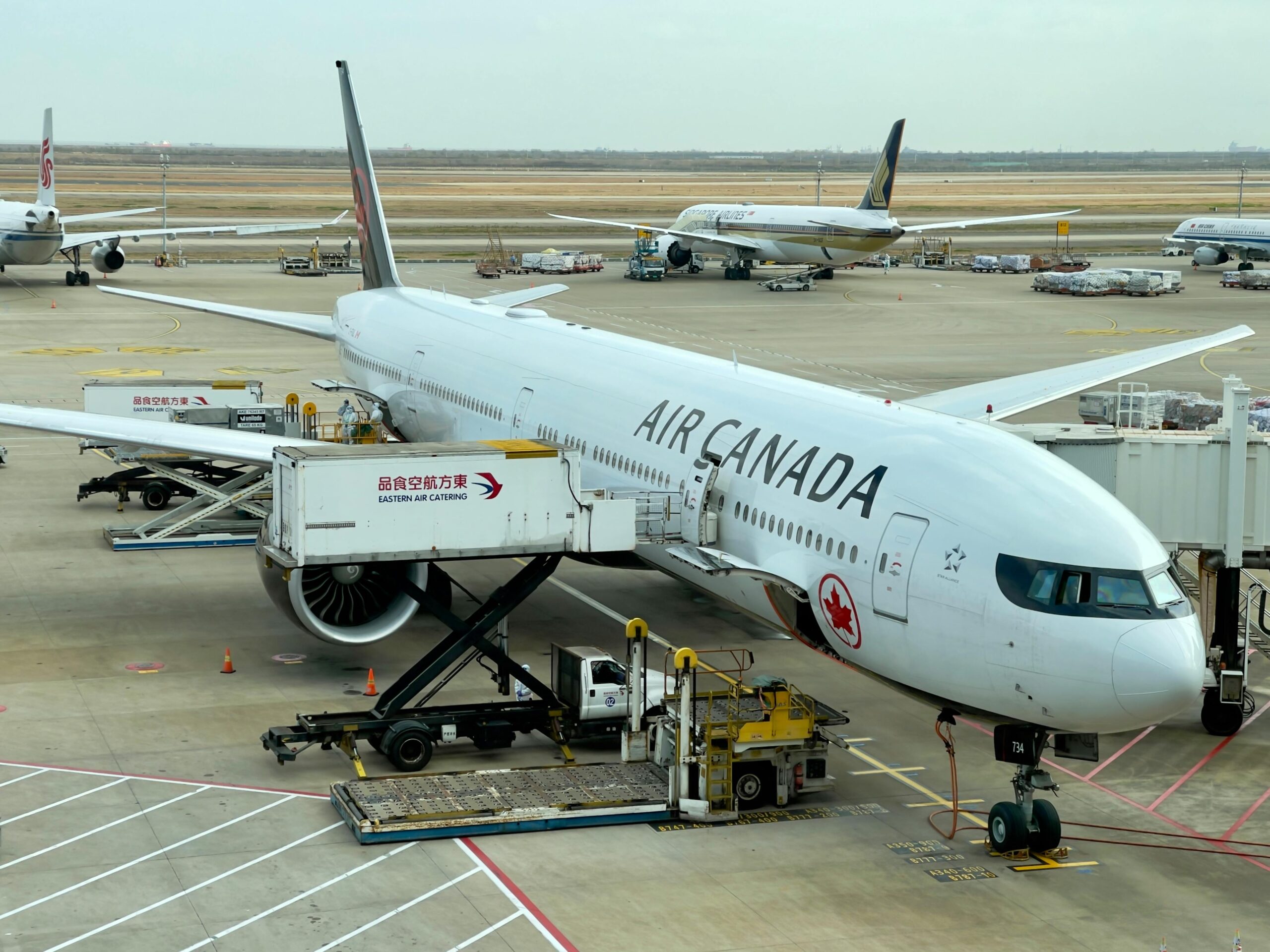
A sudden and major strike by Air Canada flight attendants has plunged the airline—and its passengers—into chaos. Despite a government-imposed back-to-work order, approximately 10,000 attendants, represented by the Canadian Union of Public Employees (CUPE), remain steadfast on strike. The core grievance? Compensation for unpaid ground duties such as safety checks, boarding, deplaning, and passenger assistance—responsibilities that cumulatively amount to an estimated 35 hours of unpaid work per month.
This marks the first national strike by Air Canada flight attendants since 1985 and has already resulted in the cancellation of over 700 flights, disrupted travel plans for more than 100,000 passengers, and sparked widespread economic fallout.
The Breakdown: What Led to This Escalation
Intensifying Dispute
- The previous 10-year collective bargaining agreement expired in March 2025. By late July, 99.7% of flight attendants authorized strike action after many months of stalled negotiations.
- CUPE rejected Air Canada’s proposal of a 38% compensation increase over four years, deeming it insufficient when adjusted for inflation and noting that only half of their ground duties were covered.
Radical Measures
- Air Canada issued a lockout notice immediately after CUPE’s 72-hour strike warning, effectively paralyzing operations.
- Many flights were preemptively canceled, affecting both scheduled departures and arrivals across major hubs.
Government Intervention and Union Backlash
- Jobs Minister Patty Hajdu invoked Section 107 of the Canada Labour Code, directing binding arbitration by the Canada Industrial Relations Board (CIRB).
- The union condemned this as unconstitutional and favoring the employer, accusing CIRB’s Chair of having a conflict of interest.
- The union vowed to defy the government’s return-to-work order—deepening the stalemate.
Economic Repercussions
- With over 130,000 passengers affected daily and cargo operations disrupted (including essential medical shipments), the ripple effects span industries and trade networks.
- Business groups have called for swift resolution as financial losses mount.
Summary Table: Situation at a Glance
| Area | Status / Impact |
|---|---|
| Union Action | 10,000+ attendants on strike, defying back-to-work order |
| Main Issue | Demand for ground pay and equitable compensation |
| Government Intervention | Mandated arbitration; union rejects directive |
| Operational Disruption | ~700 flight cancellations, 100K+ travelers affected |
| Economic Impact | Severe—targets include agriculture, medical logistics, tourism |
| Legal Context | Union challenges constitutionality of government action |
Frequently Asked Questions (FAQs)
Q: What triggered the strike?
The strike stems from stalled contract talks after the 10-year agreement ended. The key battlefield is unpaid ground work—estimated at ~35 hours per month per attendant—which the union insists must be compensated.
Q: What did Air Canada offer?
Air Canada offered a 38% total compensation increase over four years. In the first year, attendants would see up to 16% raise (8% base plus ground pay). Many CUPE members argue this offer falls far short of what’s needed.
Q: Why is the union striking despite government orders to return to work?
CUPE contends the government’s intervention is unconstitutional. They argue that binding arbitration limits their ability to secure a fair deal, especially given leadership conflicts within arbitration agencies.
Q: How is travel being affected?
With most flights canceled and operations halted, passengers face significant disruption. Air Canada advises travelers not to go to the airport without confirmed alternative arrangements. Affected travelers may receive refunds or rebookings, but assistance is limited due to demand.
Q: What’s next?
Legally, arbitration is underway, but with both sides dug in, resolution could take days or weeks. Government and business pressure continues while passengers and wages remain in limbo.
Final Reflection
This escalating dispute between Air Canada and its flight attendants goes beyond a labor negotiation—it reveals tensions around equity, workplace respect, and government intervention in labor rights. How the impasse resolves—or doesn’t—will have lasting implications for airline-worker relations and labor policy in Canada.

Sources The New York Times

