

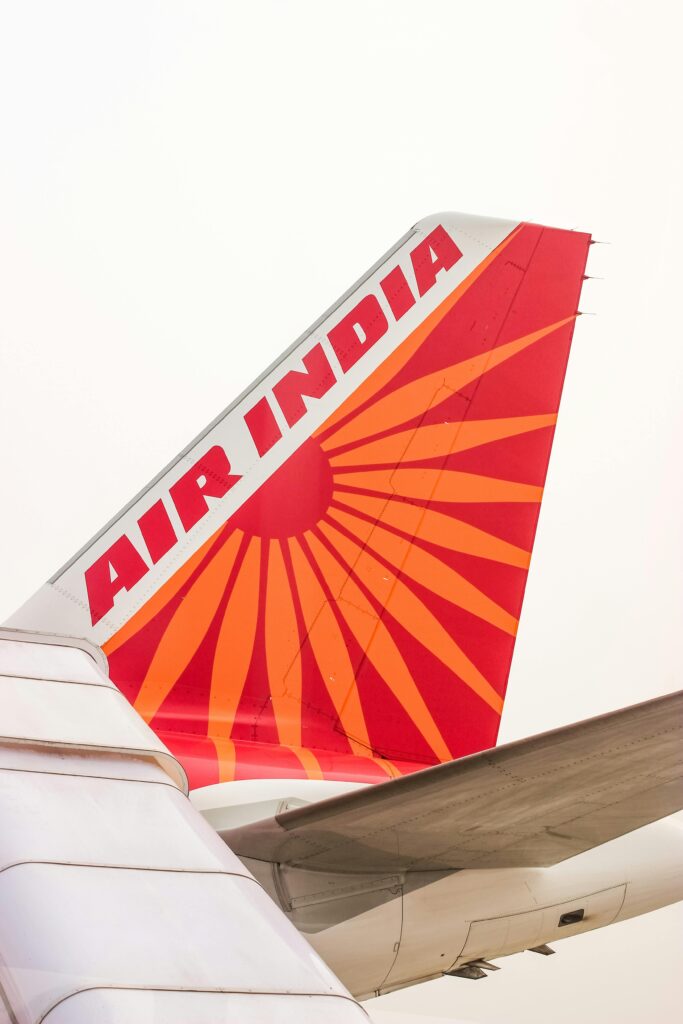
A routine flight from Hong Kong to New Delhi was cut short on Monday when the crew of Air India’s Boeing 787 Dreamliner detected a technical anomaly shortly after takeoff. Opting for caution, the pilots declared a “PAN-PAN” emergency and turned back to Hong Kong International Airport, touching down safely just over an hour after departure. No injuries were reported, and all 236 passengers have been rebooked on alternate services.
Timeline of Events
- 11:20 a.m. HKT: Flight AI315 departs Hong Kong bound for New Delhi.
- Approximately 30 minutes later: Crew notices irregular instrumentation readings in an electrical panel. A “PAN-PAN” call signals an urgent but non-life-threatening situation.
- 12:40 p.m. HKT: Aircraft lands back in Hong Kong; emergency services stand by but no fire or smoke is observed.
- 13:15 p.m. HKT: Passengers deplane; Air India arranges meals, hotel stays, and seats on the next available flights.
What Happened—and Why It Matters
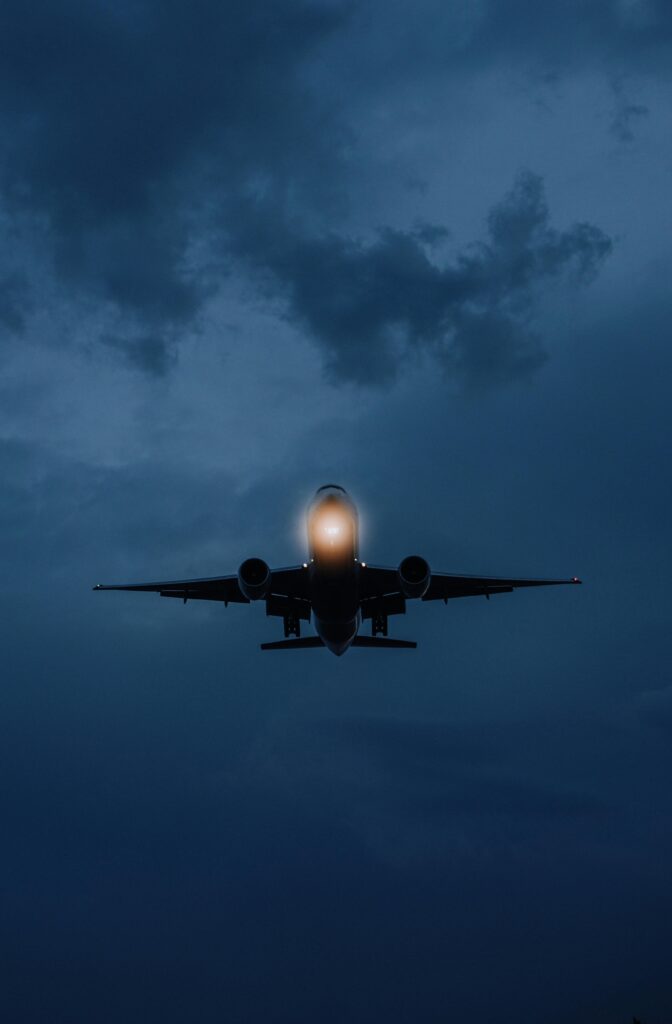
Modern airliners like the Boeing 787 Dreamliner are built with multiple fail-safe systems. When a cockpit alert flags a potential fault, standard procedure calls for an immediate diversion to the nearest suitable airport. In this case:
- Passenger Safety First: Even minor anomalies—electrical glitches, sensor discrepancies—can cascade into more serious malfunctions at cruise altitude.
- Regulatory Protocols: Declaring a “PAN-PAN” ensures air traffic control and ground crews prioritize the returning flight without causing undue alarm.
- Public Confidence: Prompt, transparent action reinforces trust in both the airline and regulatory oversight.
The Broader Safety Context for the 787 Dreamliner
Although the Dreamliner boasts industry-leading fuel efficiency and passenger comfort, its advanced technology has faced isolated challenges:
- 2013 Battery Grounding: Within two years of entering service, several 787s experienced lithium-ion battery fires, prompting a global fleet grounding while redesigned containment systems were certified.
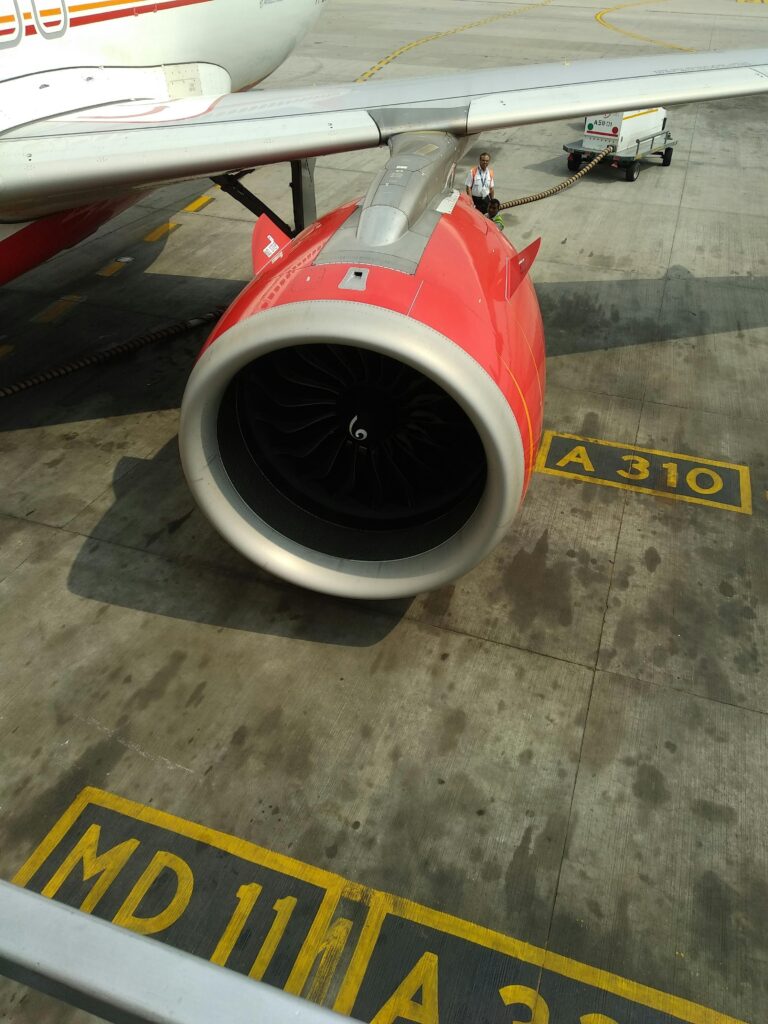
- Engine Inspections: Rolls-Royce Trent 1000 engines fitted on many Dreamliners have required repetitive borescope checks after reports of turbine-blade cracking, ensuring any wear is caught before it can escalate.
- Composite Airframe Maintenance: The 787’s carbon-fiber fuselage demands specialized repair protocols to preserve structural integrity.
What Comes Next
- Technical Inspection: Maintenance crews will perform non-destructive testing, software diagnostics, and component checks to pinpoint and rectify the root cause.
- Regulatory Reporting: Air India will file an incident report with India’s Directorate General of Civil Aviation (DGCA) and share findings with Boeing and engine manufacturers.
- Return-to-Service Clearance: Only after engineers sign off on repairs—and authorities review compliance with airworthiness directives—will the Dreamliner rejoin the schedule.
Conclusion
Flight AI315’s precautionary return exemplifies aviation’s unwavering commitment to safety. While such diversions are inconvenient for travelers, they underscore the layers of vigilance embedded in modern air travel—from crew training to engineering redundancies. In the wake of the recent Ahmedabad tragedy, instances like this reinforce the industry’s resolve to learn, adapt, and uphold the highest standards for passenger security.
Frequently Asked Questions (FAQs)
Q1: What prompted Flight AI315 to turn back?
Crew members detected an electrical-system warning and followed protocol to declare an urgent “PAN-PAN” and divert back to Hong Kong for inspection.
Q2: What is a “PAN-PAN” emergency?
It signals an urgent situation requiring priority handling but not an imminent threat to life—distinct from a “Mayday,” which denotes grave danger.
Q3: Are Boeing 787s safe to fly?
Yes; aside from early battery issues rectified in 2013, the 787 has an excellent safety record. Ongoing engine and systems checks keep the fleet airworthy.
Q4: How are passengers compensated after such a diversion?
Airlines typically provide meals, accommodations, and rebooking on the next available flights, per international conventions and carrier policies.
Q5: Could this issue be related to the recent Ahmedabad crash?
There’s no indication of a connection. The Ahmedabad accident involved different aircraft and circumstances; each incident undergoes its own investigation.
Q6: How long will AI315 be out of service?
It depends on the fault’s complexity. Minor fixes can take hours, major replacements or inspections may require days or weeks, pending parts and regulatory clearance.
Sources AP News

