
What began as a local environmental dispute has evolved into one of Albania’s most significant protest movements in recent years.
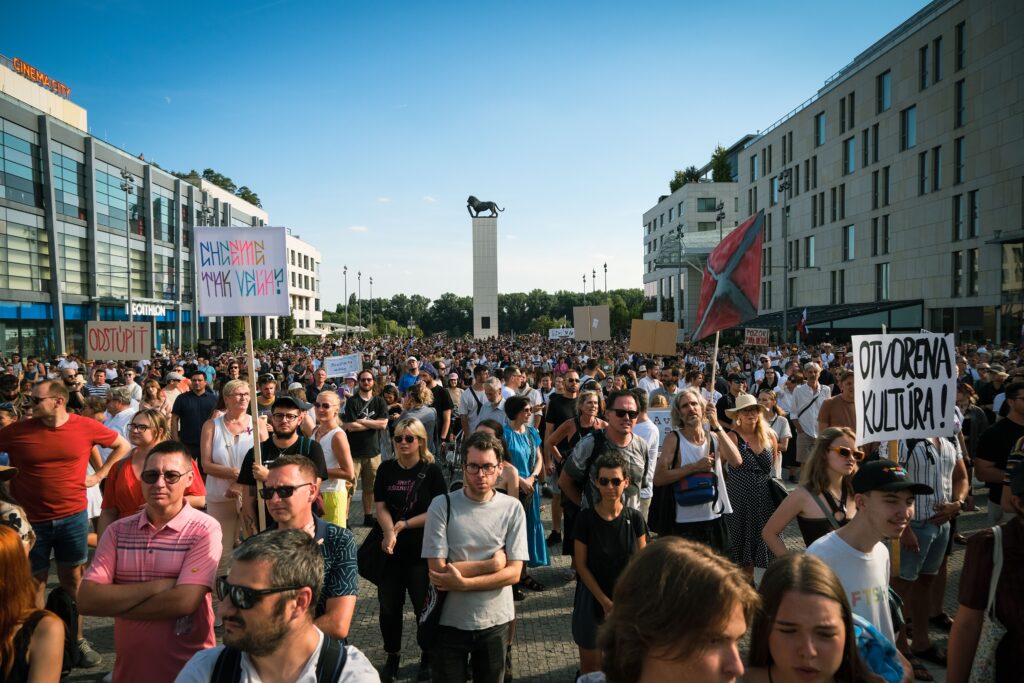
For more than two weeks, thousands of demonstrators have gathered nightly in the capital, Tirana, opposing a multi-billion-dollar luxury tourism project linked to an investment vehicle associated with Jared Kushner, the son-in-law of U.S. President Donald Trump. Protesters argue that the development threatens protected ecosystems, lacks transparency, and symbolizes a broader pattern of political and economic decision-making that prioritizes elite interests over public concerns. Meanwhile, the Albanian government insists the project represents a transformative investment that could elevate the country into the ranks of Europe’s premier luxury tourism destinations.
The dispute has become about far more than a resort. It now touches on environmental protection, democratic accountability, foreign investment, land rights, and Albania’s long-term development strategy.
What Is the Controversial Project?
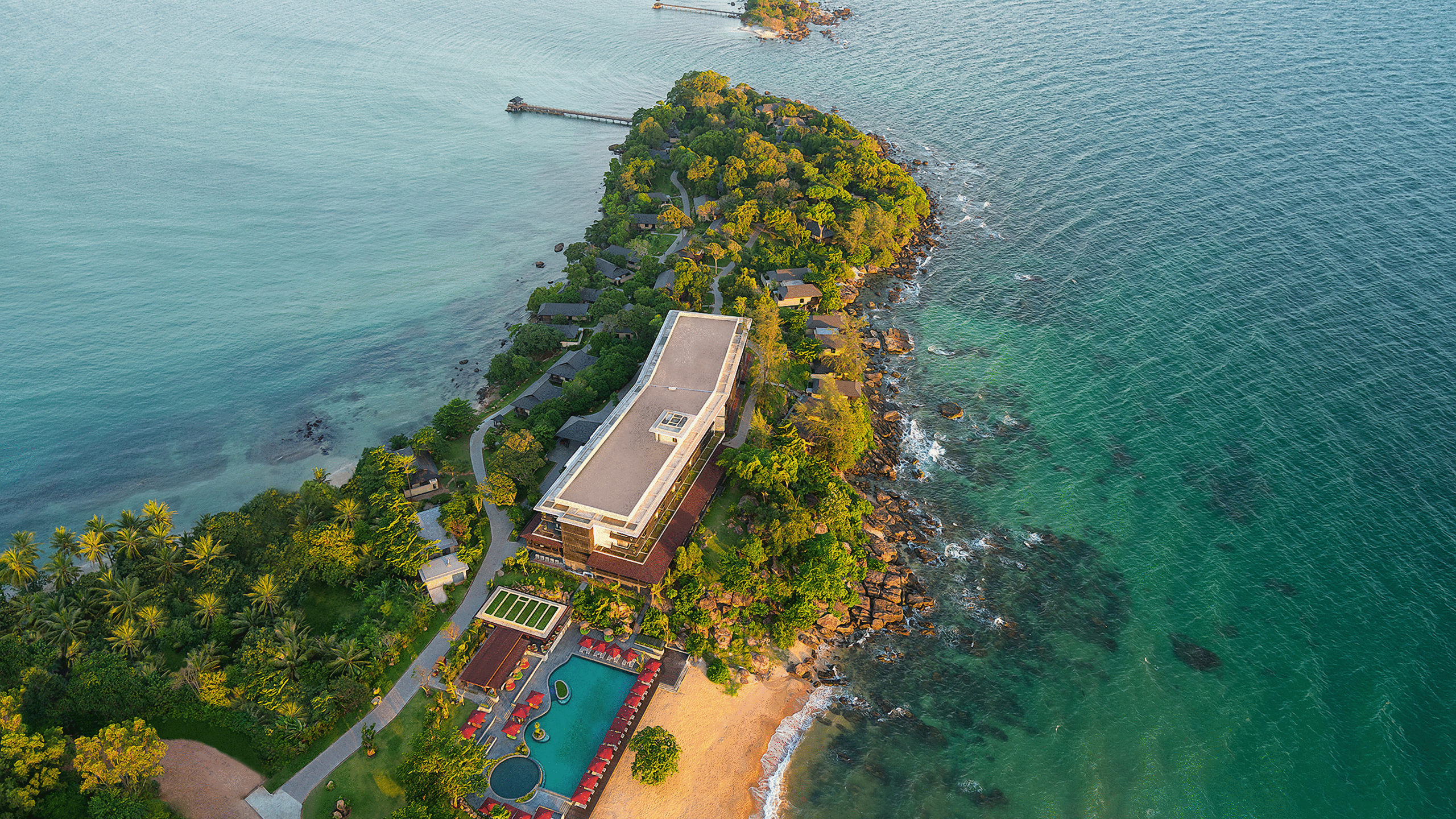
The proposed development centers on two highly sensitive locations along Albania’s southern coastline:
- Sazan Island, a former military island in the Ionian Sea
- The Zvërnec and Narta Lagoon coastal area near the city of Vlora
The investment, valued at several billion dollars, would include luxury hotels, villas, marinas, hospitality facilities, and supporting tourism infrastructure. The project is associated with investment interests linked to Jared Kushner’s business network and has received strategic backing from the Albanian government.
Government officials argue that Albania possesses some of the Mediterranean’s most attractive undeveloped coastline and that high-end tourism could generate jobs, tax revenue, and international recognition.
Why Are People Protesting?
Environmental Concerns
The most visible opposition centers on environmental protection.
The proposed development sits near ecologically important wetlands that support migratory birds, including flamingos, pelicans, and numerous endangered species. Environmental organizations warn that increased construction, tourism traffic, marina activity, and associated infrastructure could permanently alter fragile ecosystems.
Flamingos have become the unofficial symbol of the movement, with protesters carrying inflatable flamingos and cardboard replicas during demonstrations. What began as an environmental campaign has become known informally as Albania’s “Flamingo Revolution.”
Questions About Transparency
Critics argue that major decisions regarding protected land have been made without sufficient public consultation.
Environmental groups claim that key planning documents, impact studies, and permitting processes have not been subjected to the level of scrutiny normally expected for projects of this scale. Some organizations have demanded the suspension of all preparatory work until comprehensive environmental reviews are completed.
Political Frustration
The protests have expanded beyond the resort itself.
Many participants now use the demonstrations as an opportunity to express frustration over corruption, governance, land management, and economic inequality. What started as an environmental movement has gradually become a broader anti-government protest campaign directed at Prime Minister Edi Rama and his administration.
Why Is Sazan Island So Important?
Sazan Island is not an ordinary tourist destination.
Located at the entrance to the Bay of Vlora, the island served for decades as a strategic military base under various governments, including the communist regime of Enver Hoxha. The island contains Cold War tunnels, bunkers, military infrastructure, and largely untouched Mediterranean habitats.
For years, access to the island was heavily restricted. Only recently has it become accessible to limited tourism activities, making it one of Albania’s last relatively undeveloped coastal frontiers.
Supporters of the project see this as an opportunity. Opponents see it as a once-in-a-generation conservation challenge.
Albania’s Tourism Ambitions
To understand the government’s position, it is necessary to understand Albania’s economic strategy.
Over the past decade, Albania has emerged as one of Europe’s fastest-growing tourism destinations. The country offers:
- Adriatic and Ionian coastlines
- Historic UNESCO sites
- Mountain tourism
- Lower prices than many Mediterranean competitors
- Growing international air connectivity
The government hopes luxury developments will help Albania compete with destinations such as:
- Croatia
- Greece
- Italy
- Montenegro
Officials argue that attracting wealthy international visitors could accelerate economic modernization and create thousands of jobs.
The European Union Dimension
One aspect frequently overlooked is how the controversy could affect Albania’s bid to join the European Union.
As a candidate country, Albania must demonstrate compliance with European environmental standards, conservation regulations, and governance principles.
Environmental organizations have urged European institutions to closely monitor the project, arguing that development within or near protected ecosystems could raise concerns about Albania’s readiness to align with EU environmental requirements. The issue has attracted attention from European policymakers and conservation groups.
Foreign Investment vs. Local Control
The controversy also reflects a broader global debate.
Across Europe, Africa, Asia, and Latin America, governments increasingly compete for foreign investment to boost economic growth. However, large-scale tourism projects often trigger concerns about:
- Local land ownership
- Environmental sustainability
- Community participation
- Long-term economic benefits
- Cultural preservation
Critics fear that local communities may bear the environmental costs while international investors capture a disproportionate share of financial gains. Supporters argue that without outside capital, major tourism infrastructure projects would never materialize.
The Geopolitical Angle
The dispute has even taken on an international dimension.
Prime Minister Edi Rama has suggested that online disinformation campaigns surrounding the protests may be linked to foreign influence operations, including actors associated with Iran. Iranian officials have rejected such allegations. The claims have transformed what began as an environmental dispute into a broader geopolitical discussion.
Could Sustainable Tourism Offer a Solution?
Many experts believe the conflict presents an opportunity to rethink tourism development.
Rather than choosing between conservation and economic growth, alternative models emphasize:
- Eco-tourism
- Limited-impact development
- Community participation
- Protected-area management
- Scientific monitoring
- Heritage preservation
Countries that successfully balance tourism and conservation often find that natural landscapes themselves become their most valuable long-term economic asset.
For Albania, preserving biodiversity may ultimately strengthen its tourism appeal rather than limit it.
What Happens Next?
The future of the project remains uncertain.
Prime Minister Edi Rama has repeatedly stated that the government will not abandon the development plans. Protest organizers, meanwhile, show little sign of ending demonstrations. Environmental groups continue to seek greater transparency, legal reviews, and stronger conservation guarantees.
Regardless of the project’s ultimate fate, the protests have already changed Albania’s political landscape.
What began as opposition to a luxury resort has evolved into a nationwide debate about environmental stewardship, democratic accountability, foreign investment, and the country’s vision for the future.
Frequently Asked Questions (FAQs)
1. Why are Albanians protesting the resort project?
Protesters argue that the development threatens protected ecosystems, lacks sufficient transparency, and symbolizes broader concerns about governance, environmental protection, and public accountability.
2. What is Sazan Island?
Sazan Island is a former military island in the Ionian Sea that contains unique natural habitats, Cold War infrastructure, and significant ecological value. It is one of the main locations proposed for the luxury tourism development.
3. Why are flamingos associated with the protests?
The nearby Narta Lagoon supports important flamingo populations and other migratory bird species. Protesters use flamingos as a symbol of environmental protection and opposition to development in sensitive habitats.
4. What does the Albanian government say about the project?
The government argues that the investment could transform Albania into a high-end Mediterranean tourism destination, create jobs, attract foreign capital, and accelerate economic growth.
5. Could the controversy affect Albania’s EU membership ambitions?
Potentially. Environmental compliance and governance standards are important parts of the EU accession process, and some European organizations have raised concerns about development activities in protected areas.
Sources Euro News

