
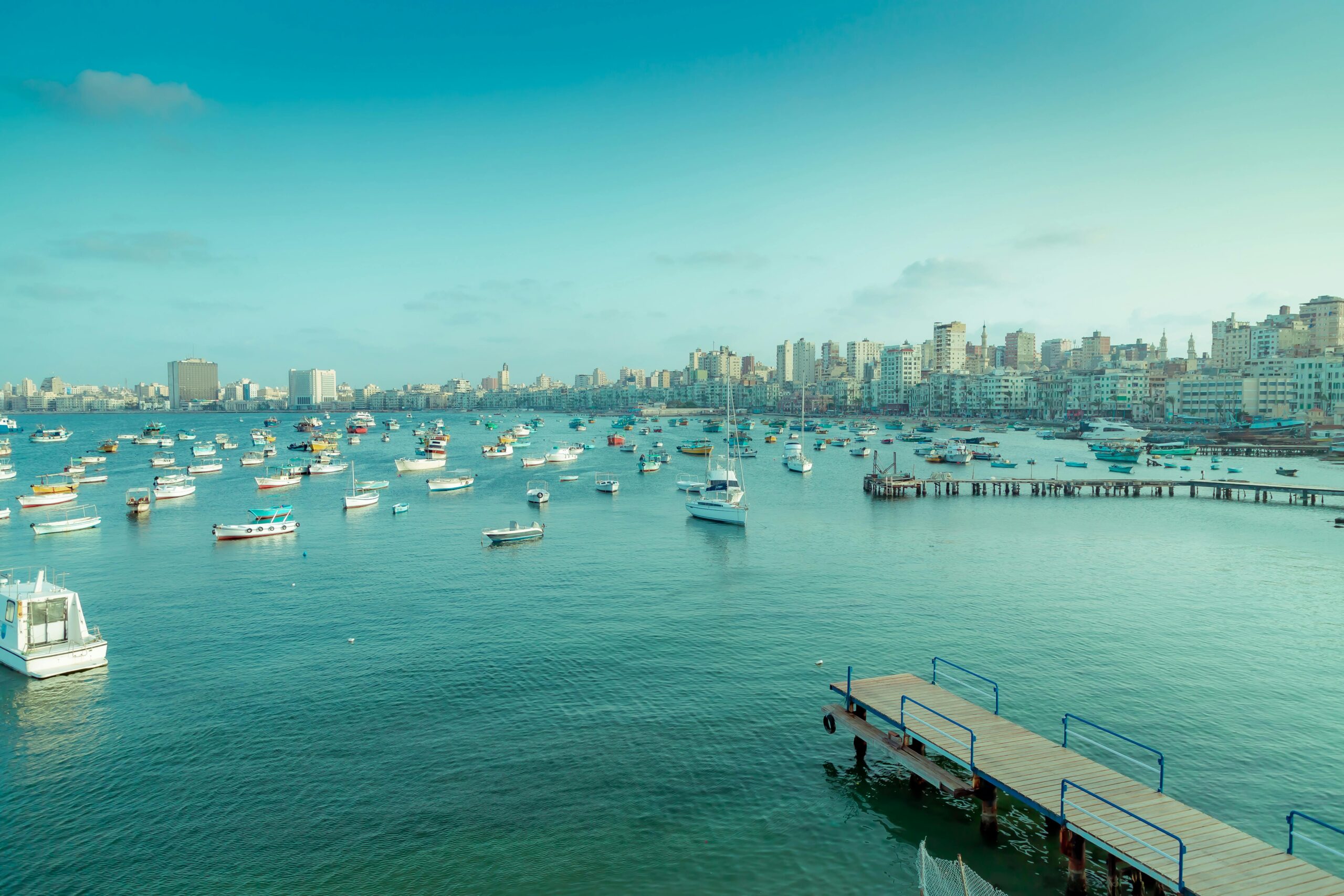
Just minutes from the monuments of Washington, D.C., Alexandria, Virginia has long enjoyed the benefits — and burdens — of proximity to power. With its cobblestone streets, 18th-century architecture, boutique hotels, and Potomac River waterfront, the city has traditionally attracted visitors looking to pair national history with small-town charm.
But in 2026, Alexandria’s tourism strategy is evolving. Against a backdrop of national political polarization, shifting federal policies, and changing travel patterns, the city is working to redefine its identity — not as an extension of Washington, but as a destination in its own right.
For Alexandria, tourism is more than branding. It is a cornerstone of the local economy.

Tourism as Economic Engine
Visitor spending in Alexandria supports:
- Independent restaurants and cafés
- Boutique inns and branded hotels
- Historic house museums
- Waterfront attractions
- Retail shops and galleries
Tourism-generated tax revenue helps fund infrastructure, public services, and community programming. For a mid-sized city, even small dips in visitor numbers can impact employment and small business stability.
In a competitive Mid-Atlantic corridor, maintaining consistent tourism flow is critical.
When National Politics Shapes Local Perception
Cities near Washington often experience indirect consequences of federal politics.
Travel decisions can be influenced by:
- National media narratives
- Perceived unrest or policy debates
- Shifts in government travel spending
- Public sentiment about the capital region
Even if Alexandria itself remains calm and welcoming, its geographic association with D.C. can shape traveler perception.
Tourism marketing must therefore separate local identity from national headlines.
Reclaiming Identity: Alexandria as a Standalone Destination
Rather than leaning solely on its proximity to Washington, Alexandria is emphasizing its distinct personality:
- Scenic waterfront views and boat tours
- Historic Old Town charm
- Culinary experiences and local breweries
- Arts festivals and cultural programming
- Walkable neighborhoods rich in colonial history
This repositioning highlights Alexandria as a romantic escape, a weekend retreat, and a culinary hotspot — not just a satellite city.
The Federal Workforce Ripple Effect
Alexandria’s hospitality sector has historically benefited from federal business travel and government-related events. However, evolving workplace trends — including hybrid and remote work — have reduced weekday demand in some urban centers.
Changes in:
- Federal agency budgets
- Travel approvals
- Office attendance patterns
can influence hotel occupancy and conference bookings.
To adapt, Alexandria is broadening its focus toward leisure and event-driven travel that is less dependent on federal calendars.
Event Tourism as a Stabilizer
Seasonal festivals and signature events provide reliable demand spikes.
Key attractions include:
- Waterfront celebrations
- Food and wine festivals
- Historic reenactments
- Art walks and cultural markets
Events attract regional visitors from Virginia, Maryland, and beyond — reducing reliance on long-haul travel segments.

Competing for Attention in the Mid-Atlantic
Alexandria competes with nearby destinations such as:
- Washington, D.C.
- Annapolis
- Baltimore
- Richmond
- Coastal Virginia towns
Each offers history and culture. Alexandria’s competitive edge lies in its intimate scale, walkability, and boutique atmosphere.
Clarity of brand identity becomes essential in a crowded regional marketplace.
Digital Marketing and Precision Targeting
Modern tourism campaigns are data-driven.
Alexandria’s outreach likely focuses on:
- Couples seeking romantic getaways
- Culinary travelers
- History enthusiasts
- Regional road-trip visitors
Through social media storytelling, influencer partnerships, and targeted advertising, the city can tailor messaging to specific audiences.
Digital strategy allows smaller destinations to compete efficiently.
Economic Multiplier Effects
Tourism’s impact extends beyond hotels and restaurants.
Visitors also support:
- Ride-share drivers
- Tour operators
- Cultural institutions
- Retail entrepreneurs
Small businesses are particularly sensitive to fluctuations in foot traffic. A steady tourism campaign provides economic resilience.
Resilience Through Authenticity
The cities that thrive during political turbulence are those rooted in authentic identity.
For Alexandria, that identity includes:
- Maritime heritage
- Independent bookstores and artisan shops
- Preserved colonial homes
- A vibrant, community-oriented atmosphere
By foregrounding these elements, Alexandria positions itself as timeless rather than political.
The Bigger Picture
The challenge facing Alexandria mirrors that of many cities near political power centers: how to maintain economic vitality without being defined by partisan cycles.
Tourism marketing in 2026 requires agility, strategic storytelling, and emotional resonance.
In uncertain times, destinations that emphasize warmth, culture, and shared human experience often stand strongest.
For Alexandria, the message is clear: history, hospitality, and waterfront sunsets transcend politics.
Frequently Asked Questions (FAQ)
1. Why is Alexandria updating its tourism strategy?
To adapt to political climate influences, remote work trends, and changing travel behavior.
2. Does proximity to Washington, D.C. help or hurt?
It provides visibility but can tie perception to national political narratives.
3. How important is tourism to Alexandria’s economy?
It supports jobs, small businesses, and municipal revenue.
4. Is federal travel decline affecting hotels?
Hybrid work and policy changes may reduce weekday occupancy.
5. Who is Alexandria targeting?
Leisure travelers, regional visitors, couples, and cultural tourists.
6. How does Alexandria compete regionally?
Through walkability, waterfront charm, and boutique experiences.
7. Are events key to stability?
Yes, festivals and cultural programming drive predictable demand.
8. Is the city dependent on government-related travel?
Historically yes, but diversification is increasing.
9. Can Alexandria attract visitors independently of D.C.?
Yes, through heritage and experiential marketing.
10. What’s the main takeaway?
Strong local identity and strategic marketing can help Alexandria thrive despite political complexity.

Sources Washington Business Journal

