
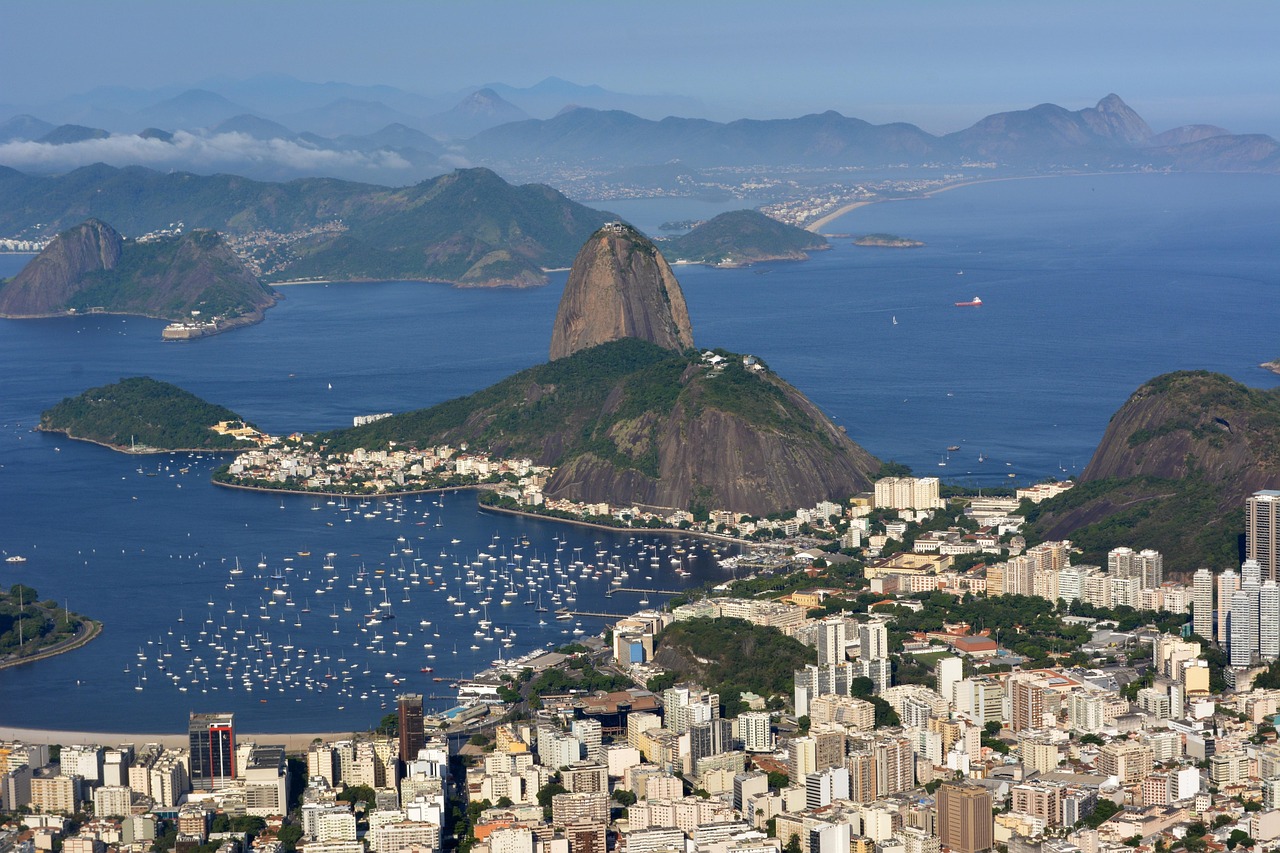
Brazil is firmly back on the global tourism stage. With more than nine million international visitors recorded in 2025, the country has reached a new milestone that not only surpasses post-pandemic recovery expectations but also marks a strategic transformation in how Brazil positions itself as a travel destination. This resurgence reflects economic shifts, smarter tourism policies, improved connectivity, and a renewed global appetite for immersive, experience-driven travel.
But behind the headline numbers lies a deeper story — one of opportunity, challenges, and long-term implications for Brazil’s economy, environment, and global image.

Why Brazil’s Tourism Rebounded So Strongly
1. A Global Shift Toward Experience-Rich Destinations
Post-pandemic travelers are prioritizing destinations that offer diversity, authenticity, and emotional connection. Brazil stands out by offering beaches, rainforests, megacities, cultural festivals, wildlife, and adventure — often within a single itinerary.
Unlike destinations dependent on one core attraction, Brazil’s vast geography allows travelers to tailor trips around:
- Nature and ecotourism
- Urban culture and gastronomy
- Music, festivals, and heritage
- Adventure and wellness tourism
This versatility has made Brazil especially attractive to long-haul travelers seeking meaningful experiences rather than short city breaks.
2. Improved International Air Connectivity
Brazil has expanded and restored key direct international flight routes, particularly from:
- Europe (Portugal, Spain, France, Germany, UK)
- North America (United States and Canada)
- South America and the Southern Cone
São Paulo and Rio de Janeiro remain the main gateways, but increased domestic connectivity has made secondary destinations — such as the Northeast coast, the Amazon region, and the Pantanal — easier to access for international visitors.
3. Favorable Exchange Rates and Travel Value
Brazil’s currency dynamics have made the country relatively affordable for foreign visitors, especially compared to North America and Europe. Accommodation, food, domestic flights, and tours often offer strong value, allowing travelers to extend stays or upgrade experiences without drastically increasing budgets.
4. Targeted Tourism Promotion
Brazil’s tourism authorities have shifted from generic mass marketing to strategic destination branding, focusing on:
- Sustainable tourism
- Cultural authenticity
- Lesser-known regions
- Year-round travel experiences
This approach has helped reduce dependence on a few iconic destinations while spreading tourism benefits more evenly across the country.
Where Tourists Are Going
Urban and Cultural Centers
- Rio de Janeiro: Beaches, landmarks, Carnival, and cultural heritage
- São Paulo: Gastronomy, arts, nightlife, and business travel
Nature and Ecotourism Hotspots
- Amazon Rainforest: River tourism, biodiversity, and indigenous culture
- Pantanal: Wildlife safaris and conservation tourism
- Iguaçu Falls: One of the world’s most visited natural wonders
Coastal and Resort Regions
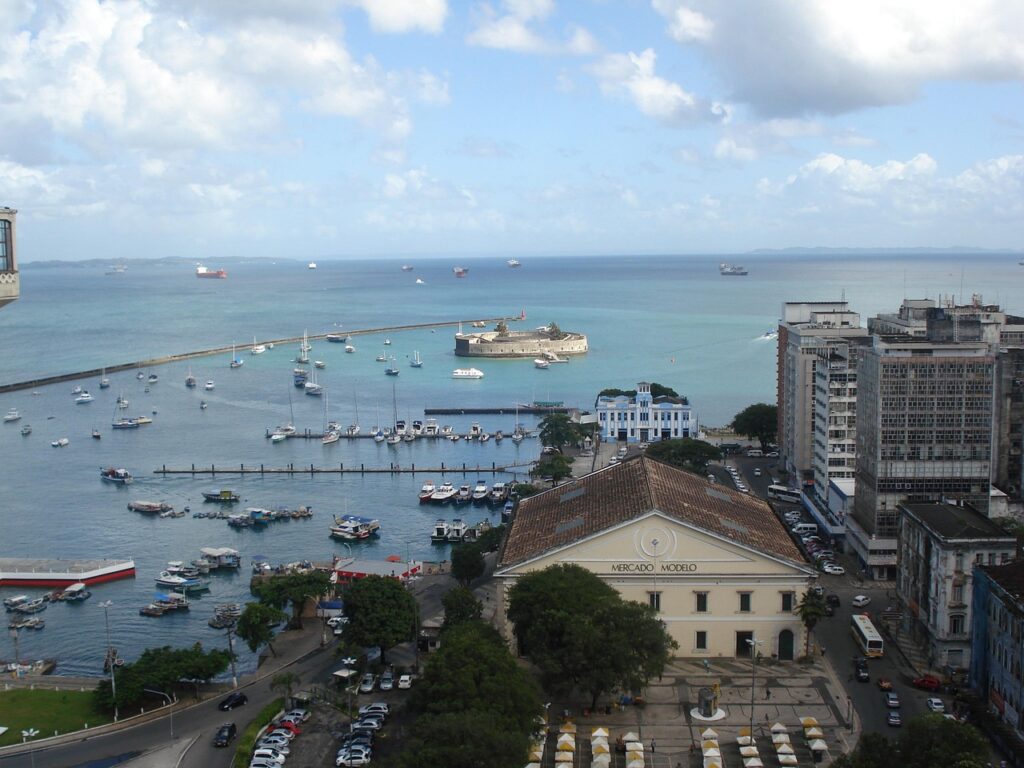
- Bahia and the Northeast: Afro-Brazilian culture, beaches, music, and cuisine
- Fernando de Noronha: High-end eco-tourism and marine conservation
Economic Impact of the Tourism Boom
Job Creation and Regional Development
Tourism growth has stimulated employment in:
- Hospitality and accommodation
- Food and beverage services
- Transportation and logistics
- Cultural and creative industries
In many regions, tourism is now a crucial source of income for small businesses and local communities, especially in rural and coastal areas.
Foreign Currency and Investment
International visitors generate billions in foreign exchange, helping stabilize Brazil’s balance of payments and encouraging investment in:
- Hotels and resorts
- Airports and transport infrastructure
- Cultural venues and events
Tourism has increasingly become a strategic pillar of Brazil’s economy, complementing agriculture, energy, and manufacturing.
Sustainability: A Growing Priority
With rising visitor numbers come legitimate concerns about:
- Environmental degradation
- Overcrowding in fragile ecosystems
- Pressure on urban infrastructure
Brazil is responding by:
- Promoting ecotourism standards
- Encouraging community-based tourism
- Limiting access in sensitive areas
- Strengthening conservation partnerships
The long-term success of Brazil’s tourism resurgence depends on balancing growth with environmental and cultural preservation.
Challenges Brazil Still Faces
Infrastructure Gaps
While major cities are well-equipped, some regions require continued investment in:
- Roads and airports
- Sanitation and waste management
- Digital connectivity
Safety Perception
Although tourist zones are generally safe, international perceptions of crime remain a concern. Improved communication, policing, and visitor services are essential to maintain confidence.
Seasonality
Brazil’s tourism still peaks heavily around festivals and summer months. Expanding off-season travel remains a key goal.
Brazil’s Global Tourism Position
Surpassing nine million international visitors places Brazil among the top travel destinations in the Global South, though still below major European and Asian tourism powerhouses. Given its size and diversity, experts believe Brazil’s tourism potential remains far from fully realized.
With the right mix of investment, sustainability, and policy stability, Brazil could significantly increase arrivals in the coming decade — without sacrificing quality of life for residents.
Frequently Asked Questions (FAQs)
1. Why did Brazil attract over nine million tourists in 2025?
The surge was driven by global travel recovery, improved air connectivity, competitive prices, targeted tourism promotion, and growing interest in nature-based and cultural travel.
2. Which countries send the most tourists to Brazil?
Key source markets include Argentina, the United States, Portugal, France, Germany, the United Kingdom, and other South American nations.
3. Is Brazil safe for international tourists?
Most tourists travel safely in Brazil, especially in major destinations. As with any large country, safety varies by location, and travelers are advised to follow local guidance and take standard precautions.
4. What type of tourism is growing fastest in Brazil?
Ecotourism, cultural tourism, gastronomic travel, and adventure tourism are among the fastest-growing segments.
5. How does tourism benefit Brazil’s economy?
Tourism generates foreign currency, creates jobs, supports small businesses, stimulates infrastructure investment, and helps promote Brazil’s global image.
Conclusion
Brazil’s record-breaking tourism performance in 2025 is more than a recovery — it marks a redefinition of Brazil as a global travel destination. With over nine million international visitors, the country has demonstrated that strategic promotion, improved connectivity, and experiential travel can unlock enormous potential.
The challenge ahead lies in sustaining this growth responsibly, ensuring that tourism enriches local communities, protects Brazil’s extraordinary natural heritage, and delivers unforgettable experiences that keep visitors returning for years to come.

Sources EL PAIS

