

A 26-year-old Brazilian tourist, Juliana Marins, was found dead in June 2025 after falling into a ravine near the summit of Mount Rinjani, an active volcano on Lombok Island, Indonesia. What began as an eagerly anticipated adventure ended in tragedy, highlighting both the allure and peril of high-altitude trekking on one of Southeast Asia’s most popular—and unforgiving—peaks.
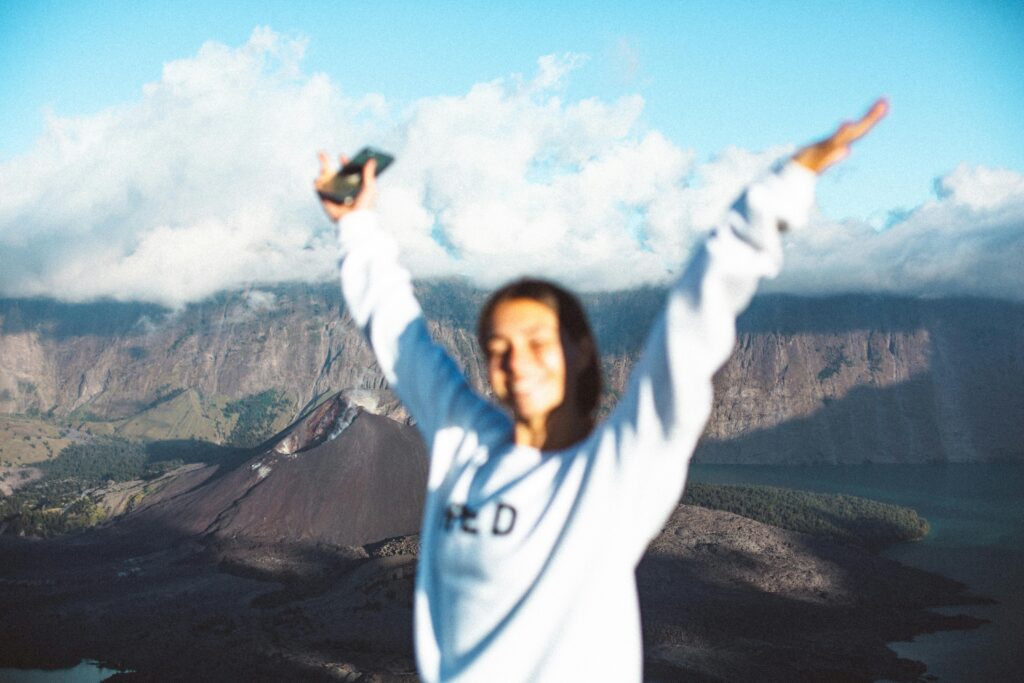
The Incident: What Happened on June 21
- Fall into the Ravine: On the morning of June 21, Juliana slipped near the Cemara Nunggal section of the trail, approximately 300–500 meters from the main path toward the Segara Anak crater lake. Witnesses heard her cries for help after a fall of more than 1,000 feet.
- Initial Survival: Drone footage captured her alive and conscious immediately after the slip, trapped on a narrow rock ledge in extremely steep terrain.
- Hampered Rescue Effort: Harsh weather—thick fog, heavy rain, and dropping temperatures—forced rescuers to suspend operations overnight. Thermal drones, helicopters, and specialized SAR teams battled limited visibility, soft volcanic sand, and treacherous cliff faces for four days.
Who Was Juliana Marins?
- Background: A publicist and professional dancer from Niterói, Rio de Janeiro, Juliana had been backpacking solo across Southeast Asia since February, sharing vibrant travel content online.
- Group Dynamics: She was trekking in a small group with a local guide. Fellow climbers reported she felt fatigued and was advised to rest, but insisted on continuing toward the summit.
Mount Rinjani: Beauty and Danger
- Volcano Profile: At 3,726 meters (12,224 feet), Rinjani is Indonesia’s second-highest volcano, famed for its emerald crater lake and panoramic vistas.
- Permits & Regulations: All hikers must register with Gunung Rinjani National Park, obtain permits, and hire a licensed guide—rules designed to protect visitors and the fragile ecosystem.
- Terrain Hazards: Trails feature loose volcanic scree, sudden weather changes, and unprotected cliff edges. Previous years have seen multiple fatalities from falls, altitude sickness, and landslides.
Rescue Operation: Key Challenges
- Access Difficulty: The closest rescue camp is at Pos 5, still 5–7 hours’ trek from the crash site—too remote for ground extraction.
- Weather Conditions: Tropical monsoon rains and nighttime freezing temperatures (≈5°C) increased risk of hypothermia.
- Technical Limitations: Drones provided location data but could not airlift survivors; helicopters could not land on unstable volcanic slopes.
- Family Involvement: The Brazilian embassy in Jakarta coordinated with local authorities and Juliana’s family, offering logistical support and liaison services.
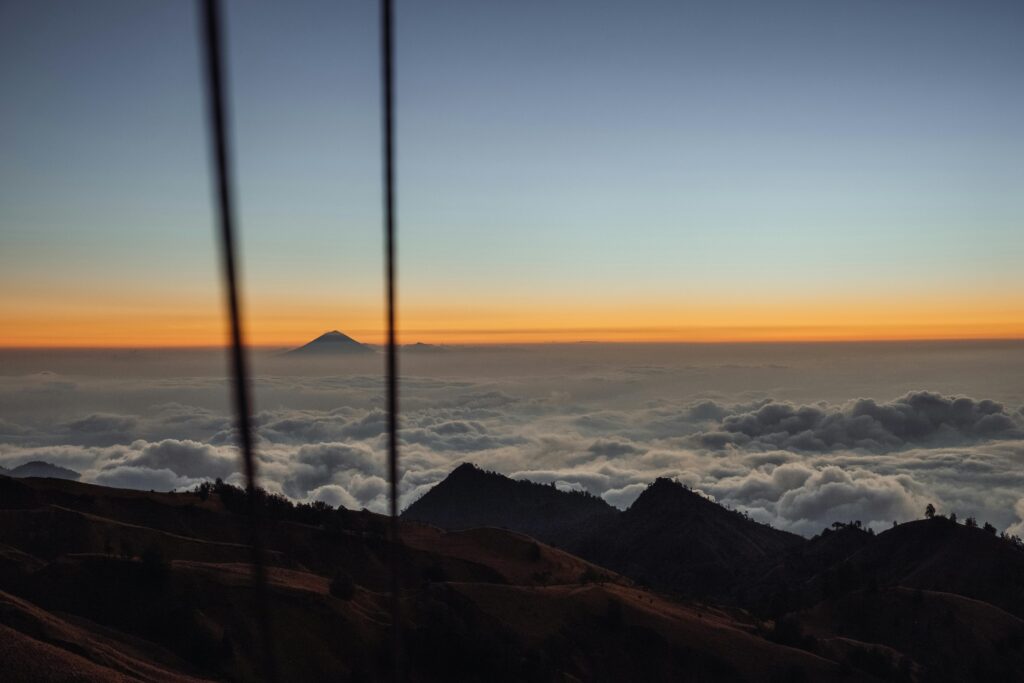
Aftermath and Safety Lessons
- Official Confirmation: On June 24, officials recovered Juliana’s body, concluding injuries and hypothermia made survival impossible beyond the initial hours.
- Guide “Abandonment” Claims: Juliana’s sister alleged the guide left her behind; an investigation is underway to determine adherence to park-mandated safety protocols.
- Call for Stricter Enforcement: Trekking companies and park authorities are reviewing group-size limits, mandatory rest checkpoints, and real-time tracking requirements to prevent future tragedies.
Frequently Asked Questions
Q: Is Mount Rinjani safe for amateur hikers?
A: No. The climb is rated moderate to difficult; only experienced, well-prepared trekkers with a licensed guide should attempt it.
Q: What permits are required to hike Rinjani?
A: Visitors must register at the park office, pay the entrance fee (≈IDR 150,000), and hire a certified guide and porters through approved operators.
Q: How long does the trek take?
A: Standard itineraries range from 2 to 4 days, with camps at designated Pos 2–5 locations before summiting.
Q: Can I descend after dark?
A: Descending at night is strongly discouraged due to poor visibility and higher risk of falls.
Q: What safety equipment is recommended?
A: Sturdy hiking boots, layered clothing, headlamps, trekking poles, emergency blankets, and satellite-enabled personal locator beacons.
Q: How can families stay informed during rescues?
A: The Indonesian Red Cross and national park post regular updates on social media; embassies provide direct liaison for foreign nationals.
Q: What should travelers do if someone falls?
A: Call local SAR, alert the nearest patrol camp, use whistle or mirror signals, and relay GPS coordinates via satellite phone or emergency apps.
Q: Are drone rescues possible in volcanic terrain?
A: Drones assist in locating individuals but lack the lift capacity to evacuate people from steep, unstable slopes.
Juliana Marins’s tragic accident underscores the fine line between adventure and peril on Rinjani. Her story is a solemn reminder: respect permit regulations, heed guide instructions, and never underestimate the unpredictable power of nature—even for seasoned travelers.
Sources CNN

