
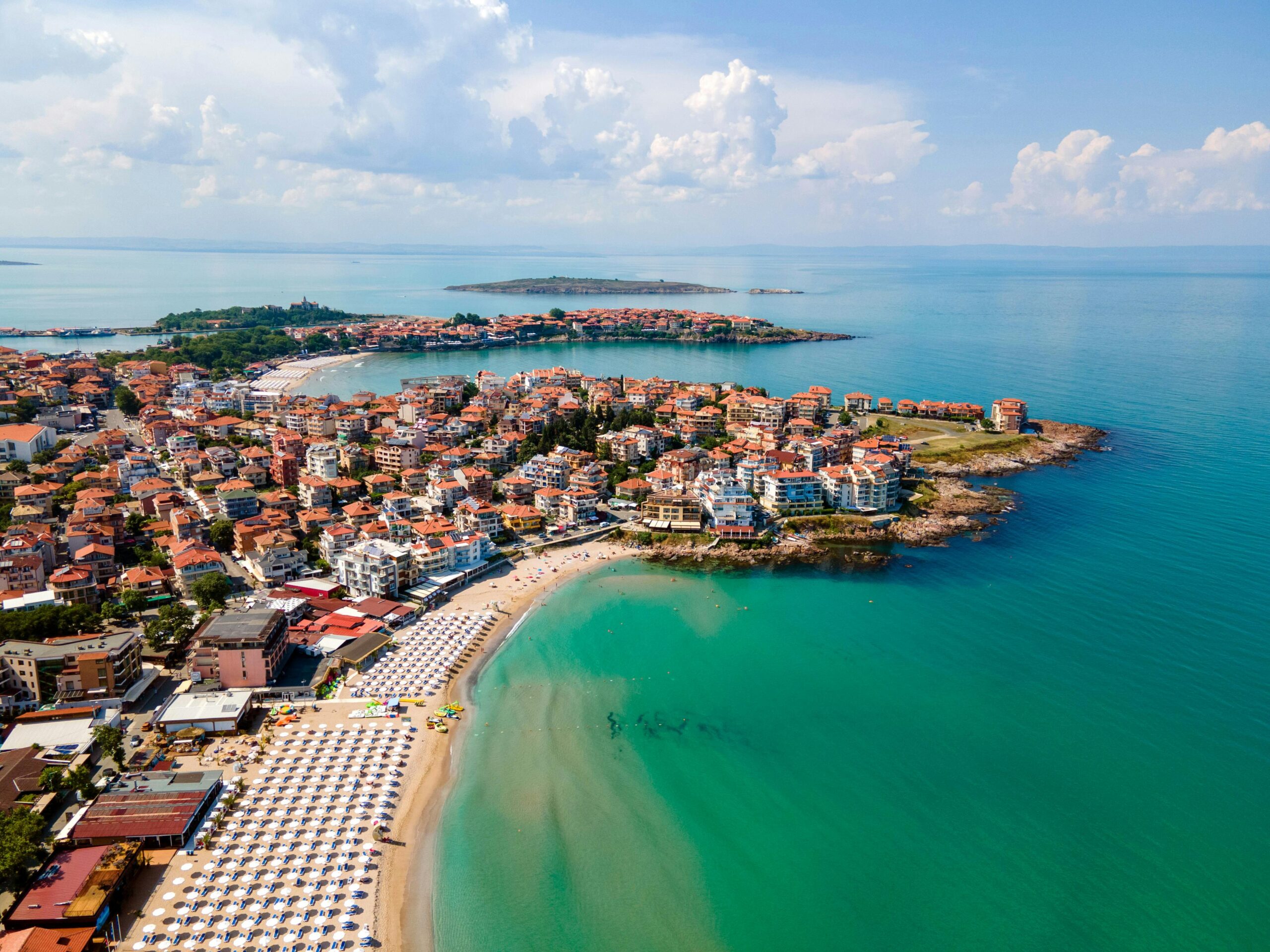
As global travelers increasingly prioritize health, balance, and mental well-being, wellness tourism has emerged as one of the fastest-growing sectors in the travel industry. Countries around the world are competing to attract visitors seeking relaxation, healing, and rejuvenation—and Bulgaria is rapidly rising as a standout destination.
The Euronews article highlights Bulgaria’s growing spa tourism sector, with notable increases in demand. However, the full story goes beyond statistics. Bulgaria’s success is rooted in a unique combination of natural resources, affordability, historical traditions, and strategic tourism development.

What Is Wellness Tourism?
Wellness tourism refers to travel focused on:
- Physical health (spa treatments, fitness, nutrition)
- Mental well-being (relaxation, mindfulness, stress relief)
- Holistic experiences (thermal baths, nature retreats)
Unlike traditional vacations, wellness trips emphasize restoration rather than recreation.
Why Bulgaria Is Emerging as a Wellness Destination
1. Abundance of Natural Mineral Springs
Bulgaria is one of the richest countries in Europe in terms of mineral water resources:
- Over 700 mineral springs
- Naturally heated thermal waters
- High mineral content with therapeutic properties
These waters are believed to help with:
- Joint and muscle conditions
- Skin issues
- Stress and fatigue
2. Long Tradition of Balneotherapy
Spa culture in Bulgaria dates back to:
- Ancient Thracian civilizations
- Roman times, when bath complexes were built
- Ottoman-era hammam traditions
This long history gives Bulgaria a deep-rooted wellness identity.
3. Affordable Luxury
Compared to Western Europe, Bulgaria offers:
- Lower accommodation costs
- High-quality spa services at competitive prices
- Accessible wellness packages
This makes it attractive to:
- Budget-conscious travelers
- Long-stay wellness visitors
4. Diverse Landscapes
Bulgaria combines:
- Mountain resorts (e.g., Velingrad, Devin)
- Coastal spa destinations along the Black Sea
- Rural retreats surrounded by nature
This diversity allows for year-round wellness tourism.
Key Wellness Destinations in Bulgaria
1. Velingrad – The “Spa Capital of the Balkans”
- Known for its mineral springs
- Offers luxury spa resorts
- Popular for both domestic and international visitors
2. Sandanski
- Mild climate ideal for respiratory
- Located near the Greek border
- Combines spa treatments with cultural tourism
3. Hisarya
- Famous for Roman ruins and thermal baths
- Focus on preventive healthcare and relaxation
4. Black Sea Spa Resorts
- Combine beach tourism with wellness offerings
- Seasonal but increasingly diversified
The Growth of Wellness Tourism in Bulgaria
1. Rising Global Demand
Wellness tourism is growing worldwide due to:
- Increased stress and burnout
- Aging populations seeking health-focused travel
- Greater awareness of mental health
2. Post-Pandemic Travel Trends
After COVID-19, travelers are prioritizing:
- Health and safety
- Nature-based experiences
- Slower, more meaningful travel
Bulgaria aligns perfectly with these preferences.
3. Government and Industry Support
Bulgaria is investing in:
- Spa infrastructure upgrades
- International marketing campaigns
- Certification and quality standards
Benefits for the Bulgarian Economy
1. Year-Round Tourism
Unlike beach tourism, wellness travel:
- Extends beyond summer months
- Stabilizes tourism revenue
2. Regional Development
Spa tourism boosts:
- Smaller towns and rural areas
- Local businesses and employment
3. Higher-Value Visitors
Wellness travelers often:
- Stay longer
- Spend more on services

Challenges and Risks
1. Infrastructure Gaps
Some regions still face:
- Limited transport access
- Inconsistent service quality
2. Competition
Bulgaria competes with established wellness destinations like:
- Hungary (Budapest thermal baths)
- Austria and Switzerland (alpine wellness resorts)
3. Maintaining Authenticity
Rapid growth could lead to:
- Overdevelopment
- Loss of traditional character
The Role of Sustainability
Sustainable practices are essential for long-term success:
- حماية natural mineral resources
- Eco-friendly resort development
- Responsible water usage
Wellness Tourism Trends Shaping Bulgaria
1. Holistic Experiences
Travelers are seeking:
- Yoga and meditation retreats
- Detox programs
- Personalized wellness plans
2. Medical and Preventive Tourism
Bulgaria is expanding into:
- Rehabilitation therapies
- Preventive healthcare programs
- Medical wellness packages
3. Digital Detox Travel
Visitors are increasingly looking to:
- Disconnect from technology
- Reconnect with nature
Tips for Travelers Considering Bulgaria
1. Choose the Right Destination
- Mountains for tranquility
- Coast for combined beach and spa experiences
2. Research Spa Facilities
- Look for certified centers
- Check treatment offerings
3. Travel Off-Peak
- Enjoy better prices
- Avoid crowds
The Future of Bulgaria’s Wellness Tourism
Bulgaria is well-positioned to become a major European wellness hub by:
- Leveraging natural resources
- Investing in quality and infrastructure
- Promoting sustainable growth
If managed effectively, it could rival more established destinations.
Frequently Asked Questions (FAQs)
1. Why is Bulgaria becoming popular for wellness tourism?
Due to its mineral springs, affordability, and long spa tradition.
2. Are Bulgarian spa treatments effective?
Many are based on natural mineral waters and traditional therapies, often used for relaxation and certain health conditions.
3. Is Bulgaria cheaper than other spa destinations?
Yes, it generally offers more affordable options compared to Western Europe.
4. What is the best time to visit?
Bulgaria is a year-round destination, but spring and autumn are ideal for spa travel.
5. Are spa resorts in Bulgaria high quality?
Many are modern and well-equipped, though quality can vary by location.
6. Can wellness tourism be combined with other activities?
Yes, including cultural tours, hiking, and beach vacations.
7. Is wellness tourism in Bulgaria sustainable?
Efforts are being made, but sustainable practices will be crucial as the sector grows.
Conclusion
Bulgaria’s rise in wellness tourism reflects a broader shift in how people travel—away from fast-paced sightseeing and toward meaningful, restorative experiences. With its rich natural resources, deep cultural heritage, and growing investment in tourism infrastructure, Bulgaria is carving out a strong position in the global wellness market.
As demand for relaxation and well-being continues to grow, Bulgaria’s blend of tradition, affordability, and natural beauty makes it a destination worth watching—and visiting.

Sources Euro News

