
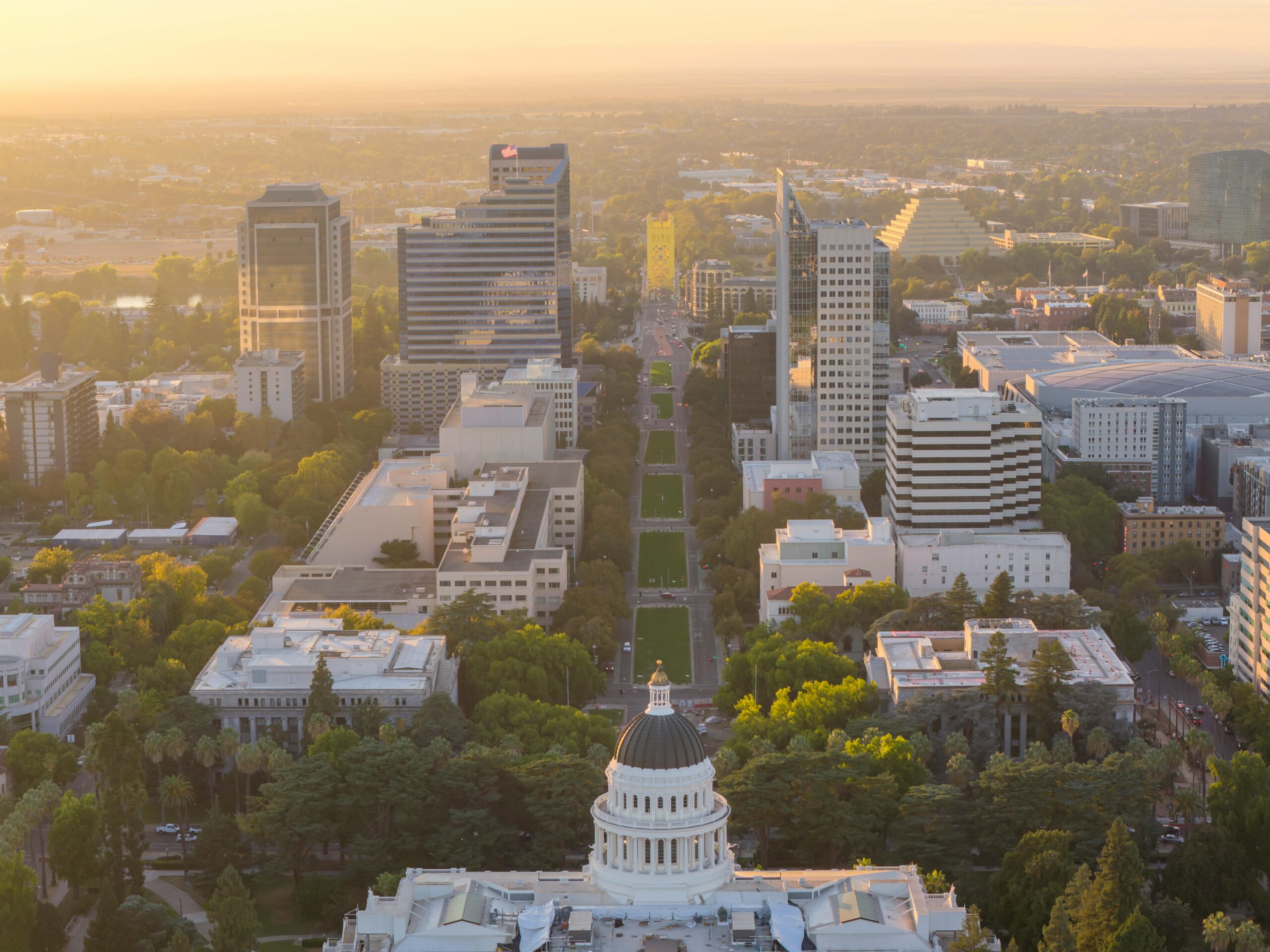
California has long been one of the world’s most iconic travel destinations, drawing visitors with its beaches, national parks, cities, wine regions, and cultural diversity. Yet in the past year, the state’s tourism sector faced a noticeable slowdown. Visitor numbers dipped, spending softened in some regions, and optimism gave way to caution across parts of the industry.
As 2026 unfolds, the question is no longer just why California tourism declined—but whether the state can adapt to a rapidly changing travel environment and regain momentum.

Why California Tourism Declined
Rising Travel Costs
One of the most significant factors has been cost. California remains one of the most expensive destinations in the United States due to:
- High hotel and rental prices
- Elevated fuel and transportation costs
- Strong demand for limited housing in tourist areas
As travelers become more price-sensitive, many are choosing cheaper domestic or international alternatives.
Shift in Travel Patterns
Post-pandemic travel behavior has evolved:
- Travelers are taking shorter trips
- Microvacations and regional travel are increasing
- Long, multi-stop California itineraries are less common
This shift disproportionately affects a large, geographically diverse state like California.
Climate and Environmental Disruptions
Wildfires, heatwaves, drought concerns, and storm damage have all played a role in shaping traveler perceptions. Even when conditions are safe, media coverage of climate events can:
- Discourage bookings
- Create uncertainty about trip timing
- Push travelers toward more predictable destinations
International Travel Challenges
California depends heavily on international visitors, particularly from Asia and Europe. Factors affecting inbound travel include:
- Strong U.S. dollar
- Visa delays and entry barriers
- Geopolitical tensions affecting travel sentiment
International recovery has been uneven compared to domestic tourism.
Regional Impacts Across the State
Urban Centers
Cities like Los Angeles, San Francisco, and San Diego saw:
- Slower convention and business travel recovery
- Reduced international arrivals
- Competition from emerging global cities
However, cultural events and major sports continue to support baseline demand.
Coastal and Beach Destinations
Coastal regions remained relatively resilient, though:
- Shorter stays became more common
- Visitors spent less per trip
- Crowding concerns affected peak-season travel
Rural and Nature-Based Tourism
National parks and rural destinations faced mixed outcomes:
- Strong demand in some seasons
- Infrastructure strain and access limits
- Sensitivity to weather and wildfire risk
What Could Drive a Rebound in 2026
Major Events and Sports Tourism
California is positioned to benefit from:
- Major international sporting events
- Music festivals and cultural celebrations
- Increased convention activity
Event-driven travel can provide short-term boosts to visitor numbers and spending.

Renewed Focus on Domestic Tourism
With international travel still uneven, the state is emphasizing:
- In-state and regional visitors
- Road trips and short stays
- Off-season travel promotions
Domestic travelers remain the backbone of California tourism.
Experience-Driven Travel
Travelers increasingly seek:
- Food and wine experiences
- Wellness retreats
- Nature and outdoor recreation
- Cultural immersion
California’s diversity remains a major competitive advantage.
Challenges California Still Faces
Affordability and Value Perception
Even as demand stabilizes, California must confront:
- The perception that it is “too expensive”
- Competition from lower-cost destinations
- Pressure on hospitality workers facing high living costs
Infrastructure and Housing
Tourism growth is constrained by:
- Airport congestion
- Aging transportation infrastructure
- Short-term rental conflicts
- Workforce housing shortages
Without addressing these issues, recovery may be uneven.
Sustainability and the Future of Tourism
California’s long-term tourism strategy increasingly emphasizes:
- Climate resilience
- Sustainable travel practices
- Managing overtourism in sensitive areas
- Balancing visitor growth with resident quality of life
These goals may limit rapid expansion—but support long-term stability.
What California Tourism May Look Like Going Forward
Rather than returning to pre-pandemic norms, California tourism is likely to:
- Grow more slowly but sustainably
- Rely more on domestic and regional travel
- Focus on quality experiences over sheer volume
Success will depend on adaptability rather than scale.
Frequently Asked Questions (FAQs)
Why did California tourism decline last year?
Higher costs, changing travel habits, climate concerns, and slower international recovery all contributed.
Is tourism collapsing in California?
No. Demand softened, but tourism remains a major economic driver.
Will 2026 be better for California tourism?
Possibly, especially with major events and improved domestic travel demand, though challenges remain.
Which regions are struggling most?
Urban centers and international gateway cities have faced more pressure than some coastal or rural areas.
How does climate change affect tourism?
Wildfires, heat, and storms influence traveler confidence and seasonal planning.
Is California still competitive as a destination?
Yes, but it faces stronger competition and must justify its higher costs with unique experiences.
What is the state doing to support tourism?
Marketing campaigns, sustainability initiatives, and infrastructure investments are part of recovery efforts.
Conclusion
California tourism is no longer defined by effortless growth. The dip in visitor numbers reflects broader global shifts in travel behavior, cost sensitivity, and climate awareness. As 2026 unfolds, the state’s success will depend not on returning to the past, but on redefining what travel to California offers in a more uncertain, value-driven world.
If California can balance affordability, sustainability, and experience, it may not just recover—but emerge stronger and more resilient than before.

Sources KPBS

