After a challenging year marked by fewer international visitors, businesses across New Hampshire’s Lakes Region are finally seeing encouraging signs that Canadian tourists are returning. While the recovery remains gradual rather than dramatic, many hotel owners, restaurants, retailers, and tourism operators believe the renewed cross-border travel is an important step toward restoring one of the state’s most valuable tourism markets.
For decades, Canadians have been among New Hampshire’s most loyal international visitors. Families often make annual trips to destinations such as Lake Winnipesaukee, Meredith, Laconia, Weirs Beach, and the White Mountains. Many own seasonal cottages, while others visit several times each year for boating, hiking, shopping, camping, and autumn foliage tours.
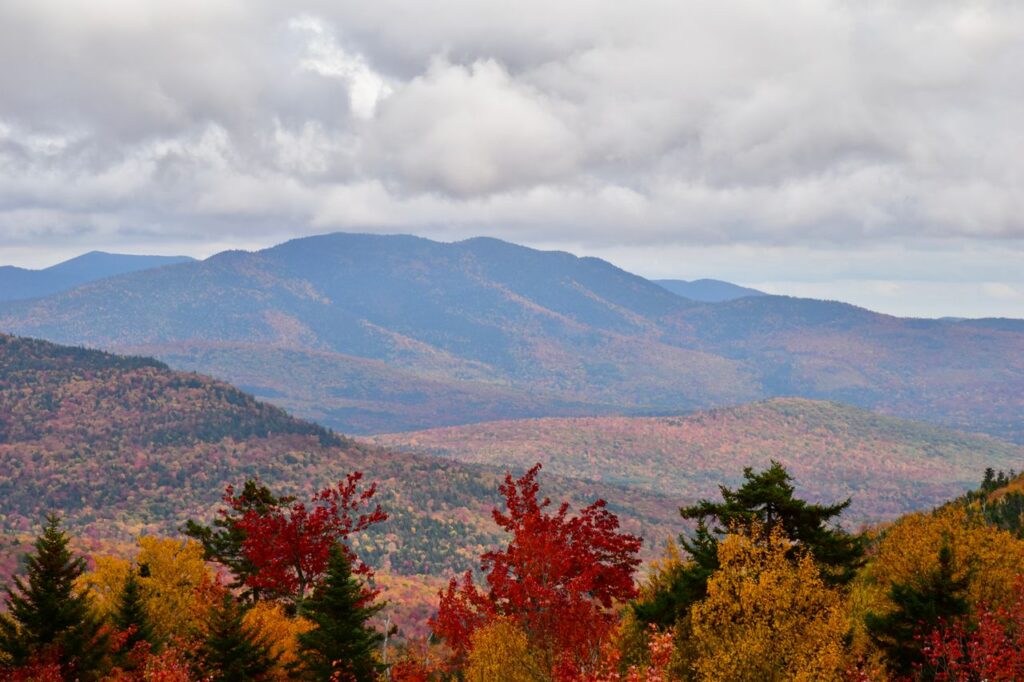
Why Canadian Visitors Matter
Tourism is one of New Hampshire’s largest economic sectors, generating billions of dollars in visitor spending annually while supporting tens of thousands of jobs across hospitality, retail, transportation, recreation, and entertainment.
Canadian travelers contribute significantly because they typically stay longer than domestic weekend visitors and spend money across multiple industries.
Their spending benefits:
- Hotels and resorts
- Vacation rentals
- Restaurants and cafés
- Local boutiques
- Marinas and boat rental companies
- Campgrounds
- Museums and attractions
- Fuel stations
- Grocery stores
Unlike day-trippers, many Canadian families remain for several nights or even weeks, producing greater economic impact per visit.
A Difficult Year for Tourism
The previous tourism season proved difficult for many New Hampshire businesses after Canadian visitation dropped sharply from normal levels. Several factors contributed to the decline, including political tensions, uncertainty surrounding tariffs, higher travel costs, fuel prices, inflation, and changing border travel sentiment.
Many businesses that traditionally relied on repeat Canadian customers experienced:
- Lower hotel occupancy
- Reduced restaurant traffic
- Declining retail sales
- Fewer marina reservations
- Smaller attendance at local events
Some businesses shifted their marketing toward visitors from neighboring U.S. states to compensate for the loss.
Signs of Recovery in 2026
Recent reports indicate that Canadian tourists are gradually returning to the Lakes Region. Business owners describe the improvement as steady rather than overwhelming, but they welcome the positive trend after last year’s slowdown.
Several indicators point toward recovery:
- More Canadian license plates appearing in parking lots
- Increased hotel bookings
- Higher restaurant traffic
- Improved retail activity
- Stronger weekend visitation
Many visitors are returning to favorite vacation spots they have enjoyed for generations.
Why Travelers Love the Lakes Region
New Hampshire’s Lakes Region remains one of New England’s premier summer destinations.
Popular attractions include:
- Lake Winnipesaukee boating
- Fishing
- Paddleboarding
- Kayaking
- Scenic cruises
- Waterfront dining
- Family resorts
- Hiking trails
- Live entertainment
- Historic downtown shopping
Nearby attractions in the White Mountains also encourage visitors to extend their vacations, combining lake recreation with mountain adventures.
Economic Ripple Effect
When tourism increases, the benefits extend well beyond hotels.
Higher visitor spending helps:
- Local farmers supplying restaurants
- Small retailers
- Seasonal employees
- Transportation companies
- Event organizers
- Entertainment venues
- Outdoor recreation businesses
Tourism dollars circulate throughout the regional economy, supporting both permanent and seasonal employment.
Challenges Still Remain
Despite improving visitor numbers, tourism businesses continue facing several headwinds.
Inflation
Travel has become more expensive for both domestic and international visitors.
Higher prices affect:
- Hotel accommodations
- Dining
- Fuel
- Airfare
- Recreational activities
Families often shorten trips or reduce discretionary spending.
Labor Shortages
Although staffing conditions have improved compared with recent years, many hospitality businesses continue to struggle with hiring seasonal workers. Some employers have increasingly relied on retirees seeking part-time or seasonal income.
International Competition
Canadian travelers today have more vacation options than ever, including domestic Canadian destinations and overseas travel. U.S. tourism operators must continue offering competitive experiences and strong value.
The Importance of Cross-Border Tourism
New Hampshire shares close economic and cultural ties with neighboring Quebec and other Canadian provinces. Generations of Canadians have made annual trips to New England for:
- Summer vacations
- Fall foliage
- Winter skiing
- Shopping
- Family reunions
- Outdoor recreation
These long-standing relationships create repeat business that many tourism operators depend upon.
Looking Ahead
Industry leaders remain cautiously optimistic for the remainder of the tourism season. While Canadian visitation has not yet returned to historical highs, the gradual recovery suggests confidence may be rebuilding.
Businesses are focusing on excellent customer service, updated attractions, local events, and targeted marketing to encourage repeat visitors. If economic conditions stabilize and cross-border travel continues improving, New Hampshire’s tourism sector could experience stronger growth in future seasons.
Conclusion
The return of Canadian tourists represents more than increased visitor numbers—it reflects the rebuilding of an important tourism relationship that has supported New Hampshire’s economy for decades. Although challenges such as inflation, labor shortages, and global travel competition remain, the Lakes Region is showing resilience. For businesses that endured a difficult period, every returning family, hotel reservation, and restaurant meal signals progress toward a healthier and more sustainable tourism industry.
Frequently Asked Questions (FAQs)
1. Why are Canadian tourists important to New Hampshire?
Canadian visitors are among New Hampshire’s largest international tourism markets. They often stay longer than domestic visitors and contribute significant spending to hotels, restaurants, retail stores, attractions, and outdoor recreation businesses.
2. Why did Canadian tourism decline?
The decline was influenced by a combination of political tensions, trade issues, higher fuel costs, inflation, and changing travel sentiment, leading many Canadians to postpone or redirect their vacations.
3. Is Canadian tourism recovering?
Yes. Businesses in the Lakes Region report a gradual increase in Canadian visitors during the current tourism season, although overall numbers have not fully returned to pre-decline levels.
4. What attractions bring Canadians to the Lakes Region?
Popular attractions include Lake Winnipesaukee, boating, fishing, hiking, camping, scenic cruises, shopping, family resorts, and nearby White Mountains destinations.
5. What is the outlook for New Hampshire tourism?
Industry experts remain cautiously optimistic. Continued recovery in international travel, combined with strong domestic tourism, could help strengthen New Hampshire’s visitor economy over the coming years.
Sources WMUR