
For generations, the classic European summer holiday followed a simple formula: travel south, find sunshine, spend time beside the sea, and enjoy temperatures warmer than those at home.
Climate change is beginning to rewrite that formula.
As increasingly intense heatwaves make parts of southern Europe uncomfortable—or even hazardous—during the peak summer season, a growing number of travelers are looking in the opposite direction. Instead of searching for the hottest beach, they are searching for cooler cities, northern coastlines, mountains, forests and Arctic landscapes.
The trend has acquired an increasingly popular name: the “coolcation.”
For individual travelers, the logic is straightforward. A destination with moderate temperatures can make sightseeing, hiking, cycling and other outdoor activities more enjoyable. But when millions of travelers make similar decisions, the result is more complicated.
Tourism pressure does not disappear when travelers leave overheated destinations. It can simply move somewhere else.
The experience of Scotland, Norway, Iceland and other northern destinations suggests that coolcations could become one of the most important ways climate change is reshaping the geography of tourism.
What Exactly Is a Coolcation?
A coolcation is essentially a holiday chosen partly because the destination has a cooler or more comfortable climate than the traveler’s usual summer alternatives.
The attraction is not necessarily cold weather. Most travelers are not looking for winter conditions in July or August. They are looking for temperatures that allow them to spend several hours outdoors without the health and comfort problems associated with extreme heat.
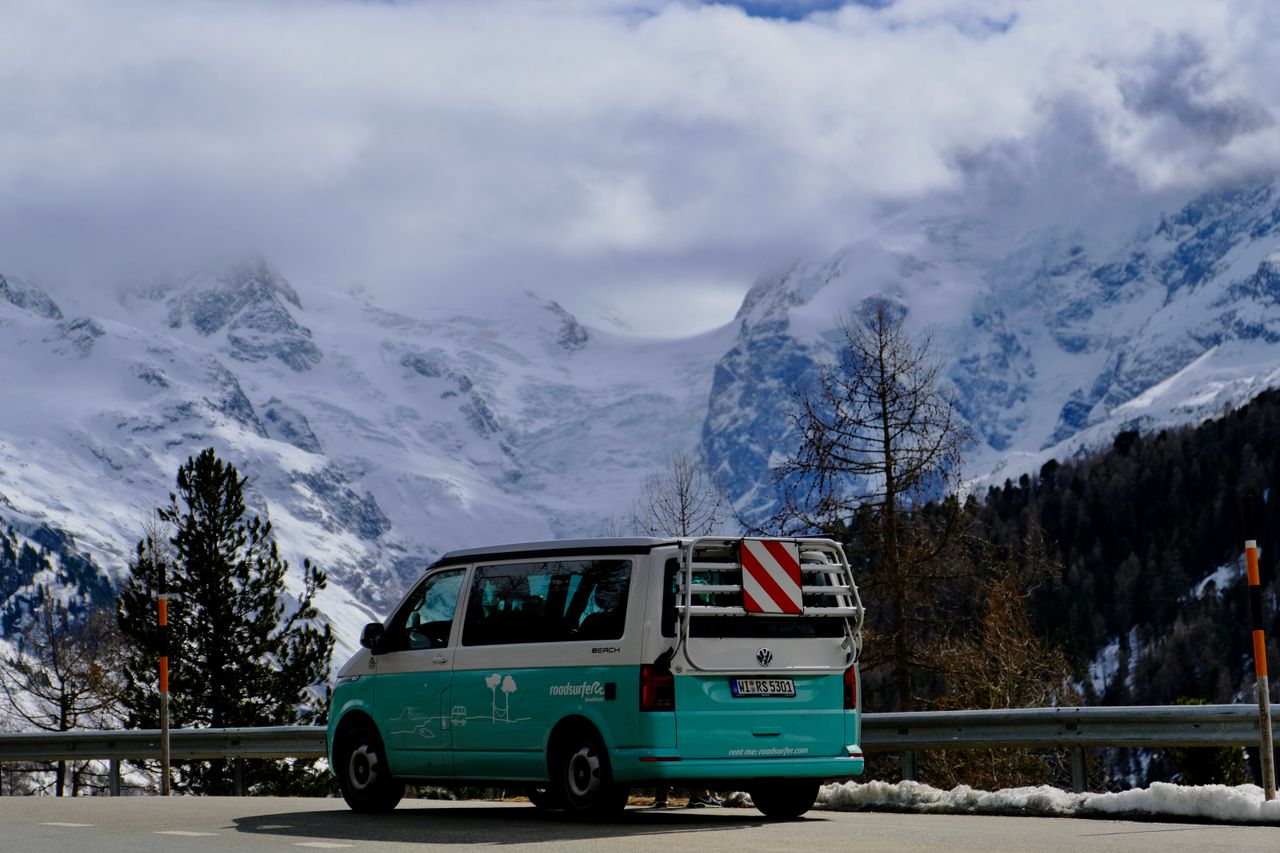
That might mean choosing Scotland instead of southern England, Scandinavia instead of the Mediterranean, Iceland instead of Spain, or higher-altitude Alpine destinations instead of lowland cities.
The OECD’s 2026 tourism analysis identifies this as part of a broader transformation in tourism geography. Rising temperatures are encouraging travelers to consider temperate, high-altitude and high-latitude destinations during periods that traditionally favored warmer regions.
The trend is not merely anecdotal.
The European Travel Commission reported in July 2026 that 76% of Europeans said climate-related factors influence their travel behavior. Among those changing their plans, 16% said they were actively seeking destinations with milder temperatures, while another 15% said they avoided destinations vulnerable to extreme heat or checked weather conditions before booking.
That means climate is becoming a travel-planning consideration alongside price, safety, attractions and accessibility.
Climate Change Is Changing the Traditional European Tourism Map
The importance of coolcations becomes clearer when viewed against Europe’s changing climate.
Summer 2026 brought extraordinary heat stress across much of Europe. According to the EU’s Copernicus Climate Change Service, more than half of the continent experienced periods of “very strong” heat stress during the summer.
For tourism, extreme heat creates several problems simultaneously.
A visitor may technically be able to walk around a historic city when temperatures exceed 35°C or 40°C, but the experience changes dramatically. Outdoor sightseeing becomes physically demanding. Attractions without air conditioning become less attractive. Hiking becomes riskier. Restaurants and hotels face higher cooling costs. Wildfires can close roads, parks and tourist attractions.
Water scarcity can add another problem in heavily visited destinations.
The result is a growing mismatch between the traditional tourism calendar and the climate conditions travelers actually experience.
The OECD notes that heatwaves, wildfires, drought, floods and storms are increasingly disrupting tourism operations and influencing where and when people travel.
The implication is significant: climate change is not simply changing the weather at tourist destinations; it is changing tourism demand itself.
Northern Europe Is Becoming a Summer Alternative
Northern Europe is particularly well positioned to benefit from this shift.
The original research behind the coolcation trend reported that Denmark, Finland, Iceland, Ireland, Norway, Sweden and the United Kingdom recorded a 10% increase in visitor numbers between April and June 2026 compared with the same period in 2025.
Scotland provides a particularly useful example.
Flight bookings for Scottish destinations during a six-week period ending in mid-July 2026 increased by 15% compared with the same period a year earlier, while bookings for London declined as parts of southern Britain experienced extreme heat.
This is more than a marketing opportunity.
Scotland already possesses many of the experiences associated with coolcations: dramatic landscapes, hiking routes, islands, historic towns, wildlife, lakes, castles and outdoor adventure.
The challenge is that some of those attractions were historically designed for relatively modest visitor numbers.
A remote mountain trail can be an asset when several hundred people use it.
It can become a management problem when thousands arrive within a short period.
The “Hidden Cost” of Being Cool
Cooler destinations often sell themselves partly on what warmer mass-tourism destinations lack: space, tranquility, wilderness and relatively small communities.
Ironically, successful coolcations can threaten those very qualities.
Scotland’s 2025 household tourism survey found that 8% of adults nationally believed visitors were putting too much pressure on their local area. But the figure was considerably higher in some locations: 48% in Orkney, 32% in Highland, 31% in Shetland and 31% in the Western Isles.
These figures illustrate an important distinction.
A country can welcome tourism overall while individual communities experience tourism as excessive.
That distinction is particularly important in rural and island destinations, where a relatively small number of visitors can have a disproportionately large effect.
A community with a small permanent population may suddenly have to cope with hundreds of additional cars, buses, campers and cruise passengers.
Local roads, public toilets, waste collection, emergency services and parking facilities can all come under pressure.
Housing May Become One of the Biggest Problems
Tourism pressure is not limited to roads and attractions.
Housing could become one of the most politically sensitive consequences of the coolcation boom.
When visitors compete with residents for limited accommodation, short-term rentals can become financially attractive to property owners. But an increase in tourist accommodation can reduce the supply of homes available to local residents.
This is already an issue in several popular northern destinations.
In Rovaniemi, Finland, for example, growing tourism has contributed to pressure on housing and local services, with tourist accommodation competing with local housing demand.
The same structural problem can occur elsewhere.
A destination may gain hotel revenue, restaurant spending and tourism jobs while simultaneously making it more difficult for teachers, healthcare workers, hospitality employees and young residents to afford housing.
That creates a difficult policy question:
How much tourism can a community accommodate before the economic benefits begin to undermine the community itself?
There is no universal answer.
A major city with extensive infrastructure may accommodate millions of additional visitors. A remote island with a few thousand residents may reach its practical limits much sooner.
The Environmental Problem: Nature Can Be the Victim of Its Own Popularity
The natural environment is another major concern.
Coolcation destinations frequently market wilderness as their main attraction. Travelers visit because they want mountains, forests, fjords, beaches, wildlife and untouched landscapes.
But natural landscapes have physical limits.
Heavy foot traffic can compact soil and damage vegetation. Repeated hiking can accelerate erosion. Parking pressure can spread vehicles into sensitive areas. More boats can disturb marine wildlife. More visitors create more waste and increase pressure on water and sewage systems.
Mountain and Arctic ecosystems can be particularly vulnerable because environmental recovery may be slow.
This creates a paradox:
The more successful a destination becomes at selling its natural environment, the greater the risk that tourism will damage the environment visitors came to see.
Climate change can make that vulnerability worse.
A landscape already experiencing changing rainfall, drought, wildfire risk, melting snow or ecological disruption may have less capacity to absorb additional tourism pressure.
The OECD therefore emphasizes that tourism adaptation cannot simply involve promoting new destinations. It also requires risk assessment, infrastructure investment, early-warning systems, environmental protection and long-term planning.
Coolcations Could Also Extend the Tourism Season
There is, however, a major potential benefit.
Coolcations could help northern destinations spread tourism beyond traditional peak periods.
Instead of receiving the overwhelming majority of visitors during a few weeks of summer, destinations could encourage travel in spring, autumn and even winter.
This is important because the problem is not necessarily the number of visitors—it is often when and where they arrive.
A hiking destination that is overwhelmed in July may have spare capacity in May and October.
A city that struggles with summer accommodation shortages may have empty hotel rooms during the shoulder season.
Spreading visitors across a longer period can improve the economics of tourism without necessarily requiring continuous growth in visitor numbers.
The same principle could apply to southern Europe.
Instead of abandoning Mediterranean destinations altogether, travelers could increasingly visit them in spring or autumn while choosing cooler northern destinations during the hottest part of summer.
Climate adaptation could therefore lead to a restructuring of tourism seasons rather than simply a northward migration.
The Rise of “Value Over Volume”
The coolcation phenomenon also raises a larger question about the tourism industry’s traditional obsession with visitor numbers.
For decades, tourism success has often been measured by arrivals, hotel nights and visitor spending.
But a destination can have millions of visitors and still struggle with congestion, housing costs, environmental degradation and resident dissatisfaction.
The more useful question may be:
What kind of tourism creates the greatest value for the destination?
A visitor who stays for a week, uses local accommodation, eats at independent restaurants, pays for guided experiences and travels outside peak periods may generate more local economic value than several day-trippers who arrive briefly and leave little money behind.
This is why destination management is becoming increasingly important.
The OECD’s 2026 tourism report argues that tourism policy needs to focus on balancing economic, social and environmental outcomes, spreading visitor flows to prepared areas and ensuring that host communities receive meaningful benefits.
Tourism Taxes May Become More Common
One possible response is to make visitors contribute directly to the infrastructure they use.
Norway offers an interesting example.
Its visitor-fee framework allows municipalities facing significant tourism pressure to introduce a voluntary accommodation fee of up to 3%, with the revenue intended for tourism-related public goods. The system can also be adjusted seasonally.
Norway’s government has described the objective as supporting a tourism industry that creates value for both visitors and local communities while protecting nature, culture and local life.
Such taxes are controversial.
Tourism businesses may fear that higher prices will make destinations less competitive. Travelers may choose alternative destinations if costs increase significantly.
But if visitor revenue helps finance public toilets, roads, waste collection, public transport, trail maintenance, housing initiatives and environmental protection, the fee can also help ensure that tourism pays part of its real cost.
The key is transparency.
Visitors are more likely to accept a tourism levy if they can see how the money improves the destination.
Infrastructure Must Catch Up With Tourism Demand
Coolcation destinations cannot simply advertise themselves to the world and hope infrastructure catches up later.
They need to plan ahead.
That means asking difficult questions before visitor numbers become overwhelming:
- How many tourists can local roads safely accommodate?
- Is there enough drinking water?
- Can sewage systems handle peak demand?
- Are emergency services adequately staffed?
- Where will visitors park?
- Is there sufficient public transport?
- Can local hospitals handle additional demand?
- Are hiking trails designed for current visitor numbers?
- Is there enough affordable housing for tourism workers?
- What happens if a wildfire, flood or storm cuts off access?
The OECD emphasizes infrastructure adaptation as an increasingly important part of tourism resilience, particularly in exposed coastal and mountainous destinations.
This means tourism planning and climate planning can no longer be treated as separate activities.
Technology Can Help—But It Cannot Solve Everything
Technology could become an important tool for managing coolcation demand.
Destinations can use real-time visitor information to identify overcrowded attractions and direct travelers toward less busy locations.
Digital booking systems can introduce timed entry to fragile sites.
Apps can recommend alternative trails.
Tourism authorities can publish weather warnings, wildfire information and road closures.
Data from hotels, transportation systems and attractions can help governments understand exactly when and where pressure occurs.
But technology cannot manufacture additional land, housing or water.
If a village has 1,000 residents and receives 5,000 visitors during a peak weekend, a smartphone app may help distribute people more efficiently—but it cannot turn the village into a city.
That is why visitor management must be combined with physical investment and community planning.
The Future May Be About Climate-Smart Tourism
The coolcation boom should therefore not be interpreted simply as a new travel trend.
It is an early example of what climate change could do to global tourism.
The OECD expects extreme weather to continue influencing tourism geography and seasonality, while warning that destinations need stronger preparation and adaptation strategies.
Northern destinations may gain economic opportunities from becoming relatively more attractive during hot summers.
But they will also inherit new responsibilities.
They will need to protect natural landscapes, manage housing, expand infrastructure, improve public transport, regulate visitor concentrations and ensure that tourism revenue reaches local communities.
At the same time, traditionally popular hot-weather destinations will need to adapt rather than simply accept declining summer demand.
That could mean better heat protection, shaded public spaces, water management, wildfire preparedness, redesigned attractions and stronger promotion of spring and autumn travel.
In other words, the future of tourism may not be about choosing between “hot destinations” and “cool destinations.”
It may be about building a tourism system capable of functioning under a much less predictable climate.
Travelers Have a Role Too
Travelers are not powerless in this transition.
Choosing less crowded locations is useful, but simply moving from one overcrowded destination to another does not solve overtourism.
Responsible coolcation travel might mean:
- visiting popular places during shoulder seasons;
- staying longer rather than making rapid day trips;
- using public transport where possible;
- staying in locally owned accommodation;
- following trail and wildlife regulations;
- avoiding sensitive areas during periods of environmental stress;
- respecting local communities;
- checking wildfire, weather and travel warnings;
- carrying reusable water bottles and minimizing waste;
- spending money with local businesses.
Travelers can also think beyond the headline attraction.
Instead of asking, “Where is the coolest place to go?”, a better question is:
“Where can my visit create value without overwhelming the place I am visiting?”
Coolcations Are a Warning as Much as an Opportunity
The popularity of coolcations tells us something important about climate change.
Travelers are adapting.
When southern Europe becomes excessively hot, people change their plans. When heatwaves make traditional destinations uncomfortable, cooler alternatives become more attractive. When weather affects the travel experience, climate increasingly becomes part of the purchasing decision.
That adaptation is rational.
But it can create a second problem.
If millions of people move north at roughly the same time, northern destinations can experience the same pressures that previously affected southern hotspots.
The tourism map may change, but overcrowding can move with it.
The real challenge for governments and tourism organizations is therefore not simply to predict where tourists will go next. It is to prepare destinations before the visitors arrive.
The most successful destinations of the future may not be those that attract the largest number of tourists.
They may be the ones that understand their limits—and manage tourism well enough that visitors, residents and the environment can all benefit.
Coolcations could ultimately become a positive response to a warming world.
But only if “cooler” does not become synonymous with “the next overcrowded hotspot.”
5 Frequently Asked Questions About Coolcations
1. What is a coolcation?
A coolcation is a holiday taken in a relatively cool or mild destination, particularly during the summer. Travelers choose these destinations to avoid extreme heat and enjoy more comfortable conditions for sightseeing and outdoor activities.
2. Why are coolcations becoming more popular?
Climate change is producing more frequent and intense heatwaves, particularly during Europe’s summer months. The European Travel Commission reported that 76% of Europeans surveyed said climate-related factors influence their travel behavior, while 16% of those adapting their plans actively seek milder destinations.
3. Which destinations are popular for coolcations?
Northern European countries such as Scotland, Norway, Iceland, Sweden, Finland, Denmark and Ireland are increasingly attractive to travelers seeking cooler summer conditions. Higher-altitude Alpine regions and cooler northern parts of traditionally warmer countries can also benefit.
4. Can coolcations cause overtourism?
Yes. Moving tourists away from hot destinations does not eliminate tourism pressure—it can redistribute it. Smaller northern communities may face overcrowding, housing shortages, traffic, waste-management problems, environmental damage and pressure on public services. Scotland’s 2025 tourism survey, for example, found particularly high perceptions of visitor pressure in Orkney and Highland.
5. How can destinations manage the coolcation boom sustainably?
Destinations can spread visitors across different seasons and locations, invest in resilient infrastructure, protect sensitive natural areas, regulate short-term accommodation where necessary, improve public transportation, introduce carefully designed visitor fees and involve residents in tourism planning. The goal should be higher-value, better-managed tourism rather than unlimited visitor growth.
Sources The Conversation