
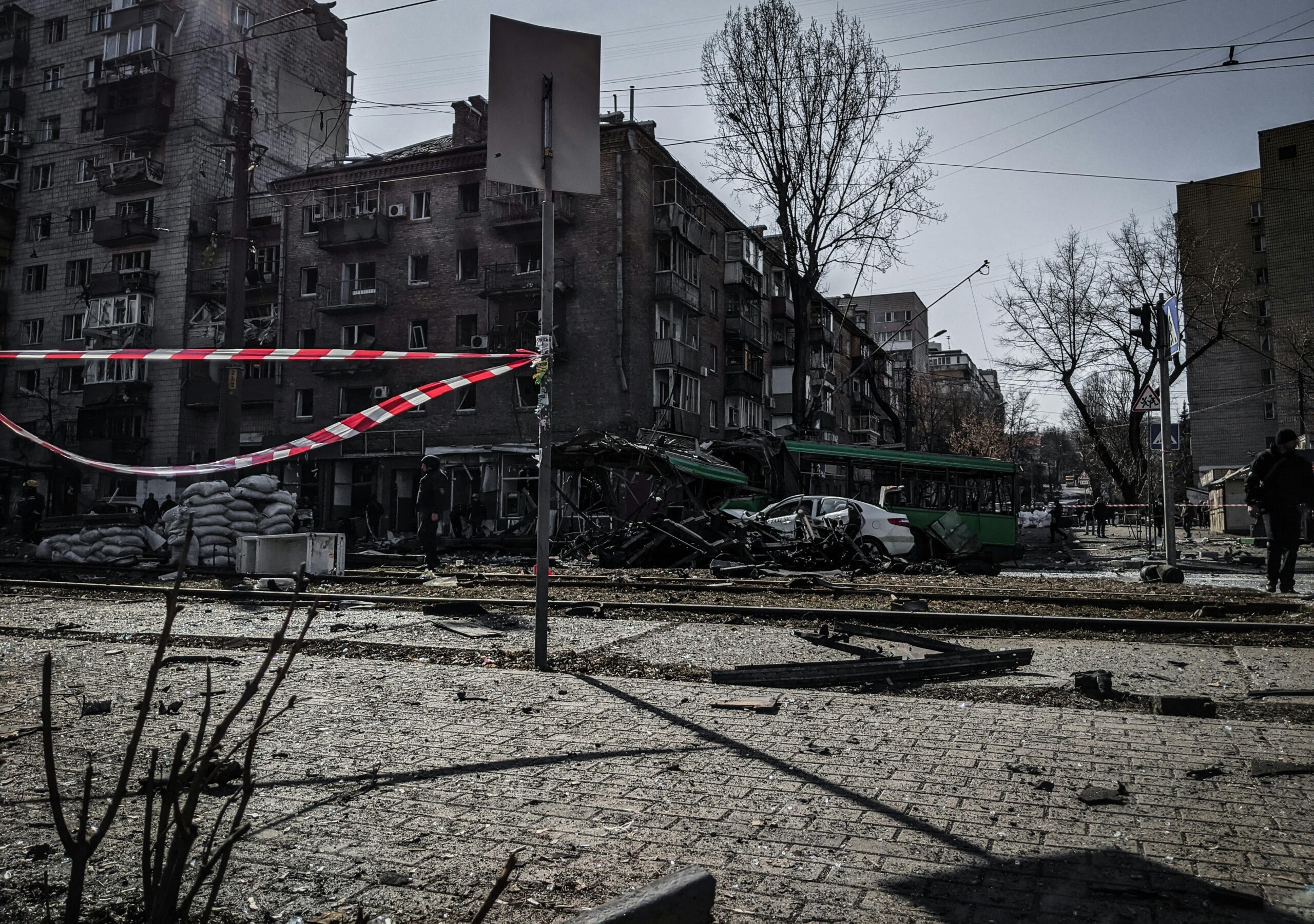
When war shatters not just cities but discourse itself, our language falls apart. Describing one holding a photograph of a dead child and expecting words to carry that loss? That’s where we falter. To restore our humanity, we need new vocabulary—ones that can hold grief, dignity, complexity, and shared pain.
Let’s widen that insight with deeper context and explore how language shapes, and perhaps heals, our collective wounds.
Understanding the Limits of Our Language
- Dehumanizing Metaphors Fuel Violence
In this conflict, extremists and political leaders have weaponized language—referring to people as “rats,” “cockroaches,” or “fish in a barrel.” These metaphors don’t just insult; they erode our capacity for empathy and justify inhumane acts. - Media Framing Shapes Reality
Even news headlines carry bias: calling it “war,” “conflict,” or “crisis” signals different narratives. These framing choices steer public perception, often bury nuance, and can perpetuate dehumanization. - “Peace” Language Can Be Weaponized
Words like “peace” are sometimes co-opted to justify further fighting—framed as “sustainable peace” after aggressive campaigns. It’s peace as a fig leaf.
Toward a Language That Humanizes and Reimagines
- Reignite Empathy with Precise Naming
We need vocabulary that names each person’s pain without reducing them to ease of argument. Acknowledging another’s humanity—like naming one clutching a photo of loss—is the first step. - Reframe Conflict Narratives
Activists, media, and educators should discourage labels like “pro-Israel” or “pro-Palestine,” which flatten complexity. Instead, use language that captures moral nuance and shared grief. - Reconciliation Through Dialogue, Not Division
Initiatives like community encounters in neutral spaces show that dialogue empowered by new language of care and mutual accountability can restore connection. - Emerging Tools: AI as a Bridge for Understanding
Early experiments show that AI-facilitated dialogues can help peacebuilders find consensus. Shared phrasing may offer new ground for unity.
Summary Table: Language Paths After War
| Challenge | Reframed Language Response |
|---|---|
| Dehumanizing metaphors | Honest naming of suffering; reject reductive language |
| Biased media framing | Nuanced, human-centered narrative building |
| Peace used as façade for violence | Language that holds justice and non-violence equally |
| Public polarization | Shared vocabulary through dialogue and joint framing |
| Loss of empathy | Reconciliation curricula promoting mutual recognition |
Frequently Asked Questions (FAQs)
Q: Why can’t existing words carry this war’s pain?
Our vocabulary, rich as it may be, hasn’t been tested to hold the enormity of internalized and collective trauma. We need new metaphors, new narratives that don’t distort or dismiss suffering.
Q: What makes language powerful in conflict?
Words shape thought. Dehumanizing terms numb us to violence, while framing by media or politicians can guide global public opinion and policy.
Q: How do peacebuilders use language differently?
They focus on shared humanity—through storytelling, carefully chosen words like “reconciliation,” and building language that nurtures empathy rather than echoes violence.
Q: Can AI-generated consensus phrases help real-world dialogue?
While nascent, AI-powered collective dialogues show promise in crafting language that reflects mutual recognition and joint aspirations rather than entrenched narratives.
Q: How do we start using new language?
Begin small: choose words that center empathy, avoid labels that dehumanize, and support media or educational content that models nuanced, humanizing speech.
Final Reflection
Words aren’t neutral—they are powerful currents that can either stir understanding or deepen divides. After this war, the choice of language becomes moral. When we learn to name suffering honestly and humanely, we open a door not just to reconciliation—but to a shared future.
Sources The New York Times

