
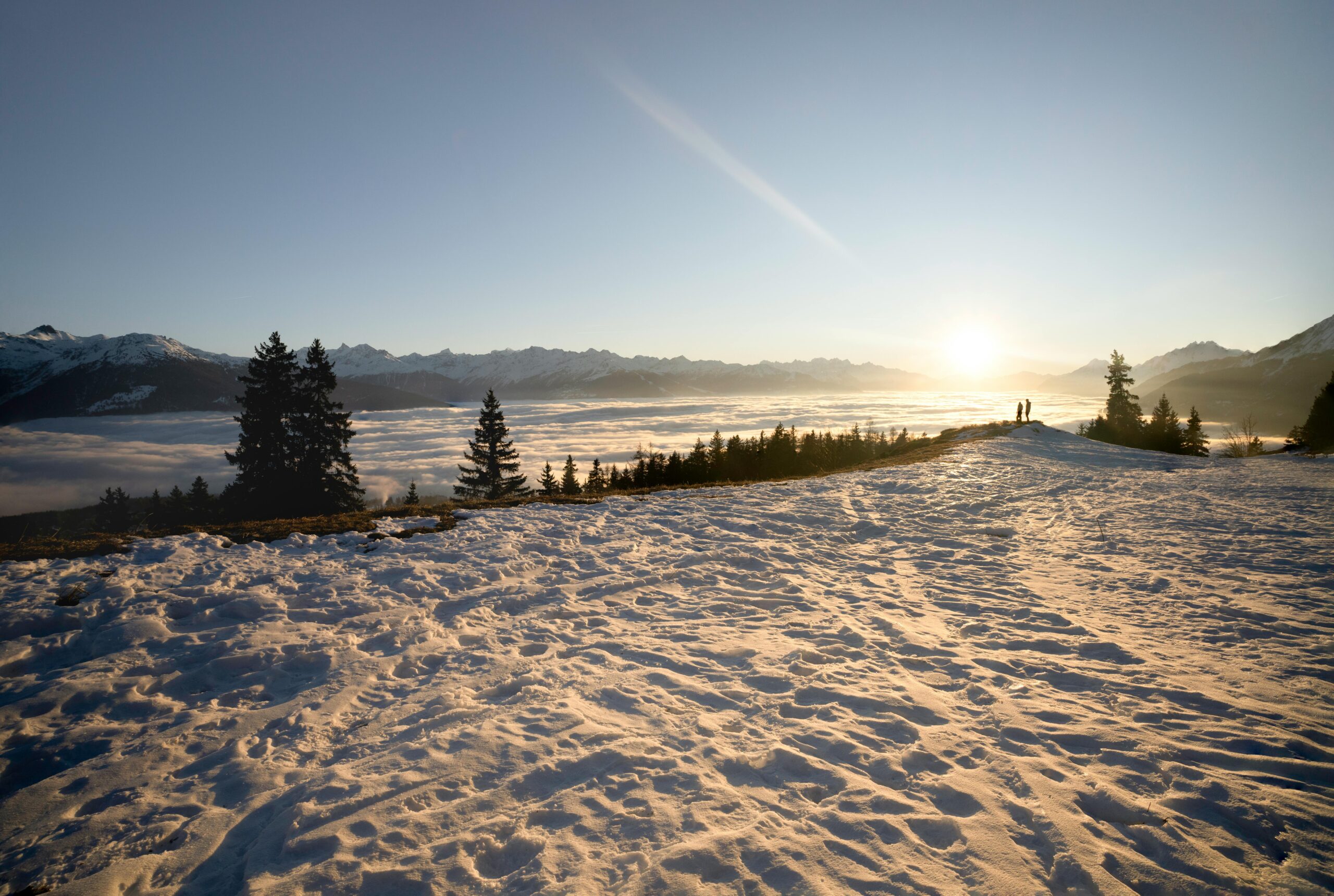
Perched high in the Swiss Alps above the Rhône Valley, Crans-Montana has long been synonymous with alpine glamour, world-class skiing, and international sophistication. Known for its sun-drenched slopes, luxury hotels, and panoramic mountain views, the resort town occupies a unique place in Switzerland’s tourism landscape—bridging old-world alpine charm with modern, global appeal.
Yet Crans-Montana is more than a postcard-perfect ski destination. Its history, economic role, environmental challenges, and cultural significance reveal how a historic resort adapts to changing times while remaining a magnet for international visitors.

A Brief History of Crans-Montana
Crans-Montana emerged as a tourist destination in the late 19th and early 20th centuries, when Switzerland was becoming a playground for Europe’s elite. Originally two villages—Crans and Montana—the area developed around:
- Health tourism and mountain air cures
- Early winter sports culture
- Grand hotels catering to aristocrats and artists
By the mid-20th century, Crans-Montana had secured its reputation as a premier ski resort, attracting royalty, politicians, and celebrities alongside competitive skiers.
Why Crans-Montana Became a Global Ski Destination
1. Exceptional Geography and Climate
Unlike many Alpine resorts tucked deep into narrow valleys, Crans-Montana sits on a wide, south-facing plateau. This gives it:
- More sunshine than most Swiss ski resorts
- Expansive views of iconic peaks like the Matterhorn and Mont Blanc
- A balance of high-altitude terrain and accessible village life
This combination appeals strongly to international tourists seeking both skiing and lifestyle experiences.
2. World-Class Skiing and Events
Crans-Montana has hosted numerous international competitions, including FIS Alpine Ski World Cup events, cementing its status on the global ski map. The resort offers:
- Over 140 kilometers of ski runs
- Terrain suitable for beginners and experts
- Advanced lift infrastructure
These credentials attract serious skiers as well as leisure travelers.
3. Luxury and Lifestyle Appeal
Beyond skiing, Crans-Montana is known for:
- High-end hotels and chalets
- Fine dining and wine culture
- Golf courses, spas, and wellness tourism
This diversified offering allows the resort to thrive even when ski conditions fluctuate.
An International Community
Crans-Montana has one of the most international populations among Swiss resorts. Visitors and property owners come from:
- Western Europe
- The Middle East
- North America
- Asia
This global mix has shaped local business, real estate, and cultural life, making the town cosmopolitan while still distinctly Swiss.

Economic Importance to the Region
Tourism is the backbone of Crans-Montana’s economy, supporting:
- Hospitality and retail employment
- Construction and real estate development
- Transportation and regional services
Seasonal tourism revenues help sustain surrounding villages and contribute significantly to the canton of Valais.
Environmental and Climate Challenges
1. Climate Change and Snow Reliability
Like all Alpine resorts, Crans-Montana faces:
- Shorter and less predictable winters
- Increased reliance on artificial snow
- Rising operational costs
These pressures have accelerated the resort’s shift toward year-round tourism, reducing dependence on winter alone.
2. Fire and Environmental Risk
Recent fire incidents in alpine regions—including concerns raised near resort areas—highlight how climate change increases risks not traditionally associated with ski towns. Hotter, drier summers now demand:
- Enhanced emergency preparedness
- Improved land management
- Greater coordination between local authorities and tourism operators
The Push Toward Year-Round Tourism
Crans-Montana is actively reinventing itself as a four-season destination by promoting:
- Summer hiking and mountain biking
- Golf tourism at high altitude
- Cultural festivals and international conferences
- Wellness and medical tourism
This diversification helps stabilize income, employment, and infrastructure use throughout the year.
Balancing Heritage and Modernization
One of Crans-Montana’s ongoing challenges is maintaining its historic identity while modernizing infrastructure. Key debates include:
- New hotel and lift developments
- Preservation of alpine landscapes
- Housing affordability for local residents
Local authorities aim to balance international demand with sustainability and community needs.
Why Crans-Montana Still Matters Globally
Crans-Montana represents a broader story unfolding across the Alps: how legacy resorts adapt to climate change, shifting traveler expectations, and global economic pressures. Its ability to attract international tourists while evolving beyond traditional ski tourism makes it a case study in alpine resilience.
Frequently Asked Questions (FAQs)
1. Where is Crans-Montana located?
Crans-Montana is located in the canton of Valais in southwestern Switzerland, overlooking the Rhône Valley.
2. Is Crans-Montana only a winter destination?
No. While famous for skiing, it is increasingly popular year-round for hiking, golf, wellness, and cultural events.
3. Why is Crans-Montana popular with international tourists?
Its sunshine, luxury accommodations, panoramic views, global events, and cosmopolitan atmosphere make it attractive to visitors from around the world.
4. How is climate change affecting the resort?
Climate change has made snowfall less predictable, pushing the resort to diversify its tourism offerings and invest in sustainability.
5. Is Crans-Montana still worth visiting compared to other Swiss resorts?
Yes. Its blend of sport, lifestyle, accessibility, and international culture sets it apart from more traditional, ski-only destinations.
Conclusion
Crans-Montana is more than a historic Swiss ski resort—it is a living example of how alpine destinations evolve in a changing world. Rooted in tradition yet open to reinvention, the town continues to attract international visitors not just for its slopes, but for its lifestyle, views, and adaptability.
As climate, tourism, and global expectations shift, Crans-Montana’s future will depend on the same qualities that shaped its past: innovation, openness, and respect for the mountains that define it.

Sources The New York Times

