
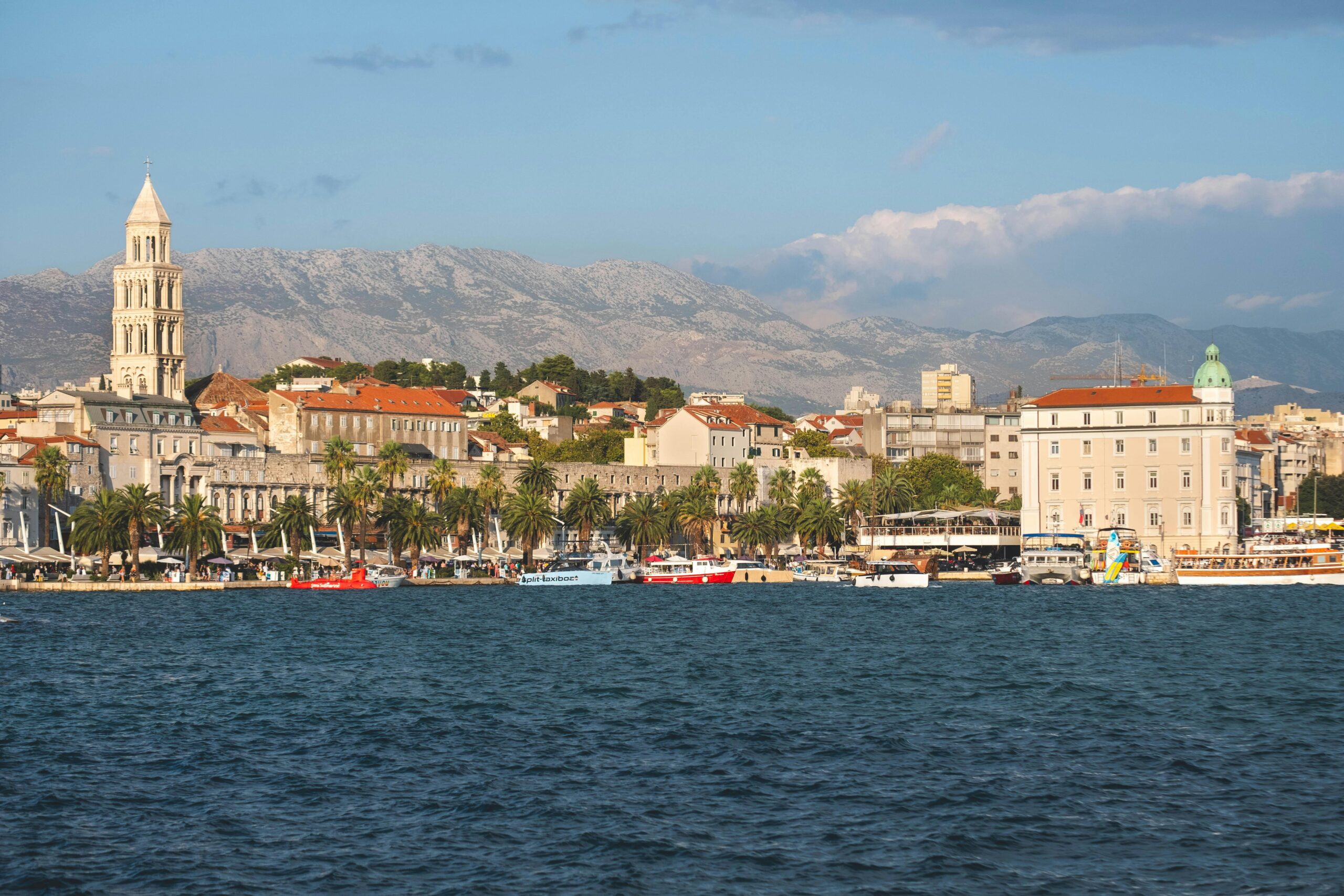
Croatia’s tourism season is off to a strong start in 2026, with the Easter holiday period delivering a significant boost to visitor numbers—particularly in popular destinations like Split and Istria. As one of Europe’s most attractive spring getaways, Croatia is increasingly proving that its tourism appeal extends well beyond the traditional summer peak.
This early surge in arrivals highlights not only the country’s growing popularity but also a broader shift in travel behavior toward shoulder-season tourism, where travelers seek milder weather, fewer crowds, and culturally rich experiences.

Easter as a Key Tourism Catalyst
Easter has become an increasingly important period for European tourism, and Croatia is benefiting from this trend.
During the Easter holidays, travelers are drawn by:
- Pleasant spring weather
- Cultural and religious celebrations
- Seasonal events and festivals
- Lower prices compared to peak الصيف months
For Croatia, this period acts as a preview of the summer season, offering valuable early revenue for businesses.
Split: A Coastal Magnet for Spring Travelers
Split, Croatia’s second-largest city, continues to be a major attraction during the Easter period.
Why Split Is Popular
- Historic sites like Diocletian’s Palace (a UNESCO World Heritage site)
- Coastal views and access to nearby islands
- Vibrant café culture and waterfront promenades
Spring visitors enjoy:
- Comfortable temperatures for sightseeing
- Fewer crowds compared to summer
- Opportunities to explore nearby destinations like Hvar and Brač
Istria: A Rising Star in Culinary and Cultural Tourism
The Istrian peninsula, located in northern Croatia, is gaining attention as a premium travel destination.
Key Attractions in Istria
- Scenic coastal towns such as Rovinj and Poreč
- Renowned food and wine culture
- Truffle hunting and гастрономic experiences
- Cycling and outdoor activities
Easter in Istria often features:
- Local food festivals
- Traditional celebrations
- Wine tastings and farm-to-table experiences
This combination makes Istria particularly appealing to experience-driven travelers.
The Shift Toward Shoulder-Season Travel
Croatia’s Easter success reflects a larger global trend: travelers are increasingly choosing to travel outside peak seasons.
Benefits for Travelers
- Lower accommodation prices
- Less overcrowding
- More authentic local experiences
Benefits for the Industry
- Extended tourism season
- More stable revenue streams
- Reduced pressure on infrastructure خلال summer
This shift is helping Croatia move toward a more sustainable tourism model.
Economic Impact of Early-Season Tourism
A strong Easter season provides a crucial economic boost.
For Businesses
- Hotels and guesthouses see early bookings
- Restaurants and cafés experience increased demand
- Tour operators and guides begin operations earlier
For Local Economies
- Increased employment opportunities
- Support for small businesses
- Greater regional economic activity
Early-season success can set the tone for the rest of the year.

Infrastructure and Accessibility Improvements
Croatia’s growing popularity is supported by improved infrastructure.
Transportation
- Increased flight connections from major European cities
- Expanded ferry services to islands
- Upgraded road networks
Accommodation
- Growth in boutique hotels and luxury resorts
- Expansion of short-term rental options
These developments make it easier for travelers to explore different regions.
Challenges Facing Croatia’s Tourism Growth
Despite positive trends, challenges remain.
1. Overtourism in Peak Season
Popular destinations like Dubrovnik and Split can become overcrowded in summer.
2. Environmental Sustainability
Increased tourism can strain:
- Coastal ecosystems
- Waste management systems
- Water resources
3. Workforce Shortages
Seasonal demand creates pressure on:
- Hospitality staff
- Service quality
Opportunities for Sustainable Growth
Croatia is increasingly focusing on strategies to ensure long-term sustainability.
Promoting Off-Season Travel
Encouraging travel during spring and autumn helps:
- Distribute visitor numbers أكثر evenly
- Reduce peak-season pressure
Diversifying Destinations
Highlighting lesser-known regions can:
- Spread economic benefits
- Reduce overcrowding
Enhancing Cultural Tourism
Investing in cultural events and heritage experiences can attract:
- High-value travelers
- Year-round visitors
Croatia in the European Tourism Landscape
Croatia competes with other Mediterranean destinations such as:
- Italy
- Greece
- Spain
However, it stands out due to:
- Its combination of natural beauty and historical sites
- Relatively competitive pricing
- Strong appeal for both leisure and experiential travel
The success of the Easter season reinforces Croatia’s position as a versatile, year-round destination.
Frequently Asked Questions
Why is Easter important for Croatia’s tourism?
It marks the start of the tourism season and brings early visitors and revenue.
Which areas are most popular during Easter?
Split and Istria are among the top destinations due to their culture, scenery, and events.
Is Croatia crowded during Easter?
It is less crowded than in summer, making it an attractive time to visit.
What attracts tourists to Istria?
Food, wine, scenic towns, and cultural experiences.
How does early tourism benefit the economy?
It supports businesses, creates jobs, and extends the tourism season.
Are there challenges to tourism growth?
Yes, including sustainability concerns, workforce shortages, and peak-season overcrowding.
Is Croatia becoming a year-round destination?
Yes, with increasing efforts to promote off-season travel.
Conclusion
Croatia’s strong Easter tourism performance in 2026 highlights a key تحول in the global travel landscape: the rise of year-round, experience-driven tourism. With destinations like Split and Istria leading the way, the country is successfully attracting visitors beyond the traditional summer months.
This shift not only boosts economic resilience but also offers a more sustainable path forward for Croatia’s tourism industry. By continuing to invest in infrastructure, diversify offerings, and promote off-season travel, Croatia is well-positioned to remain one of Europe’s most compelling destinations.
In the evolving world of travel, Croatia is proving that the season doesn’t have to start in summer—it can begin as early as Easter.

Sources Croatia Week

